

























Global Temperature - Earth Indicator
Key Takeaway:
The 10 most recent years are the warmest on record.
Latest Annual Average Anomaly: 2025
1.19 °C
Latest Annual Average Anomaly: 2025
2.14 °F
This graph above shows the change in global surface temperature compared to the baseline average for the 30-year period 1951 to 1980. Earth’s global surface temperature in 2025 was slightly warmer than 2023 – but within the margin of error: the two years are effectively tied according to an analysis by NASA scientists. Since record-keeping began in 1880, the hottest year on record remains 2024 (source: NASA/GISS).
Global temperatures in 2025 were cooler than 2024, with average temperatures of 2.14 degrees Fahrenheit (1.19 degrees Celsius) above the 1951 to 1980 average. The data shown are the latest available, updated annually.
The analysis from NASA’s Goddard Institute for Space Studies includes air temperature data acquired by more than 25,000 meteorological stations around the world, from ship- and buoy-based instruments measuring sea surface temperature, and Antarctic research stations. The data are analyzed using methods that account for the changing distribution of temperature stations and for urban heating effects that could skew the calculations.
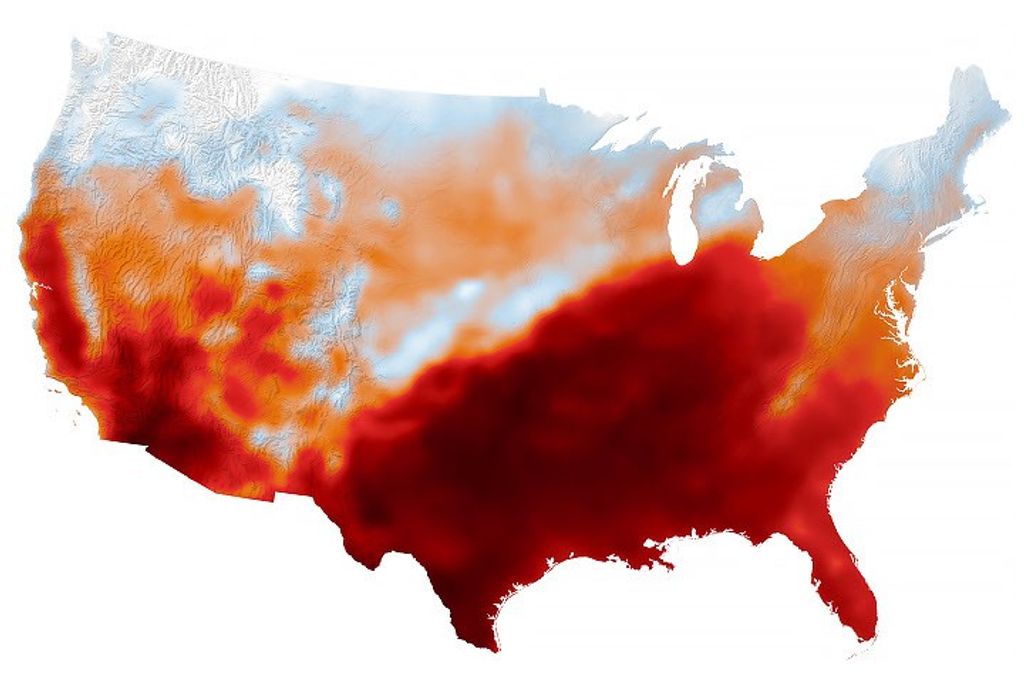
The animation above shows the change in global surface temperatures. The period used to calculate the average for comparison is 1951 – 1980. Dark blue shows areas cooler than average. Dark red shows areas warmer than average. Short-term variations are smoothed out using a 5-year running average to make long-term trends more visible in this map.