


























Astrobiology in Missions
Astrobiology Relevant Missions at NASA
Active NASA Space Missions Relevant to Astrobiology
International Astrobiology-Related Missions with NASA involvement
When humankind began to explore beyond Earth's atmosphere, our understanding of life on Earth and the potential for life beyond our planet changed forever. Missions gathered data on locations far and wide - from the planets of our solar system to exoplanets around distant stars. Data from missions helped shape knowledge of habitability, helping astrobiologists determine and identify the conditions necessary for life as we know it. Other data taught us about how planets form and become habitable for life. Some missions were even designed with specific astrobiology goals and to directly address NASA's search for life in the universe.
Active NASA Space Missions Relevant to Astrobiology

Advanced Composition Explorer (ACE)
Observing solar, interplanetary, interstellar, and galactic origins.
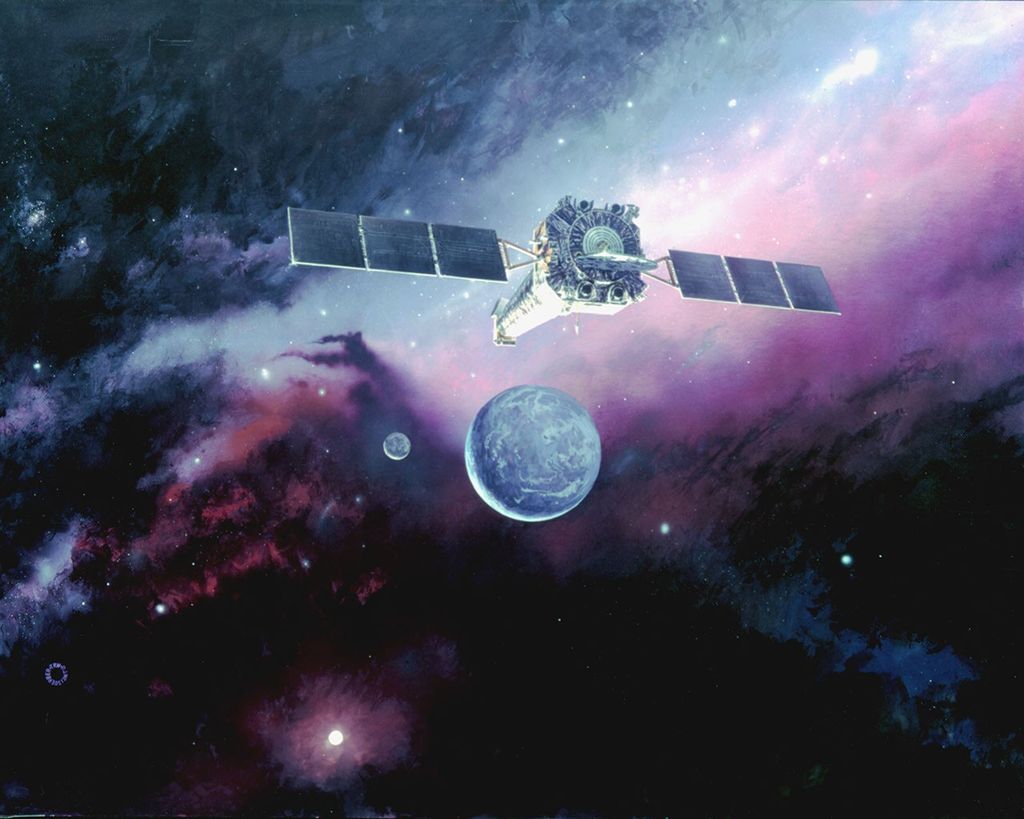



Interstellar Mapping and Acceleration Probe (IMAP)
Understanding the boundary of the heliosphere.
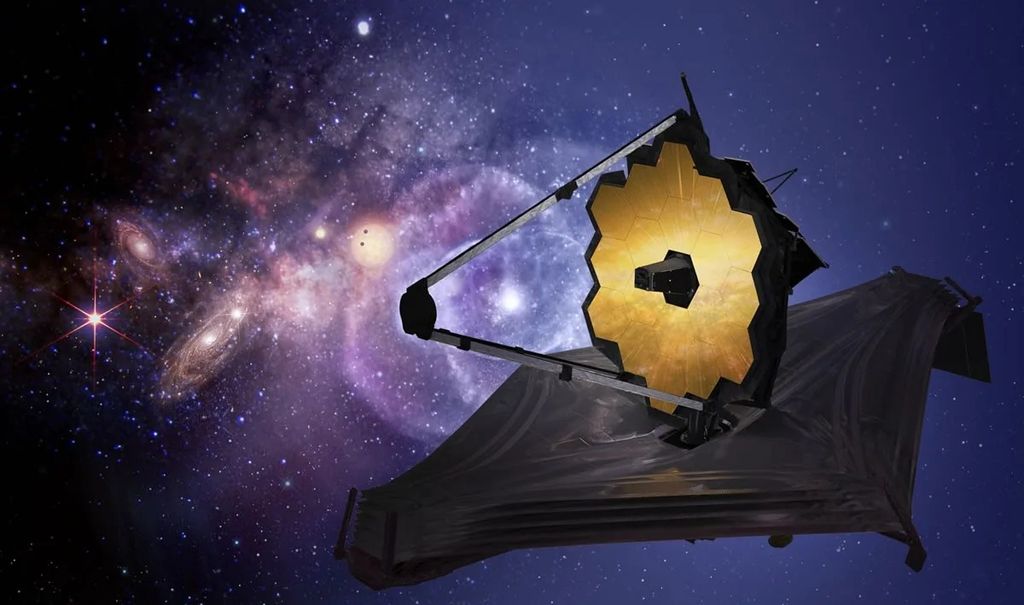
Future NASA Space Missions relevant to Astrobiology
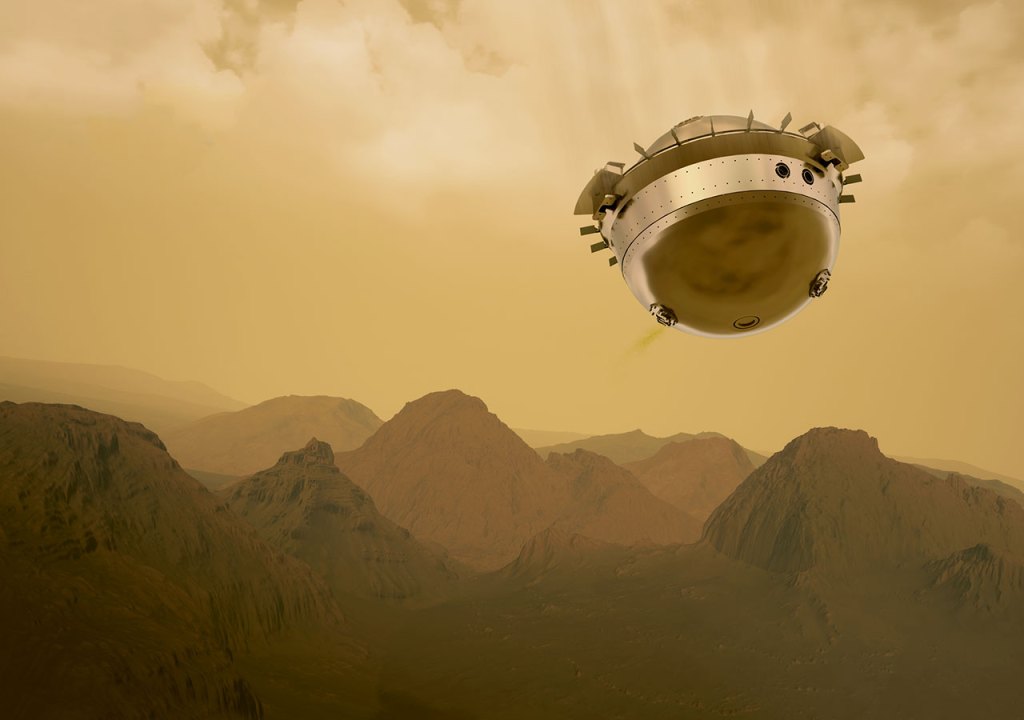


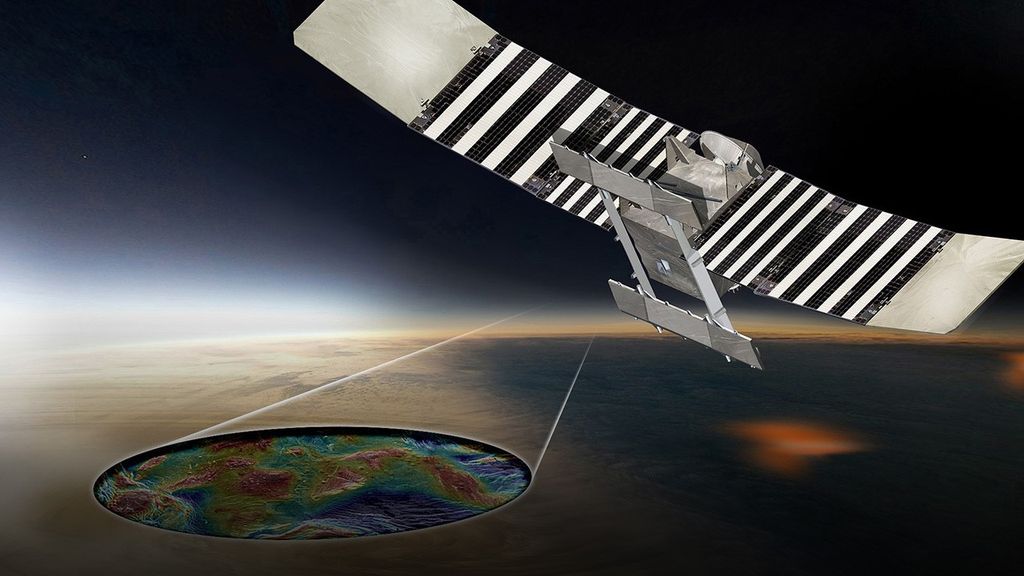
Current International Missions with NASA Involvement Relevant to Astrobiology
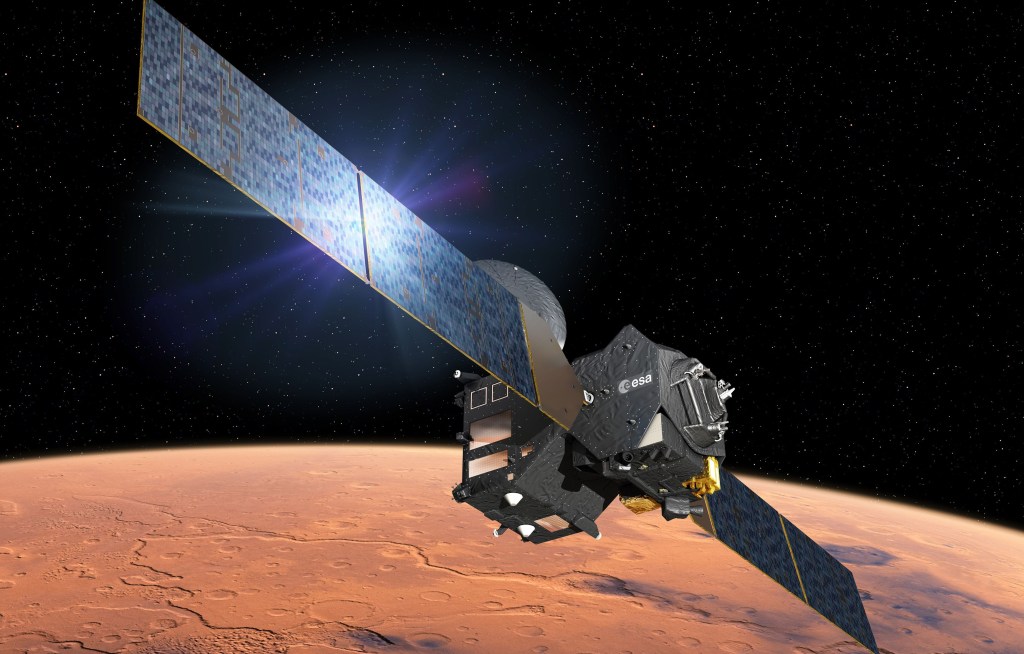
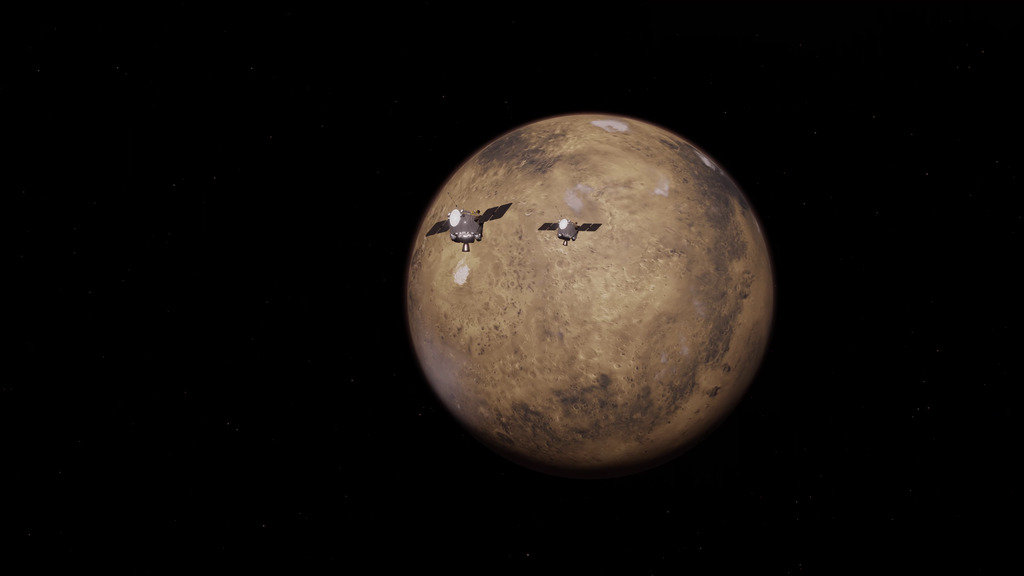
Searching Mars’ atmosphere for methane and other trace gases indicative of potential biological or geological activity.

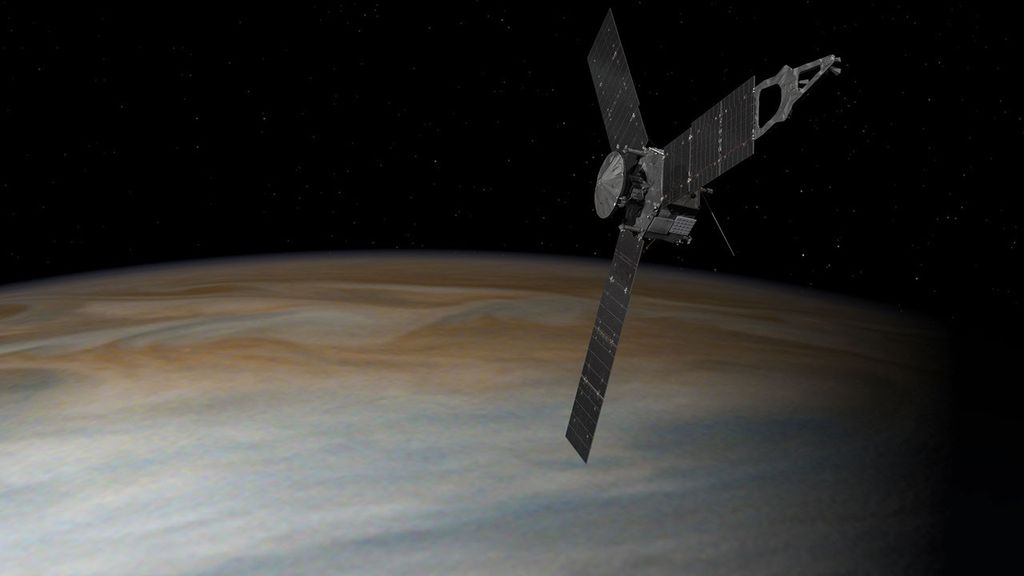
Jupiter Icy Moons Explorer (JUICE)
Studying Jupiter and three of the planet's icy moons: Ganymede, Callisto, and Europa.
Future International Missions with NASA Involvement Relevant to Astrobiology
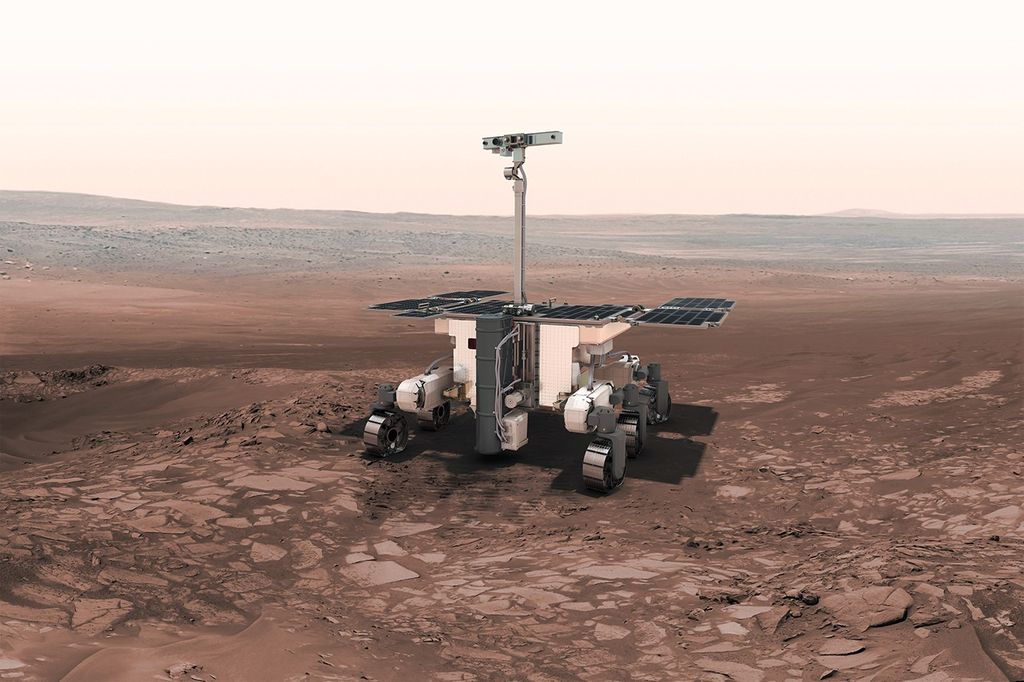
Active Ground-based Telescopes making Observations relevant to Astrobiology

Habitable Zone Planet Finder
High precision measurements of infrared signals from nearby stars.
Past Missions Relevant to Astrobiology

Cassini-Huygens Saturn Orbiter and Titan Probe
Sharing the wonders of Saturn and its family of icy moons.

Viking Project
The first mission to safely reach the martian surface and the first to search for evidence of life on Mars.