




















Astrobiology Overview
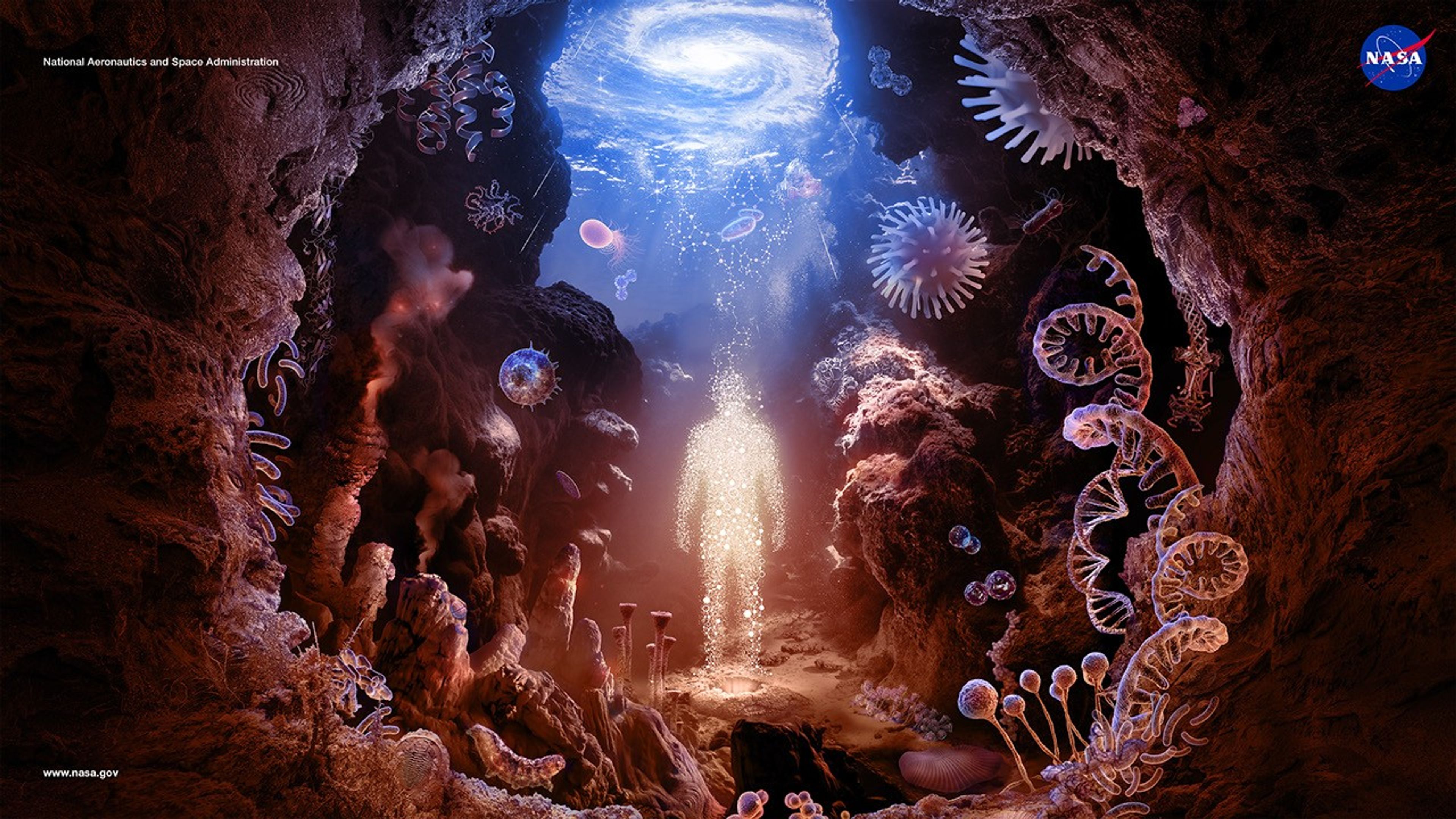
NASA’s Astrobiology Program investigates life in the Universe on many levels: how it began, how it evolved here on Earth, and where and how it might exist elsewhere. Astrobiology is fundamental to NASA’s space exploration goals and organizes multi-disciplinary efforts to answer the underlying question: “Are we alone?”
Astrobiology Research
NASA Astrobiology supports a diverse portfolio of scientific research, addressing fundamental questions about the origin, evolution, and distribution of life in the universe. The Program primarily manages science funded by the NASA Science Mission Directorate’s annual omnibus solicitation, Research Opportunities in Space and Earth Science (ROSES).
Today, NASA Astrobiology includes research in prebiotic chemistry and the origin of life, the co-evolution of life and the Earth through time, the formation and identification of habitable planets, the search for life beyond Earth, the potential future for life as we know it in the universe, ARTEMIS and Moon to Mars, and the development of technology and methods to advance all of these topics.
Focus Areas
-
Prebiotic Chemistry and the Origin of Life
Prebiotic Chemistry is the study of how and when life originated from simple, biologically relevant molecules on the early Earth. Astrobiologists strive to understand where these organic molecules came from and the mechanisms that allowed them to organize into living cells. Studying how life began on Earth can help scientists determine if, how, and where life as we know it could arise in habitable environments on other bodies throughout the Universe.
-
Co-Evolution of Life and the Earth
Since the first appearance of life on Earth, the evolution of living organisms and our planet have been intricately linked. Life affects the global chemical and physical properties of the Earth’s atmosphere, oceans, and land. Conversely, environmental factors on the planet impact the survival and reproductive success of life, shaping the evolution of entire ecosystems through time. Understanding this complex dance between life and the planet can provide insight into the future of life on our planet, and aid in the identification of other worlds capable of supporting biology.
-
Formation and Identification of Habitable Worlds
Since then, thousands of exoplanets have been found, including planets similar in size to the Earth. As we have explored our own solar system, we have discovered environments, such as Saturn’s moon Enceladus, that are potentially habitable despite being very different from the Earth. Astrobiologists have an important role in determining how to characterize these worlds and identify those that might support habitable environments for life. This research draws on knowledge from studying the Earth, its formation and evolution, and factors like the interactions between the Sun and Earth’s habitability.
-
Search for Life beyond Earth
NASA Astrobiology is directly tied to NASA’s mission to search for signs of life beyond Earth. This includes developing both a framework for assessing and confirming the presence of life using community-based standards of evidence, and a process for communicating discoveries responsibly and in a timely manner to the people of Earth. NASA Astrobiology also works closely with NASA’s Office of Planetary Protection to safeguard against forward contamination of other worlds that could support habitable environments, such as Mars, and backward contamination of environments on Earth when materials are brought back from space to our planet.
-
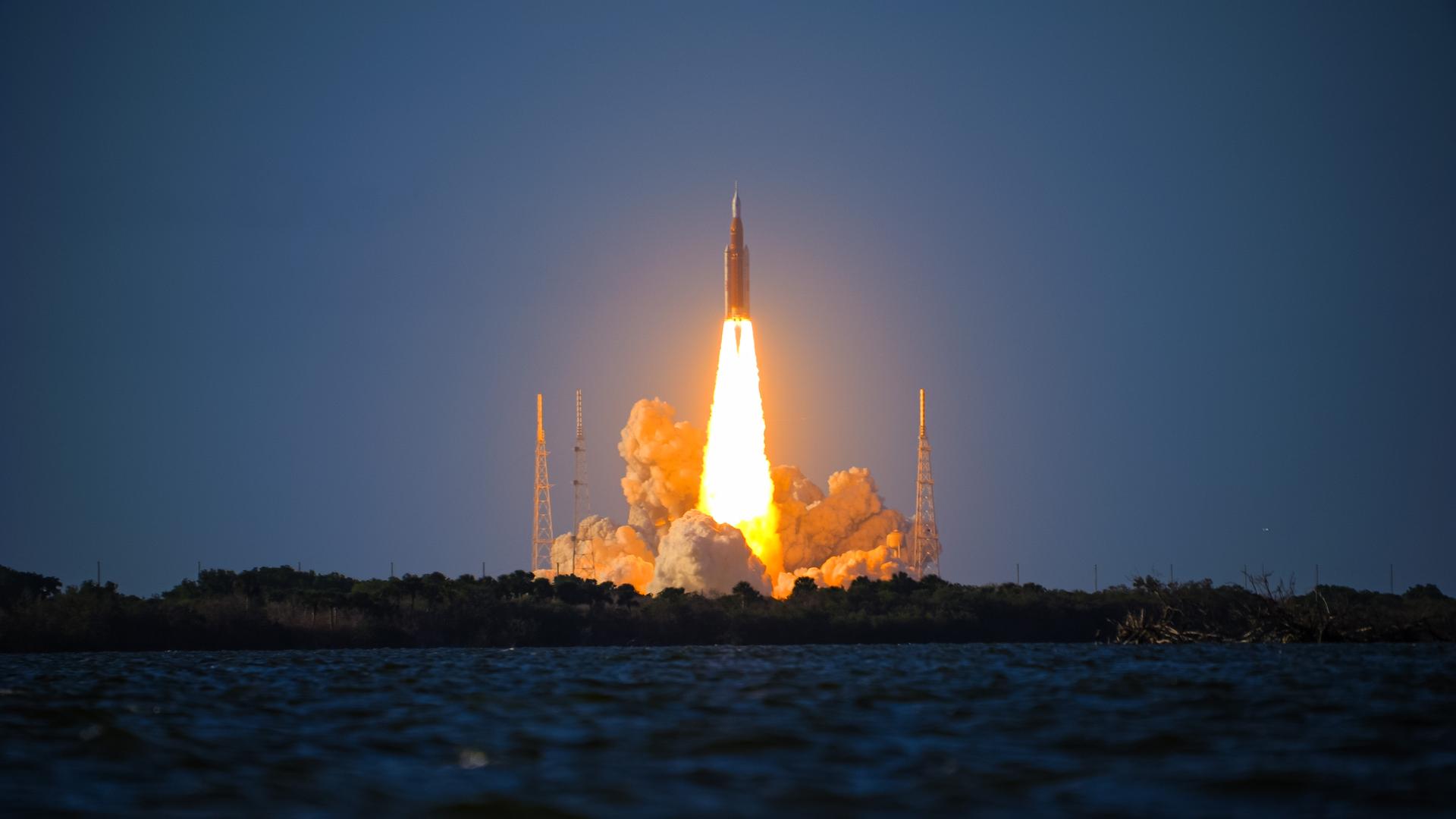
Artemis and Moon to Mars
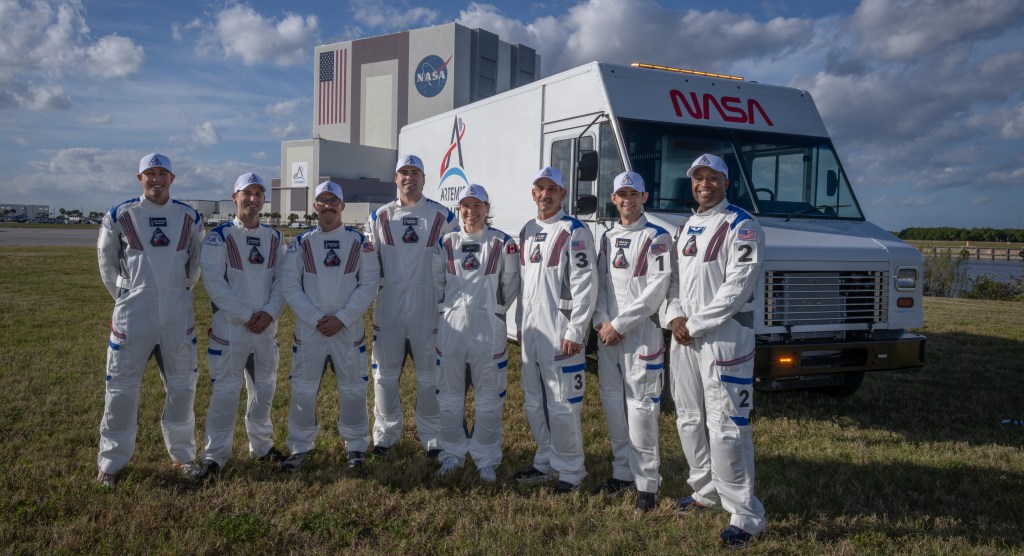
NASA Astrobiology will benefit from crewed exploration at the Moon and Mars in understanding lunar abiotic environments to assist in the search for life, discoveries of Earth history that may be found in lunar rock repository, and the biological potential of Mars. The Program is involved in NASA’s Moon to Mars Objectives to advance understanding of the origin of life in the solar system by identifying where and when potentially habitable environments exist(ed), what processes led to their formation, how planetary environments and habitable conditions have co-evolved over time, and whether there is evidence of past or present life in the solar system beyond Earth.
-
Technology Development
All research areas under NASA Astrobiology require the development of new technology and the incorporation of state-of-the-art methods including machine learning, artificial intelligence, and next generation computing. NASA Astrobiology works with the Planetary Exploration Science Technology Office to support research to design, build, and test equipment used to advance all of these areas. This includes equipment and techniques used in laboratory environments, the most extreme environments on Earth, alongside human missions to the Moon and Mars, on robotic missions throughout the solar system, and in the analysis of data on extrasolar planets gathered by powerful telescopes.
Astrobiology in Missions
NASA Astrobiology science is fundamental to the design and instrumentation for NASA activities on Earth, throughout the solar system, and beyond. NASA-funded astrobiologists study Earth to understand how a planet becomes inhabited with life, develop technology needed to explore the solar system, participate in the design and operation of powerful telescopes that peer beyond our solar system, and support future crewed missions to the Moon and Mars.
Astrobiology on Earth
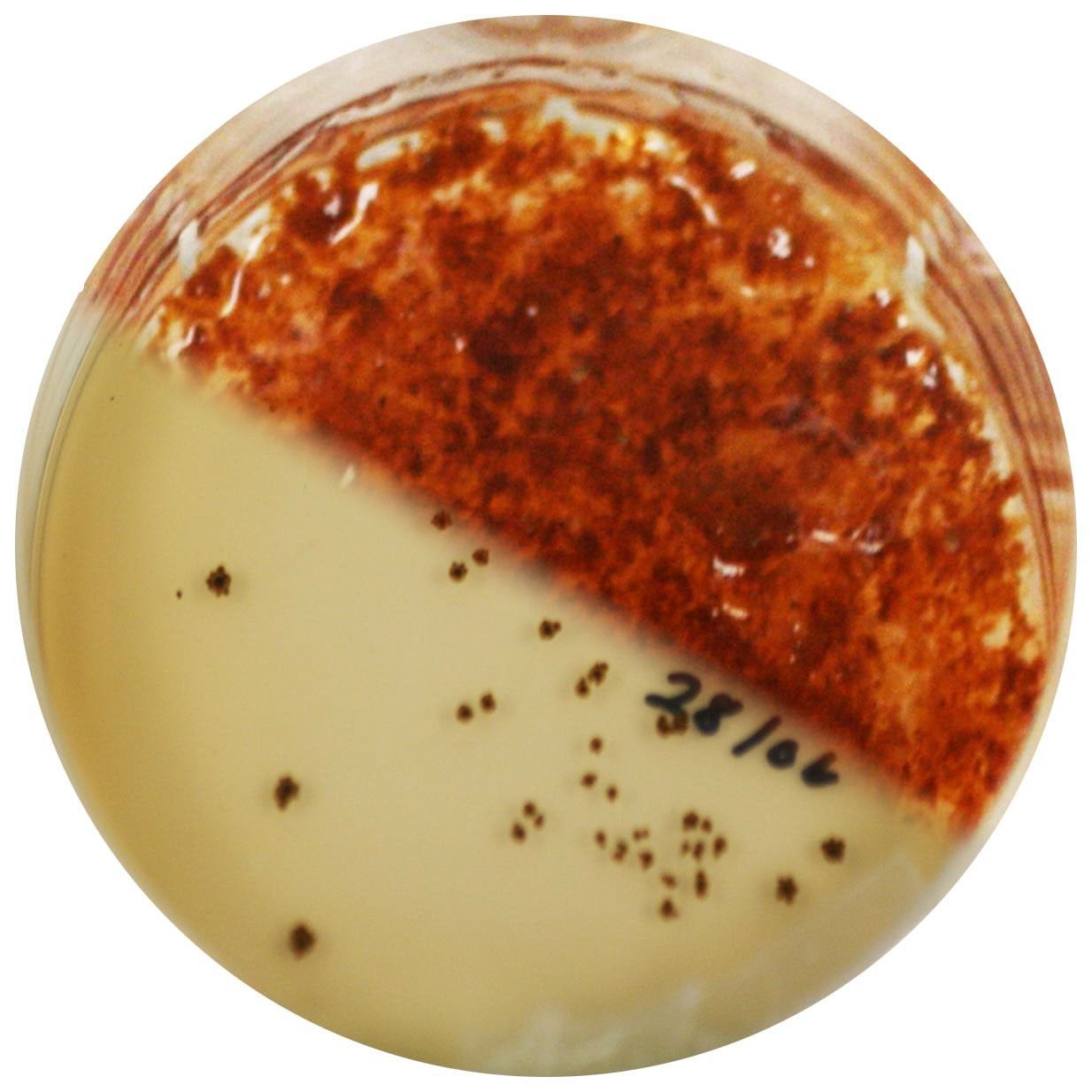
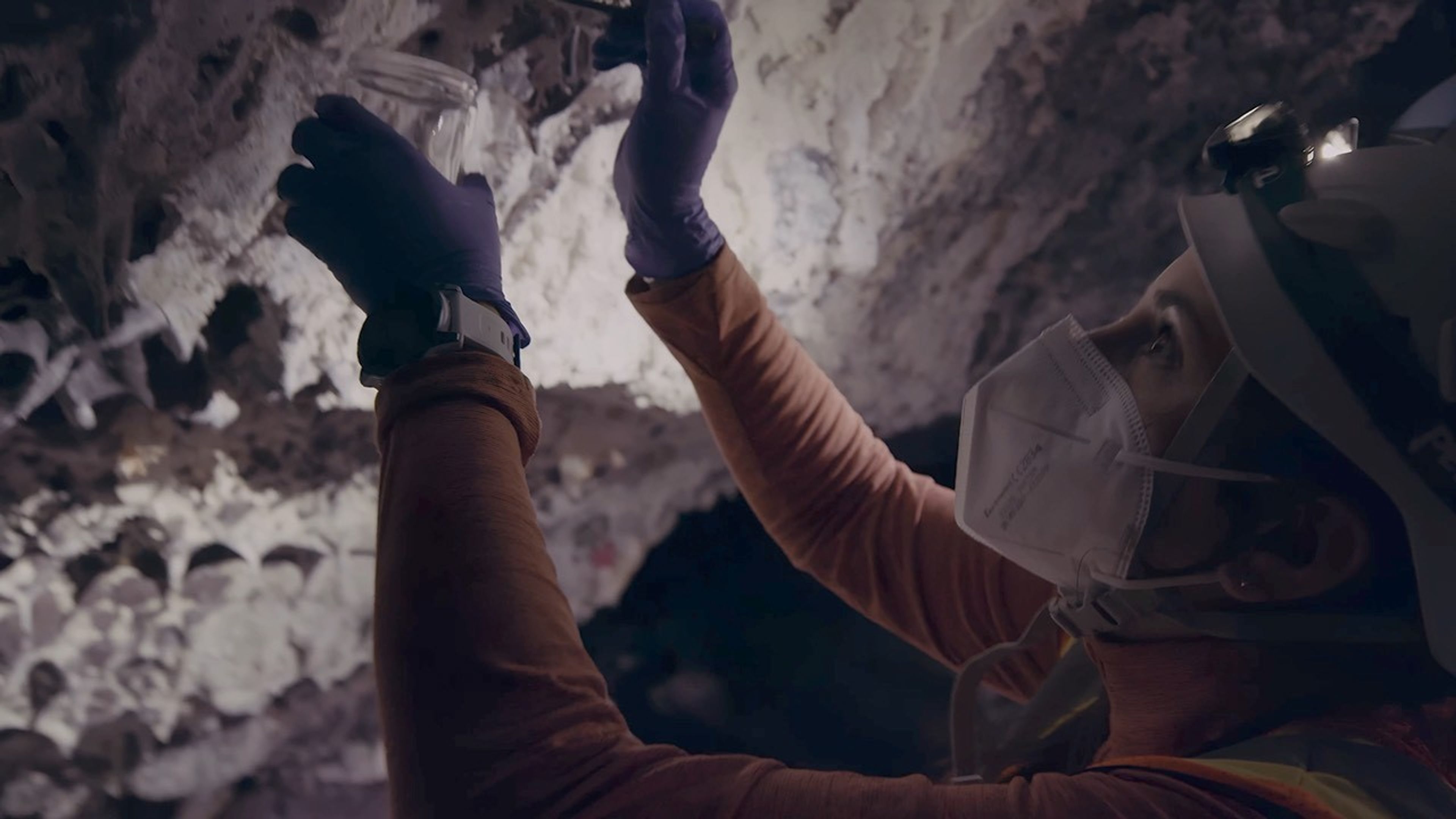
On Earth, NASA-funded astrobiologists study life’s ability to thrive on Earth under ‘extreme’ temperatures, pressures, pH, and other conditions.
This work can teach us how life as we know it could survive in similar environments on other worlds. This knowledge informs how NASA designs and builds missions that would characterize the habitability of and search for life on other planets and moons in our solar system.
Moon to Mars
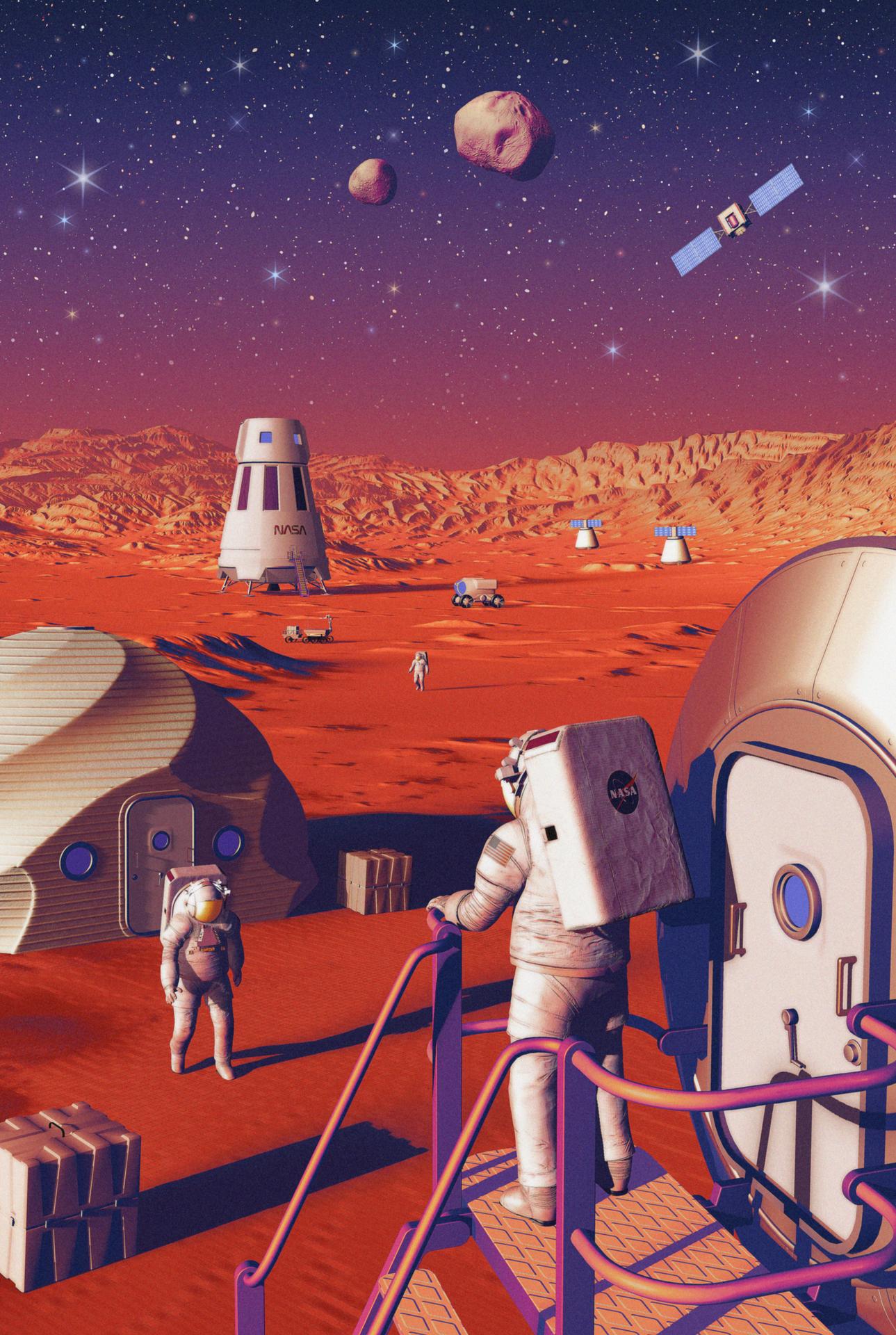
Astrobiology is also fundamental to studies that will be performed by humans on the Moon and eventually Mars.
Astrobiologists are gathering knowledge to search for signs of past life at Mars and to understand how Mars has transformed from a habitable world to one with an inhospitable surface environment. Additionally, research supported by the Astrobiology Program will inform human safety and ensure planetary protection protocols are effective.
Solar System Exploration
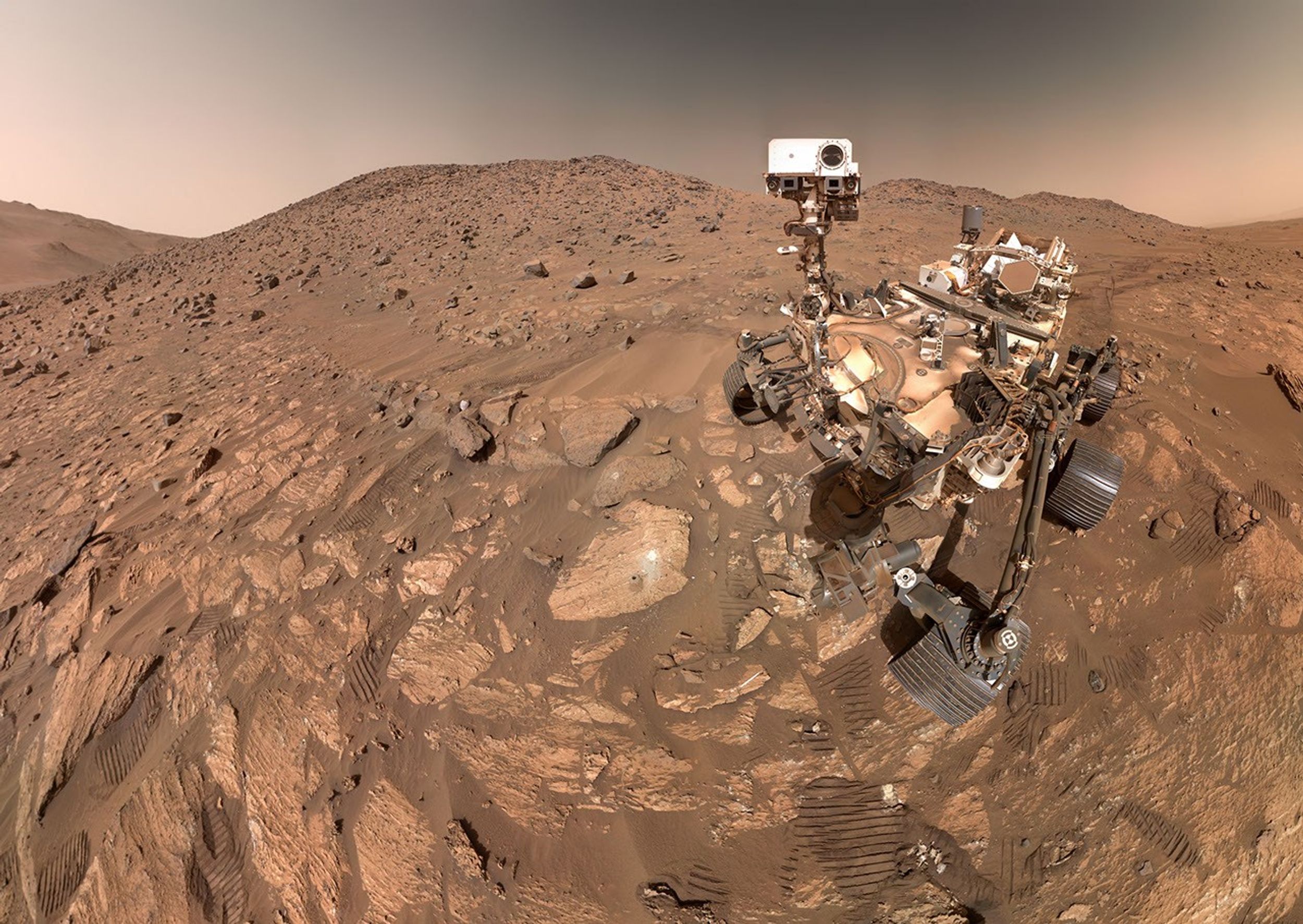
NASA-funded astrobiologists are developing technologies needed to search for signs of past or present life in the solar system.
These instruments are included on NASA flight missions – such as orbiters, landers, and rovers that are designed to explore planets, dwarf planets, moons, asteroids, and comets.
Beyond the Solar System
To search beyond our solar system, NASA-funded astrobiologists help design and utilize powerful Earth- and space-based telescopes to study the habitability of extrasolar planets. Future technology could be powerful enough to look for signs of life in the atmospheric signatures of these distant worlds.

Fostering Scientific Collaboration and Growing the Next Generation
Cultivating interdisciplinary collaboration and investing in young scholars has been a core value of NASA Astrobiology since its inception. Numerous programs support early career astrobiologists, including the Astrobiology Early Career Collaboration Award, the Fund for Exploration and Field Research in Astrobiology, the NASA Postdoctoral Program, the Mission Ideation Factory, the PI Launchpad, the International Summer School in Astrobiology, and the Astrobiology Graduate Conference (AbGradCon).
NASA Astrobiology brings together the professional scientific community by supporting the Astrobiology Science Conference (AbSciCon) and five Research Coordination Networks (RCNs), and has supported the development of professional-level resources such as the Life Detection Knowledge Base and Exploring the Abiotic Background for Life Detection. It is planning for the future with the NASA Decadal Astrobiology Research and Exploration Strategy (DARES) initiative, and maintaining a public presence with a mailing list collates and share relevant information.
Astrobiology and Society
NASA Astrobiology develops resources to support the public understanding of astrobiology science, including the Astrobiology Graphic Histories, the ‘Our Alien Earth’ documentary series, and the Astrobiology Learning Progressions. Since 2011, NASA has been in partnership with the Library of Congress to support high level scholarship in Astrobiology and Society through the prestigious Baruch S. Blumberg NASA/Library of Congress Chair in Astrobiology, Exploration, and Scientific Innovation. Under the umbrella of “Discovery Communications,” NASA Astrobiology is spearheading initiatives to advance shared understandings and practices in the responsible communication of life detection-related results.