














Diffuse Gas & Cosmic Ecosystems SIG Seminar
May 22nd 2025 4:00pm ET
Technology-Driven Insights into Spatially Resolved Galactic Outflows Across Cosmic Time
Speaker
John Chisholm | University of Texas, Austin
Abstract
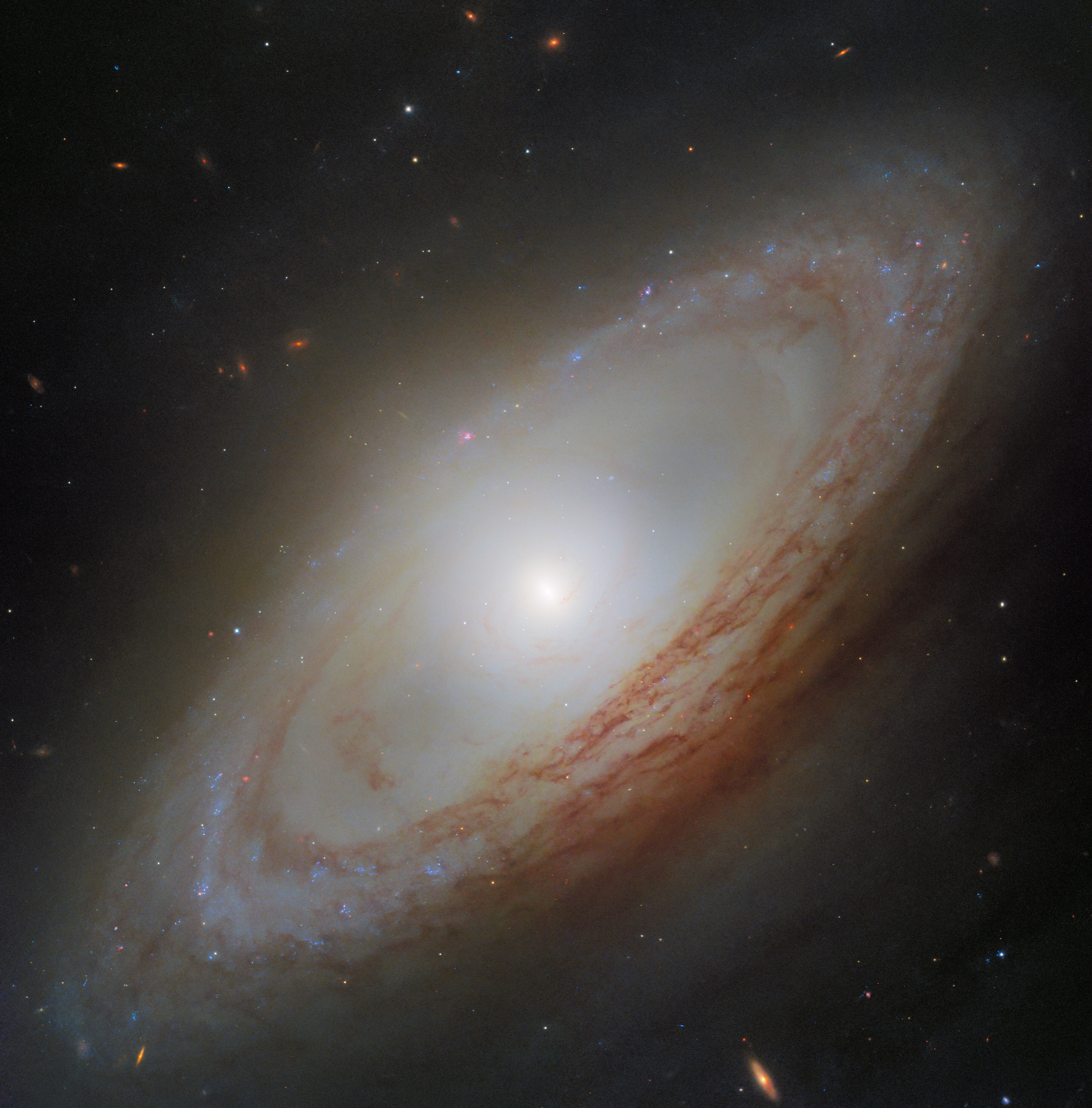
Modern galaxy evolution theory requires massive stars to inject energy and momentum into gas to produce realistic star formation histories. Despite decades of UV–radio surveys highlighting ubiquitous galactic winds, uncertainties in outflow geometry, ionization structure, and density yield mass‐flux estimates uncertain by factors of 3–10. Technological advances have provided a key solution: spatially-resolving the mass ejected. I will present observations of the spatial density structure of M82, and galactic outflows at redshift 6 that underscore the challenges of estimating mass outflow rates. These observations highlight the opportunity for future instrumentation to reveal how galactic outflows shape their hosts.
Seminar information can be found here.
Please join the DGCE SIG email list.
Recording and slides for past seminars will be made available on the DGCE SIG events page
News Straight to Your Inbox
Subscribe to your community email news list
We will never share your email address.
