








Discovery of a Starless Galaxy Reported at AAS
7 January 2026
NASA Press Release
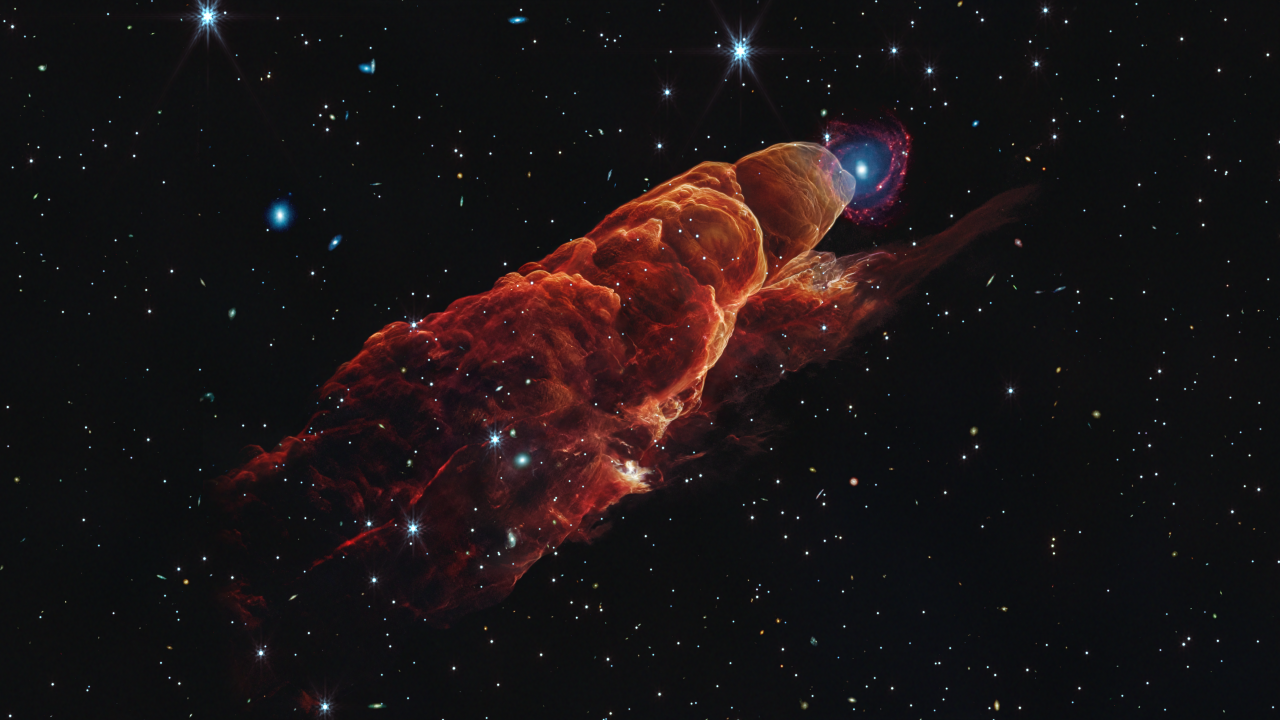
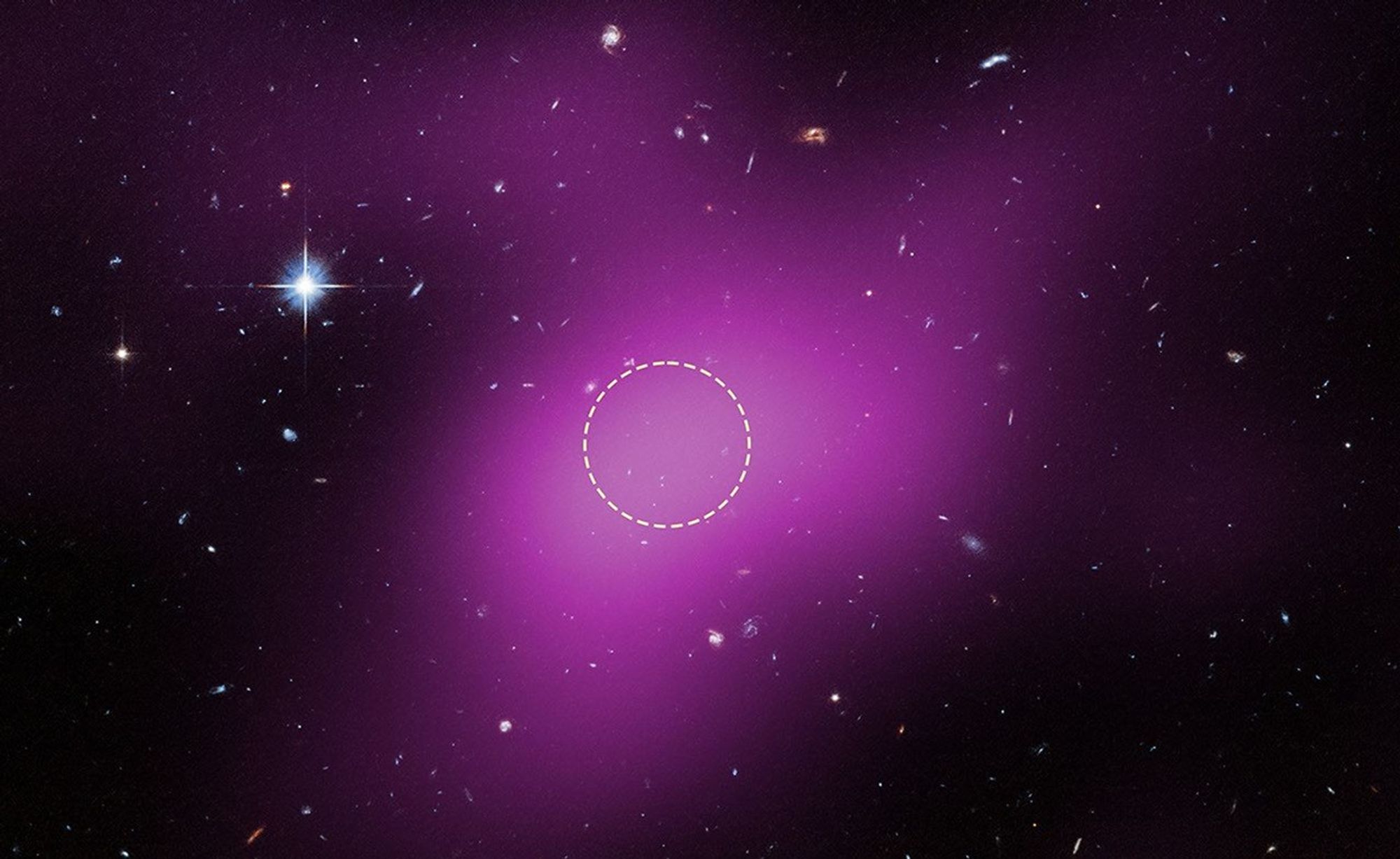
NASA’s Hubble Examines Cloud-9, First of New Type of Object
COPAG Executive Committee member Rachael Beaton shared the discovery of a starless galaxy during a press conference at the American Astronomical Society meeting in Phoenix.
This galaxy, named Cloud-9, was first discovered using radio telescopes. Follow-up observations with the Hubble Space Telescope searched for, and failed to find, stars commensurate with the radio-emitting gas. Such galaxies have long been theorized, and are thought to be mainly composed of dark matter.
The discovery of this relic cloud was a surprise. “Among our galactic neighbors, there might be a few abandoned houses out there,” said STScI’s Rachael Beaton, who is also on the research team.
Results have been published in the Astrophysical Journal Letters, see here.
The 247th Meeting of the AAS
The 247th Meeting of the American Astronomical Society (joint with the Historical Astronomy Division) will be held 4-8 January 2026 in Phoenix, Arizona.
Learn More
News Straight to Your Inbox
Subscribe to your community email news list
We will never share your email address.