























RESCHEDULED: Habitable Worlds Observatory Seminar Oct 30, 2024
11 October 2024
Due to a technical issue, the HWO Seminar Series talk originally scheduled for October 9, 2024, has been rescheduled to October 30, 2024.
Introduction to the Habitable Worlds Observatory
Speaker
Aki Roberge, NASA/GSFC
Abstract
Humans have long wondered if there were worlds around other stars — and life on those worlds. Over the last two decades, astronomers have found that the answer to the first question is a resounding YES. Those accomplishments have put us in a position to possibly answer the second question. The 2020 US Astrophysics Decadal Survey laid out a path to the first telescope that can find out if truly Earth-like exoplanets are common or rare and search them for signs of life, while performing a wide range of transformative astrophysics studies and Solar System observations.
NASA has dubbed that space telescope the Habitable Worlds Observatory (HWO). This presentation will briefly introduce HWO’s scientific goals and planned technical capabilities. I’ll then move on to NASA’s current efforts to mature the HWO mission concept, highlighting key activities. Science, technology, engineering, and many other areas must band together in the journey to realize this revolutionary endeavor.
The Scientific Potential of Habitable Worlds Observatory
Speaker
Giada Arney, NASA/GSFC
Abstract
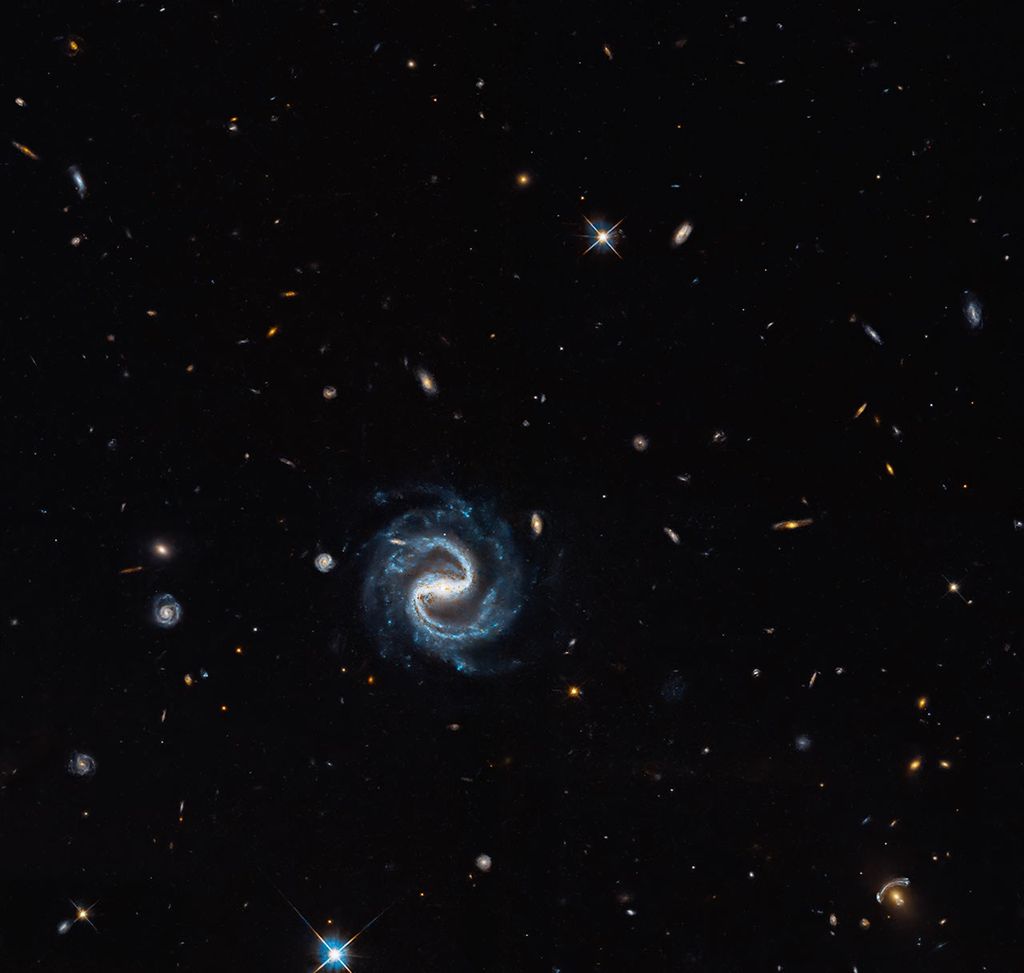
The Habitable Worlds Observatory (HWO) is a future NASA flagship observatory following in the tradition of other transformative space-based observing platforms such as Hubble and the James Webb Space Telescope. Due to its large aperture primary mirror, powerful instrument suite, and broad wavelength coverage in the ultraviolet, visible, and infrared, the science capabilities of HWO will be broad and deep. Its major goals will include searching for signs of life on Earth-like exoplanets, understanding the origin of galaxies, studying the cycling of matter in our universe, placing our solar system in a broader cosmic context, and more. The presentation will briefly introduce HWO’s major science capabilities across astrophysics and planetary science. HWO will be capable of addressing some of the biggest questions we have today — and questions we can’t yet think to ask.
NASA Habitable Worlds Observatory website
Connection Information will be posted before the event at this page.
News Straight to Your Inbox
Subscribe to your community email news list
We will never share your email address.
