












Suggested Searches

Blogs

    Expedition 74 Gears Up for First Spacewalk of 2026

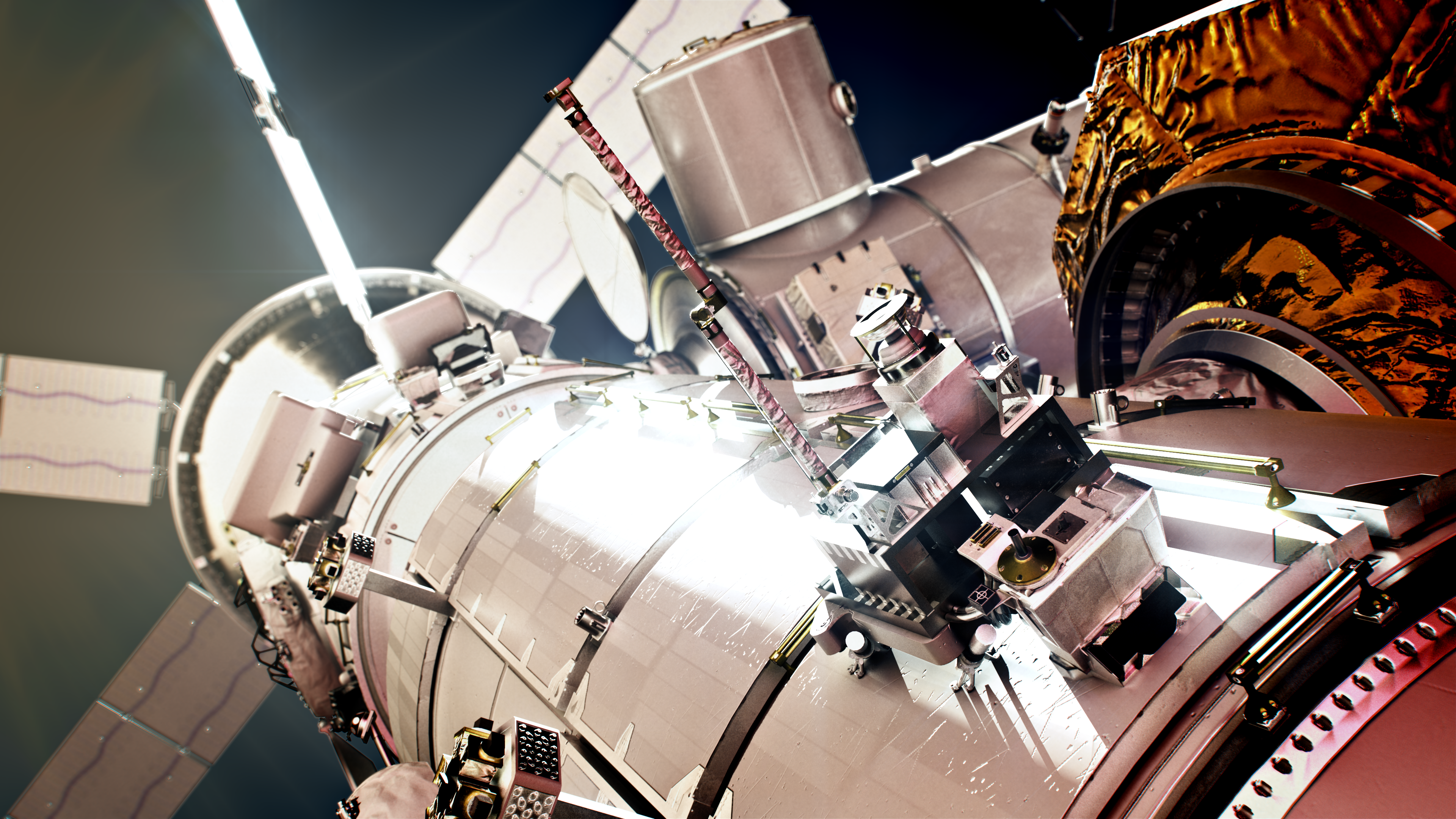
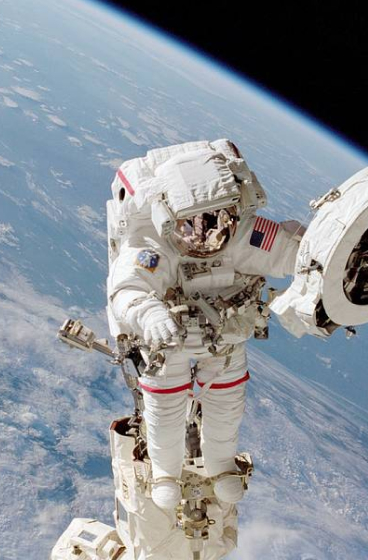
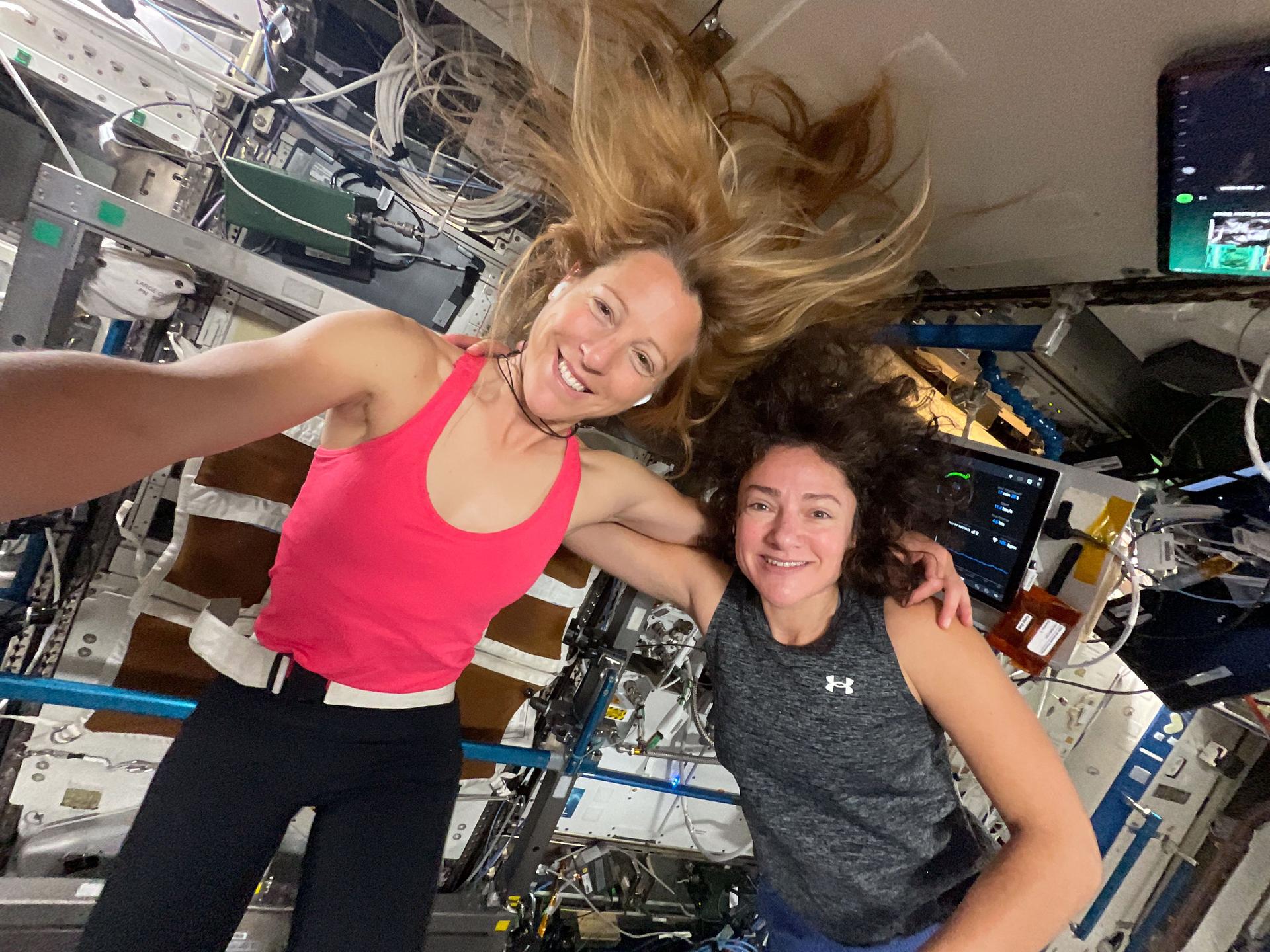
    The Expedition 74 crew is gearing up for the first spacewalk of 2026 this week that will see two astronauts prepare the International Space Station for a new set of roll-out solar arrays. The orbital residents also had time on Monday to conduct microgravity research, pack a U.S. cargo craft, and maintain communications and life support systems.

    Read Full Post

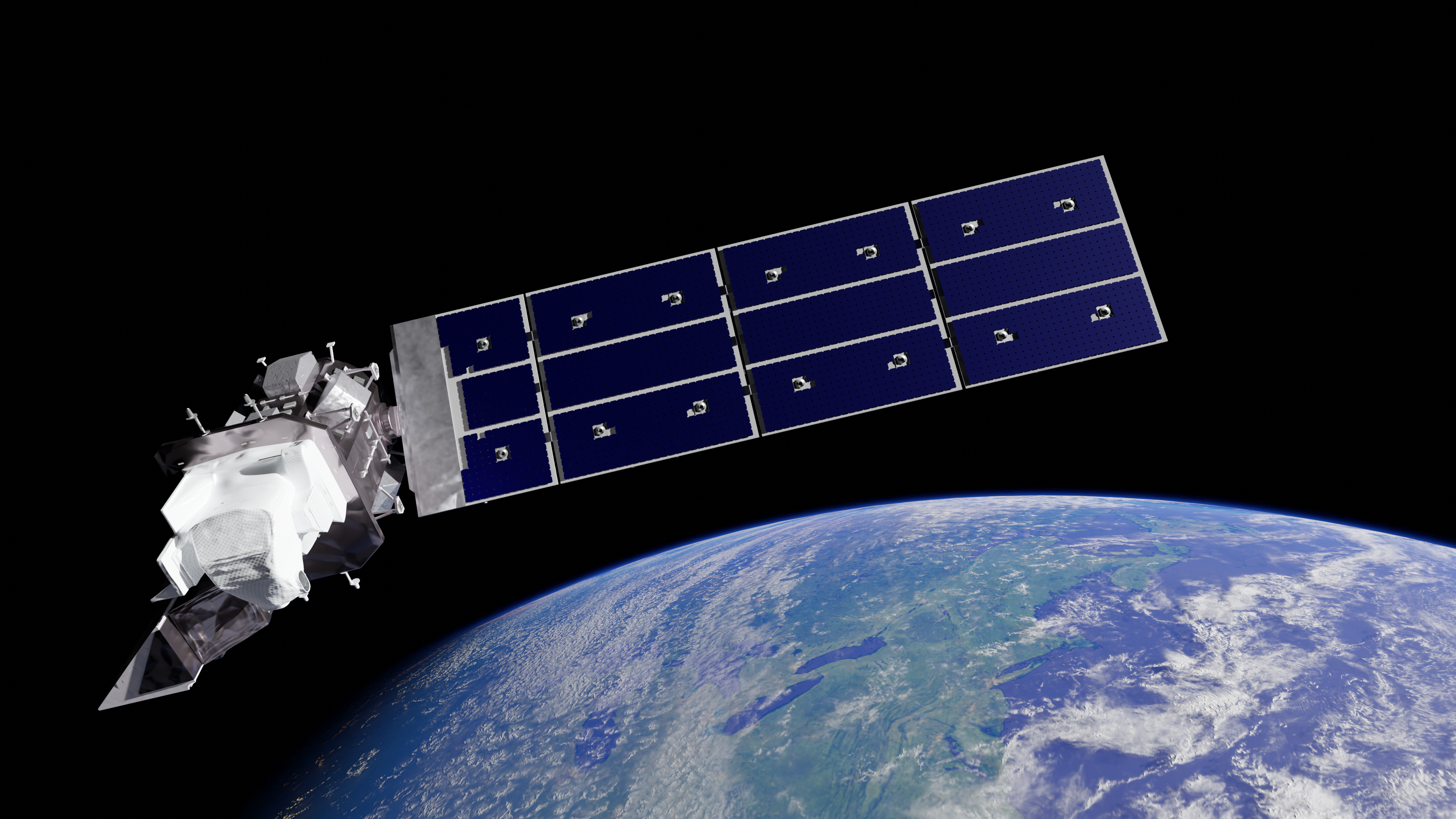
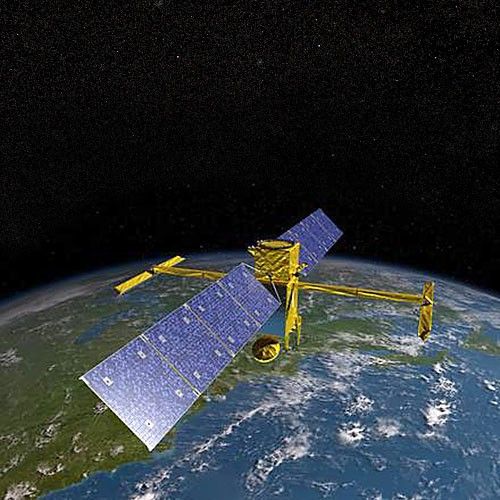
    NASA-French SWOT Satellite Provides Global Estimate of River Discharge

    A map of the Earth with blue and green lines

    Science teams at NASA and the French space agency CNES (Centre National d’Études Spatiales) have released the first-ever global estimate of river discharge and suspended sediment, as observed from space, marking a new milestone in our ability to understand one of Earth’s most fundamental systems. Developed using data from the SWOT (Surface Water and Ocean […]

    Read Full Post

    NASA Works MAVEN Spacecraft Issue Ahead of Solar Conjunction

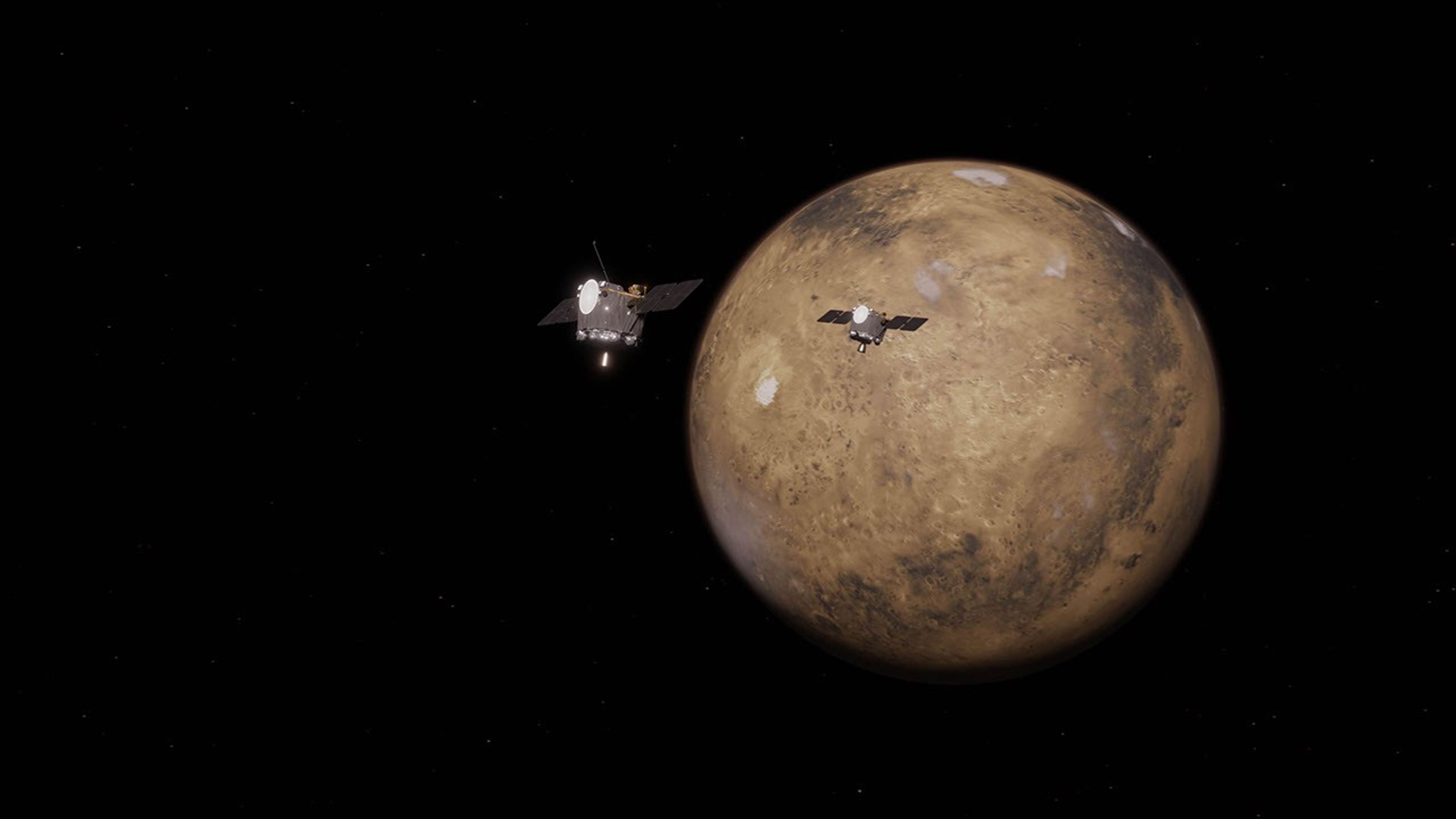
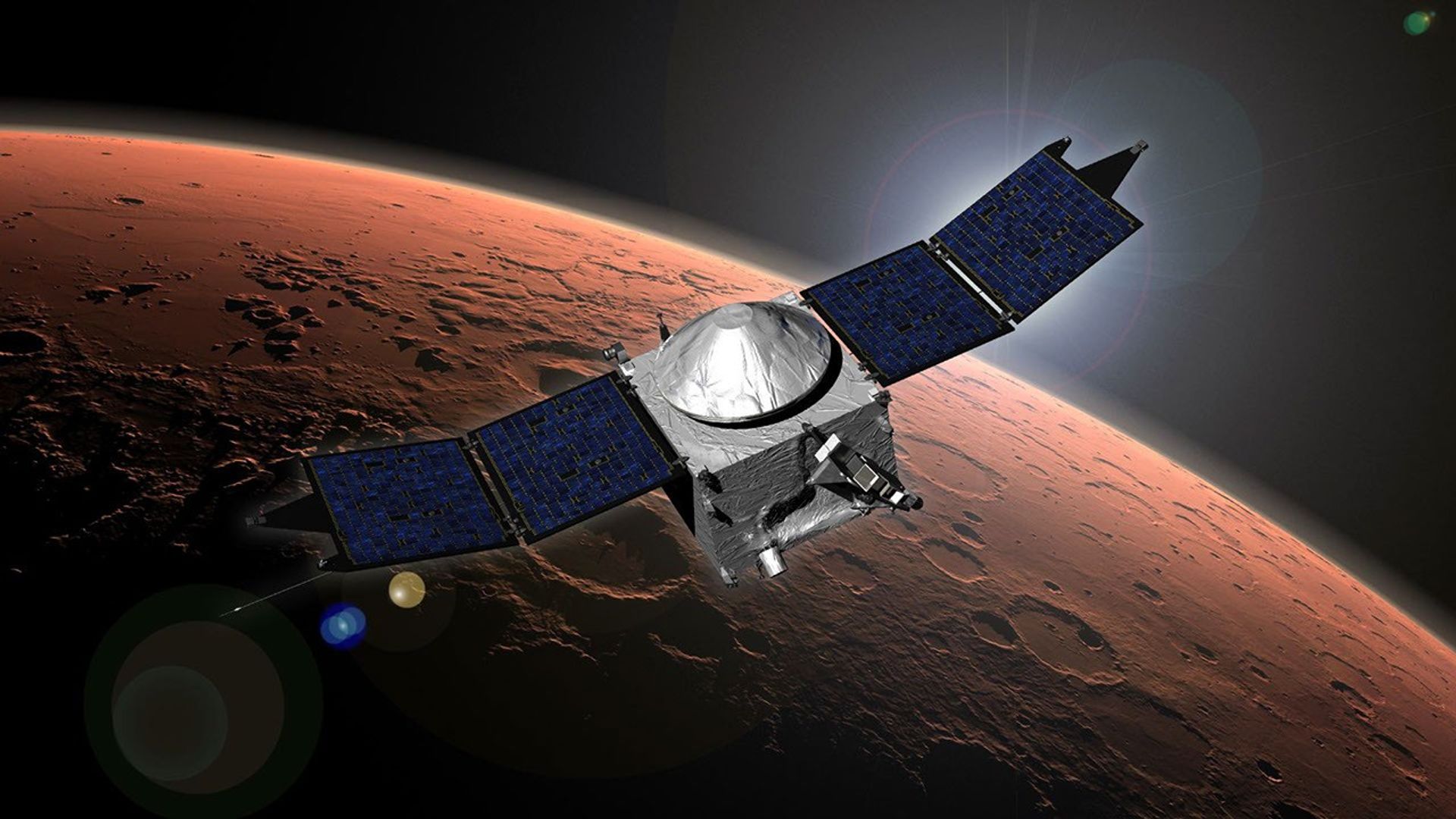
    This image shows an artist concept of NASA's Mars Atmosphere and Volatile Evolution (MAVEN) mission.
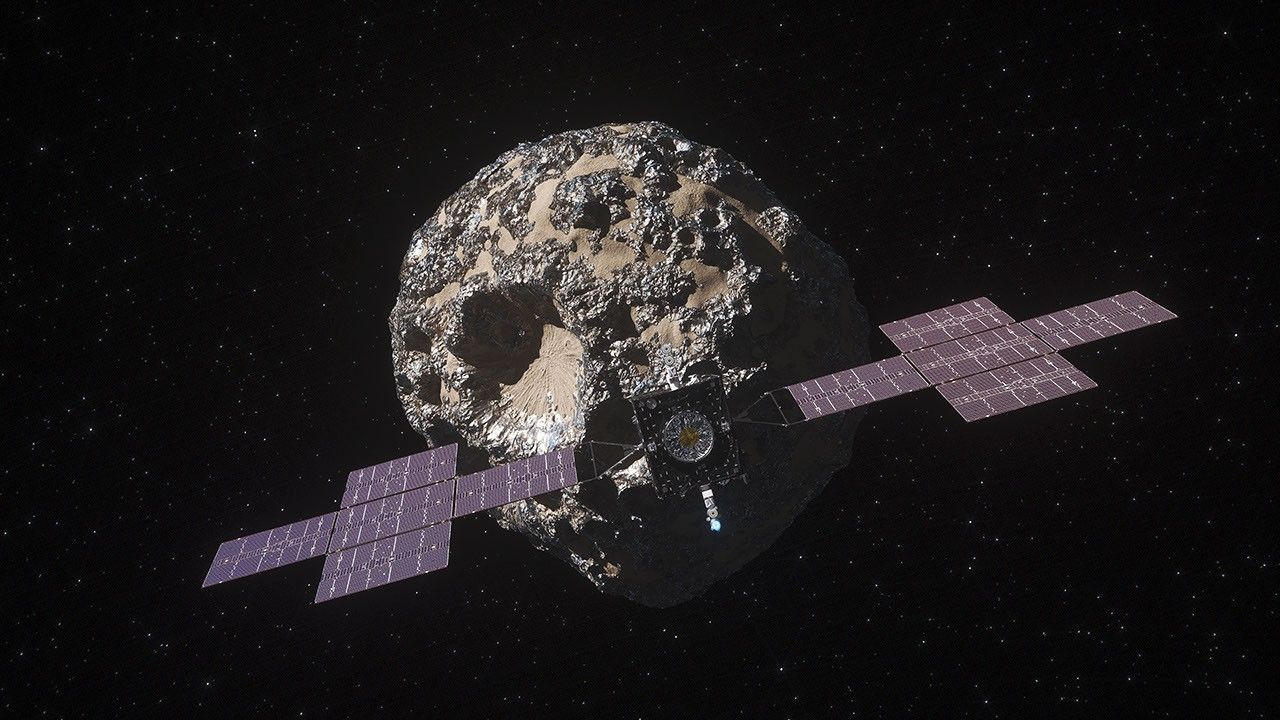
    NASA is continuing efforts to recontact its MAVEN (Mars Atmosphere and Volatile EvolutioN) spacecraft, which was last heard from on Dec. 6. In partnership with NASA’s Deep Space Network (DSN), the MAVEN team has sent commands for spacecraft recovery and is monitoring the network for a spacecraft signal. The MAVEN team also continues to analyze […]

    Read Full Post

    NASA Shares SpaceX Crew-12 Assignments for Space Station Mission

    As part of NASA’s SpaceX Crew-12 mission, four crew members from three space agencies will launch no earlier than Sunday, Feb. 15, 2026, to the International Space Station for a long-duration science expedition. NASA astronauts Jessica Meir and Jack Hathaway will serve as spacecraft commander and pilot, respectively, and will be accompanied by ESA (European Space Agency) astronaut Sophie […]

    Read Full Post

    NASA’s Parker Solar Probe Observes Interstellar Comet 3I/ATLAS

    Comet 3I/ATLAS appears as a small point of light near the center of the frame against a processed background of stars

    NASA’s Parker Solar Probe observed interstellar comet 3I/ATLAS from Oct. 18 to Nov. 5, 2025, with its WISPR (Wide-Field Imager for Solar Probe) instrument. The spacecraft snapped around 10 images of the comet per day. During this period, Parker Solar Probe was speeding away from the Sun following its 25th solar flyby on Sept. 15.  […]

    Read Full Post

    Second Scientific Balloon for NASA Launches from Antarctica

    The second scientific balloon flight for NASA’s Antarctic scientific balloon campaign has reached its float altitude of 120,000 feet after lifting off from the agency’s facility located near the U.S. National Science Foundation’s McMurdo Station on the Ross Ice Shelf at 5:56 a.m. NZST, Saturday, Dec. 20 (11:56 a.m., Friday, Dec. 19 in U.S. Eastern […]

    Read Full Post

    Brain Research, Heart Health Wrap Up Work Week Aboard Station

    The Expedition 74 crew explored how living in space affects the brain and blood circulation on Friday to ensure crews stay healthy and ensure long-term mission  success. The International Space Station residents also focused on spacewalking tools and science hardware maintenance wrapping up the week.

    Read Full Post

    NASA’s PUNCH Spies Comet Lemmon

    A black-and-white image shows a comet against a background of stars. At the top is a date and time stamp that reads 20251031 024829 UTC. Along the bottom and left sides are markers showing Right Ascension and Declination coordinates, respectively. A faint white tail stretches up and to the left away from the comet's bright white head, or coma, at the center of the image.

    In late 2025, as comet Lemmon (C/2025 A6) swept past the Sun and brightened in Earth’s night skies, NASA’s Earth-orbiting PUNCH (Polarimeter to Unify the Corona and Heliosphere) mission was watching the comet blaze through its field of view, providing a natural tracer of the Sun’s effects across the inner solar system. Discovered in January […]

    Read Full Post