

















NASA’s Eyes software: October release notes
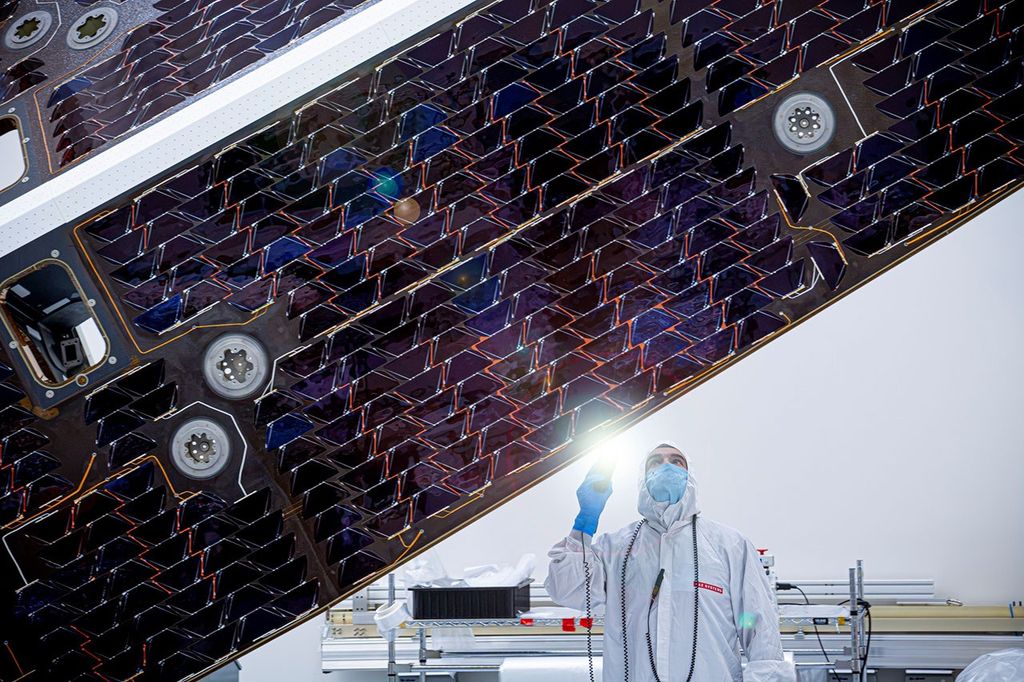
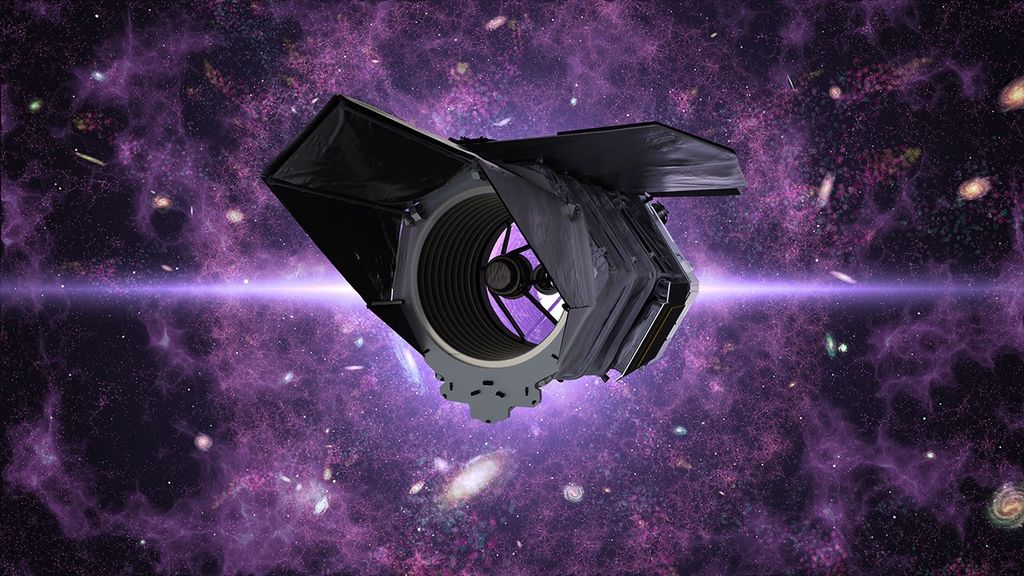
On October 28, 2026, a new version of Eyes on Exoplanets was released. This release added the new Nancy Grace Roman Space Telescope, which is expected to find thousands of new exoplanets.
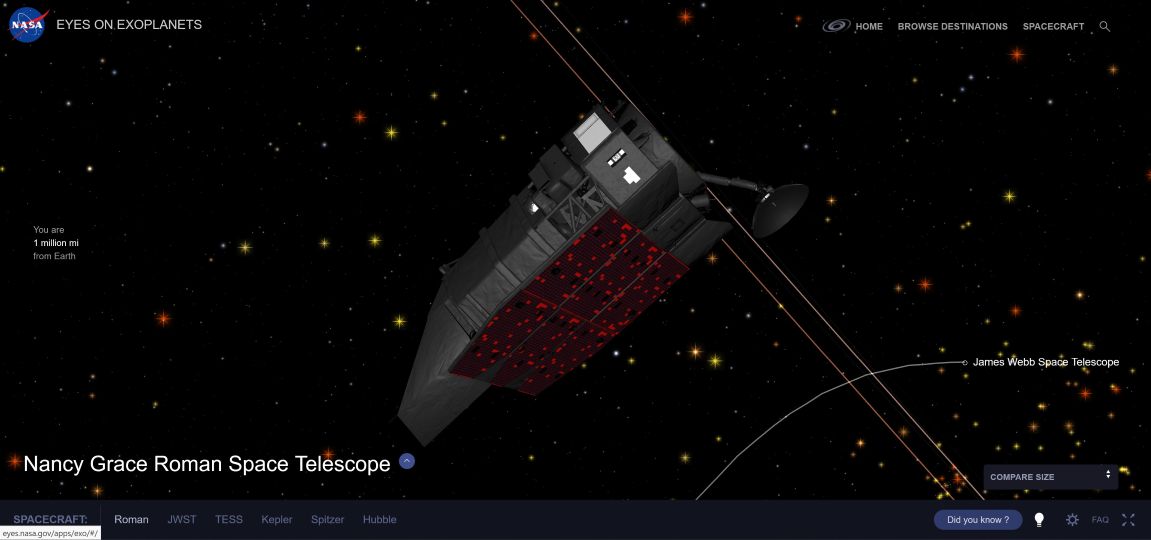
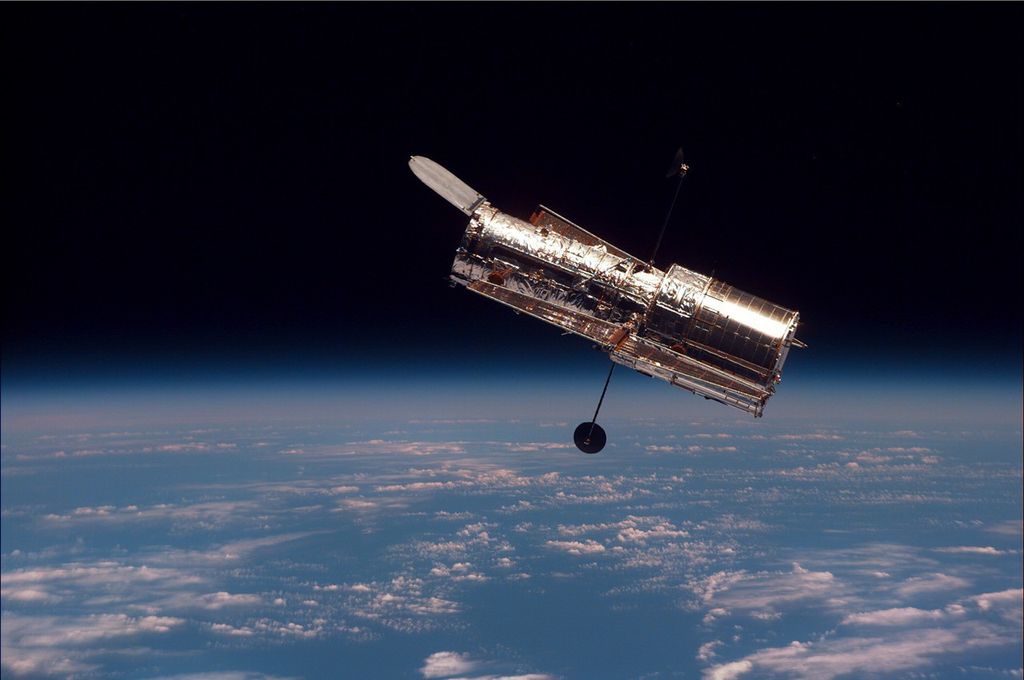
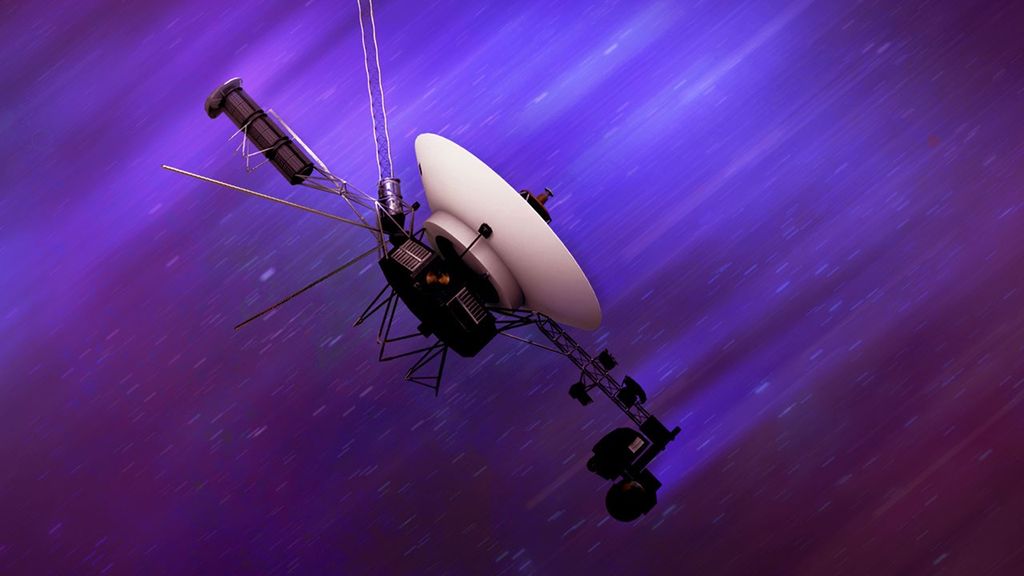
When accessing Eyes on Exoplanets from your mobile phone, you can use the augmented reality feature to place the spacecraft in your own living room or kitchen. The menu option will automatically appear for any of the six spacecraft featured in the app, inviting the user to “View in your space”. Just point the mobile device to a flat surface and the spacecraft will appear on the surface. You can size it up and down by pinching to zoom, and also rotate it by using two fingers to twist. Once you have the spacecraft in position, there is an option to take a picture, which you can then share.
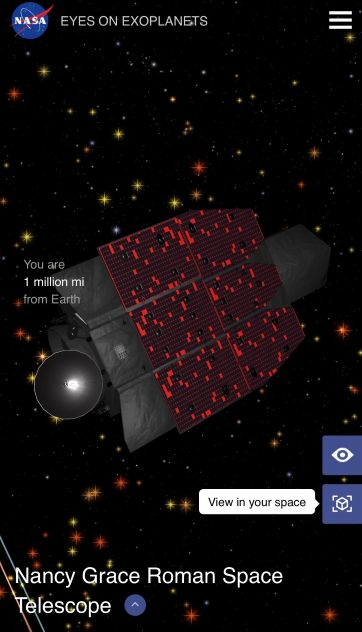
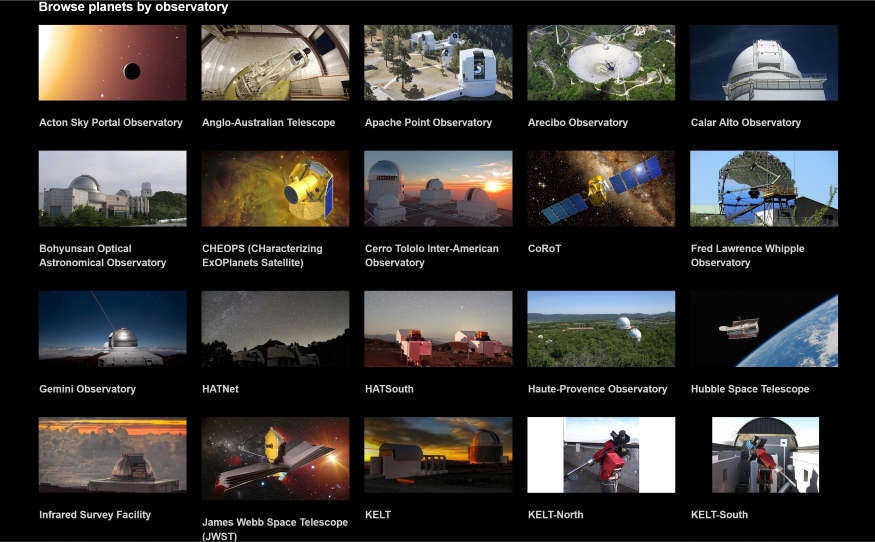
Other improvements in this release include adding the James Webb Space Telescope to the observatory list. You can sort all of the exoplanets as filtered by the observatory that discovered them by selecting Browse Destinations –> Observatory, and then find the observatory you are interested in. James Webb has already directly imaged exoplanets and discovered several.
All pulsars with exoplanets are now available for viewing as well, in addition to numerous bug fixes and upgrades.
