
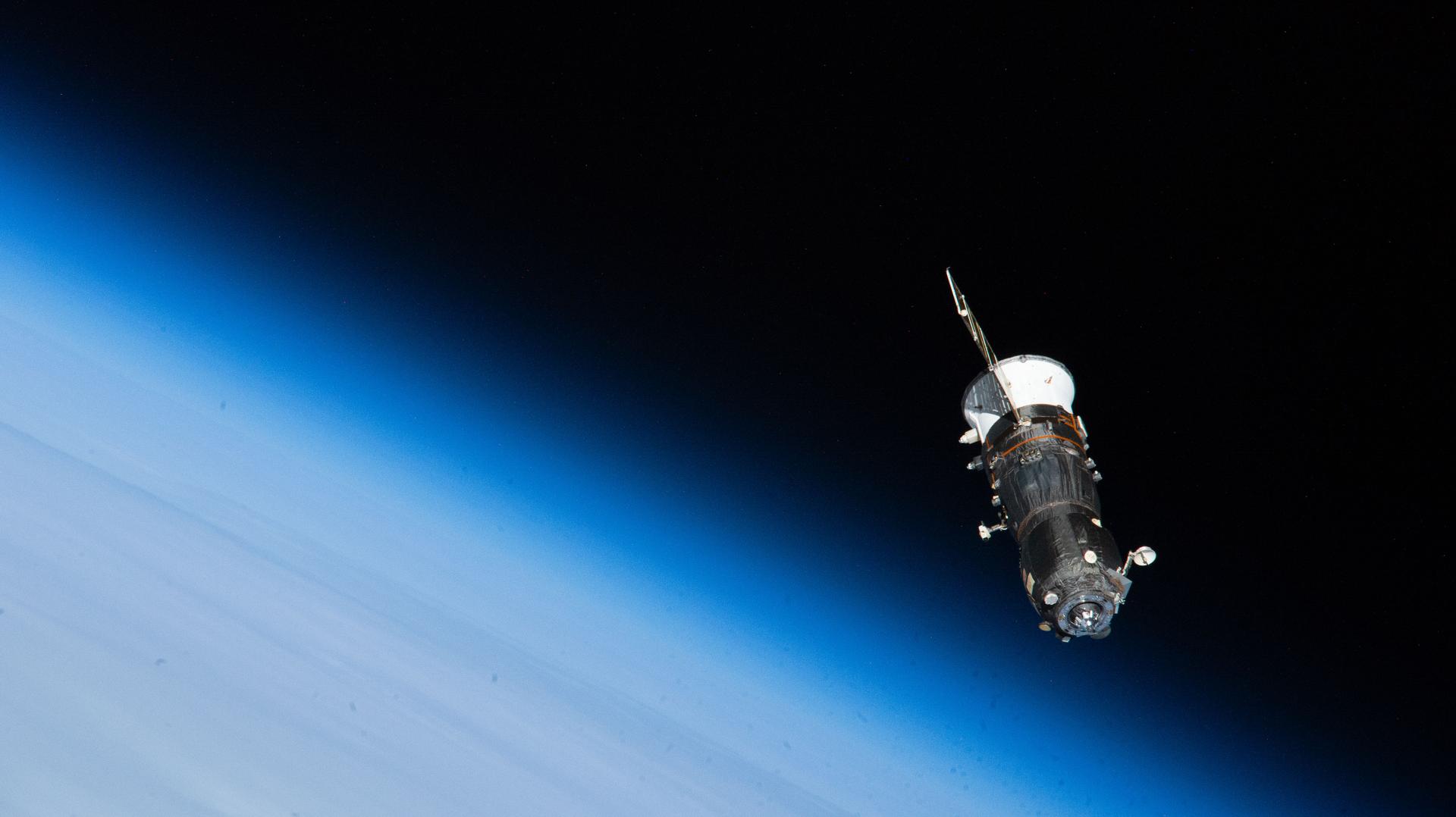
The Roscosmos Progress 96 spacecraft docked to the space-facing port of the International Space Station’s Poisk module at 9:44 a.m. EDT Saturday.
Progress 96 Cargo Spacecraft Docks to Station to Resupply Crew



























The Roscosmos Progress 96 spacecraft docked to the space-facing port of the International Space Station’s Poisk module at 9:44 a.m. EDT Saturday.
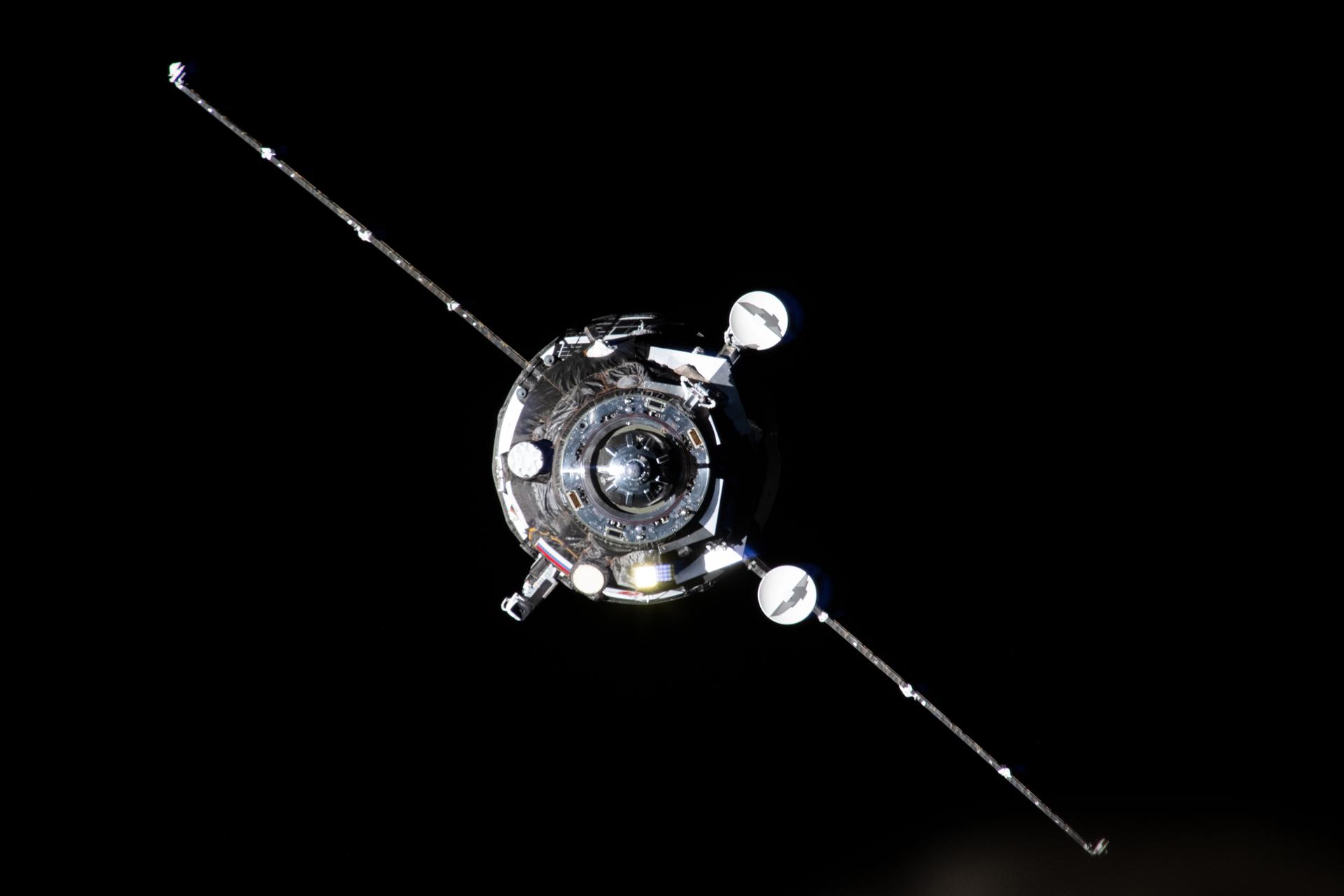
NASA is streaming live rendezvous and docking coverage as the Roscosmos Progress 96 cargo spacecraft makes its way to the International Space Station. Watch online at: https://www.nasa.gov/live

Expedition 75 wrapped up its week completing a lead-free soldering experiment, simulating a lunar landing, and exercising for research, among other advanced science activities. The International Space Station residents are also preparing for the arrival of a cargo mission and continuing housekeeping duties.

The crew of NASA’s SpaceX Crew-13 mission entered quarantine late Thursday at the agency’s Johnson Space Center in Houston. Mission preparations continue as NASA and SpaceX target an early October launch to the International Space Station. As part of routine prelaunch quarantine, NASA astronauts Jessica Watkins and Luke Delaney, CSA (Canadian Space Agency) astronaut Joshua Kutryk, […]
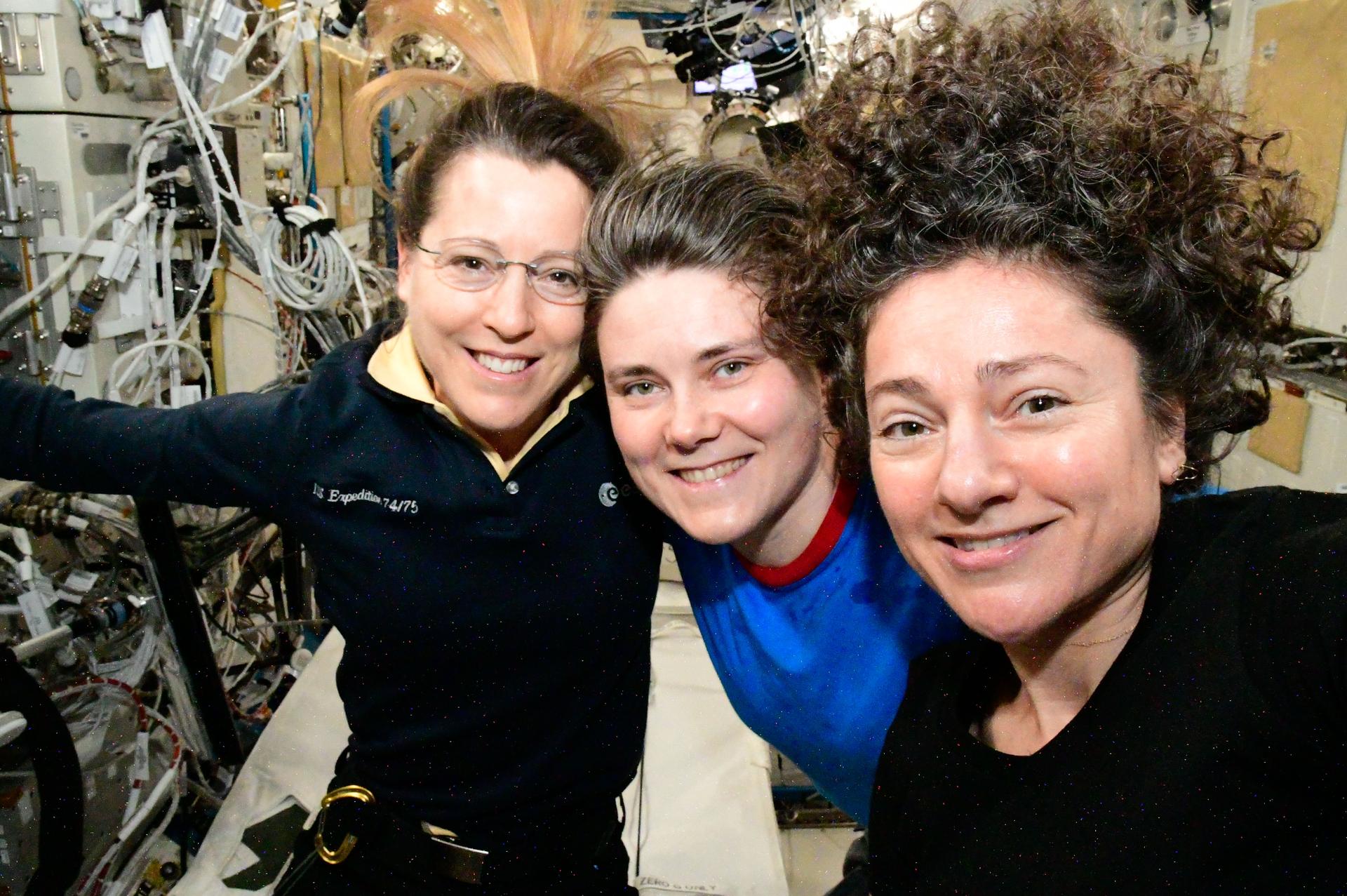
Circuit board soldering, spacesuit maintenance, and cargo mission operations topped the schedule for the Expedition 75 crew aboard the International Space Station on Thursday. The orbital residents also worked on cardiac research, virtual reality tests, and housekeeping tasks throughout the day.

CASCADES is an international, multidisciplinary expedition bringing together glaciologists, marine-mammal observers, microbiologists, geologists, and biogeochemists.

New supplies are on their way to the International Space Station after launching aboard a Progress 96 cargo spacecraft at 9:33 a.m. EDT on Wednesday. Progress 96 will arrive Saturday for an automated docking to the Poisk module at 9:46 a.m. EDT bringing nearly three tons of food, fuel, and cargo to the Expedition 75 crew members.

The unpiloted Roscosmos Progress 96 spacecraft is safely in orbit and on its way to the International Space Station after launching at 9:33 a.m. EDT (6:33 p.m. Baikonur time) on a Soyuz rocket from the Baikonur Cosmodrome in Kazakhstan.
NASA is streaming live coverage of a Roscosmos cargo spacecraft launch carrying about three tons of food, fuel and supplies to the International Space Station. Watch online at: https://www.nasa.gov/live