








Suggested Searches

Blogs

  • NASA’s Roman Space Telescope Begins Integrated Operations for Launch

    Image shows a white clean room at Kennedy Space Center in Florida. A large metallic looking spacecraft is vertical on a cyclinder piece of hardware that is secured to a workstand with wheels. In the middle of the spacecraft is red, orange colored solar array panels.

    NASA’s Nancy Grace Roman Space Telescope is one step closer to its journey into deep space later this month, nine months ahead of schedule. Recently, teams at the Payload Hazardous Servicing Facility at NASA’s Kennedy Space Center in Florida began integration operations with SpaceX hardware ahead of encapsulation later this month. After attaching the Roman […]

  • NASA X-59 Explainer: Science of Sonic Booms 

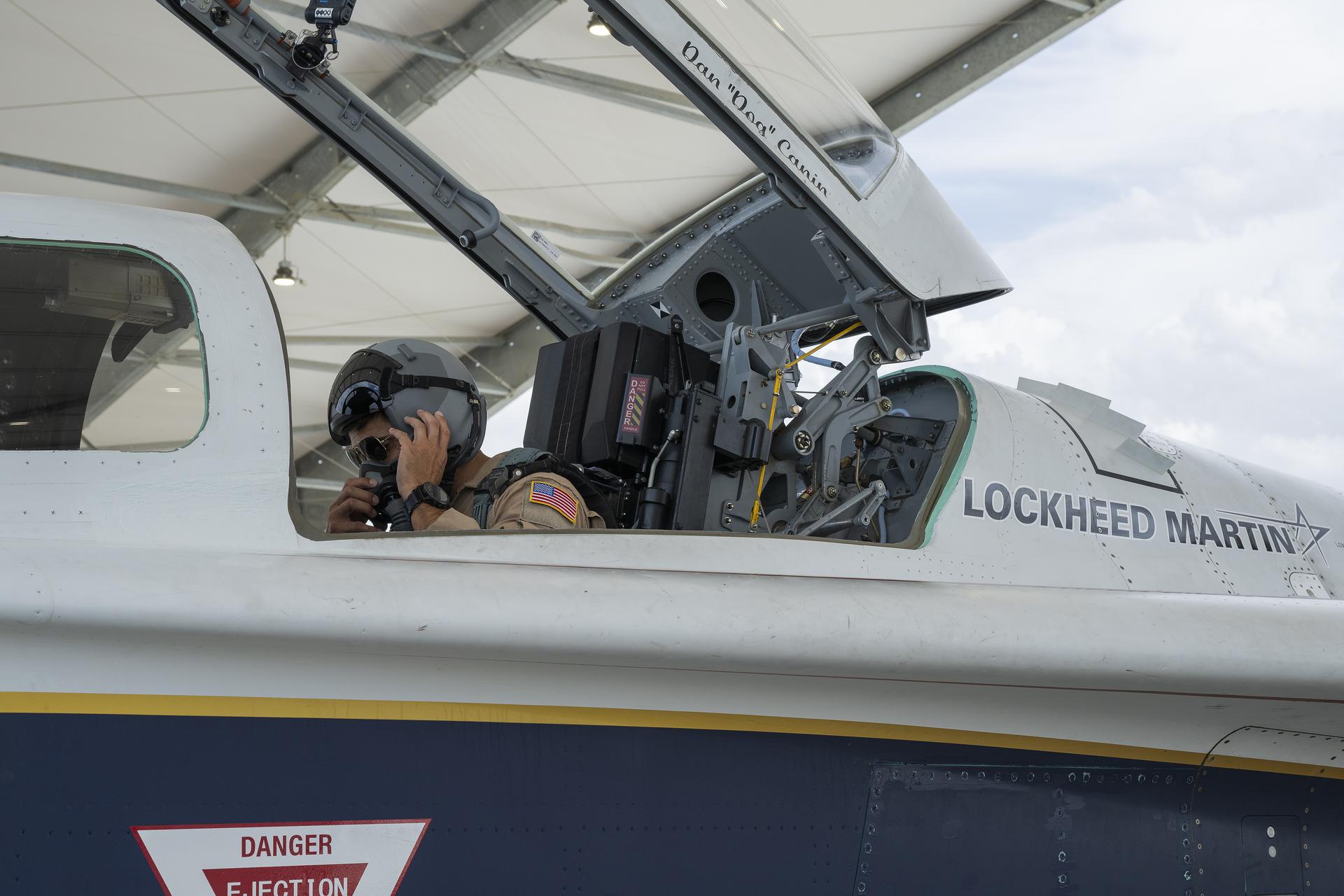
    The most common misconception about sonic booms is that they’re just the sound created at the moment when an aircraft “breaks the sound barrier.” In reality, a sonic boom is continuous, the audible evidence of invisible pressure waves forming as an aircraft travels faster than sound. As these waves travel toward the ground, they can merge, creating an explosive bang heard by everyone the aircraft passes over.  Sonic booms have been a problem since aircraft first began exceeding the speed of sound, or Mach 1, so disturbing to people below that for decades U.S. and international regulations banned commercial supersonic flight over […]

  • Space Station Crew Wraps Busy Week, Plans New Date for US Spacewalk 97

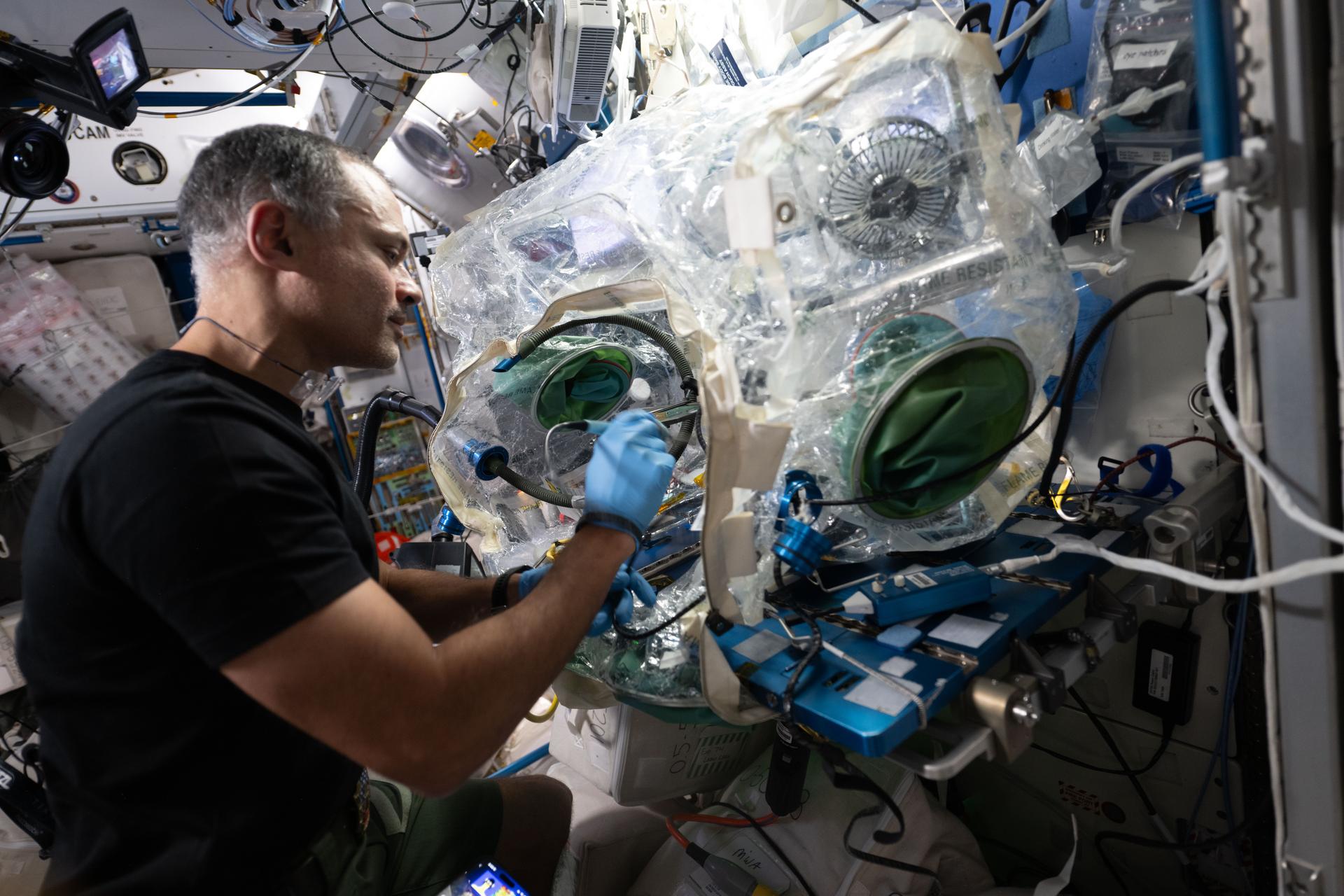
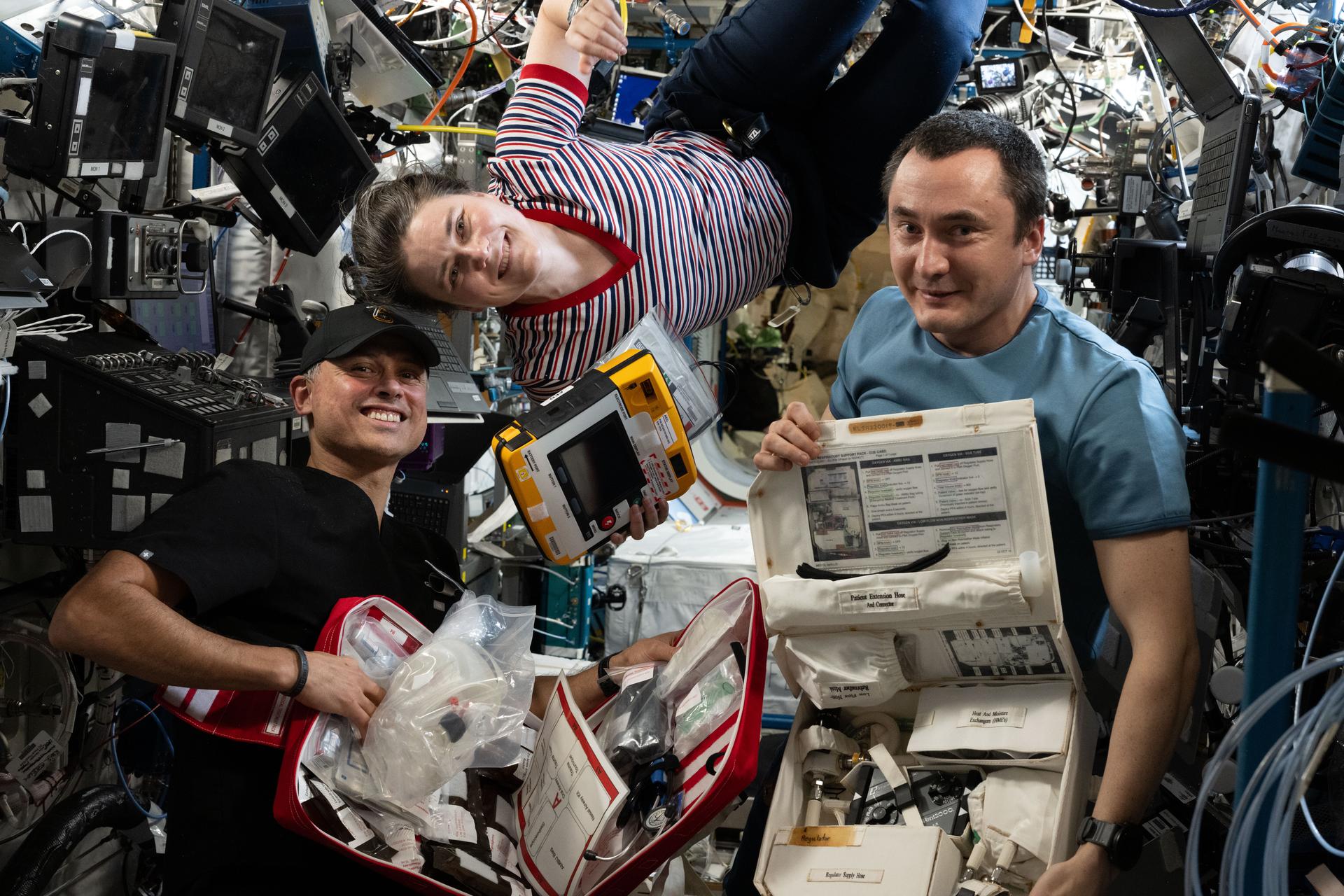
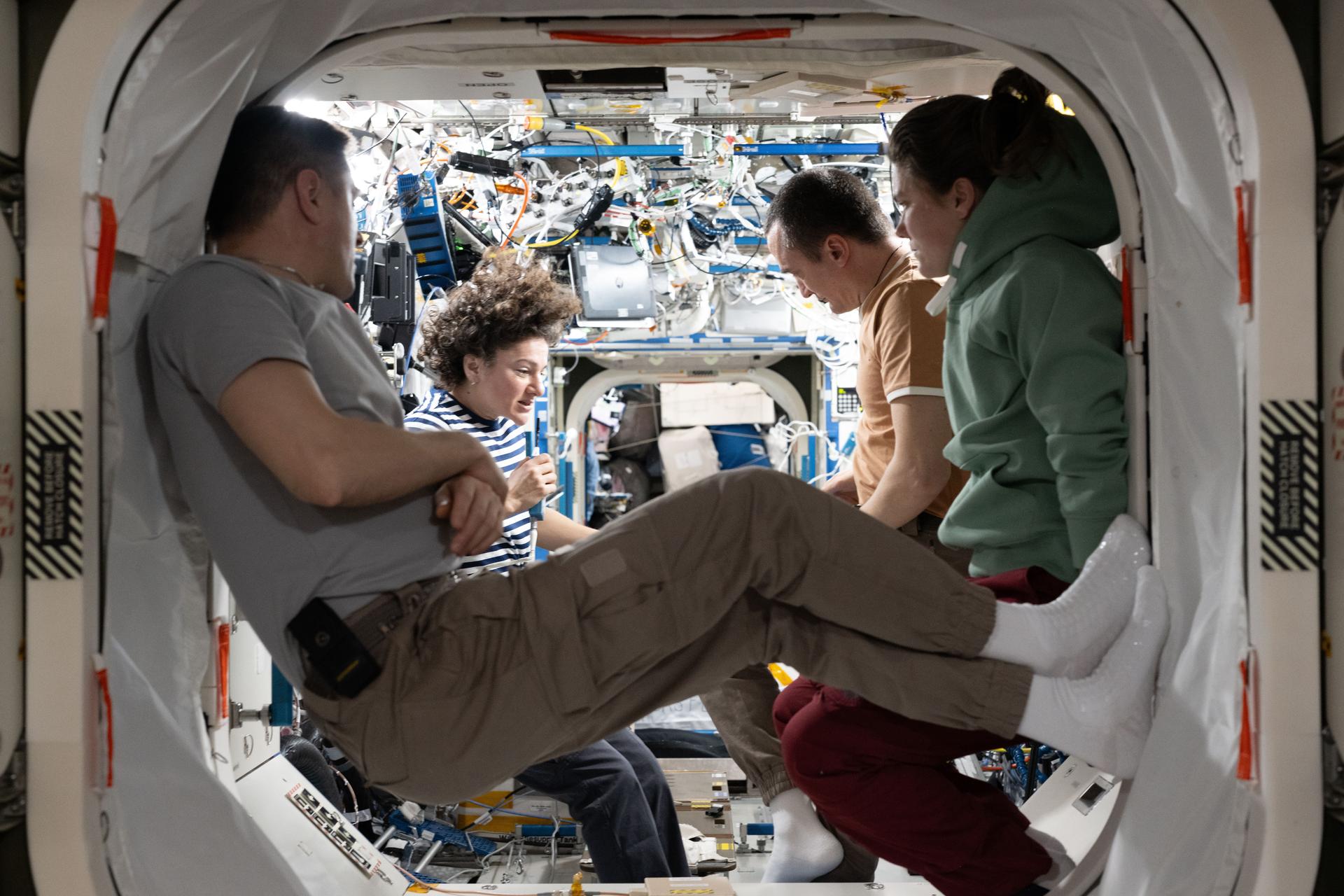
    On Aug. 6, NASA astronauts Jessica Meir and Anil Menon concluded a 6-hour, 27-minute spacewalk outside the International Space Station. Meir and Menon successfully completed their primary objective of preparing the 3B power channel for the future installation of a roll out solar array. Toward the end of the spacewalk, a carbon dioxide sensor on Menon’s spacesuit indicated an unexpected data reading. Menon reported no other issues during the spacewalk.

  • NASA’s IMAP Mission Releases New Data From 7 Science Instruments

    IMAP spacecraft artist's concept. The spacecraft is shown against a bright, rainbow background, representing data observations, overtop space

    Science data from NASA’s IMAP (Interstellar Mapping and Acceleration Probe) mission is now available. After its successful launch on Sept. 24, 2025, IMAP’s prime mission began a few months later, on Feb. 1.  All 10 instruments on IMAP have been successfully collecting data. While data from three of the instruments are not yet ready for […]