










STRIVE
Stratosphere Troposphere Response using Infrared Vertically-resolved light Explorer
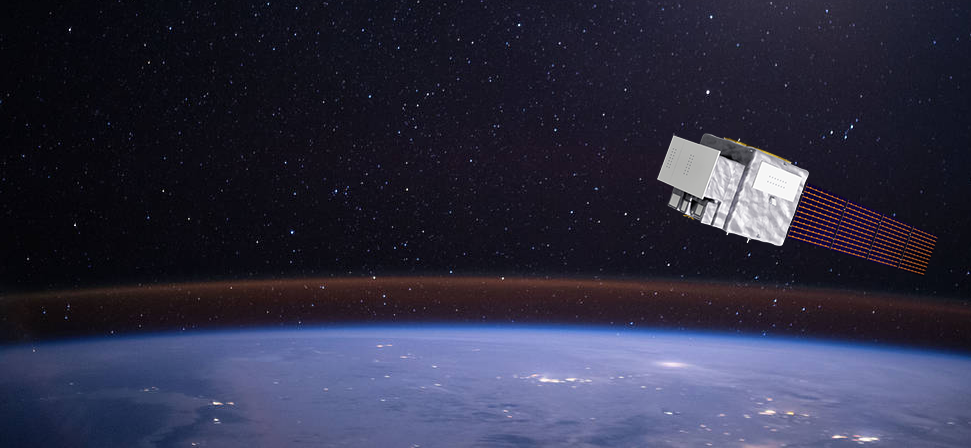
The STRIVE (Stratosphere Troposphere Response using Infrared Vertically-resolved light Explorer) mission doesn’t merely replace existing observations—it fills a critical data gap and opens a new window on stratosphere-troposphere interactions.
STRIVE will deliver the missing data required for smarter forecasts, advancing the next-generation of weather, climate, and air-quality forecasting models and extending predictive skills from days to seasons ahead. It will serve a wide range of users - from aviation and agriculture to public health and energy - who depend on accurate atmospheric data to make critical decisions.
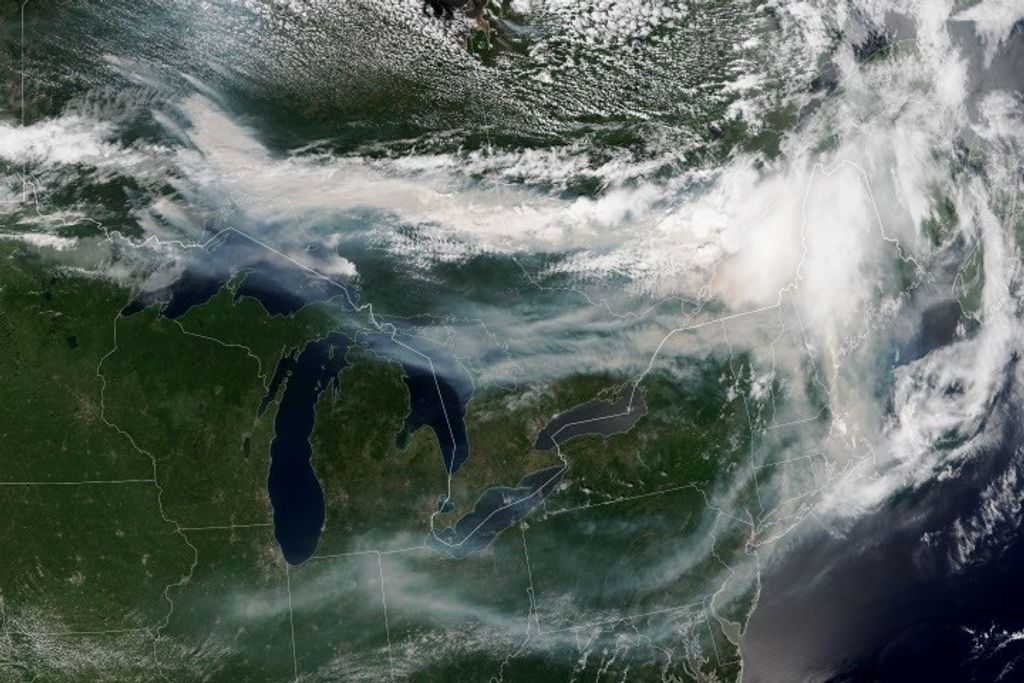
Track Global Pollution
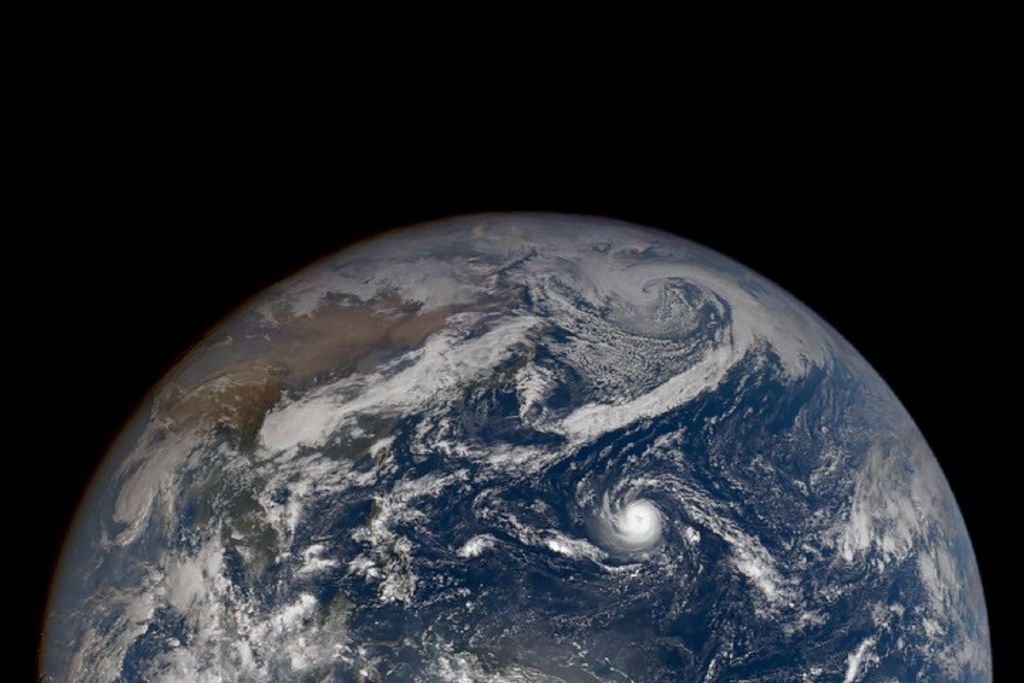
The critical data is used to track pollution high in the atmosphere, capturing how urban emissions, smoke, and dust spread far from their sources and influence atmospheric conditions globally.
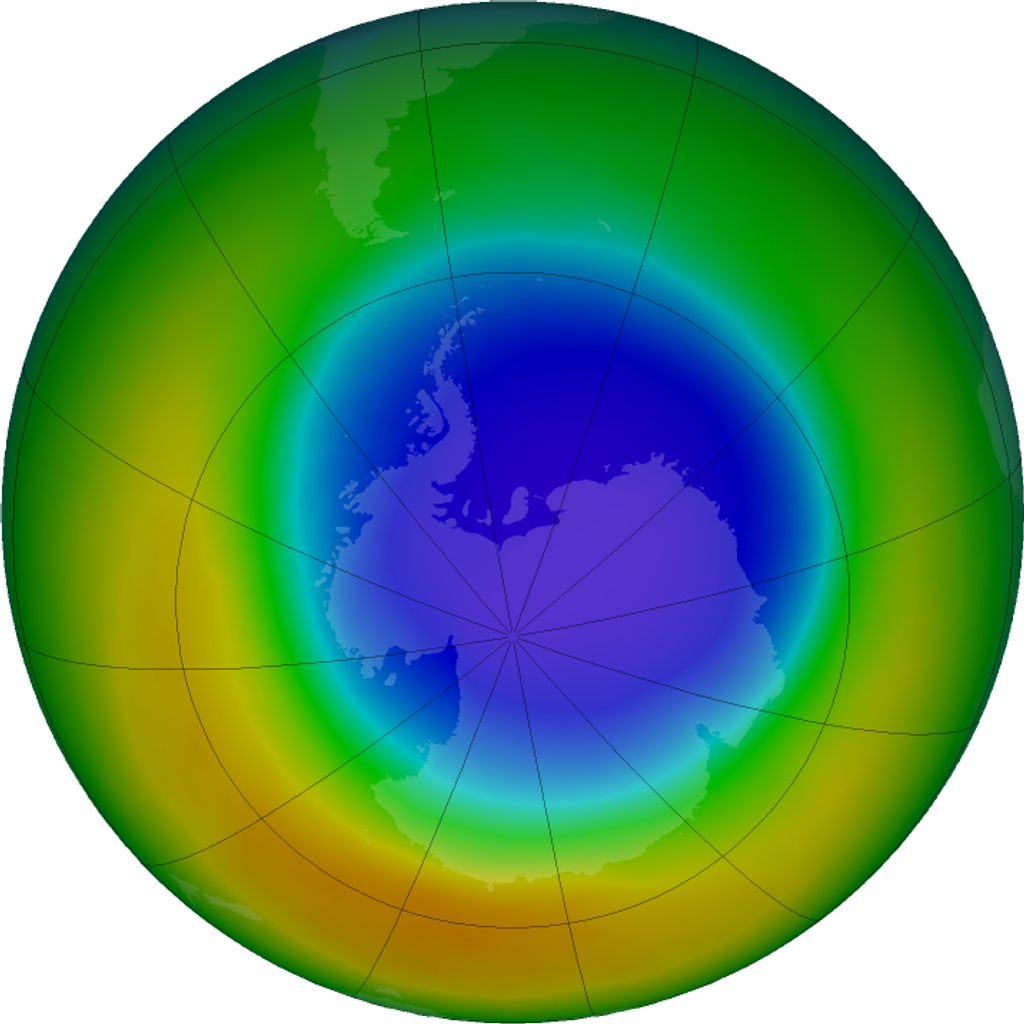
Understand and Protect our Ozone Layer
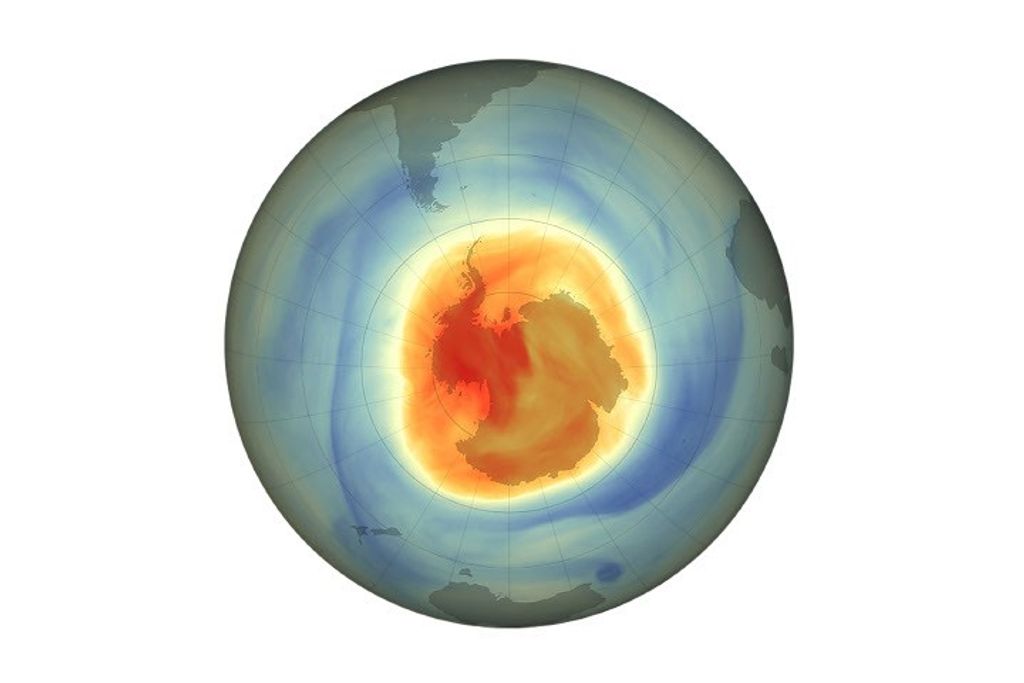
Fulfilling NASA’s duty to monitor ozone-destroying molecules and track how extreme events and circulation changes influence the recovery of the ozone layer that shields us from harmful ultraviolet radiation.
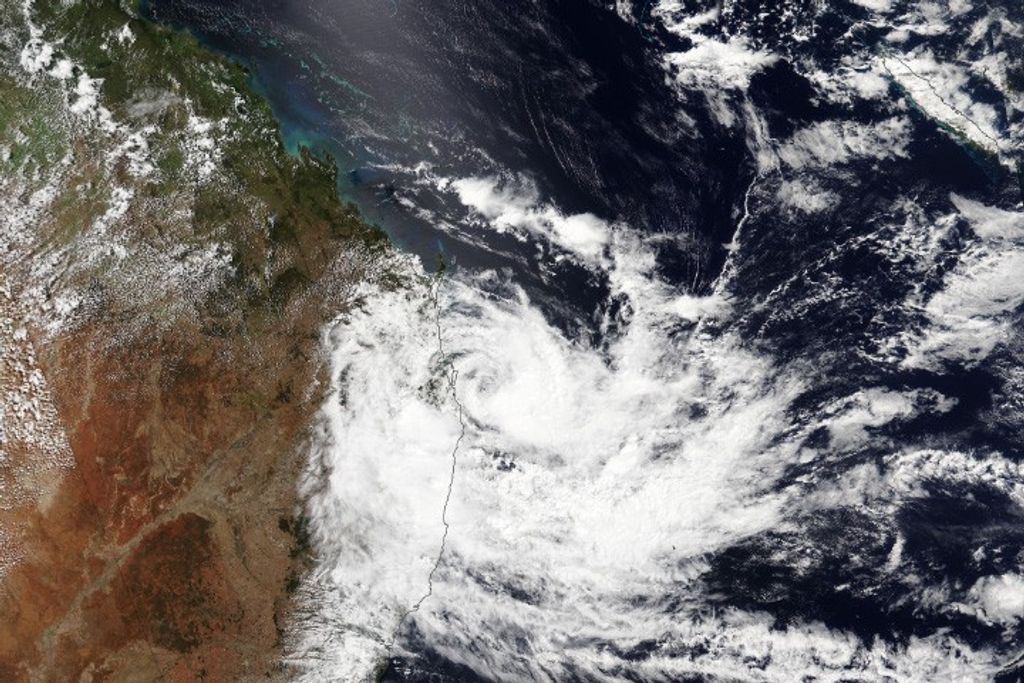
Improve Weather Forecasts
Delivering a better understanding of how stratospheric patterns signal extreme events such as floods, droughts, and heat or cold waves, improves our ability to predict disruptive weather from days to full seasons ahead.
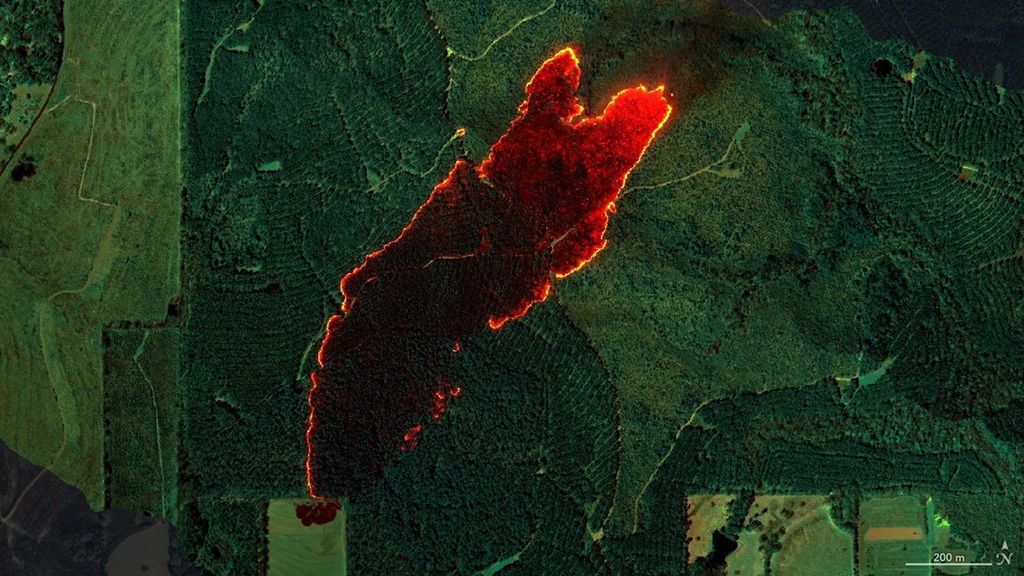
Monitor Wildfires
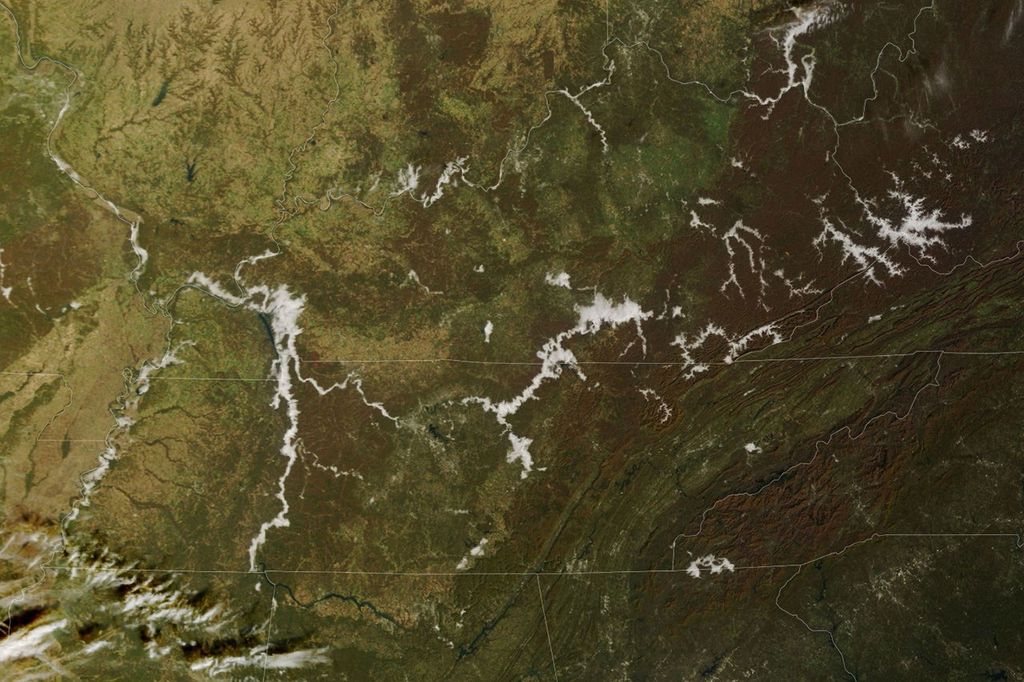
Identifying and mapping wildfire plumes is critical for public health because it enables real-time tracking of fine particulate matter and toxic gases. This data allows officials to issue timely air quality alerts, helping vulnerable populations take protective measures and reducing emergency room visits. Detecting volcanic ash, wildfire plumes and turbulence will be valuable information for aviation safety and planning.
Climate Predictions
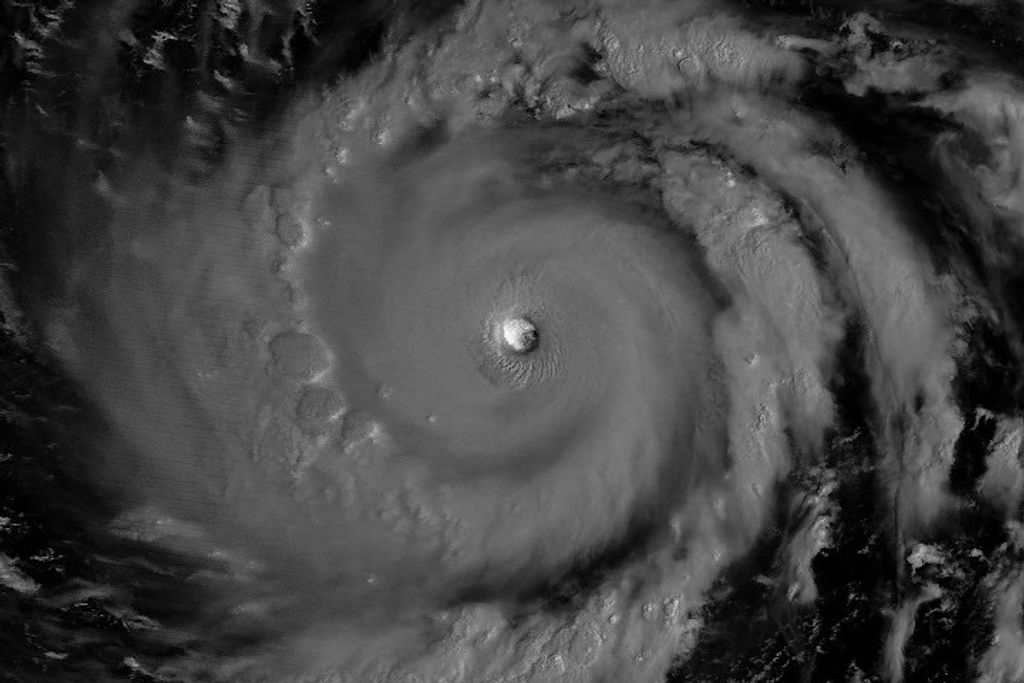
Providing the critical data next-generation models needed to capture the upper atmosphere amplifies or dampens change—improving forecasts and helping decision-makers create strategies in response to our changing atmosphere.
Spacecraft and Instruments
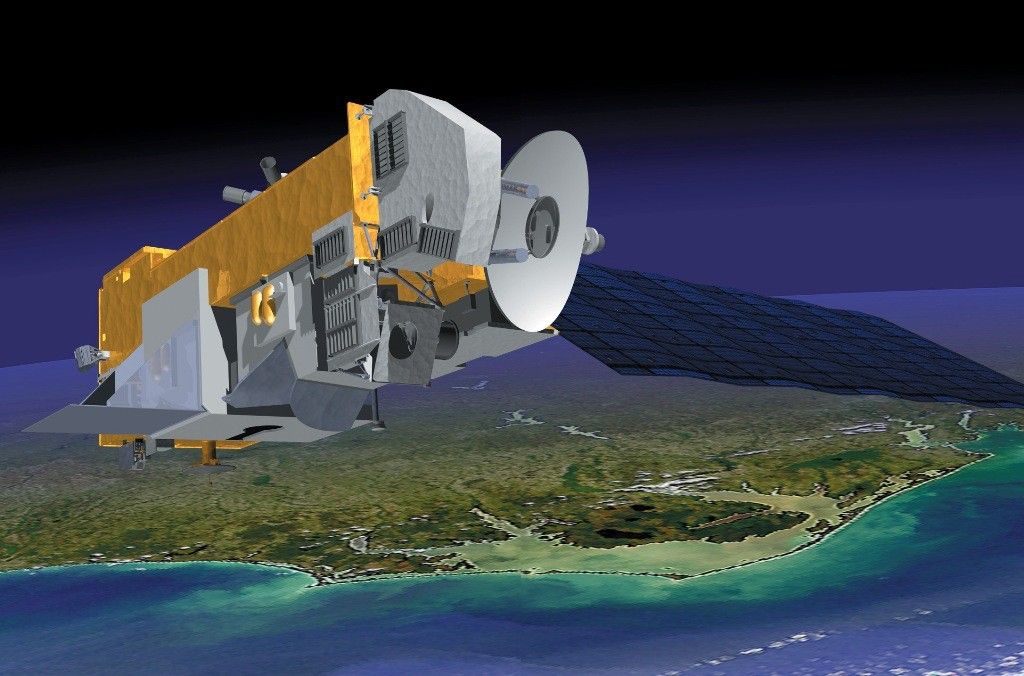
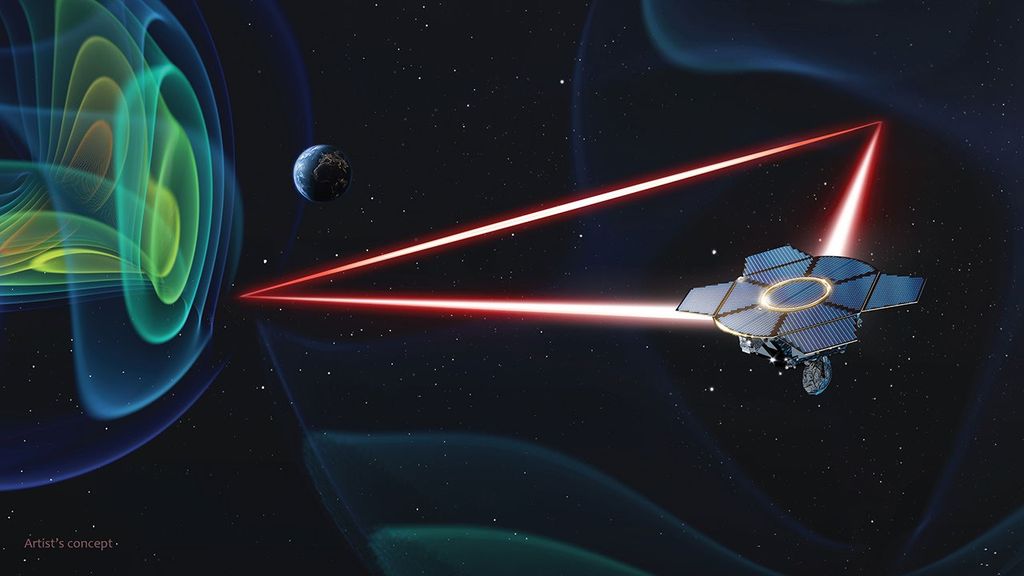
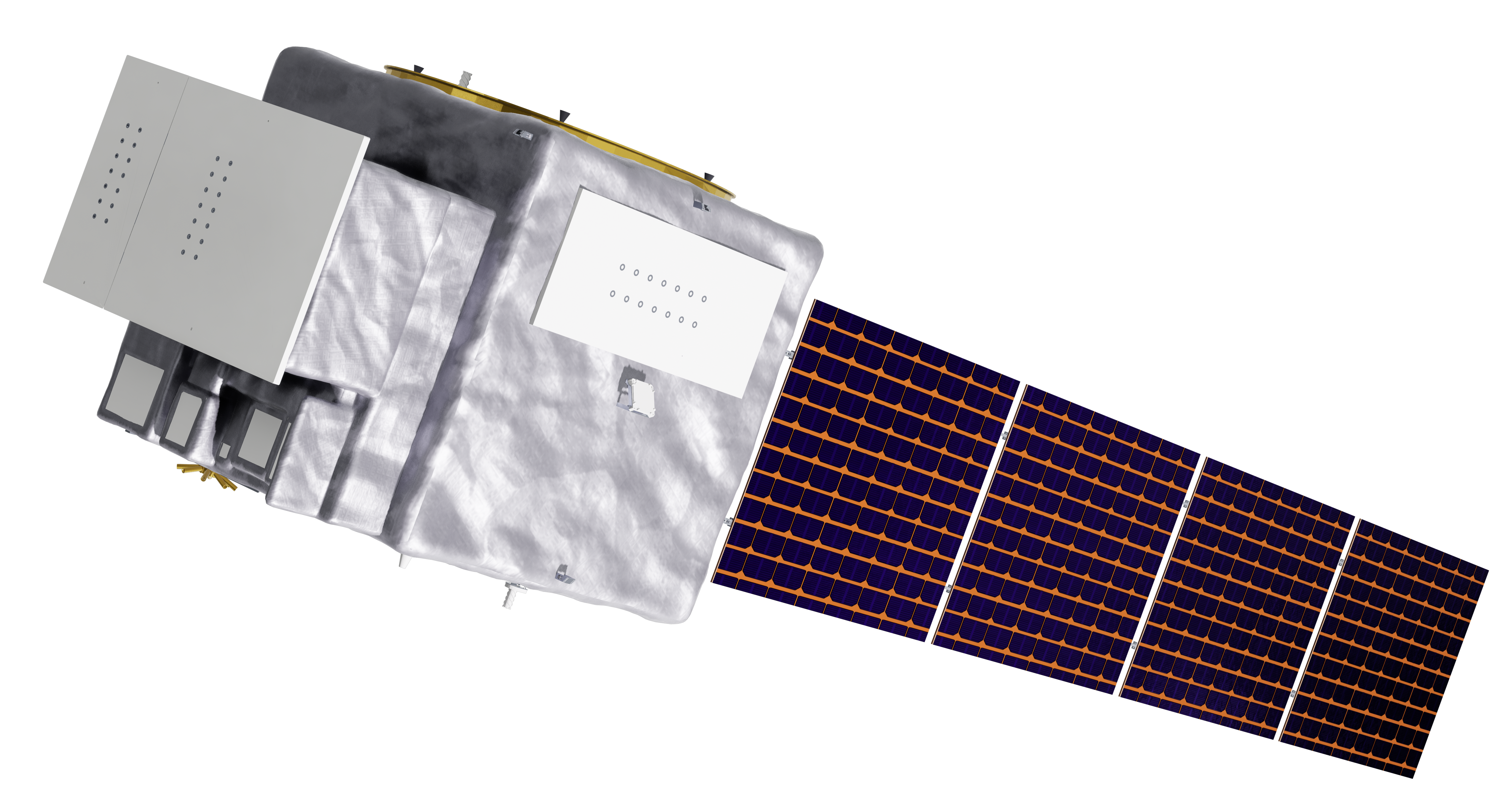
STRIVE will pair, for the first time, an infrared (IR) imaging spectrometer and a near-IR-multi-directional radiometer in one polar-orbiting mission. This unique configuration will allow STRIVE to provide new global, three-dimensional views of Earth’s atmospheric composition and temperatures with the fine vertical resolution and unprecedented horizontal sampling needed to answer key questions about the stratosphere-troposphere interactions that influence weather and climate.
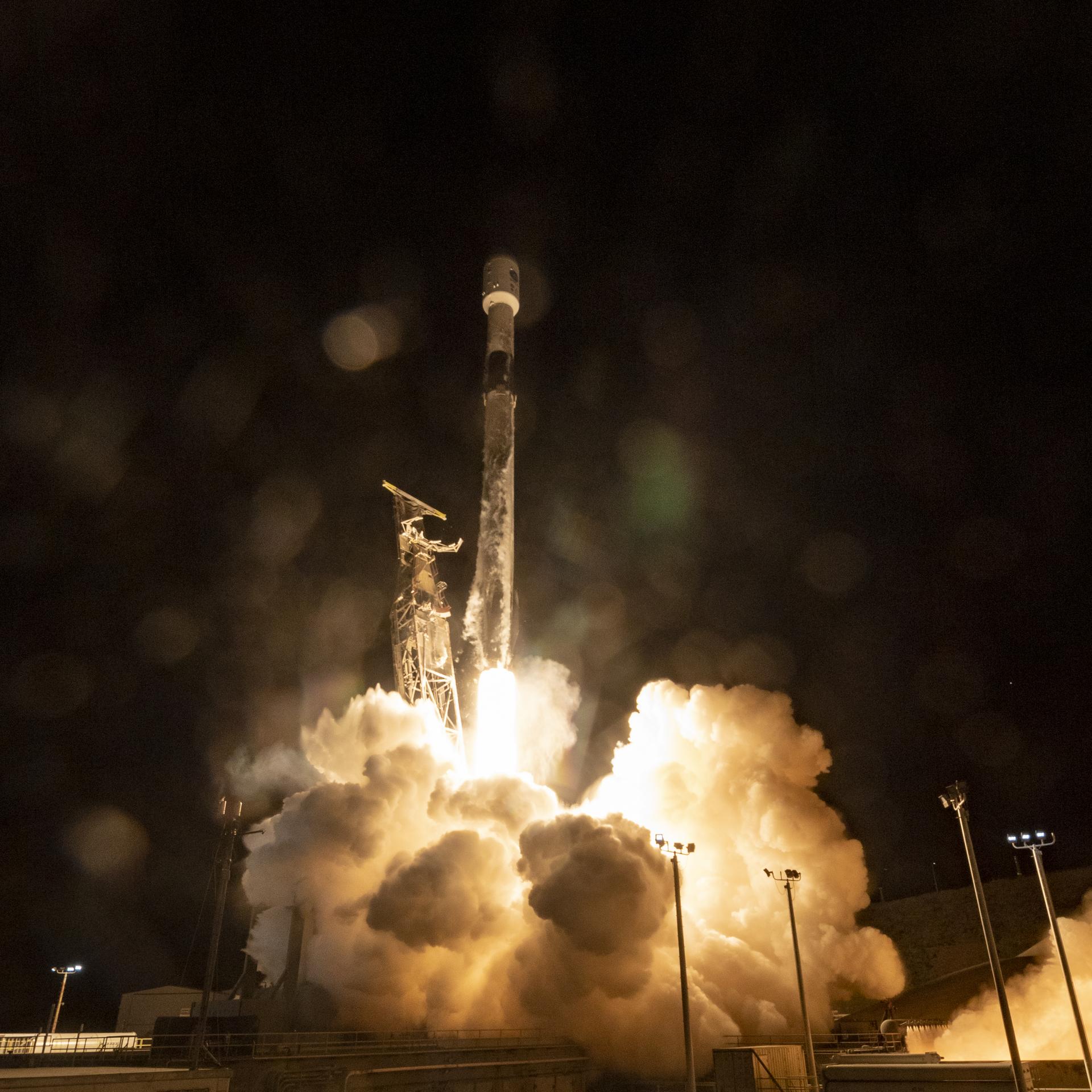
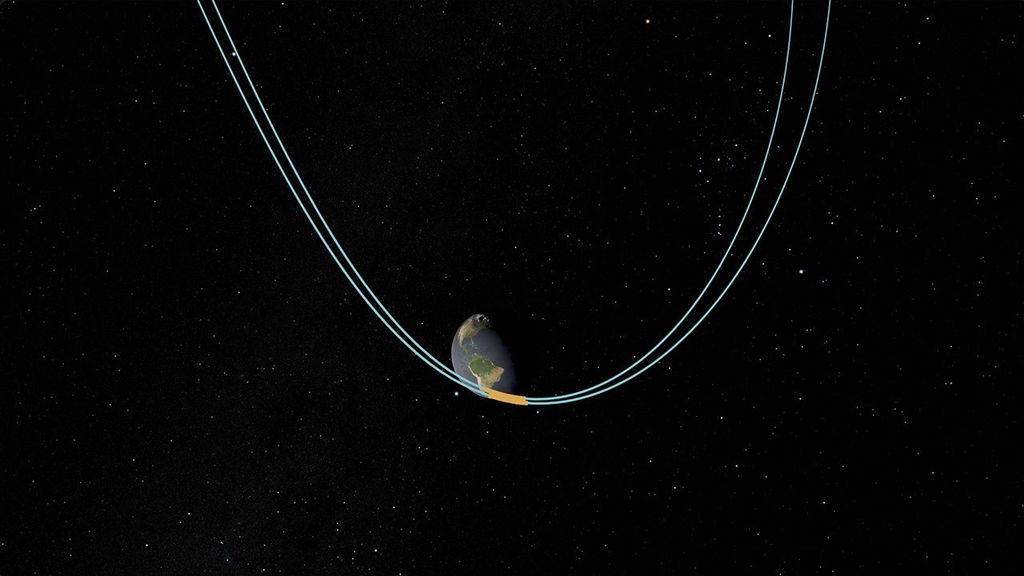
STRIVE will launch into a Sun-synchronous orbit that enables near-global coverage from 82ºN to 82ºS over its three-year mission. The observatory is a high-heritage Northrop Grumman LEOStar-2 spacecraft, which provides the precise pointing control needed to enable groundbreaking observations.
STRIVE has two advanced limb-viewing instruments, Advanced Limb Infrared Chemistry Experiment (ALICE) and Aerosol Radiometer for Global Observations of the Stratosphere (ARGOS). Together, ALICE and ARGOS measure temperature, ozone, trace gases, aerosols, and clouds at 1-kilometer vertical resolution, providing more than 400,000 profiles each day — orders of magnitude more than any current mission. This density will enable STRIVE to resolve small-scale features, such as convective outflow from severe storms, atmospheric gravity waves, and emissions from large fires and volcanic eruptions, with much finer detail.
The instruments use a limb-viewing geometry, measuring radiation along a slanted path near Earth’s horizon. Limb-viewing enhances vertical resolution, capturing fine-scale structures with greater sensitivity to trace gases, aerosols, and thin clouds compared to nadir observations. STRIVE also leverages advancements in imaging detectors, cryocoolers and compact optics, and novel instrument design to achieve significantly improved spatial resolution and global sampling over previous limb sounders.
| Advanced Limb Infrared Chemistry Experiment (ALICE) | Aerosol Radiometer for Global Observations of the Stratosphere (ARGOS) |
| The ALICE instrument is a limb-scanning imaging Dyson spectrometer for observing thermal IR and mid-wave IR radiation emitted from Earth’s limb during the day and at night. ALICE’s onboard capability to adjust pixel-binning and averaging allows for operational flexibility. ALICE will address vertical profiles of ozone, gases, temperature, aerosol extinction, thin cirrus clouds, polar stratospheric clouds (PSCs) and cloud/aerosol plume top height. | The ARGOS instrument is a dual-wavelength, 0.87 and 1.55µm, limb profiling radiometer for measuring backscattered solar radiation to determine aerosol properties during the daytime. ARGOS will focus on aerosols through views out of its eight apertures, complementing ALICE by providing greater spatial context and detailed microphysical properties of the measured aerosols. |
Partners
The STRIVE mission is a collaboration between the University of Washington (UW), NASA’s Goddard Space Flight Center (GSFC), and industry partners Northrop Grumman (NG), BAE Systems Space and Mission Systems, Inc. (BAE). STRIVE’s participating organizations are experts in their roles and have successfully worked together on previous spaceflight projects.
| University of Washington (UW) | Principal Investigator |
| NASA’s Goddard Space Flight Center | Project Management, Systems Engineering, ALICE Instrument |
| BAE Systems Space and Mission Systems, Inc. | Focal Plane Assembly, Cryocooler, and associated electronics |
| Northrop Grumman | Spacecraft, Mission Operations Center, Observatory I&T |
| National Center for Atmospheric Research | ALICE Data processing and distribution |
STRIVE @ the University of Washington
Find out more from the UW's official STRIVE website