















Suggested Searches

Blogs

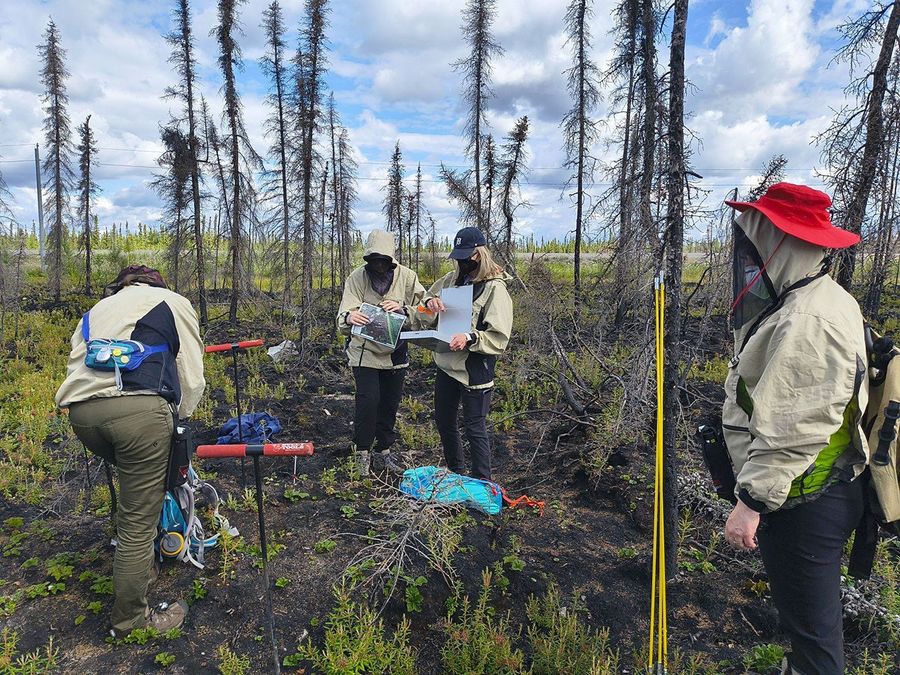
    NASA Study: Non-biologic Processes Don’t Fully Explain Mars Organics
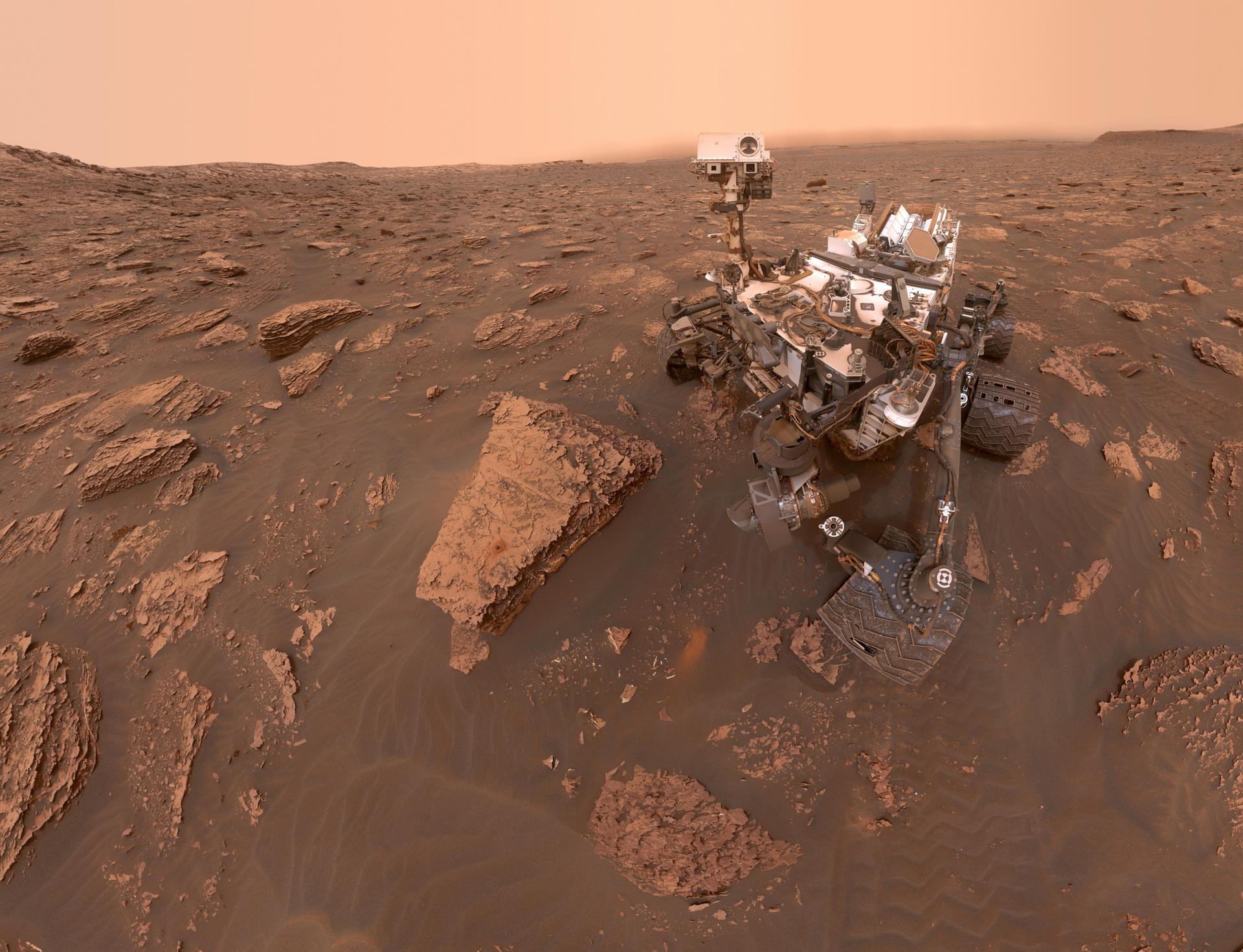
    A self-portrait of NASA's Curiosity rover taken on Sol 2082 (June 15, 2018). A Martian dust storm has reduced sunlight and visibility at the rover's location in Gale Crater.

    In a new study, researchers say that non-biological sources they considered could not fully account for the abundance of organic compounds in a sample collected on Mars by NASA’s Curiosity rover. In March 2025, scientists reported identifying small amounts of decane, undecane, and dodecane in a rock sample analyzed in the chemistry lab aboard Curiosity. […]

    Read Full Post

    NASA, Partners Conduct Crew-12 Flight Readiness Review

    NASA, SpaceX, and international partners are meeting today for the Flight Readiness Review to determine the go/no go for launch of the agency’s SpaceX Crew-12 mission. The review held at NASA’s Kennedy Space Center will assess the preparedness of SpaceX’s crew transportation system, the space station, and partner agencies to support the flight, culminating in […]

    Read Full Post

    Week Ends with Dragon Preps, Space Physics, and Human Research

    Expedition 74 wrapped up the week with more preparations for the upcoming launch and arrival of NASA’s SpaceX Crew-12 mission. The orbital trio also studied space physics and human research while resupplying and inventorying lab supplies and tools aboard the International Space Station.

    Read Full Post

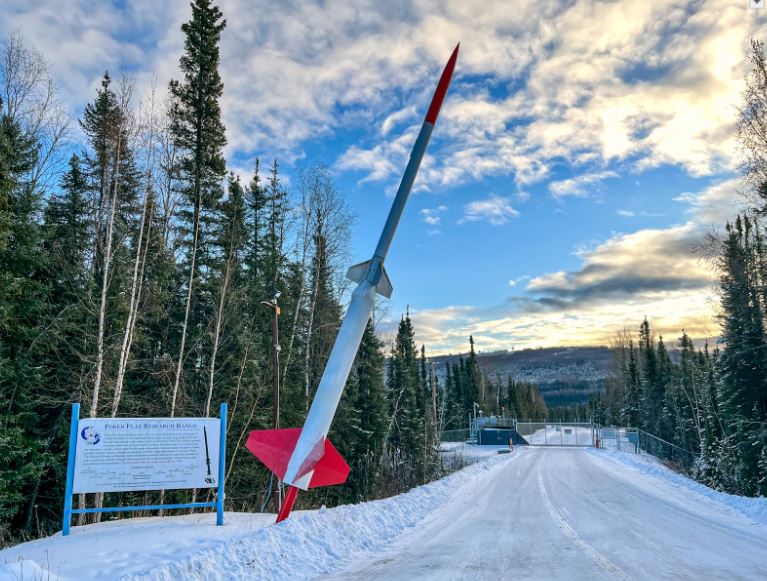
    NASA Rocket to Conduct ‘CT Scan’ of Auroral Electricity

    UPDATE (Feb. 10, 2026): NASA’s Black and Diffuse Auroral Science Surveyor and Geophysical Non-Equilibrium Ionospheric System Science (GNEISS) sounding rocket missions have both successfully launched from Alaska. The Black and Diffuse Auroral Science Surveyor mission launched Feb. 9 at 3:29 a.m. AKST (7:29 a.m. EST), reaching a peak altitude of about 224 miles (360 kilometers). […]

    Read Full Post

    Crew Studies Health, Earth Photography, and Works Dragon Preps

    Biomedical research to promote astronaut health and Earth observations to understand the effects of natural catastrophes topped the science schedule aboard the International Space Station on Wednesday. The Expedition 74 trio is also gearing up for the arrival of the SpaceX Crew-12 mission while continuing lab maintenance for the upkeep of the orbiting lab.

    Read Full Post

    NASA’s SPHEREx Mission Tracks Brightening of Interstellar Comet

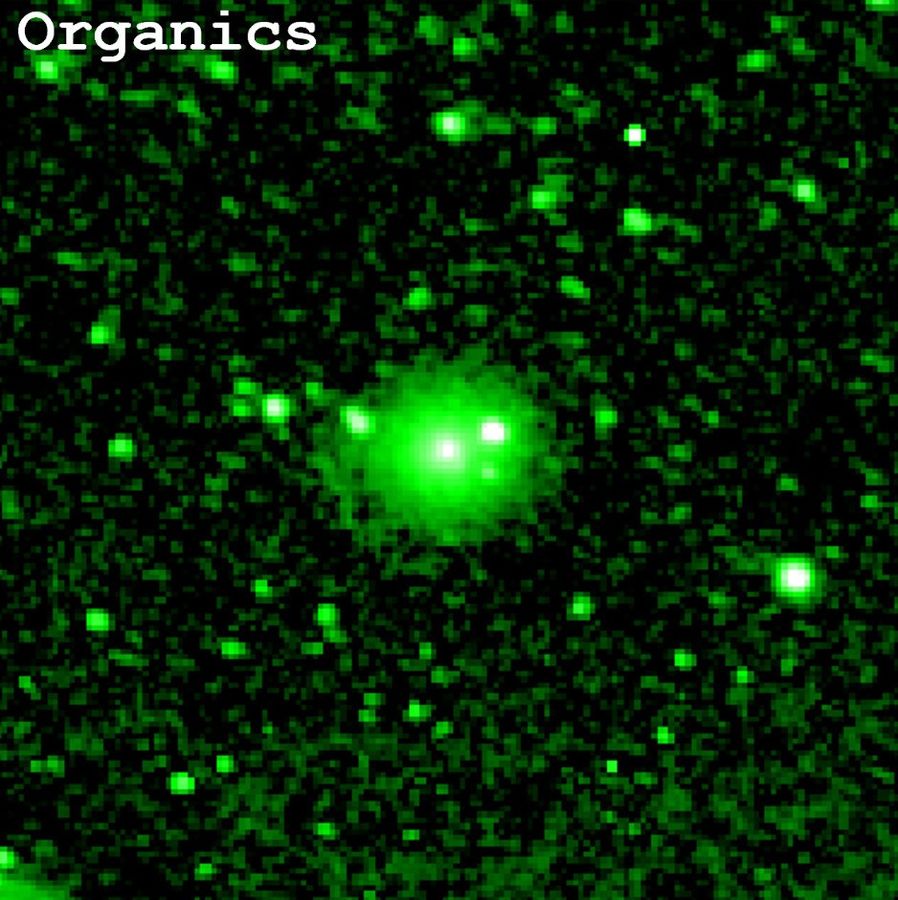
    This observation by NASA’s SPHEREx show the infrared light emitted by the organic molecules contained within comet 3I/ATLAS’s coma during the mission’s December 2025 campaign

    NASA’s SPHEREx mission turned its infrared gaze on interstellar comet 3I/ATLAS in December 2025, adding to the deep pool of information the agency has gathered on what is only the third such object to be discovered passing through our solar system. In a new research note, mission scientists describe the detection of organic molecules, such […]

    Read Full Post

    NASA’s Juno Mission Redefines Size, Shape of Jupiter

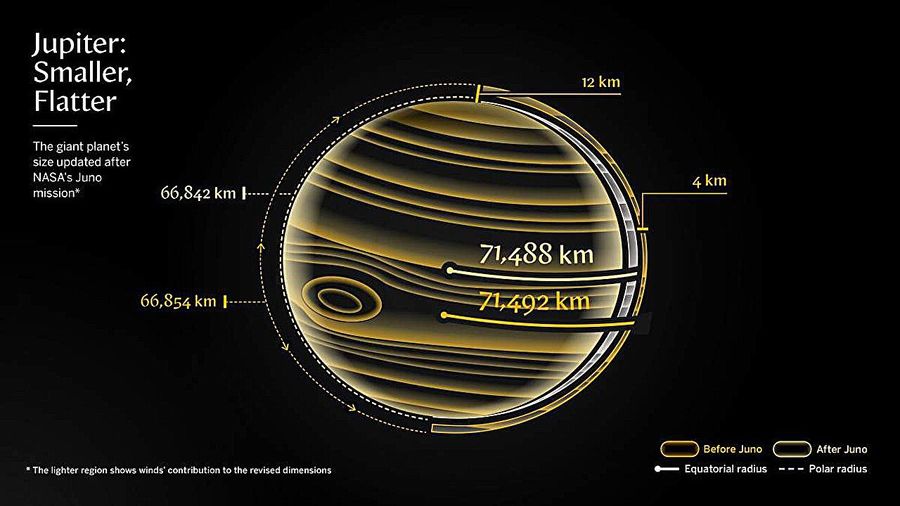
    An infographic titled “Jupiter: Smaller, Flatter” shows a line drawing of the planet, colored shades of gold against a black background. The text reads, “The giant planet’s size updated after NASA’s Juno mission,” and the illustration shows Jupiter’s equatorial radius as 71,492 kilometers “before Juno,” and 71,488 kilometers “after Juno.”

    Data from NASA’s Juno mission has revealed that the solar system’s largest planet is slightly smaller and more “squashed” than previously believed.  By analyzing radio occultation data from 13 flybys of Jupiter and incorporating the effects of zonal winds, mission scientists have determined that Jupiter is about 5 miles (8 kilometers) narrower at the equator and 15 miles (24 […]

    Read Full Post