



















In July, purple and pink hues painted the Antarctica and New Zealand skies — likely the result of atmospheric particles called aerosols that belched into the stratosphere in January during the eruption of the Hunga Tonga-Hunga Ha’apai volcano. Aerosols from eruptions, and extreme wildfires, can remain in the stratosphere for months to years traveling around the […]
SARP Ozone Sondes Coincide with SAGE III/ISS Measurements
A NASA student research program recently took to the stratosphere to make ozone measurements that coincided with events from the Stratospheric Aerosol and Gas Experiment (SAGE) III on the International Space Station (ISS), an instrument developed at NASA’s Langley Research Center in Hampton, Virginia. NASA’s Student Airborne Research Program (SARP) is an eight week summer […]
Langley Celebrates Asian American, Native Hawaiian and Pacific Islander Heritage Month Recognizing SAGE III / DEVELOP Team Member
NASA commemorates Asian American, Native Hawaiian and Pacific Islander (AANHPI) Heritage Month each May to celebrate the achievements of employees of AANHPI descent. Daniel Mangosing, a software release administrator and web developer at NASA’s Langley Research Center in Hampton, Virginia, proudly celebrates his family’s Filipino heritage. While his parents were born and raised in a […]
NASA Langley opens first new lab in nearly 30 years
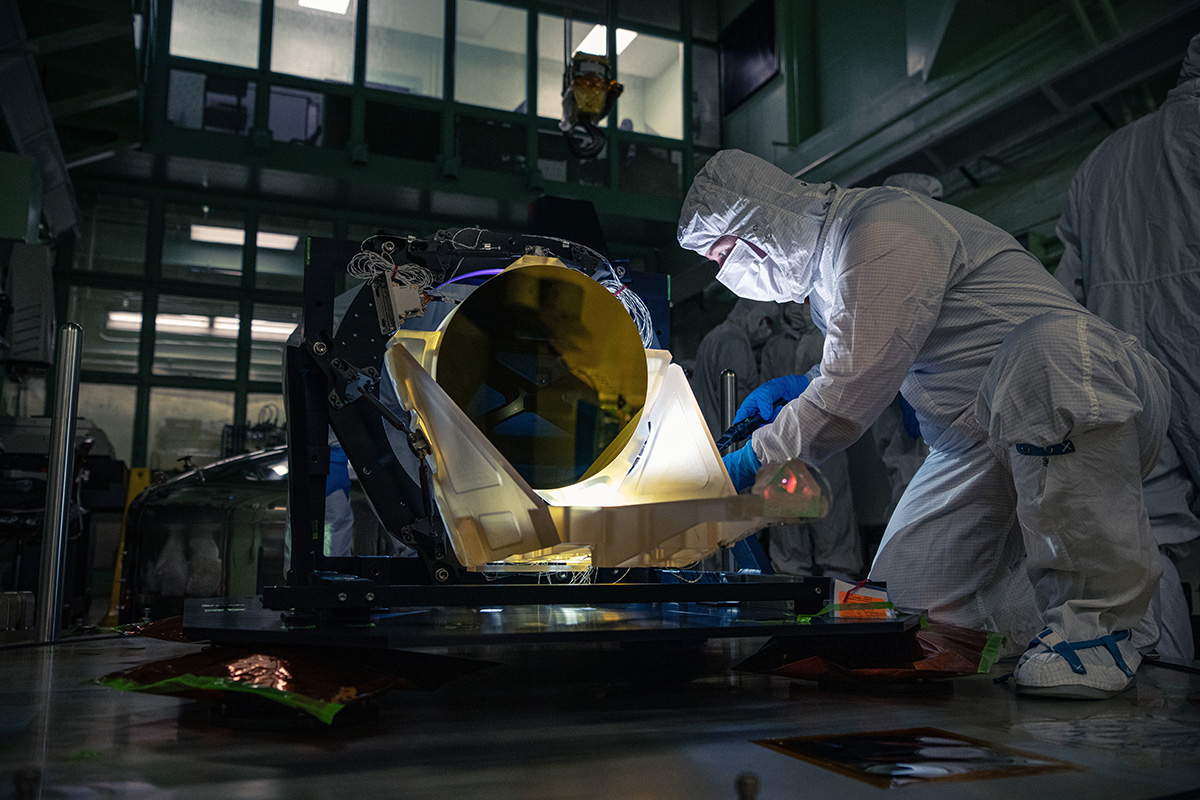
Read more in the Daily Press about the Measurement Systems Lab, NASA Langley Research Center’s new, state-of-the-art research facility for developing, testing and implementing new sensor and instrument technologies, including the SAGE IV prototype.Read more here. More on SAGE IV: The Stratospheric Aerosol and Gas Experiment IV (SAGE IV) Pathfinder is the next generation in […]
SAGE III Observes ISS Contamination Environment
Operating a science instrument aboard a crewed, frequently visited space station the size of a football field poses many challenges to data collection and quality. The Stratospheric Aerosol and Gas Experiment (SAGE) III instrument, currently on board the International Space Station (ISS), is equipped with the tools necessary to deal with these challenges. Commanded from NASA’s Langley […]
SAGE III Instrument Detects Stratospheric Effects of Indonesian Volcanic Eruption
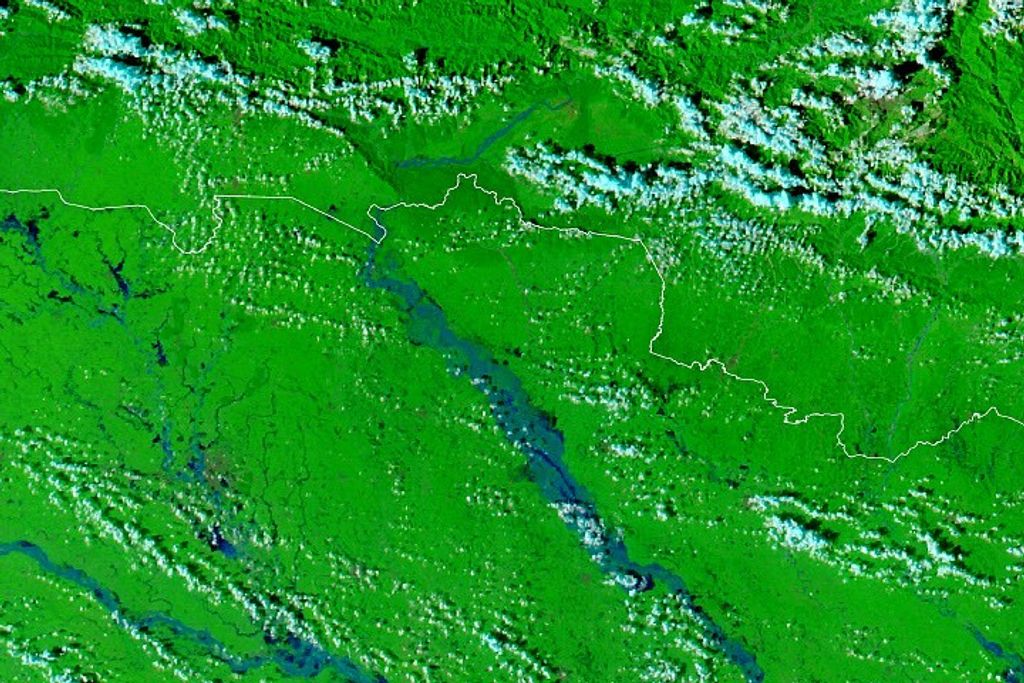
Dec. 4, 2021, Mount Semeru, one of the largest and most active volcanoes on the Indonesian island of Java, erupted. Ash, avalanches, and rivers of water and volcanic debris called lahars resulted in the tragic deaths of more than 50 people. At the time of the eruption, the Stratospheric Aerosol and Gas Experiment (SAGE) III […]
SAGE III/ISS Team Announces the Second Official Release of V5.2 Science Data Products
The SAGE III/ISS Team is proud to announce the second official release of SAGE III/ISS products (V5.2) that are suitable for use in both validation and research studies for the data products as described in the Data Product User’s Guide (DPUG). The nominal monthly release of new SAGE III/ISS events will be processed only with […]
Enhanced Stratospheric Aerosols from Fukutoku-Okanoba Eruption
Did you know active volcanoes lie beneath the ocean’s surface? The Stratospheric Aerosol and Gas Experiment (SAGE) III on the International Space Station (ISS) instrument spotted remnants of the Fukutoku-Okanoba undersea volcanic eruption in Earth’s stratosphere. Fukutoku-Okanoba erupted vigorously in the Philippine Sea on Aug. 13, 2021. Although the volcano’s summit is approximately 80 feet under […]
Summer Interns Successfully Accomplish Science and Engineering Projects for SAGE III Mission
While the COVID 19 pandemic caused another summer of virtual internships, it didn’t stop students from across the country from furthering their education and professional experience with NASA. With over 1,000 applicants to the mission’s internship program, the Stratospheric Aerosol and Gas Experiment (SAGE) III team at Langley Research Center in Hampton, VA selected a […]