






















Spacecraft Commissioning On Track for Mission to Boost NASA’s Swift
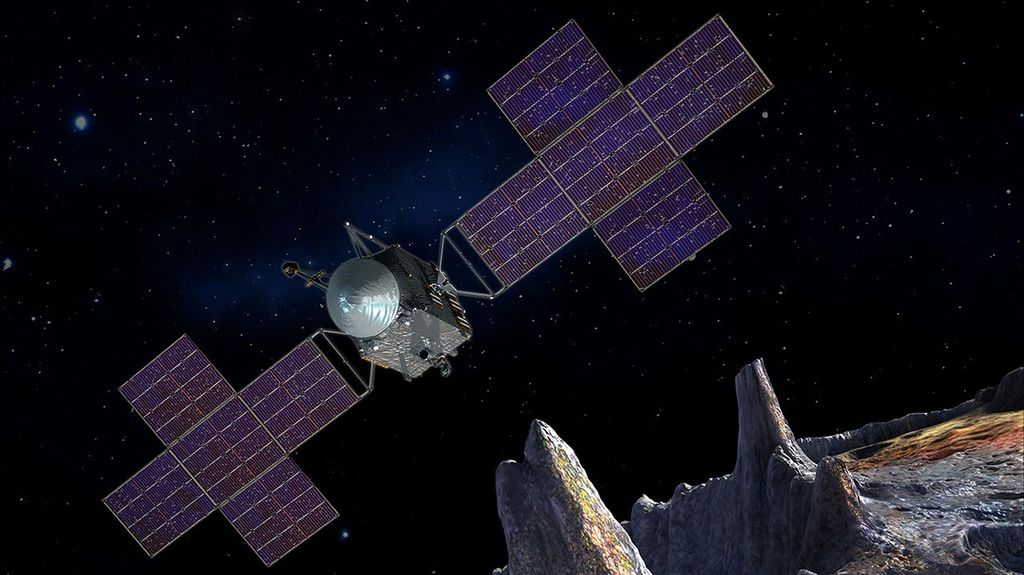
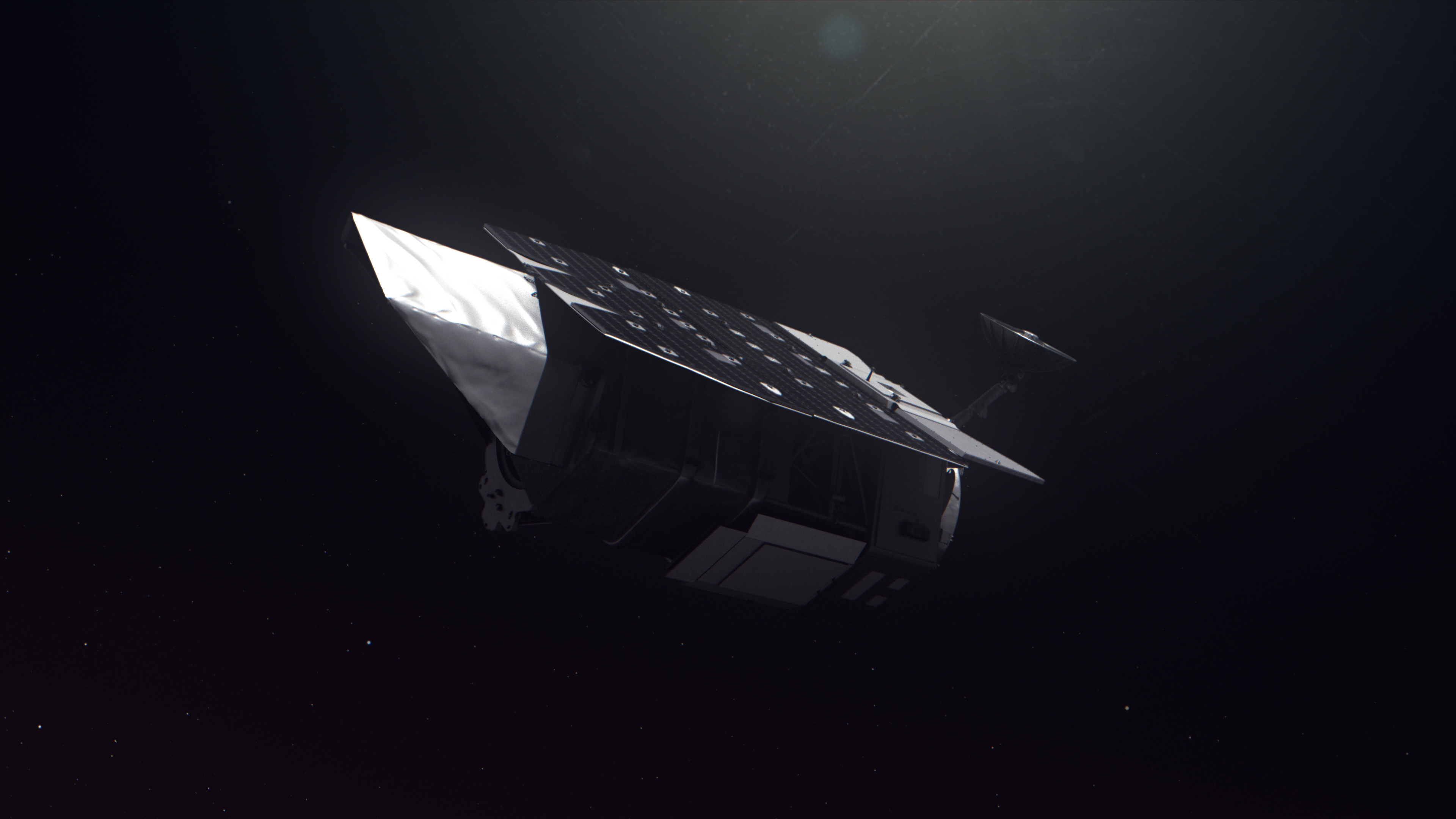
Teams continue to progress through in-orbit preparations for the robotic servicing spacecraft designed to boost NASA’s Neil Gehrels Swift Observatory to a higher altitude. Katalyst Space’s LINK spacecraft remains healthy and is about halfway through this commissioning process.
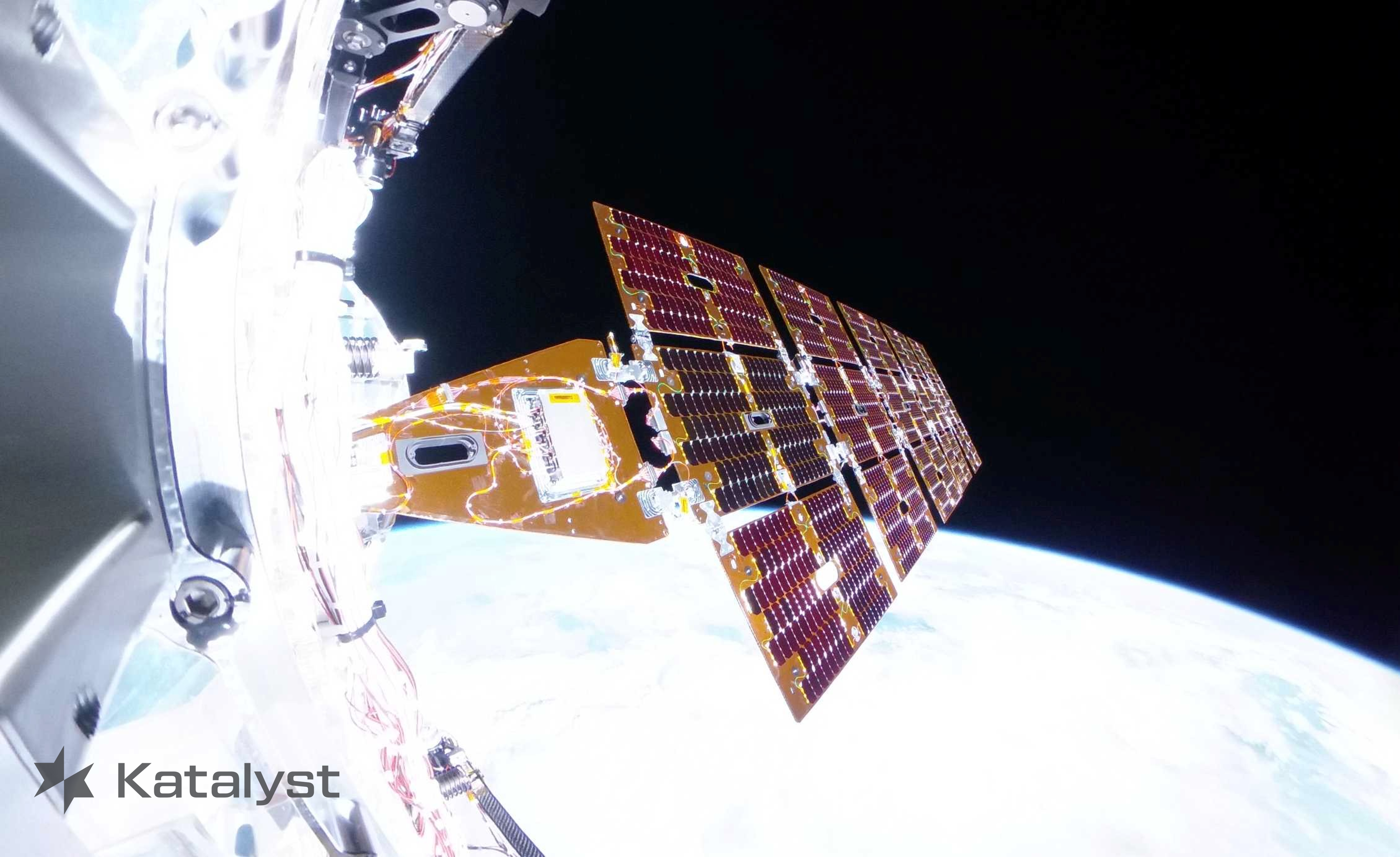
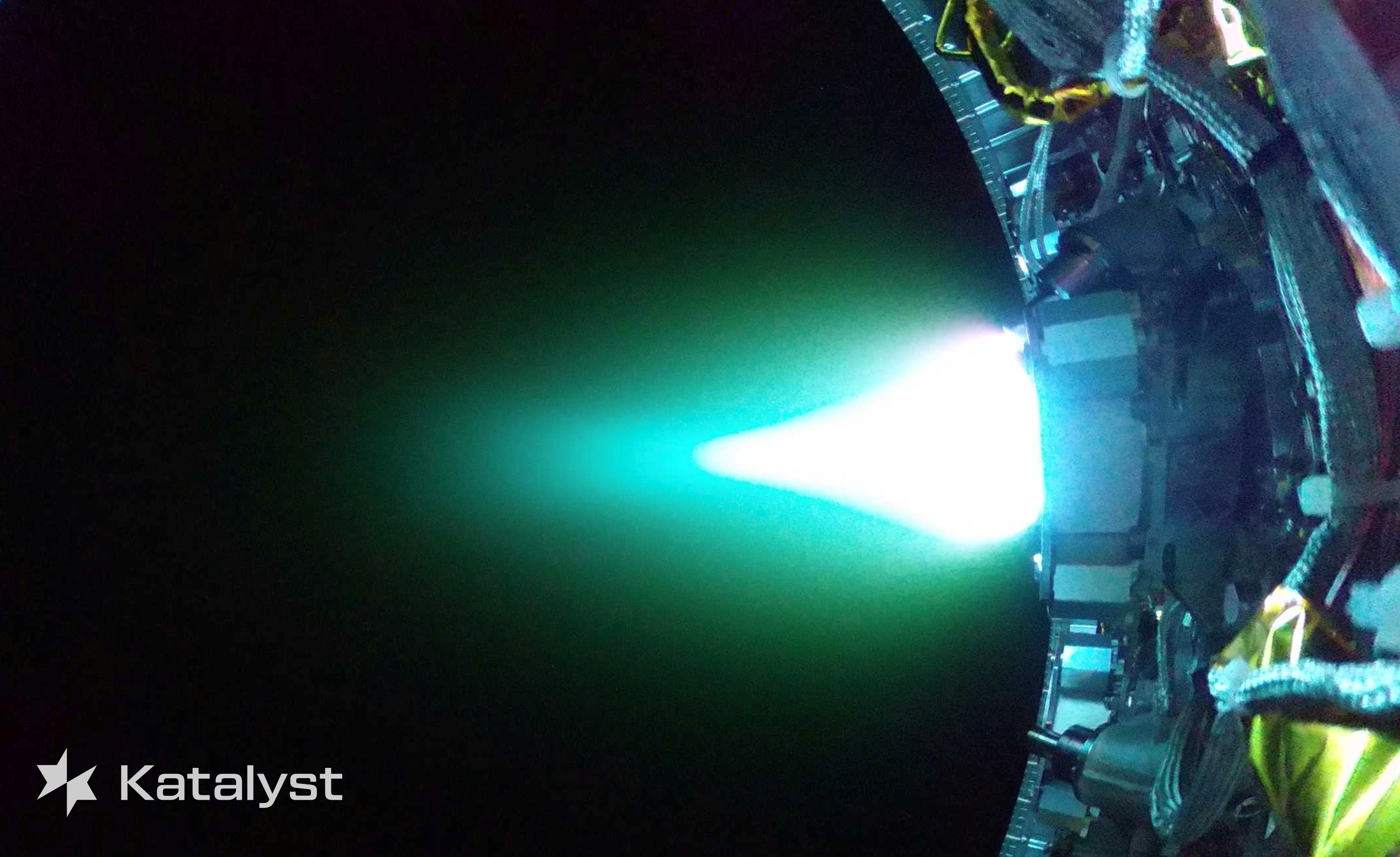
LINK launched July 3, completed its initial postlaunch sequence, and began system checkouts. After completing solar array deployment and establishing communications, Katalyst now has commissioned LINK’s power systems and avionics, as well as conducted propulsion system checkouts. This has involved firing the spacecraft’s xenon-fueled thrusters, which will be used to travel to Swift and slowly raise its orbital altitude over the course of several months.
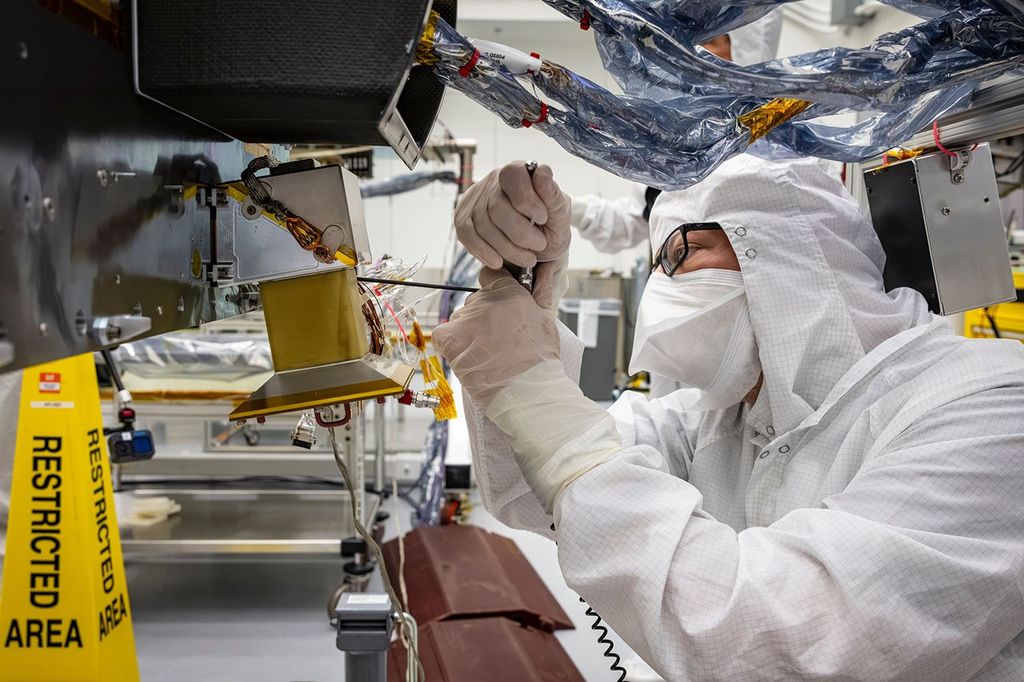
The Katalyst team also quickly addressed early communications and attitude control issues seen during flight operations, including an issue with one of the spacecraft’s three reaction wheels. After identifying the cause, they implemented flight software patches and operational updates that restored reliable communications and stable attitude control.
The commissioning process will continue over the coming weeks, with flexibility built in to allow the team to pause, assess data, and adjust as needed. LINK then will begin its transit phase to meet up with Swift. Monitor NASA’s Swift blog for continued updates:
https://science.nasa.gov/blogs/swift
