




























Mission To Boost NASA’s Swift Launches From Marshall Islands
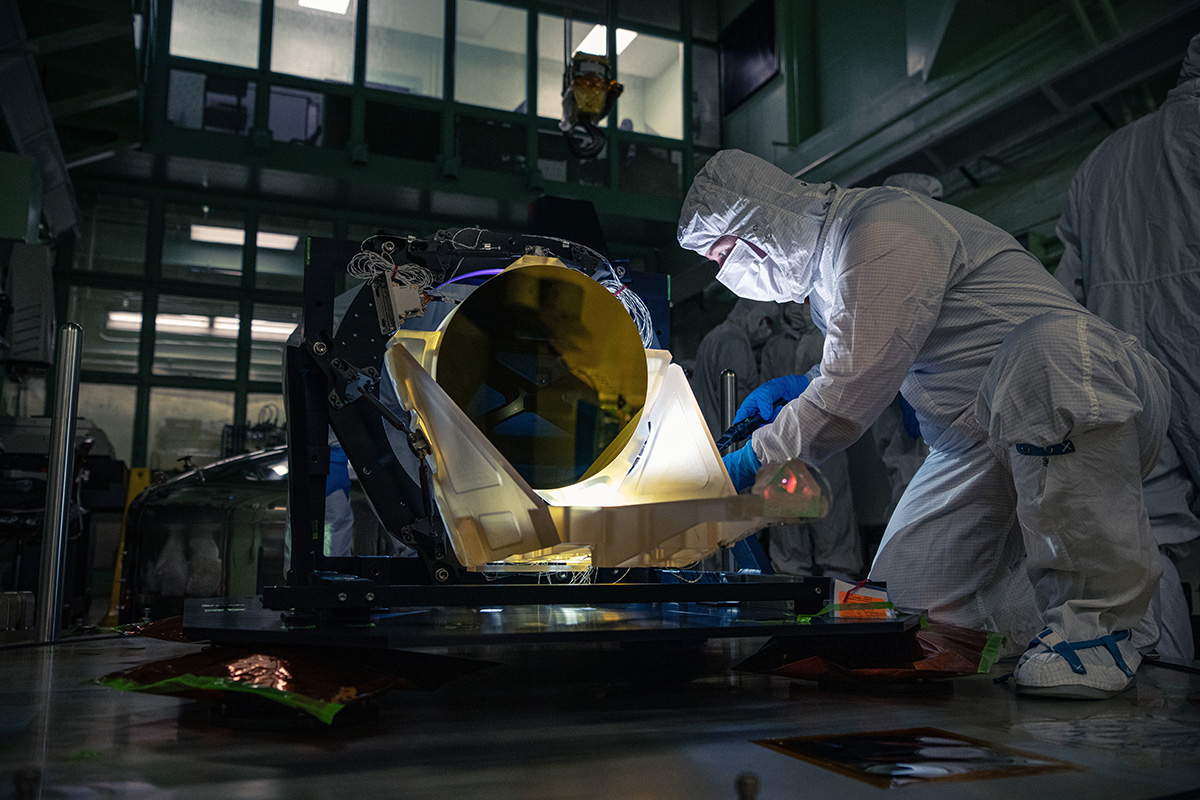
A mission to raise the altitude of NASA’s Neil Gehrels Swift Observatory is underway after launching at 8:36 p.m. Marshall Islands Time (4:36 a.m. EDT), Friday, July 3, from Kwajalein Atoll in the South Pacific Ocean.
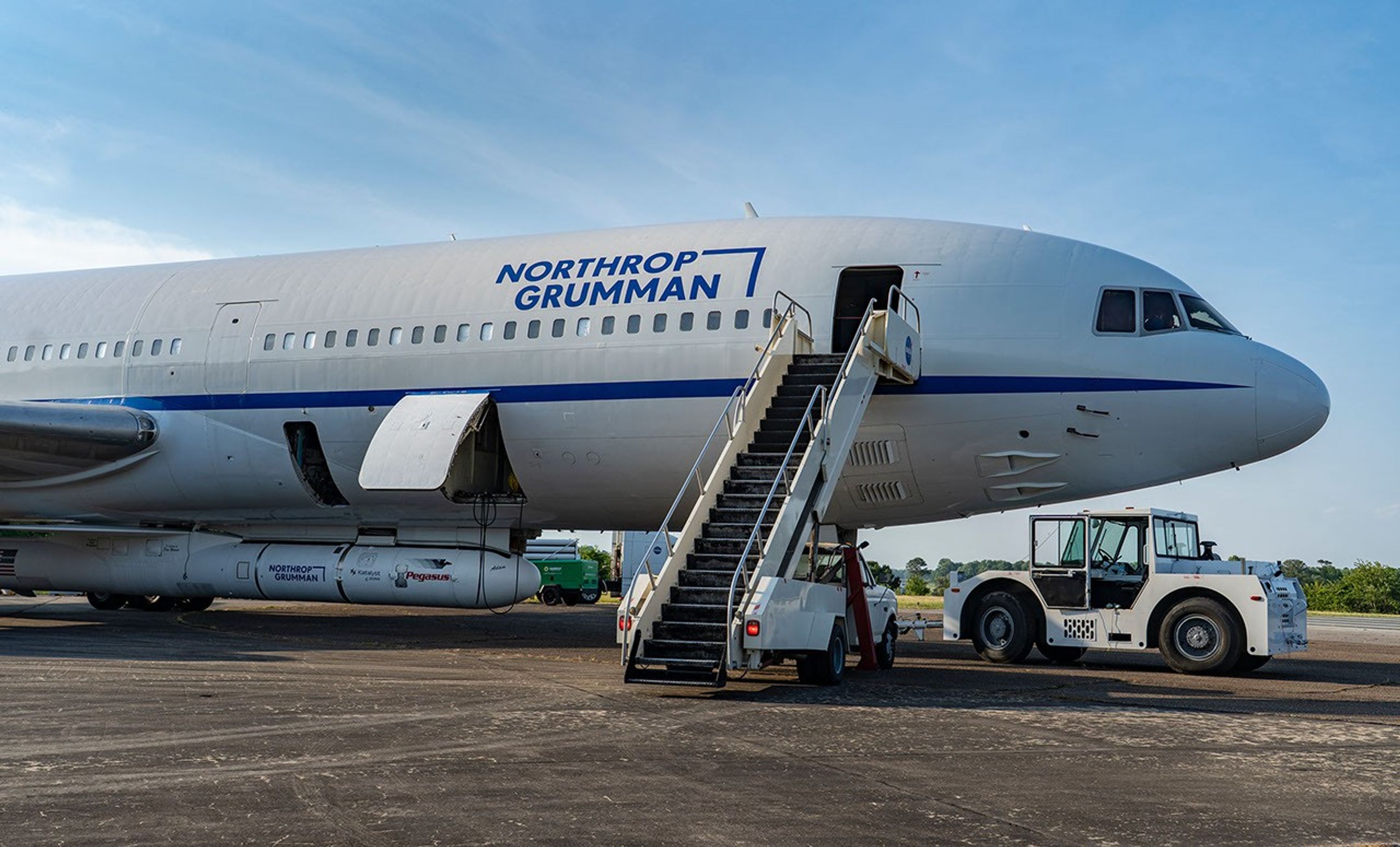
LINK, a robotic servicing spacecraft built by Katalyst Space, launched into orbit on a Northrop Grumman Pegasus XL rocket, which was deployed by the company’s Stargazer, a modified L-1011 aircraft, at an altitude of about 40,000 feet.
Our planet’s atmosphere creates drag for spacecraft in low Earth orbit, gradually reducing their altitude if they don’t have propulsion systems to maintain their positions. Recent solar activity magnified this effect on Swift, and its orbit decayed faster than anticipated.

In September, NASA contracted Katalyst to boost Swift. The company needed to design, build, test, and launch LINK and meet, grab, and lift Swift in less than a year.
Now that LINK has reached orbit, the Katalyst team’s first step is to acquire a signal from the spacecraft, confirming its solar panels have deployed and the power systems are working. NASA will continue to provide updates on the agency’s Swift blog.
Learn more about the Swift mission at:
https://science.nasa.gov/mission/swift/swift-boost-mission/
By Jeanette Kazmierczak
Goddard Space Flight Center, Greenbelt, Md.
