








Suggested Searches

James Webb Space Telescope

    Webb: The World Is About To Be New Again

    As the Webb team wraps up the final tests for commissioning this week, we are now only days away from the public release of the first images and spectra on July 12! This also means that Webb is moving into the phase of full science operations that includes a highly impressive suite of science programs …

    Read Full Post

    Webb’s Fine Guidance Sensor Provides a Preview

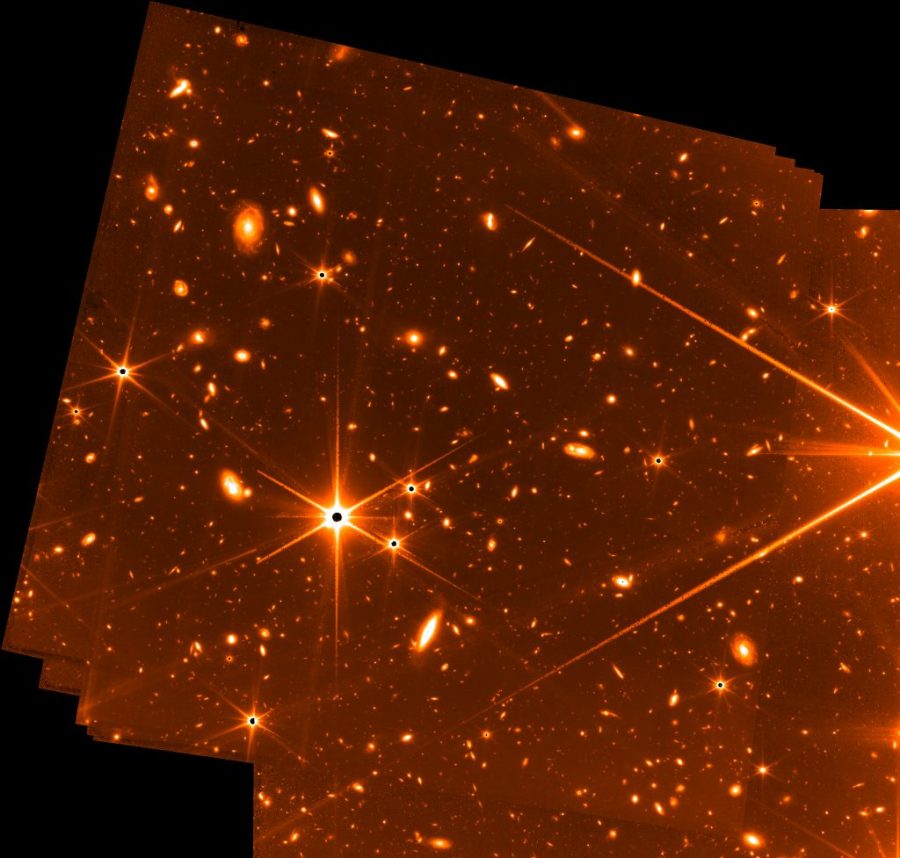
    We are less than one week away from the release of the first full-color images from NASA's James Webb Space Telescope, but how does the observatory find and lock onto its targets? Webb's Fine Guidance Sensor (FGS) – developed by the Canadian Space Agency – was designed with this particular question in mind. Recently it …

    Read Full Post

    How To See Webb’s First Images!

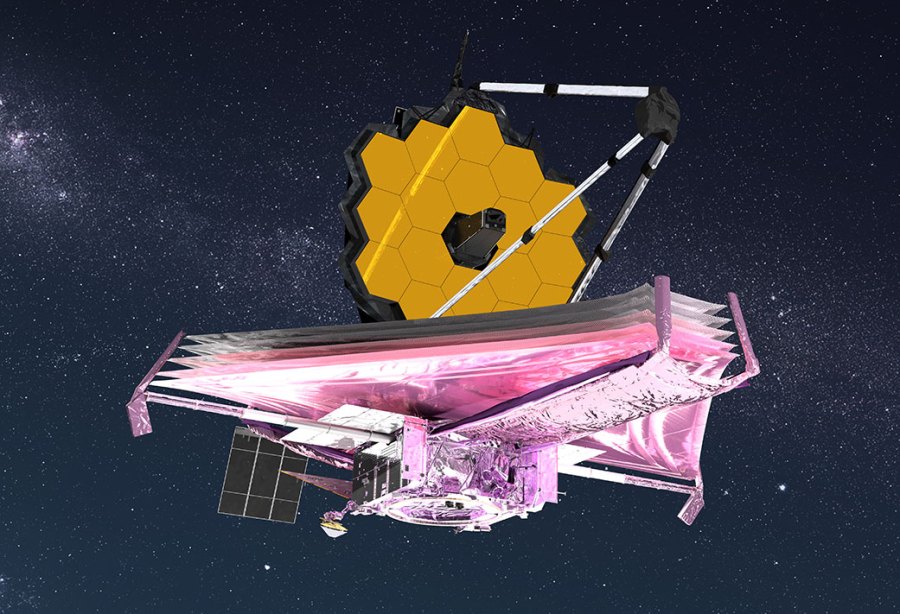
    In this illustration, the multilayered sunshield on NASA’s James Webb Space Telescope stretches out beneath the observatory’s honeycomb mirror

    The public release of Webb's first images and spectra is July 12 – now less than two weeks away! The Webb team has confirmed that that 15 out of 17 instrument modes are ready for science, with just two more still to go. As we near the end of commissioning, we wanted to let you …

    Read Full Post

    Another Webb Telescope Instrument Gets the “Go for Science”

    In this illustration, the multilayered sunshield on NASA’s James Webb Space Telescope stretches out beneath the observatory’s honeycomb mirror

    The second of NASA's James Webb Space Telescope's four primary scientific instruments, known as the Mid-Infrared instrument (MIRI), has concluded its postlaunch preparations and is now ready for science. The last MIRI mode to be checked off was its coronagraphic imaging capability, which uses two different styles of masks to intentionally block starlight from hitting …

    Read Full Post

    Webb’s NIRISS Ready to See Cosmos in Over 2,000 Infrared Colors

    One of the James Webb Space Telescope's four primary scientific instruments, known as the Near-Infrared Imager and Slitless Spectrograph instrument (NIRISS), has concluded its postlaunch preparations and is now ready for science. The last NIRISS mode to be checked off before the instrument was declared ready to begin scientific operations was the Single Object Slitless …

    Read Full Post

    Webb’s NIRSpec Acquires Multiple Targets

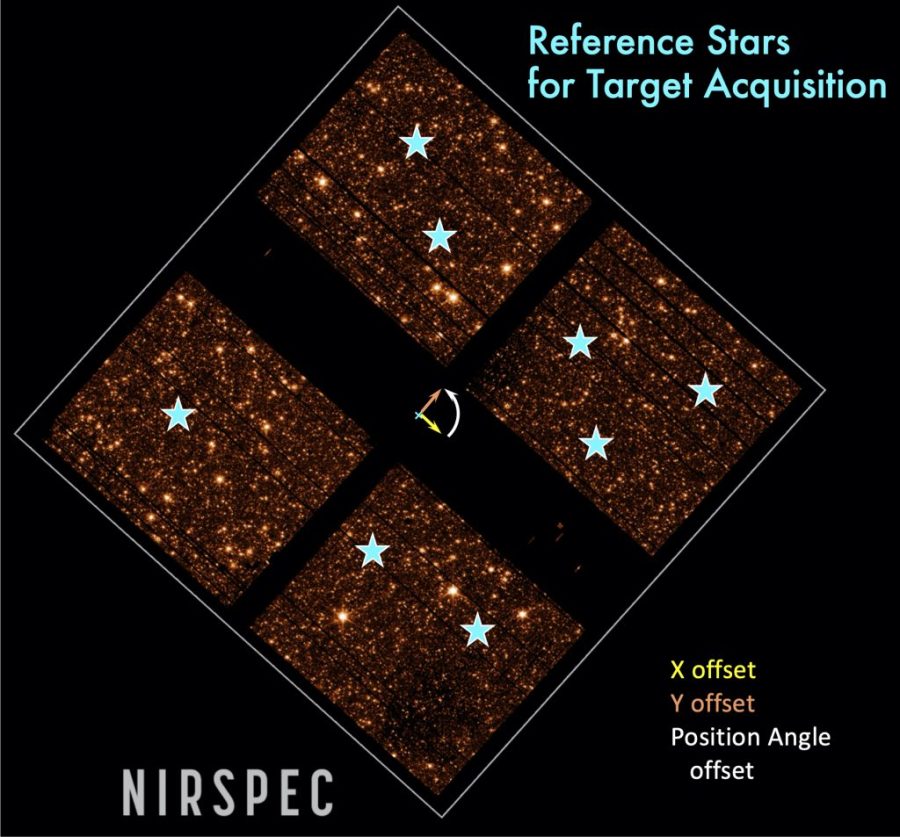
    A simulation of the NIRSpec MSA-based Target acquisition, showing reference stars

    The Webb team has now approved 10 out of 17 science instrument modes; since last week we added (14) MIRI imaging, (2) NIRCam wide-field slitless spectroscopy, and our final NIRISS mode, (10) single-object slitless spectroscopy. As we ramp down the final commissioning activities, some openings in the schedule have appeared. The team has started to …

    Read Full Post

    Webb’s Mid-Infrared Spectroscopy Will Reveal Molecules, Elements

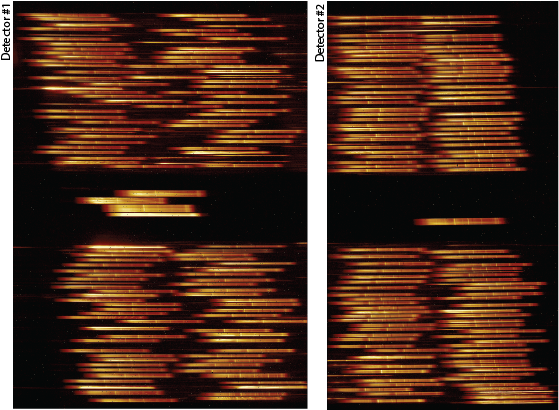
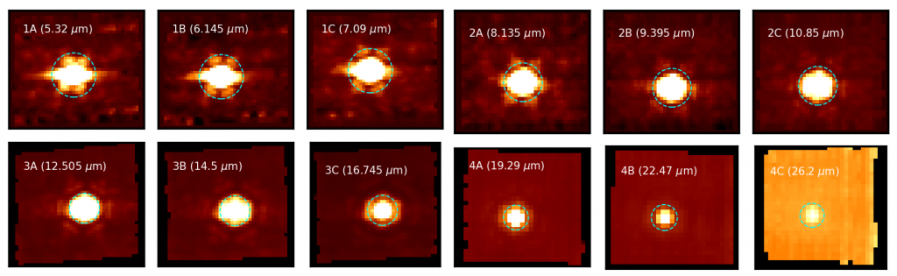
    NASA's James Webb Space Telescope team continues to work its way through the 17 science instrument modes. This week they checked off numbers (5) NIRCam grism time series and (4) imaging time series, both used to study exoplanets and other time-variable sources; (12) NIRISS aperture masking interferometry mode, for direct detection of a faint object …

    Read Full Post

    Scheduling Webb’s Science

    In this illustration, the multilayered sunshield on NASA’s James Webb Space Telescope stretches out beneath the observatory’s honeycomb mirror

    In the lead-up to the release of Webb's first full-color images and spectroscopic data on July 12, the Webb team is now in the last phase of commissioning the science instruments. The first two instrument modes, NIRCam imaging and NIRISS imaging, have been declared ready for science; watch the "Where is Webb" page as the team …

    Read Full Post

    Webb: Engineered to Endure Micrometeoroid Impacts

    In this illustration, the multilayered sunshield on NASA’s James Webb Space Telescope stretches out beneath the observatory’s honeycomb mirror

    Micrometeoroid strikes are an unavoidable aspect of operating any spacecraft, which routinely sustain many impacts over the course of long and productive science missions in space. Between May 23 and 25, NASA's James Webb Space Telescope sustained an impact to one of its primary mirror segments. After initial assessments, the team found the telescope is …

    Read Full Post