








Suggested Searches

James Webb Space Telescope

  • Talking with Webb using the Deep Space Network
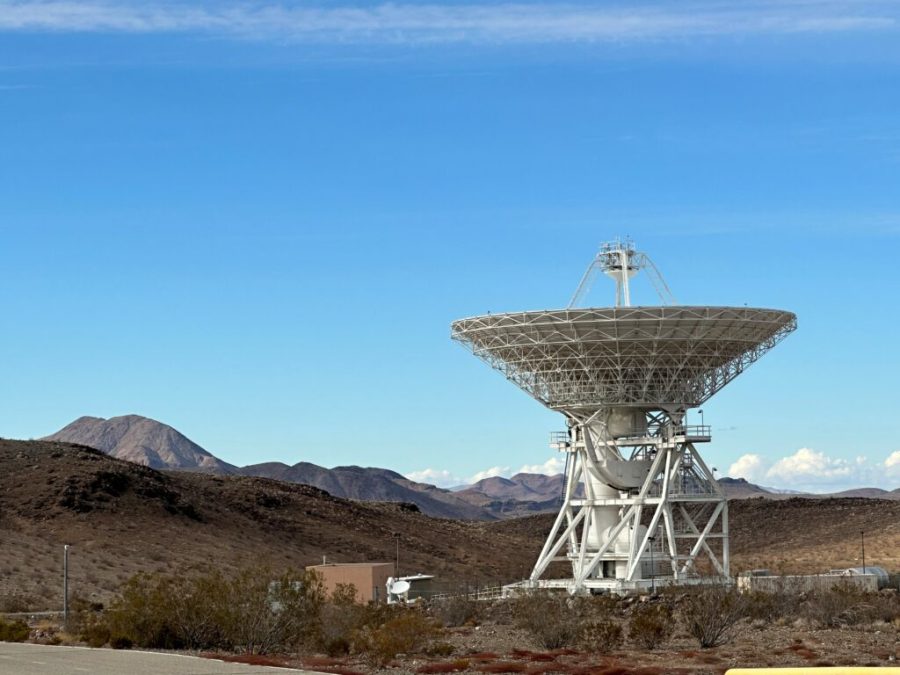
    This is the 34 meter antenna at Goldstone, California. The dish is enormous, taking up the bottom right half of the image. The dish, which is white with lines running through it is turned up to the sky. It has a white base that attaches it to the ground, and a smaller building to its left, partially blocked by shrubs and bush. Behind it are low mountains and a mostly clear sky, with faint layers of clouds off in the distance behind the mountains.

    NASA's James Webb Space Telescope is nearly 1 million miles (1.5 million kilometer) away from Earth, orbiting around the Sun-Earth Lagrange point 2. How do we send commands and receive telemetry – the science and engineering data from the observatory – from that far away? We use the DSN (Deep Space Network) to communicate with …

  • Join Celebrations of Webb’s First Year of Science

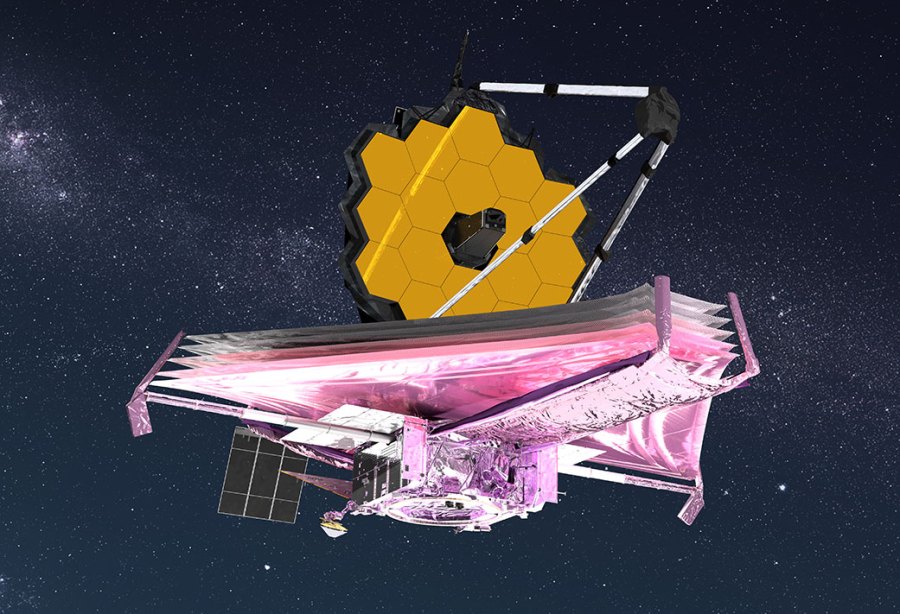
    In this illustration, the multilayered sunshield on NASA’s James Webb Space Telescope stretches out beneath the observatory’s honeycomb mirror

    July 12 marks the first anniversary of science and amazing discoveries from NASA's James Webb Space Telescope. To celebrate the year of spectacular discoveries, on July 12, 14 and throughout the summer, there will be multiple events online and live across the U.S. where the public can join in. The schedule of Webb first anniversary …

  • Saturn’s Rings Shine in Webb’s Observations of Ringed Planet

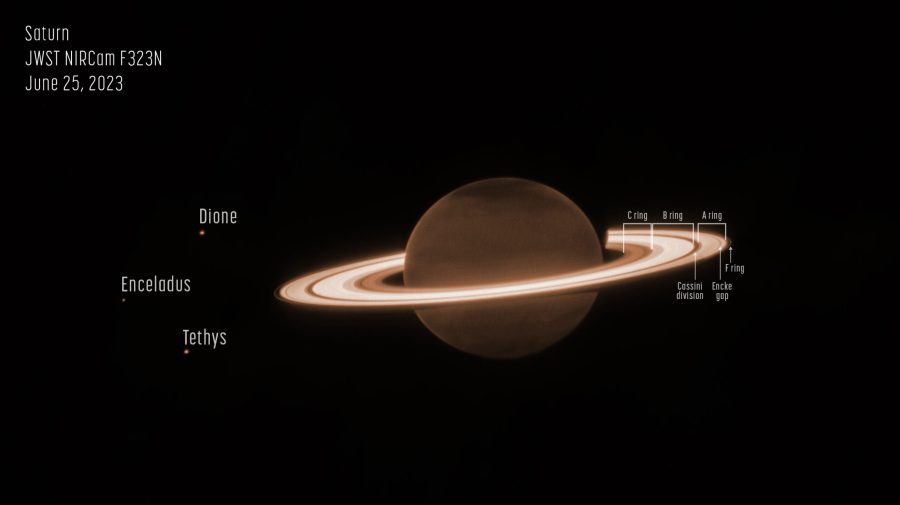
    Editor's Note: This post highlights data from Webb science in progress, which has not yet been through the peer-review process. On June 25, 2023, NASA's James Webb Space Telescope turned to famed ringed world Saturn for its first near-infrared observations of the planet. The initial imagery from Webb's NIRCam (Near-Infrared Camera) is already fascinating researchers. Saturn …

  • The Telescope Allocation Committee: Selecting What Webb Observes Next

    In this illustration, the multilayered sunshield on NASA’s James Webb Space Telescope stretches out beneath the observatory’s honeycomb mirror

    This week, astronomers around the world are celebrating the announcement of the next cycle of Webb observations. We asked Christine Chen, associate astronomer and JWST Science Policies Group lead at the Space Telescope Science Institute, to describe the selection process to determine the targets Webb will observe. "On May 10, the Space Telescope Science Institute …

  • Mid-Infrared Instrument Operations Update

    In this illustration, the multilayered sunshield on NASA’s James Webb Space Telescope stretches out beneath the observatory’s honeycomb mirror

    All 17 observing modes of the James Webb Space Telescope undergo routine performance monitoring and calibration. This month, while performing calibration by comparing the brightness of standard stars that have been well-cataloged by other observatories to what Webb's Mid-Infrared Instrument (MIRI) was receiving, team members noticed a discrepancy in the data. Further analysis of MIRI's …

  • Webb Shows Areas of New Star Formation and Galactic Evolution

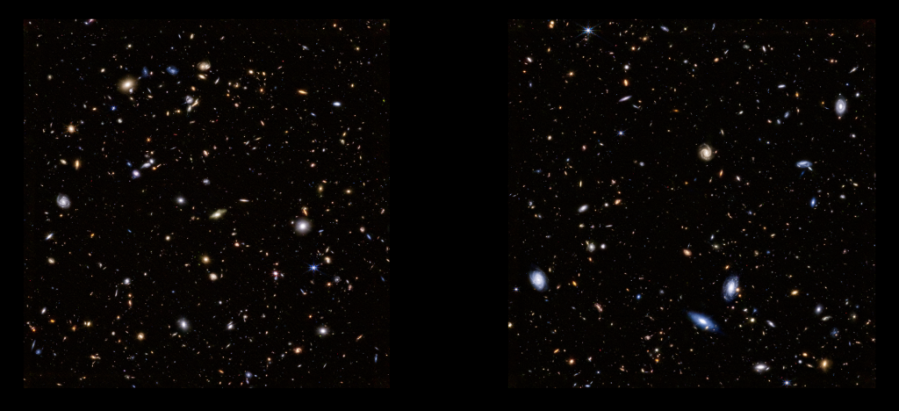
    A rectangular image that appears to be two separate square images separated by a wide black gap. The gap obscures the galaxies present between the two square images. Each square image contains thousands of galaxies with many different colors. Some galaxies are shades of yellow, while others are white, blue, orange and red. Most of these galaxies appear as fuzzy ovals, but others appear thin and long. A few galaxies with distinct spiral arms are spread throughout.

    Editor's Note: This post highlights data from Webb science in progress, which has not yet been through the peer-review process. On Oct. 11, 2022, NASA's James Webb Space Telescope spent over 20 hours observing the long-studied Hubble Ultra Deep Field for the first time. The general observer program (GO 1963) focused on analyzing the field …

  • How Webb’s Coronagraphs Reveal Exoplanets in the Infrared

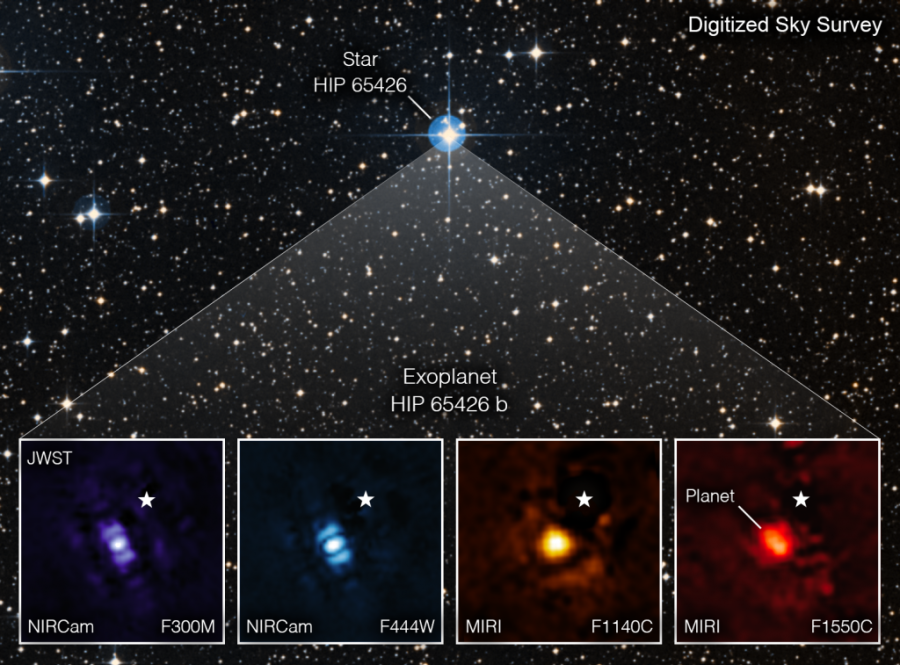
    The study of exoplanets is a key part of the James Webb Space Telescope's science goals. We asked Webb's Deputy Observatory Project Scientist Christopher Stark of NASA's Goddard Space Flight Center to tell us about one of the ways Webb studies other worlds. NASA's James Webb Space Telescope has many different observing modes to study …

  • Webb Observes a Globular Cluster Sparkling with Separate Stars

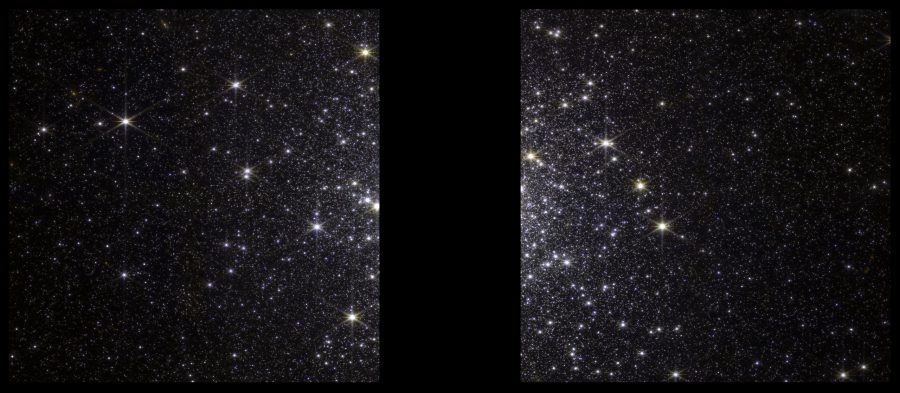
    A rectangular image oriented horizontally appears to be two separate square images with a wide black gap in between. The two squares do not mirror each other exactly or align perfectly together. It looks instead like they are two parts of a larger image that has been obscured in the middle by black strip. Both squares are filled with blue, white, yellow, and red points of light of different size and brightness, most of which are stars. The larger and brighter stars show Webb's distinctive diffraction pattern consisting of eight spikes radiating from the center. Both squares show an increase in density of stars toward the central gap. Altogether, the stars appear to form a loose ball-like shape whose core is obscured by the gap.

    Editor's Note: This post highlights data from Webb science in progress, which has not yet been through the peer-review process. On June 20, 2022, the James Webb Space Telescope spent just over one hour staring at Messier 92 (M92), a globular cluster 27,000 light-years away in the Milky Way halo. The observation – among the …

  • Breaking the Tracking Speed Limit With Webb

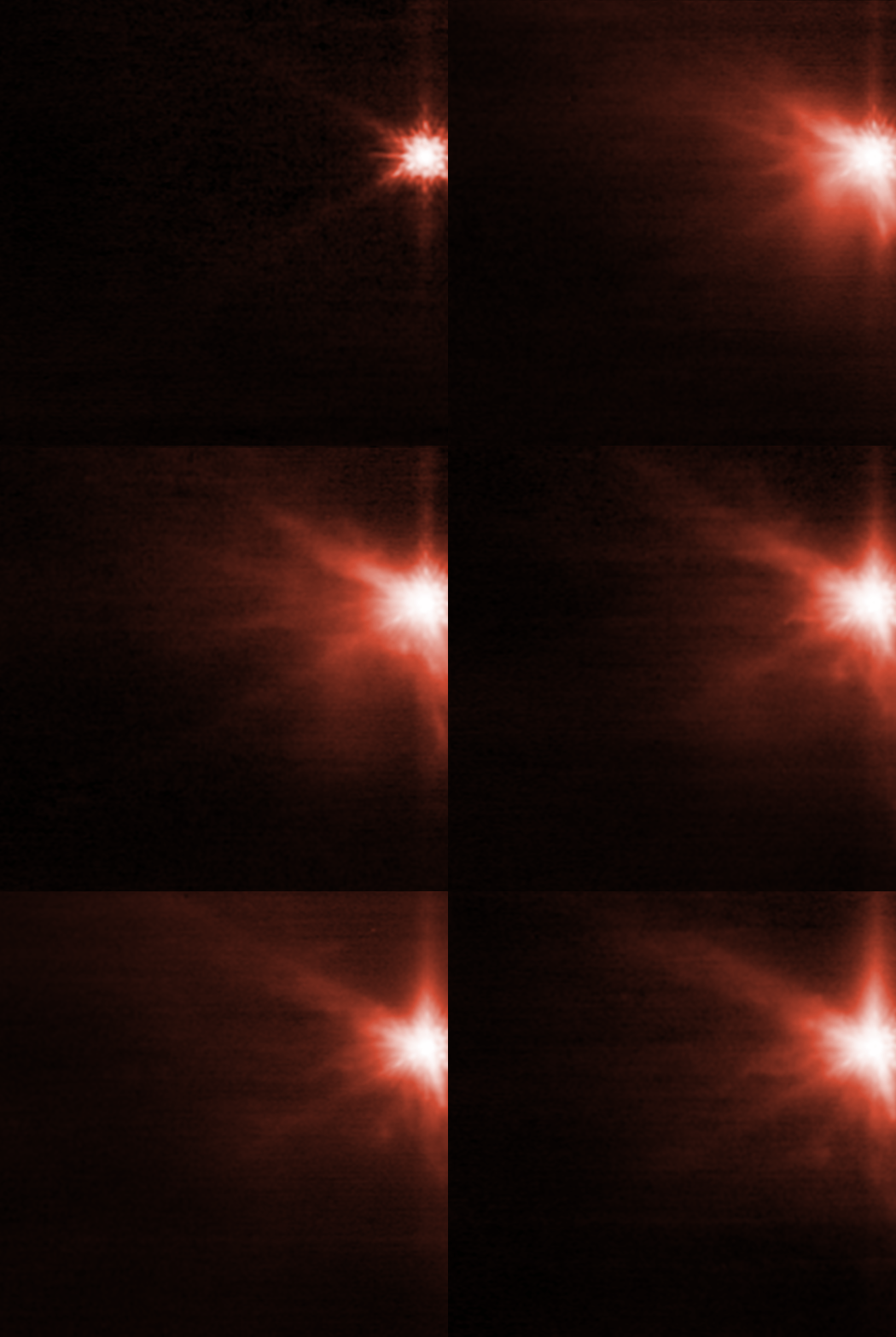
    In September, the James Webb Space Telescope observed as NASA's Double Asteroid Redirection Test (DART) intentionally smashed a spacecraft into a small asteroid, in the world's first-ever in-space test for planetary defense. Today, we hear from Stefanie Milam, Webb's deputy project scientist for planetary science at NASA's Goddard Space Flight Center, about how the Webb …