












Jason 1
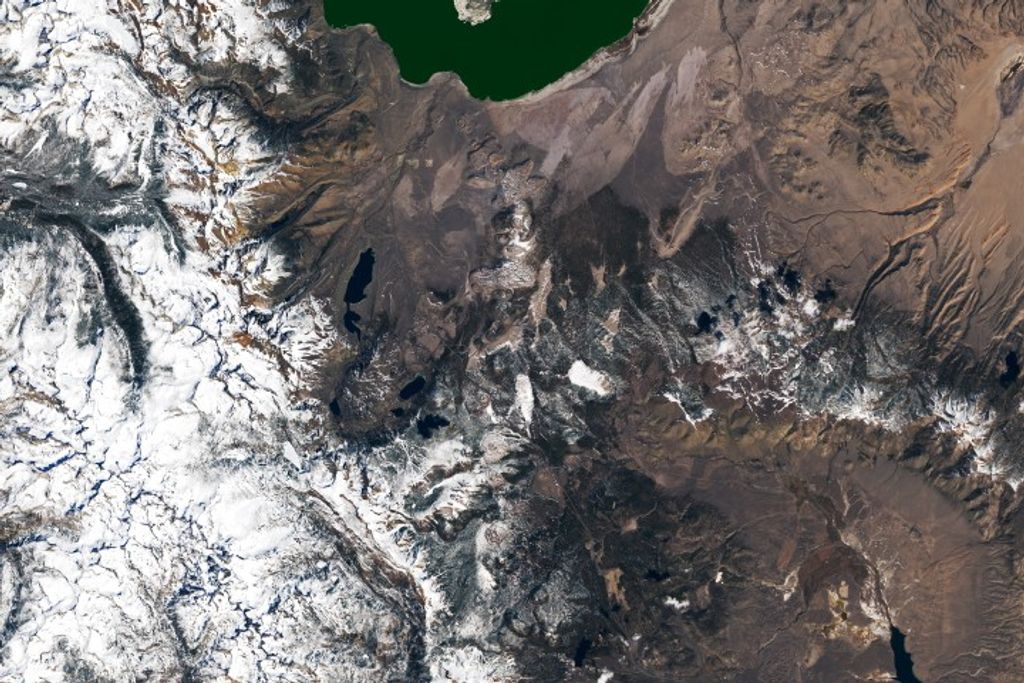
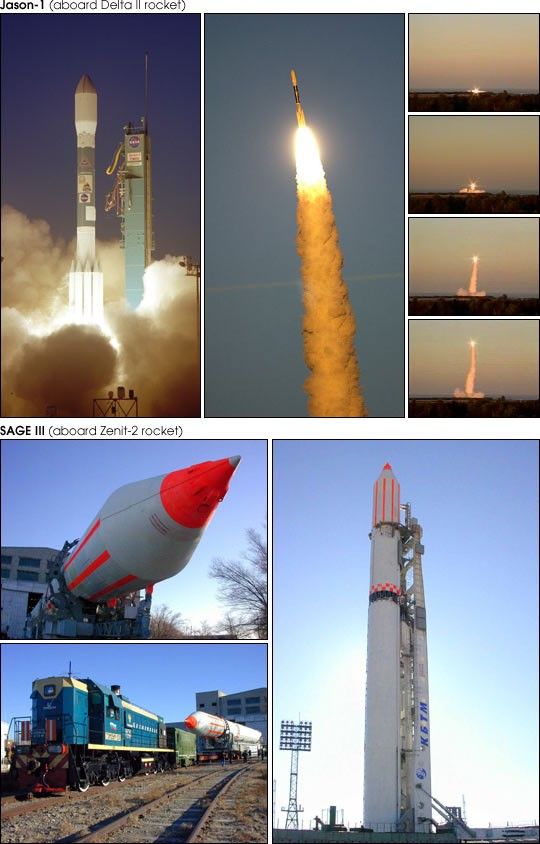
The joint NASA/French Space Agency oceanography satellite Jason 1successfully rode a Delta II rocket into orbit from California’sVandenberg Air Force Base on December 7, 2001. (The top series of photographs showthe launch of Jason-1)
Jason 1 will join its orbiting cousin, the venerable Topex/Poseidonsatellite, to continue observations of the global climate interactionoccurring between the sea and the atmosphere as a result of stored solarenergy. Instruments on the satellite will map variations in oceansurface topography to monitor world ocean circulation, studyinteractions of the oceans and atmosphere, improve climate predictionsand observe events like El Niño. The mission is expected to lastthree years.
For more information, visit the Jason 1 launch page.
SAGE III
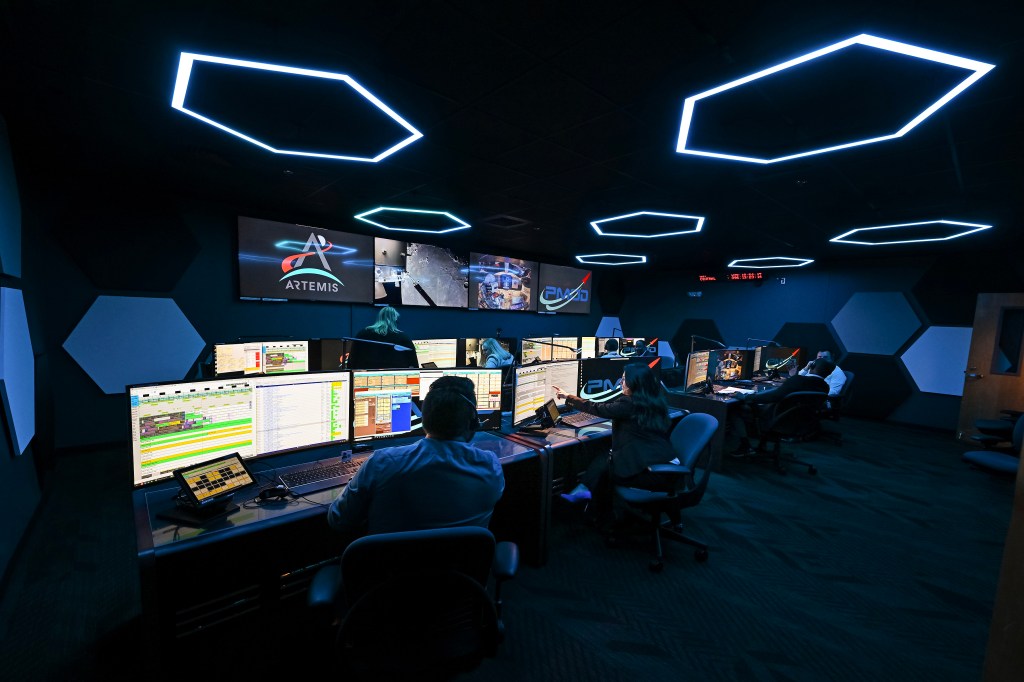
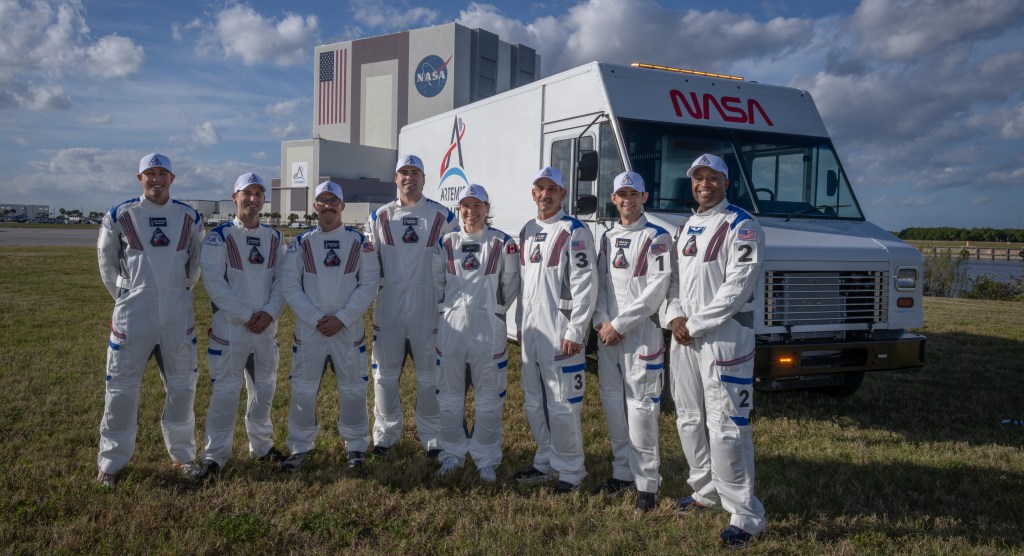
A new NASA remote-sensing satellite instrument took its first stepstoward monitoring the health of the Earth’s upper atmosphere yesterday,December 10, 2001. The Stratospheric Aerosol and Gas Experiment III (SAGE III) was launchedsuccessfully from the Baikonur Cosmodrome in Kazahkstan. (The lower series of photographs showthe launch preparations for the Zenit-2 rocket that carried SAGE III into orbit)
Developed and managed by NASA Langley Research Center, Hampton, Va.,SAGE III aboard the Russian Meteor-3M spacecraft lifted off at 12:36 p.m. ESTon a Ukraine-built Zenit-2 Rocket. SAGE III will make precisemeasurements of ozone, aerosols, water vapor and other gases soresearchers can better understand how and why the climate and ozone arechanging. Scheduled for a three-year mission, the SAGE III/Meteor-3M isa joint partnership between NASA and the Russian Aviation and SpaceAgency (RASA).
After so many years of working on the SAGE III project, today hasbeen a very exciting day for me, Langley and the entire SAGE III team,”said Dr. William Chu, SAGE III project scientist. “So many people haveworked very hard and should feel proud of this greataccomplishment.”
The SAGE III instrument uses a simple technique to provide complexinformation on the stratosphere—its electronic “eye” watches sunsets,sunrises, moonsets and moonrises. Called occultation, the light fromthe sun and moon passes through the Earth’s edge or atmospheric limbwhich SAGE III measures.
“SAGE III locks on to the sun or moon and, as the spacecraft goesbehind the Earth, the instrument measures the dimming of that sunlightor moonlight caused by the Earth’s atmosphere. By making thesemeasurements in the correct color region, SAGE III produces accurateprofiles of ozone or water vapor,” said Dr. M. Patrick McCormick, SAGEIII principal investigator and co-director for the Center of AtmosphericSciences at Hampton University. “SAGE III’s role is to providelong-term measurements of key components of the Earth's atmosphere vitalfor improved understanding of climate, climate change, and human-inducedozone chemistry and trends.”
For more information, visit the SAGE-III site.
References & Resources
Upper left photograph copyright Boeing, all other images courtesy NASA
None