













Launchpad: SAGE III Goes to the International Space Station
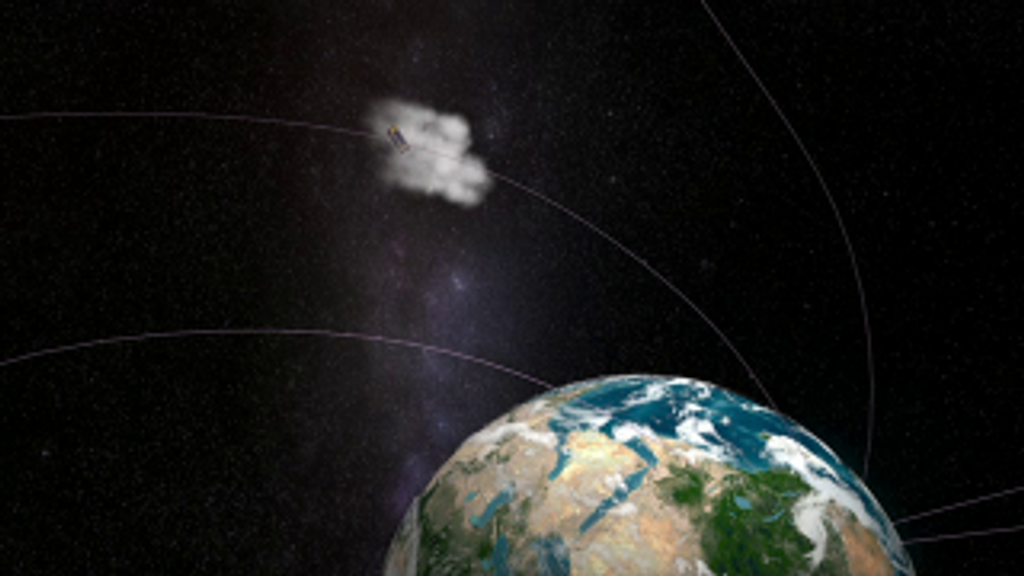
NASA's third generation science instrument, SAGE III, sheds light on how aerosols, water vapor and other gases interact with and affect our atmosphere. See how a unique hexapod helps the instrument stay oriented on the International Space Station and how NASA plans to use moonrise and moonset to double measurement capabilities, helping us truly understand the chemical balance in our atmosphere.
Discussion and writing prompts
1. Earth’s atmosphere contains gases and particles that are difficult or impossible to observe with our eyes. How can instruments such as SAGE III help scientists study parts of the atmosphere that cannot be seen directly?
2. SAGE III must remain precisely oriented as it collects measurements from aboard the International Space Station. Why is accurate positioning important for a scientific instrument, and how does the hexapod help engineers meet this challenge?
3. SAGE III uses sunlight (during sunrise and sunset) and moonlight (during moonrise and moonset) to gather information about Earth’s atmosphere. How can studying the way light travels through the atmosphere help scientists determine what is present in the air?
Background Information
Grades 3 through 8
- NASA Space Place Stratosphere (webpage)
- NASA Kids Atmosphere (website)
- NASA Space Place Ozone (webpage)
Grades 6 through 8
- Ducksters Ozone Layer Depletion (webpage)
Grades 6 through 12
- NASA Aura (webpage)
- My NASA Data About the Atmosphere (webpage)
- NASA eClips Real World: Ozone Alert (video)
- NASA NASA Ozone Watch (webpage)
- NASA Earth Observatory World of Change: Antarctic Ozone Hole (website)
- NASA SAGE III on the ISS: Continuing Important Observations of the Stratosphere (video)
- NASA Science Sage III - ISS (webpage)
Activities
Grades 3 through 8
- NASA Space Place Get Your Gummy Greenhouse Gases (webpage)
Grades 3 through 12
- NASA SAGE III Educational Outreach Lessons (webpage)
Grades 6 through 8
- My NASA Data What Is Ozone? (webpage)
- NASA Ozone: Good, Bad or Both? (pdf)
Grades 6 through 12
- NASA What’s in the Atmosphere? (interactive)
- GLOBE The Earth System Poster: Exploring Further Relationships: Aerosols (pdf)
- SAGE III Education SAGE III on ISS: Education Materials (Livebinder)
- GLOBE Atmosphere - Aerosols, Water Vapor (webpage)
- My NASA Data About the Atmosphere (webpage)
Grades 9 through 12
- NASA Aura Education: Ozone Lesson Plans (webpage)