

















30 Years of Exoplanets
The night sky has always been full of stars (so many stars!), for humans to look up and see. Sometimes we wondered: Were any of them like our Sun, with other worlds spinning around them?
In 1995, after decades of searching (and millennia of wondering), astronomers confirmed the first planet orbiting a Sun-like star. That discovery, 51 Pegasi b, was stranger than anything in our solar system — a huge planet, about half the size of Jupiter, orbiting faster and closer to its star than Mercury is to the Sun. But a door to new worlds had opened.
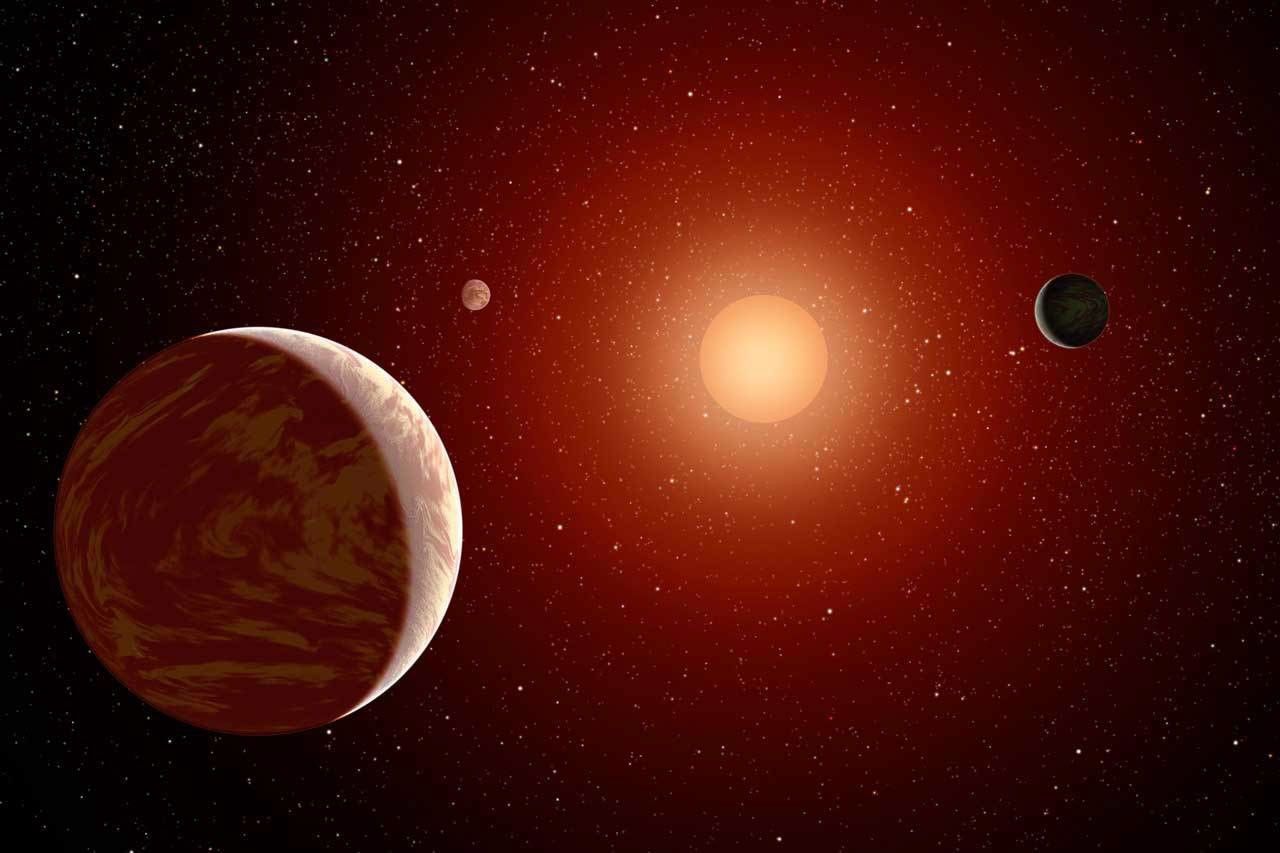
Scientists found a dozen more in the next three years, and about 175 in the first 10 years after that 1995 breakthrough. After 20 years, nearly 2,000. Today we've confirmed more than 6,000 worlds outside our solar system, and the pace of discovery continues growing faster.
‘It Was Exhilarating... Science History Was Happening Before Our Eyes’
October 1995 – A European team announced they had discovered a planet orbiting a distant star; the science community mostly dismissed it as yet another false detection. Then a week later a duo at California’s Lick Observatory confirmed the discovery – they could scarcely believe it themselves, but they spent four nights tracking 51 Pegasi b, the first exoplanet detected orbiting a Sun-like star. Read the story of these planet-hunting pioneers, who went on to find 70 of the first 100 exoplanets ever discovered.
Read ‘Exoplanets 20/20: Looking Back to the Future’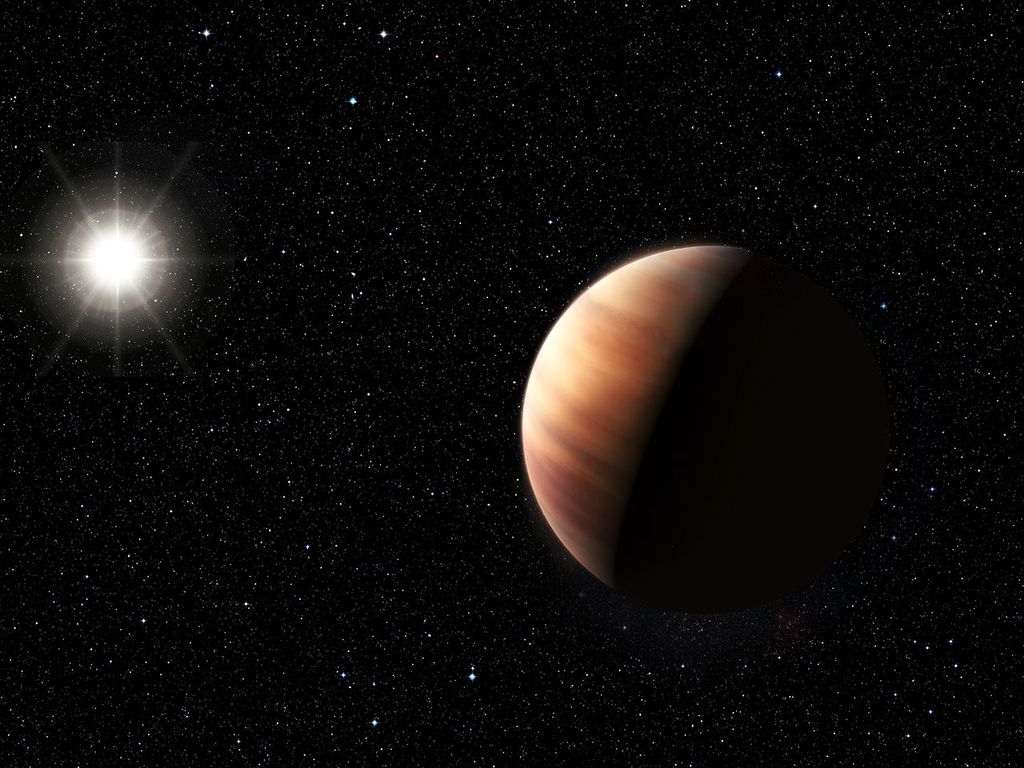
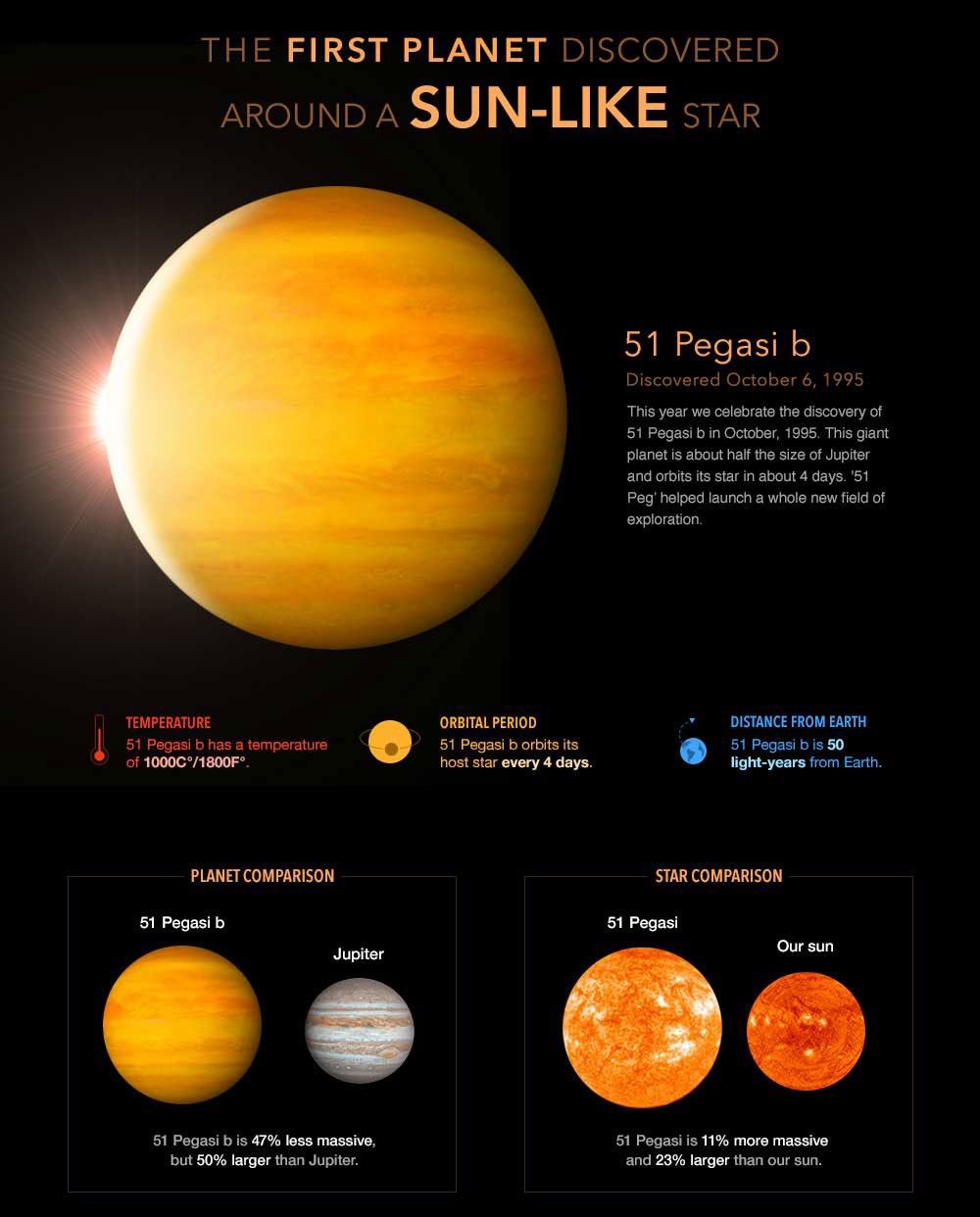
NASA Confirms 6,000 Exoplanets
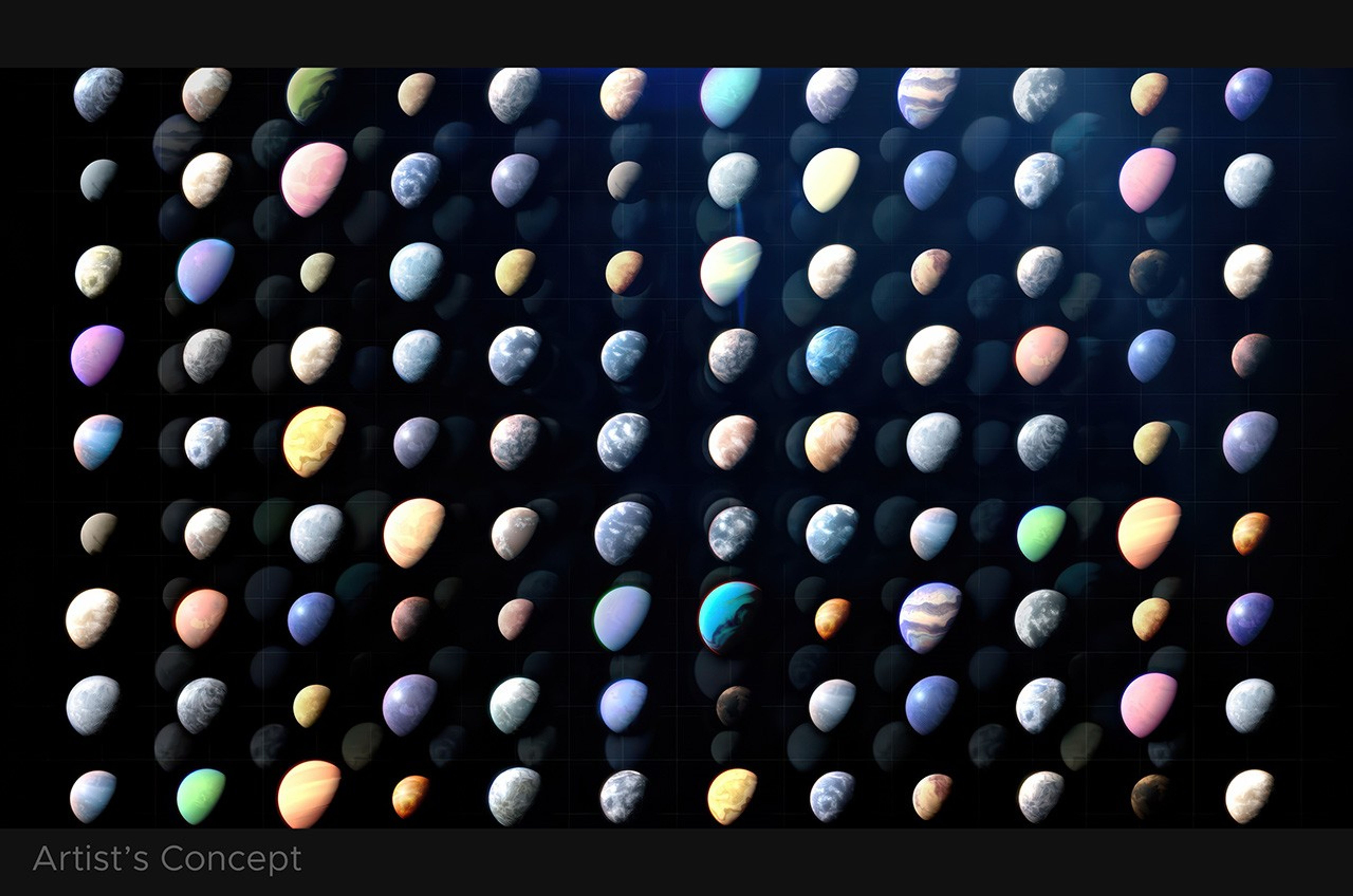
The official number of exoplanets — planets outside our solar system — confirmed by NASA reached 6,000 in September 2025. The first exoplanet around a Sun-like star was discovered only 30 years earlier, in October 1995. Since then, the number has rapidly increased as technologies improve.
Thousands more candidate planets await confirmation, and each confirmed planet enables scientists to learn more about the conditions under which planets can form, how common planets like Earth might be, and where to look for them.
Exoplanet Catalog
Learn more about every confirmed exoplanet — more than 6,000 and counting — in this continuously updated resource. View interactive 3D models, read descriptions and vital statistics, and filter by exoplanet type, or by the method used to discover it, or by the spacecraft, observatory, or other facility that found it.
Browse the Exoplanet Catalog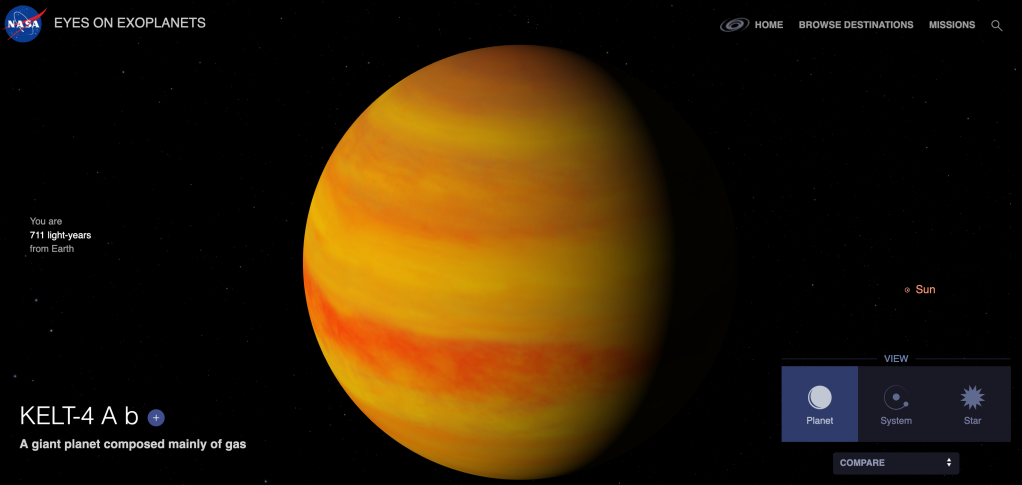
Watch — and Listen — to Exoplanet Discoveries
On March 21, 2022, the number of known exoplanets passed 5,000, according to the NASA Exoplanet Archive. Starting in 1995, it took exoplanet hunters about 18 years to discover and confirm the first 1,000 exoplanets known to science; by comparison, increasing the total from 5,000 to today's 6,000-plus has taken less than four years.
This 360-degree animation and sonification tracks humanity's discovery of the planets beyond our solar system over time. Turning NASA data into sounds allows users to hear the pace of discovery with additional information conveyed by the notes themselves.
The Hunt for Habitable Worlds
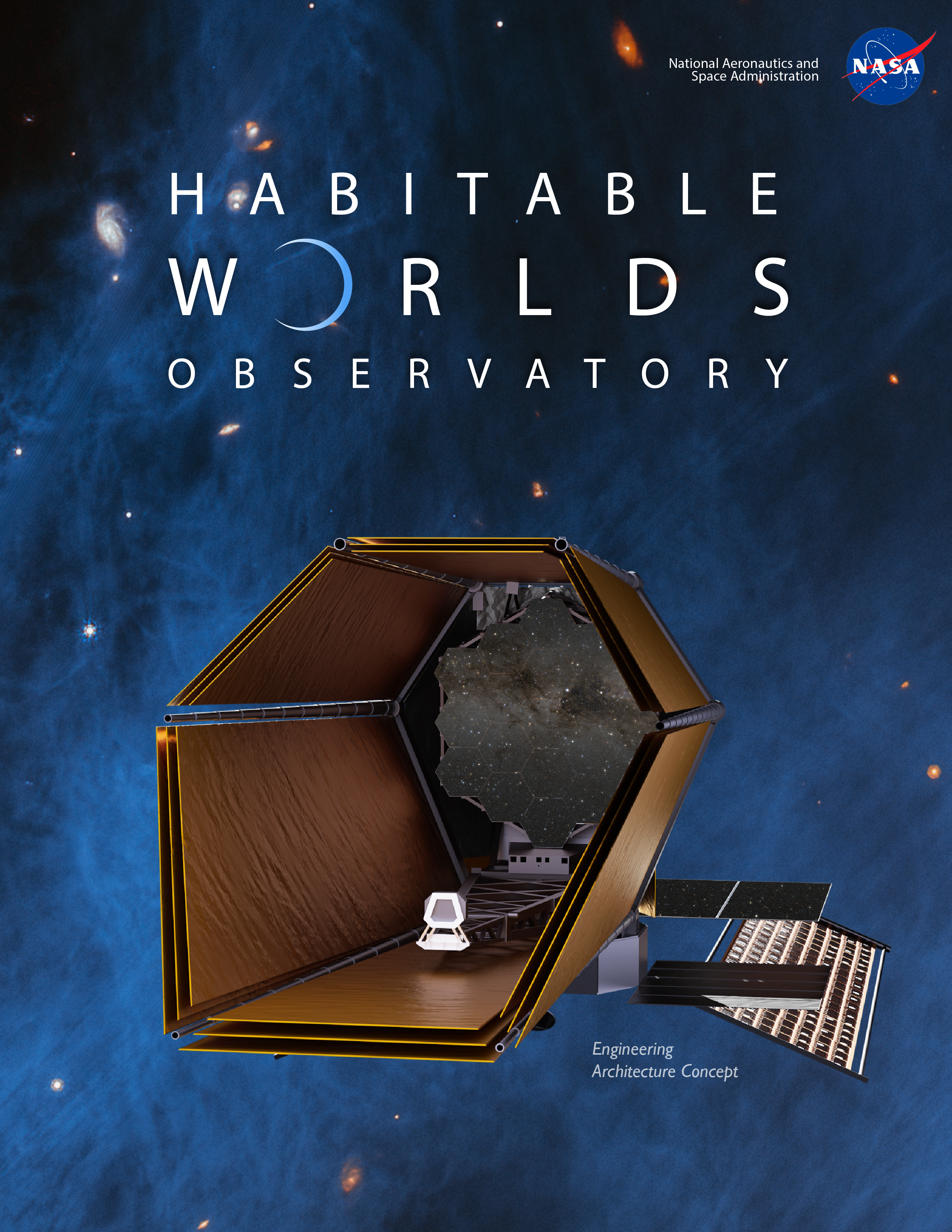
The Target Star Catalog is a guide to intriguing nearby stars that astronomers want to study with future missions, such as the Habitable Worlds Observatory, which will be built specifically to find and observe Earth-like exoplanets, to search for signs of life.
Browse the Target Star Catalog