









Space Weather
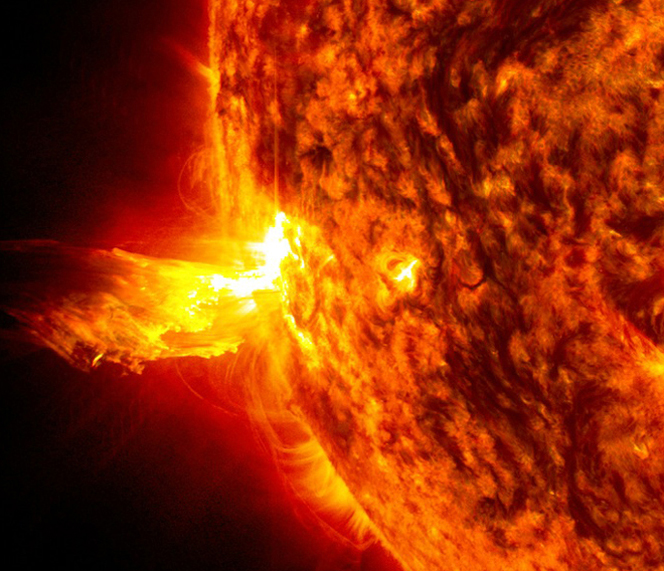
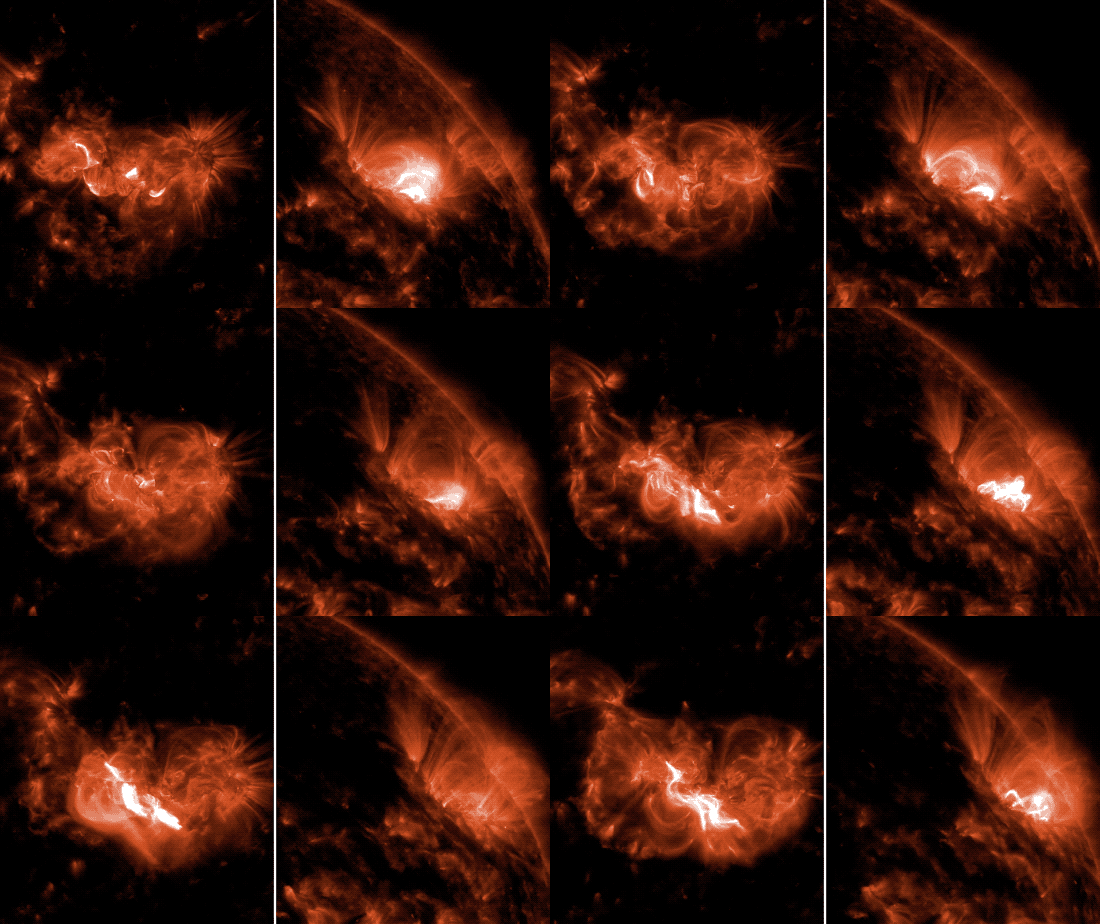
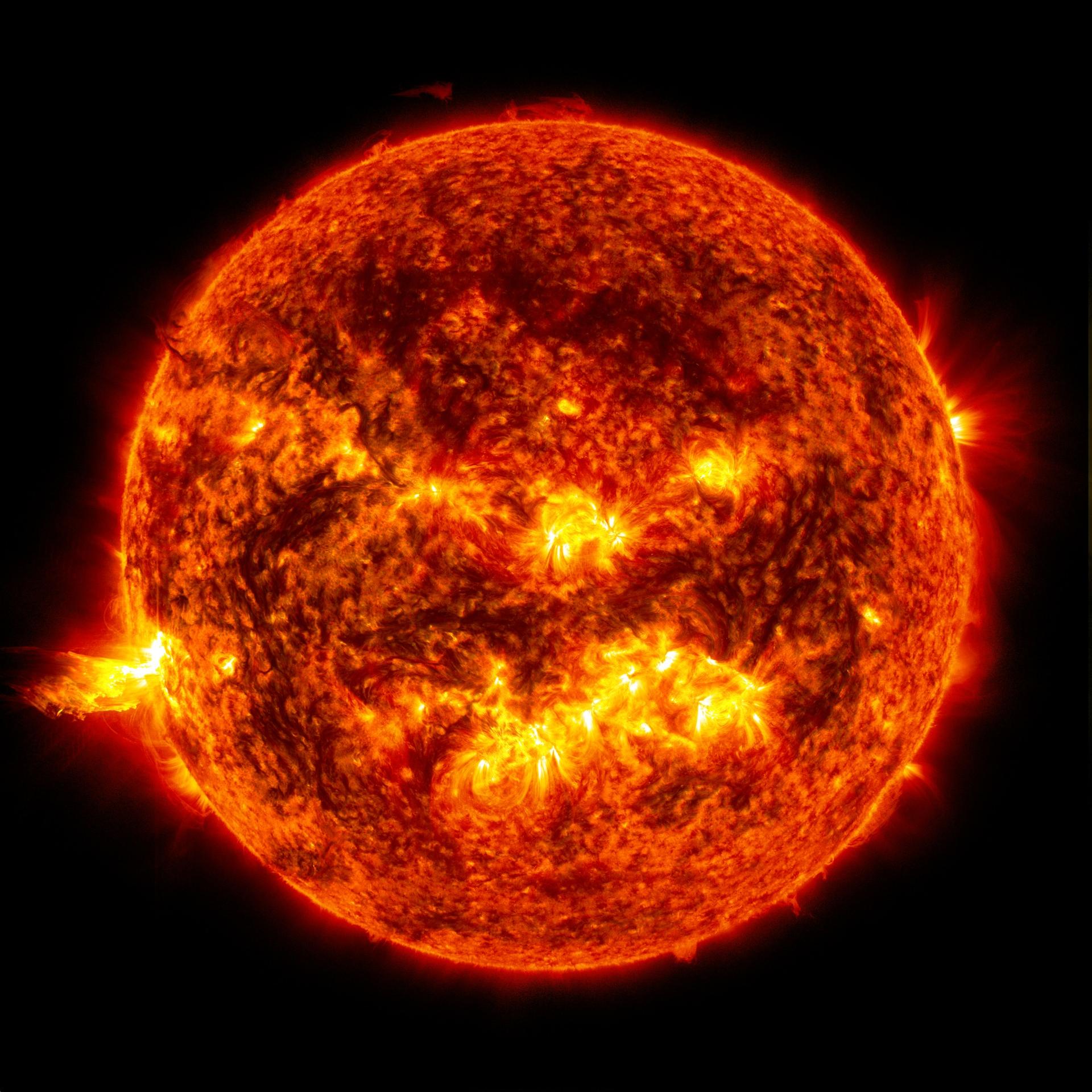
Solar flares, coronal mass ejections, solar particle events, and the solar wind form the recipe for space weather that affects life on Earth and astronauts in space.
Space Weather and You
While mostly invisible and totally invincible, space weather is all around us and could have profound impacts on our daily lives. NASA's Space Weather Program advances the research and applications to help predict and track space weather across the solar system.
The Sun and Your Everyday Life
Though it is almost 100 million miles away from Earth, the Sun influences our daily lives in ways you may not realize.
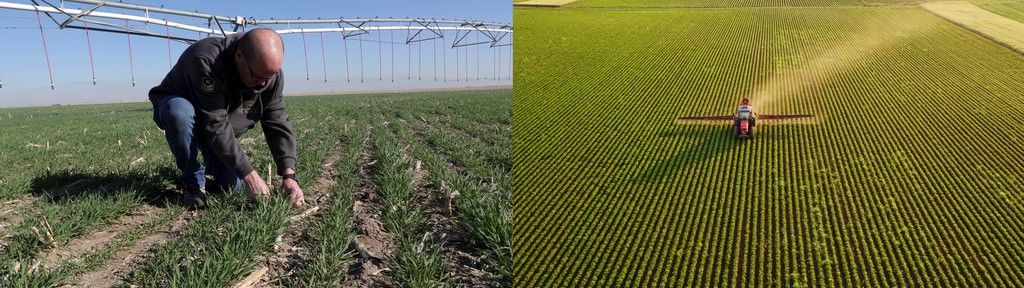
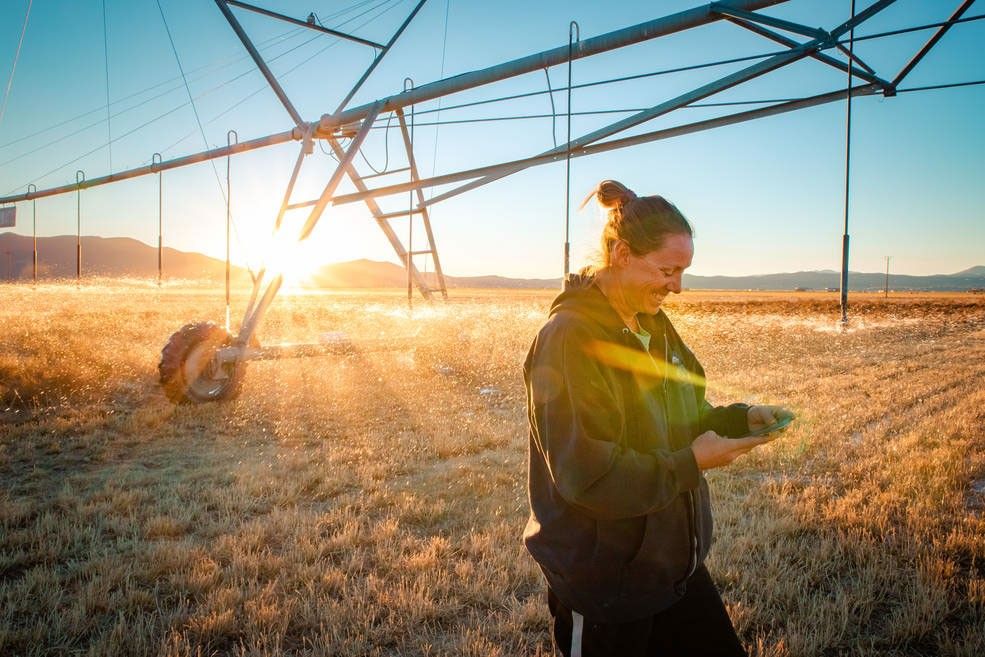
A farmer stops their planting operations due to poor GPS signal for their autonomous tractor. A power grid manager changes the configuration of their network to ensure a blackout doesn’t occur due to voltage instability. A pilot switches to back-up communication equipment due to loss of high-frequency radio. A commercial internet company providing service to the military must change the orbit of their spacecraft to avoid a collision due to increased atmospheric drag.
These are a few examples of the ways the Sun influences our everyday lives. This is what we define as space weather – the conditions of the space environment driven by the Sun and its impacts on objects in the solar system.
NASA, through the Space Weather Program, studies the physical processes of space weather and its impacts in order to develop the understanding that enables successful prediction and applications.
The Space Weather Program also supports NASA’s robotic and human exploration at Earth, the Moon, Mars, and beyond.
Science Enabling Space Weather Forecasting and Decision Making
A successful forecast or an improved decision is first built on scientific understanding, and this is where NASA supports user-driven space weather research and applications.
NASA implements the Space Weather Research-to-Operations-to-Research (R2O2R) Program Element on behalf of and in collaboration with NOAA, DoD, and NSF to accelerate targeted space weather research toward operational implementation.
R2O2R refers to the cyclical process by which basic and applied research activities (R), having been identified as having the potential for improving forecasting capabilities, are matured in a targeted way toward a formal operational implementation (O) and, once ”operationalized,” subsequent needs for refinements are conveyed back to the research community (R).
NASA's Space Weather Instrument Pipeline is another pathway to host space weather instruments on commercial and other space-based platforms. To date, NASA has selected three instruments for the Pipeline and released two RFIs to gather community input to inform the future of the initiative.
International Space Station, Artemis, and Mars
Protecting Astronauts and Assets in Space
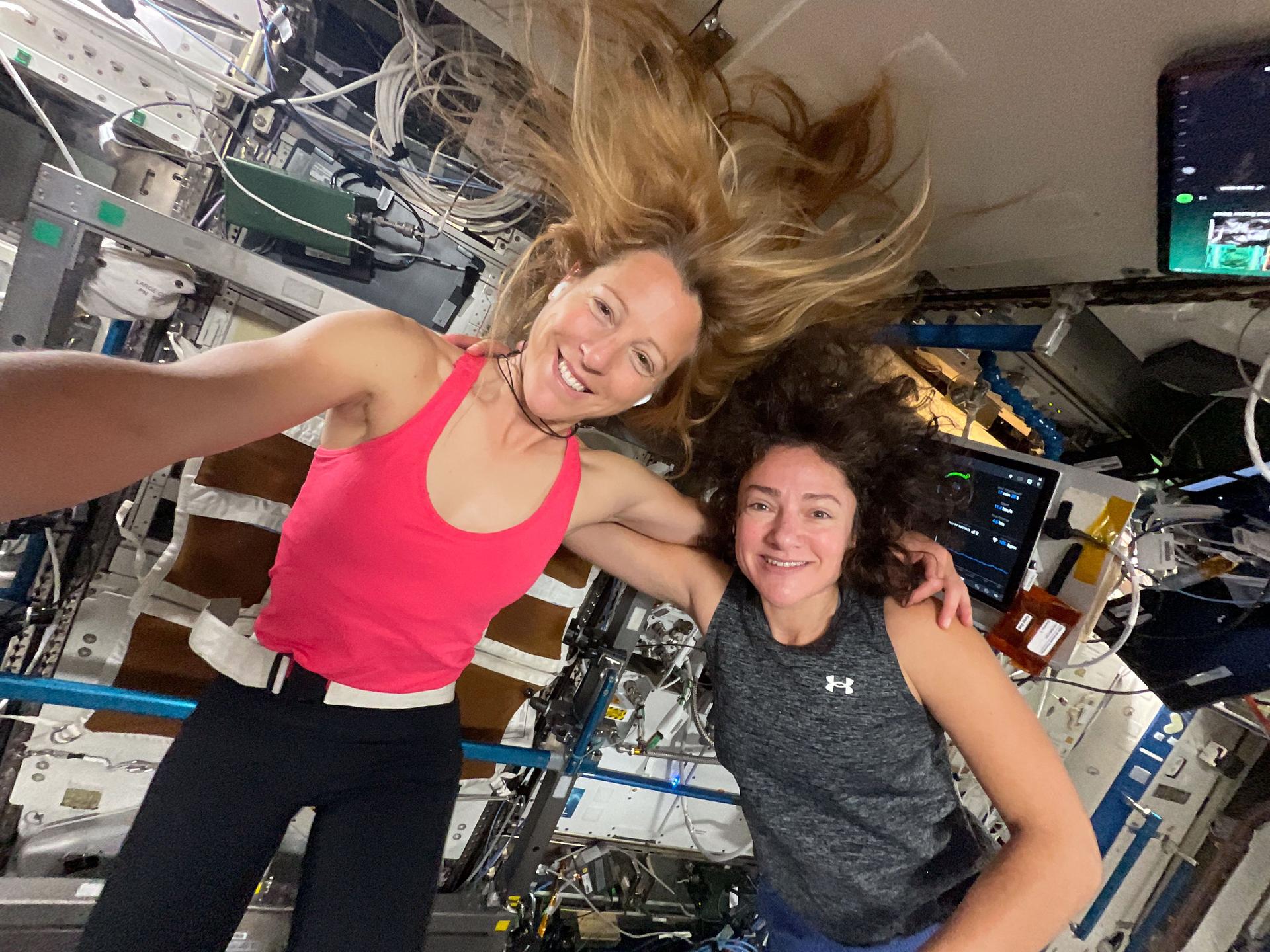
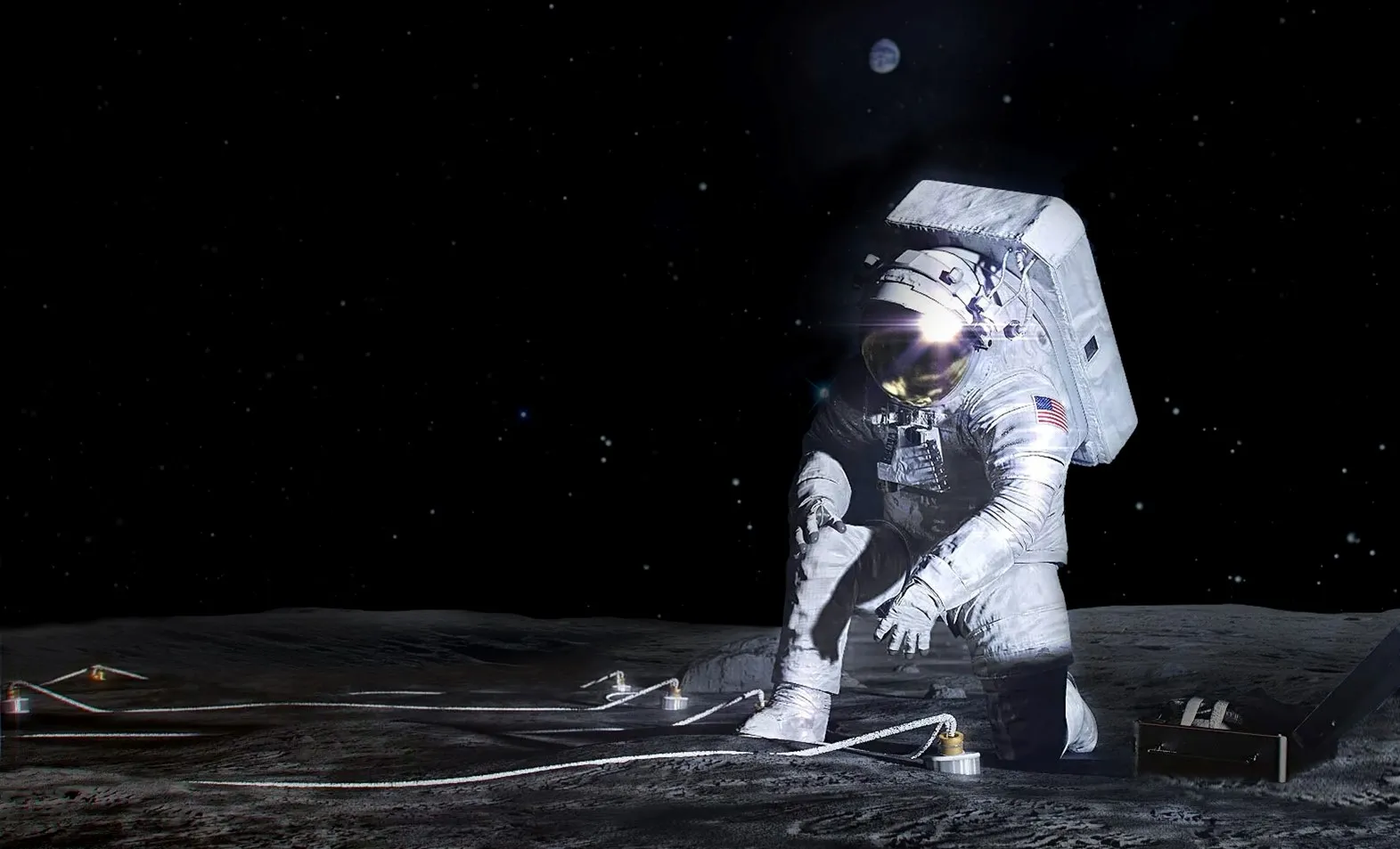
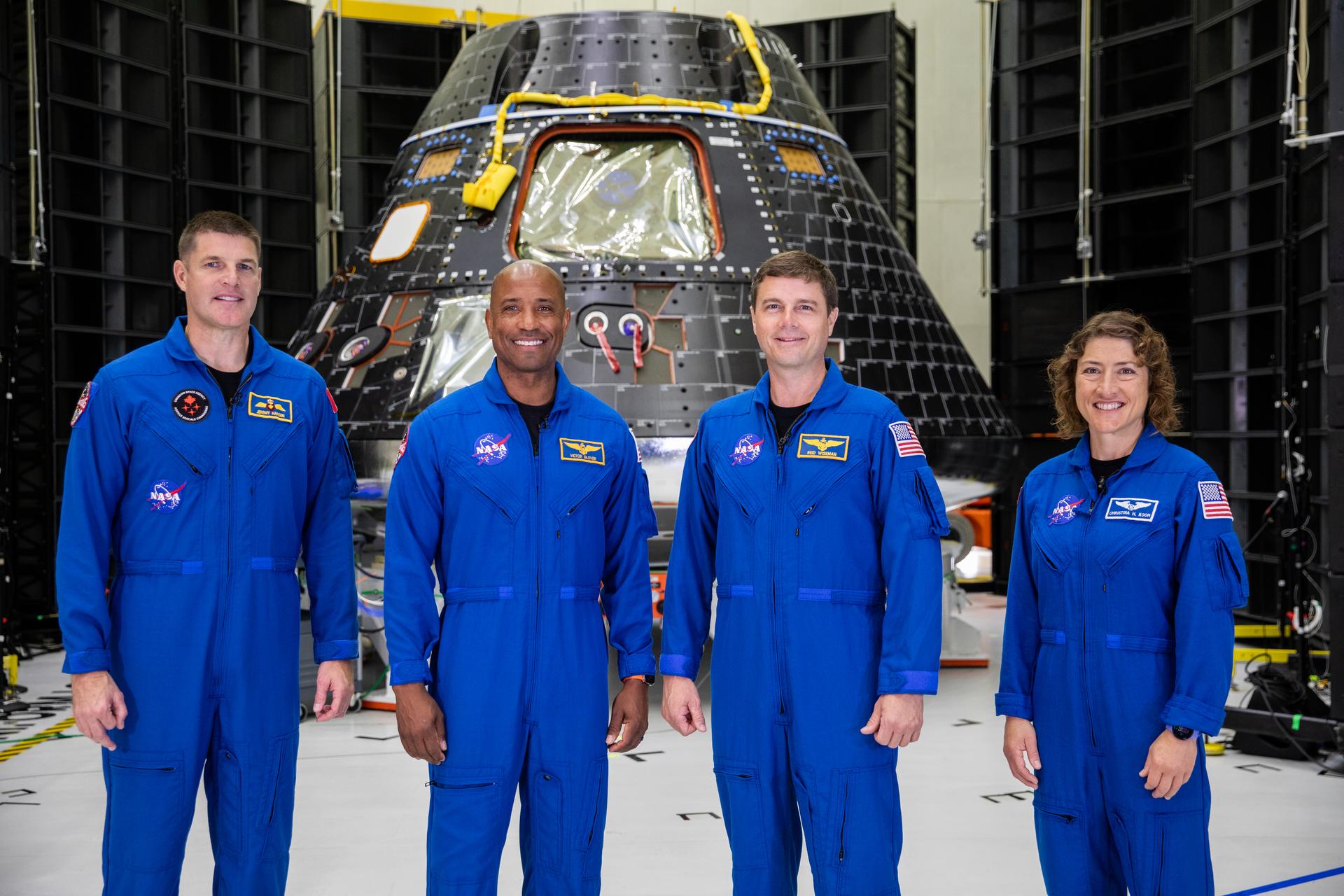
Beyond Earth's protection, astronauts are exposed to the harsh environment of space.
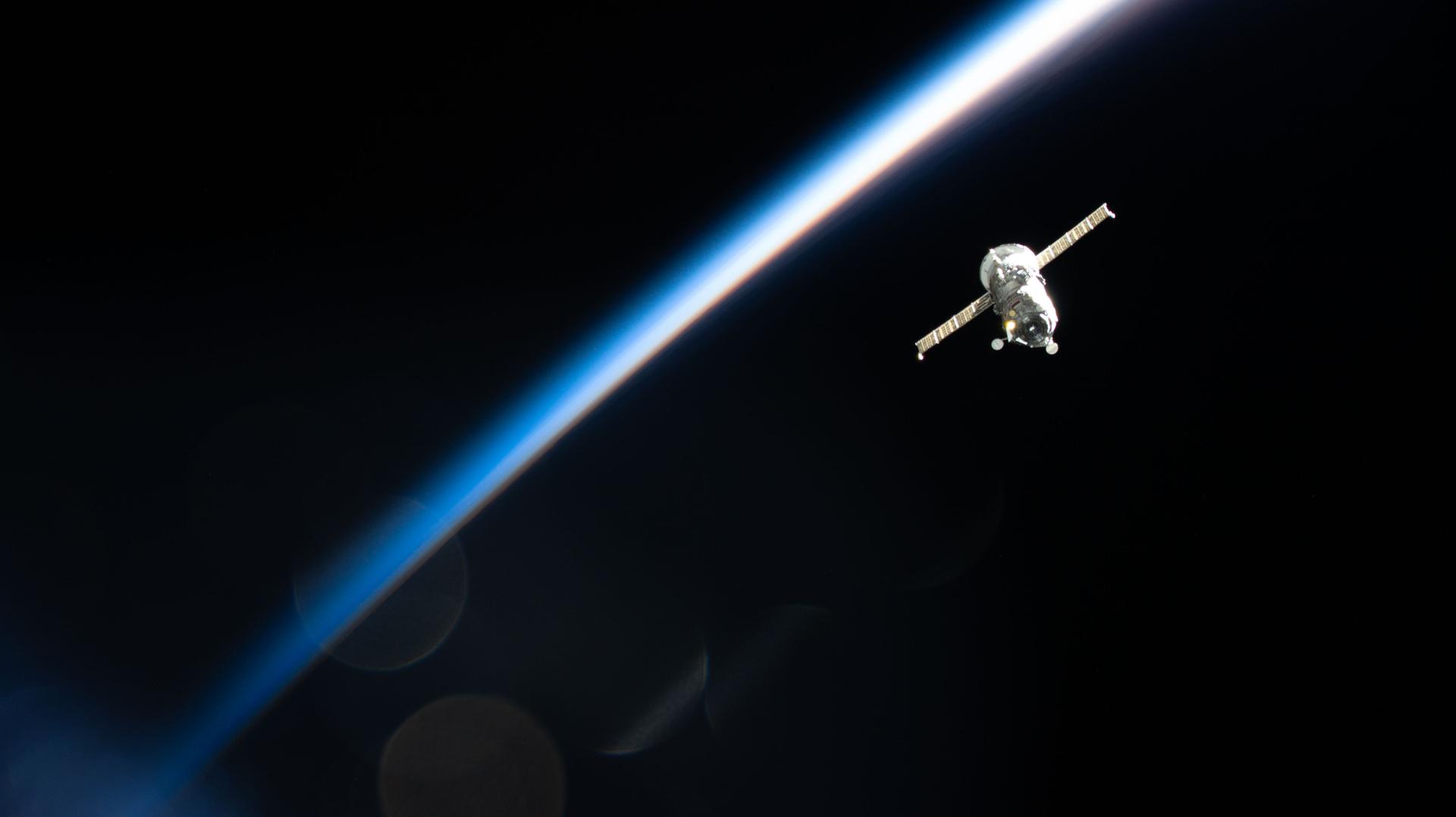
Heliophysics Division missions and applied research support activities to keep astronauts and spacecraft situationally aware across the solar system to the potential threats of space weather.
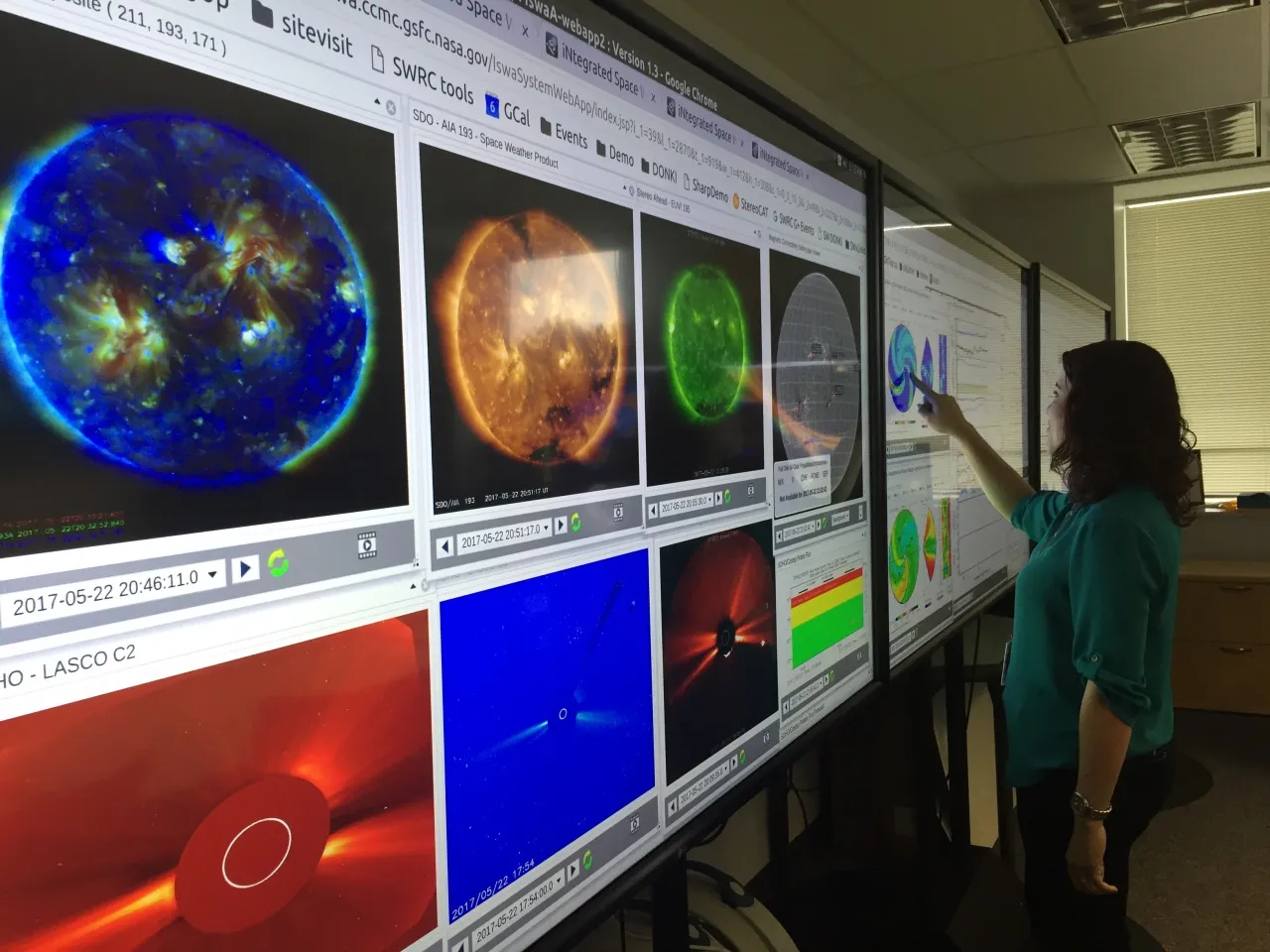
NASA’s Moon to Mars Space Weather Analysis Office (M2M SWAO) conducts real-time space weather assessments to support the development and validation of new capabilities for understanding space weather impacts on NASA robotic and human exploration activities.
M2M SWAO collaborates with the NASA Community Coordinated Modeling Center (CCMC) and NOAA Space Weather Prediction Center (SWPC) to support NASA Space Radiation Analysis Group (SRAG) during NASA human exploration missions like Artemis I in 2022.
Space Weather Program Missions
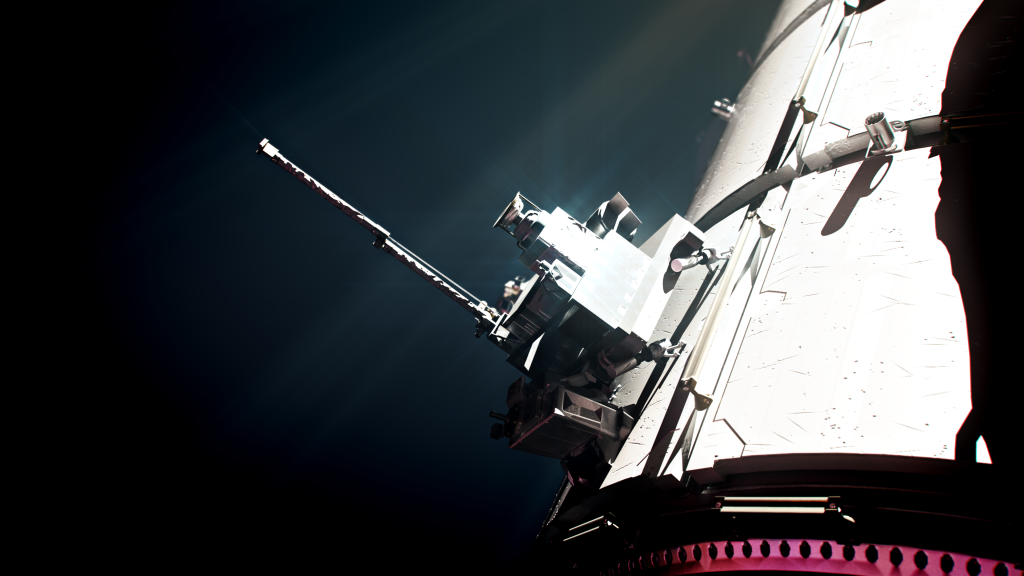
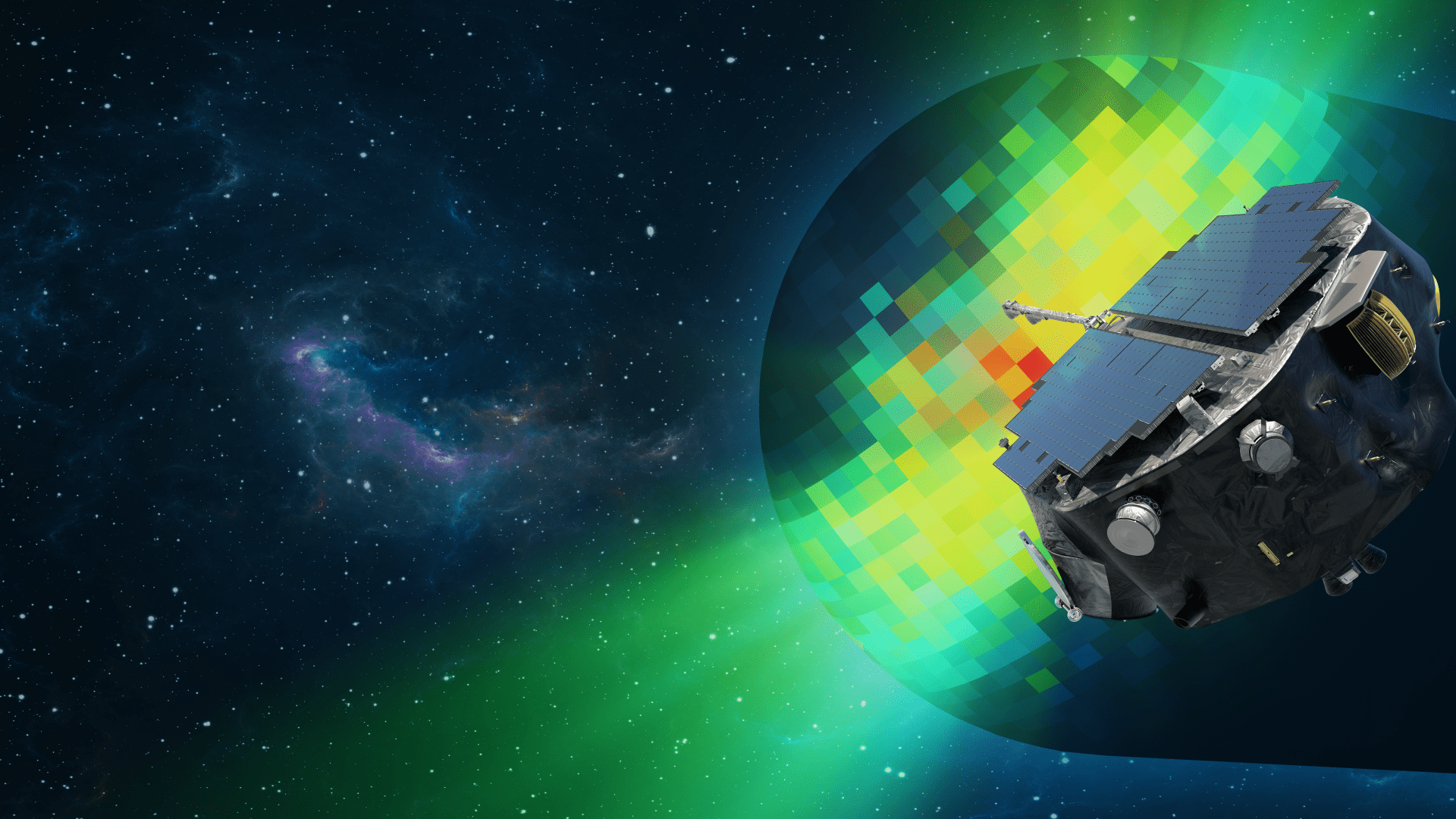
HERMES
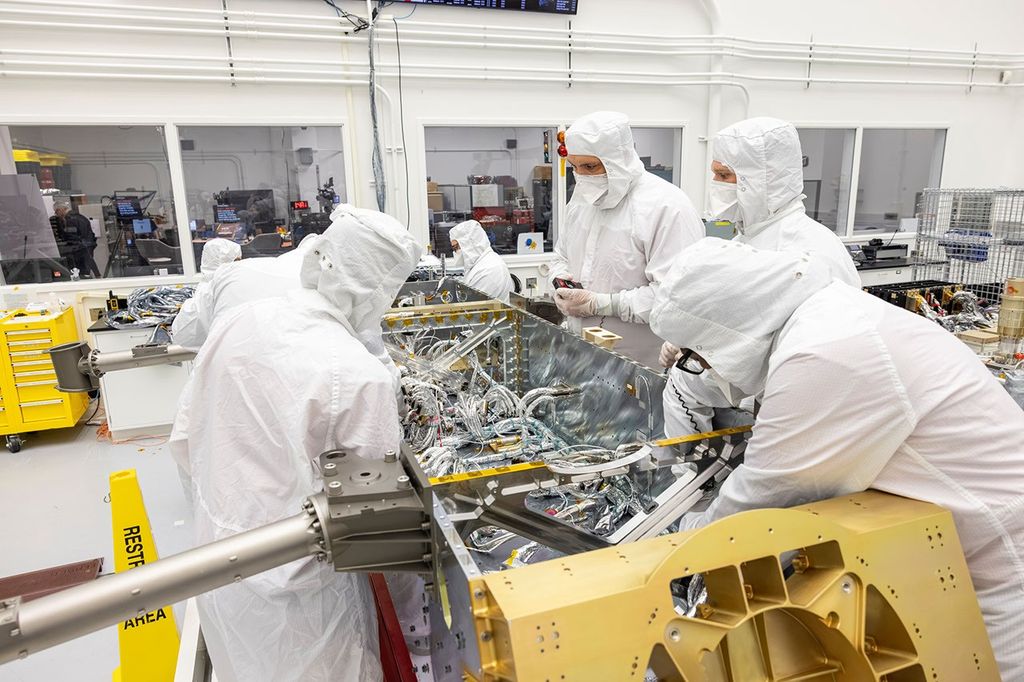
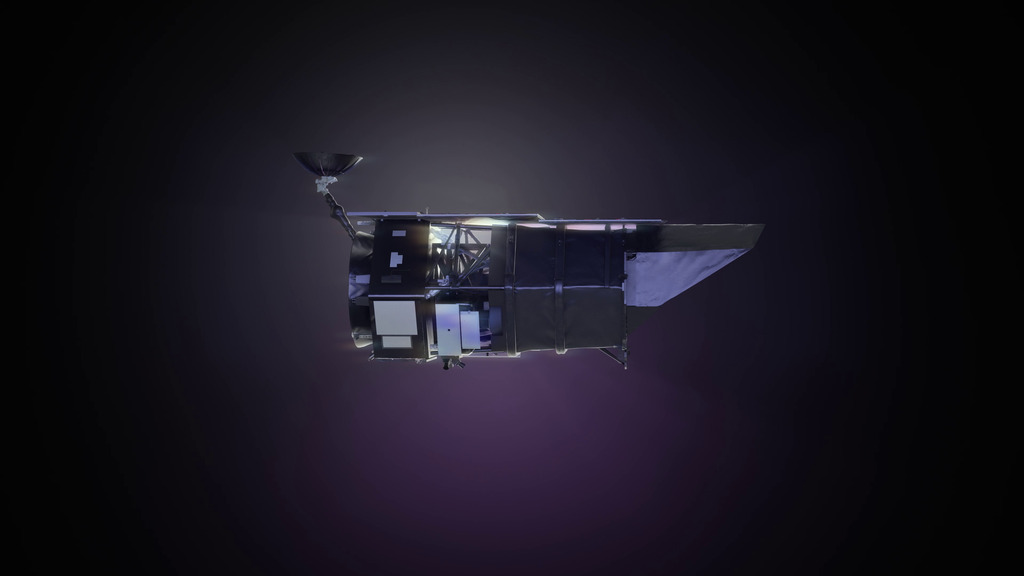
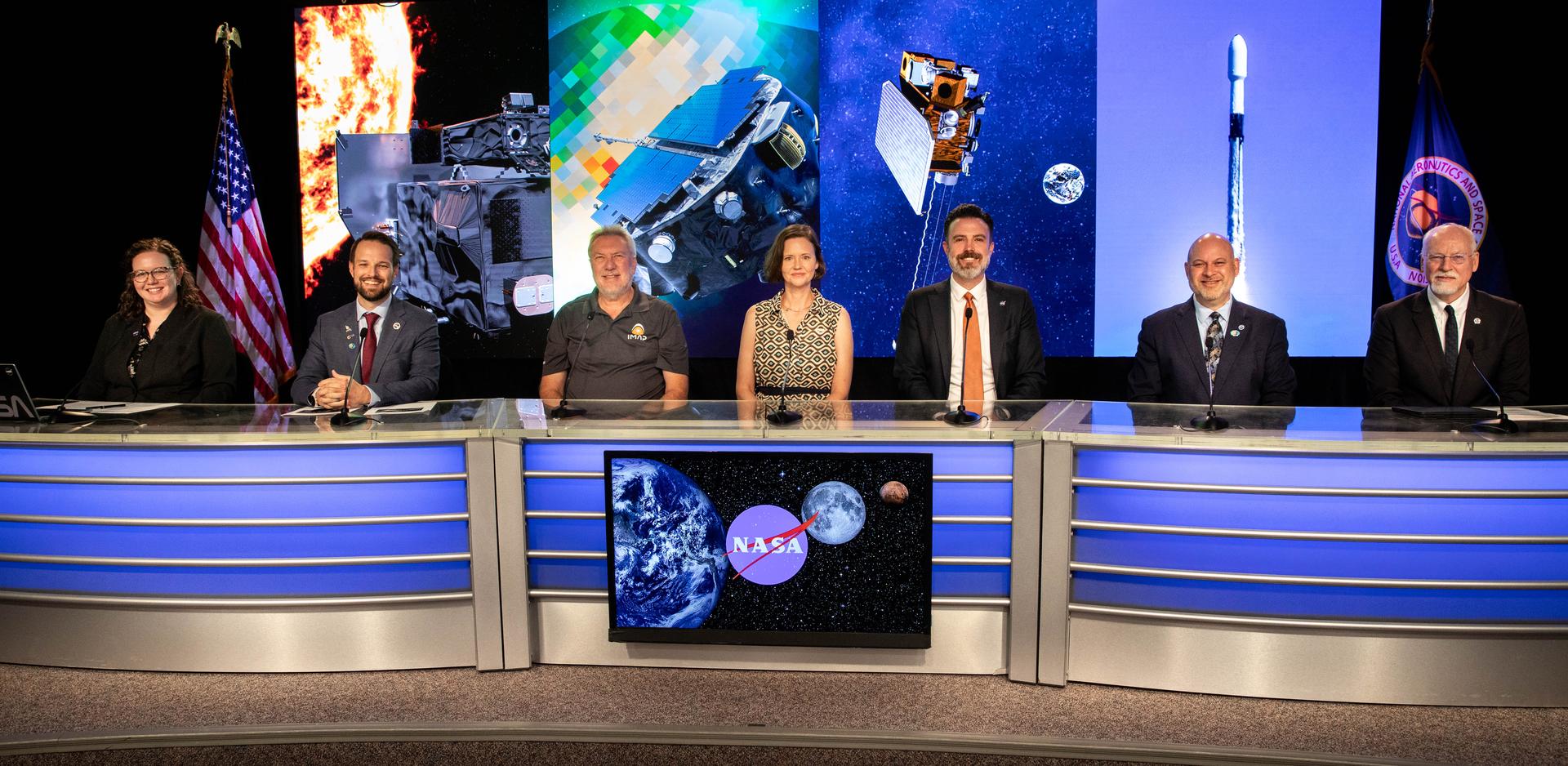
HERMES (Heliophysics Environmental and Radiation Measurement Experiment Suite) is a space weather instrument package that will fly on the outside of the Gateway lunar space station to conduct multipoint studies of the structure of the solar wind in Earth's magnetotail.

Vigil
ESA’s Vigil space weather mission will study the Sun from the Sun-Earth Lagrange Point 5 to give researchers and forecasters a critical vantage point of the Sun and its eruptions. NASA is contributing the Joint EUV coronal Diagnostic Investigation (JEDI) instrument to this mission in order to study the creation of the solar wind and solar eruptions.
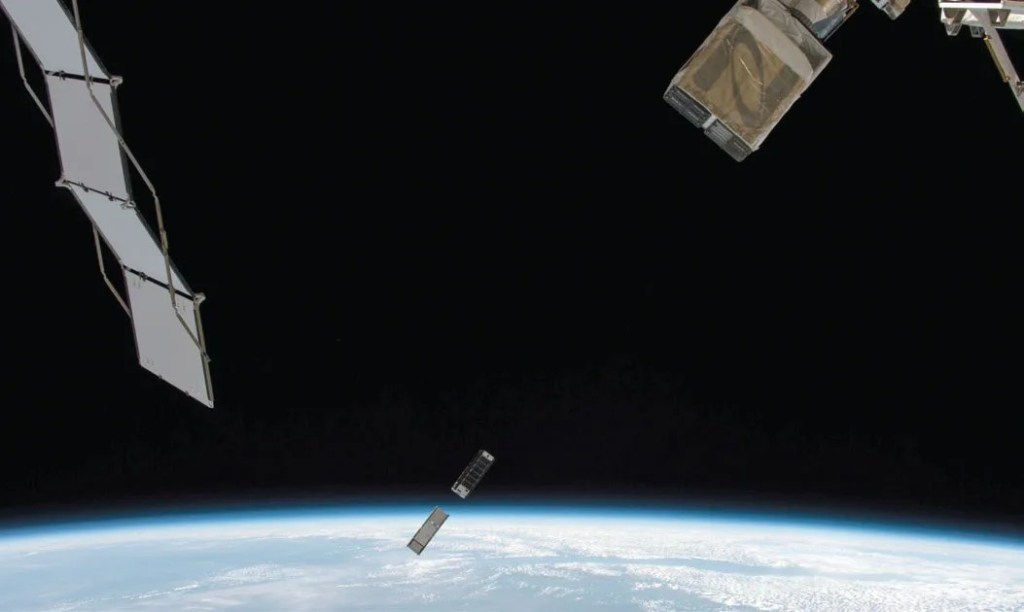
Space Weather CubeSats
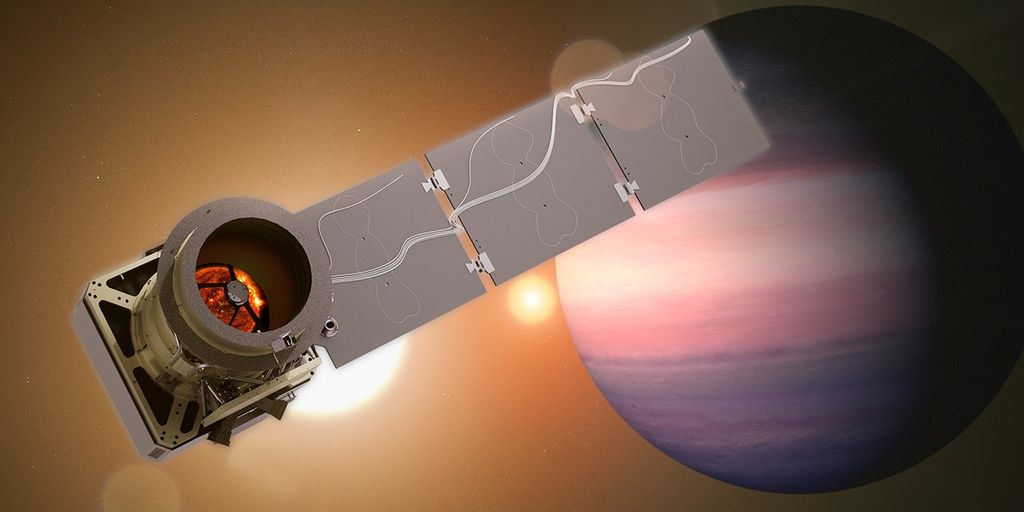
A first-generation testbed for space weather innovation through small satellites. Four missions selected in 2021 will enable advancements in our understanding of space weather, ability to forecast space weather, and serve as pathfinders for potential future measurements.
NASA Space Weather Program
Guiding Strategy
Advance scientific understanding of the drivers, responses, and impacts of space weather to enable user-driven applications
Identify research focus areas, observation needs, and technology gaps in user-driven space weather applications
Coordinate within the Heliophysics Division and with other government agencies to close research, observation, and technology gaps and transition outcomes to space weather application activities

Improve the accuracy and timeliness of space weather forecasts and nowcasts
Routinely identify space weather forecaster (i.e., NOAA SWPC, Air Force 557th Weather Wing) and analyst (i.e., NASA M2M SWAO) user needs
Meet space weather forecaster and analyst user needs and other defined operational outcomes by supporting targeted activities that advance predictive modeling, data visualization, and other capabilities
Exploit recent scientific and technological advances including artificial intelligence to build novel forecasting and nowcasting tools
Implement validation and verification activities for space weather forecasting and nowcasting capabilities
Improve space weather prediction capabilities through a strategic data plan that employs a “systems approach” and leverages stand-alone missions, instrument hosting, and commercial partnerships
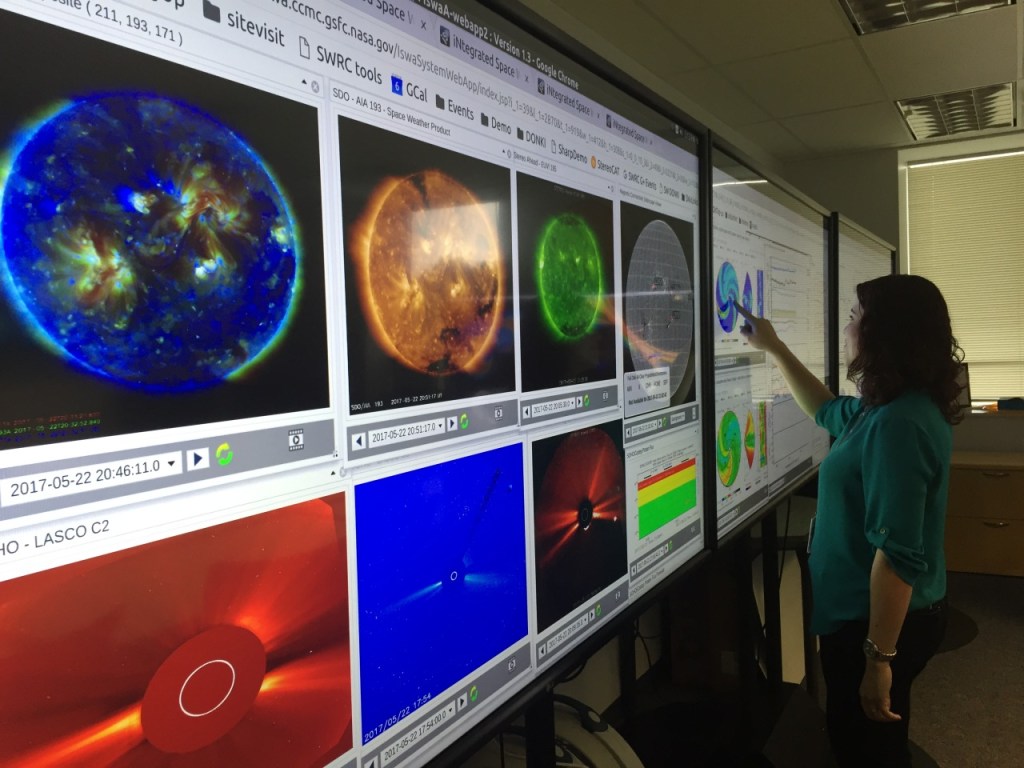
Address the decision-making needs of users with science applications, support the transition of products from developmental to operational use, and provide targeted training to researchers and users
Routinely identify user needs for space weather data, products, tools, and training to support decision making
Implement the Space Weather R2O2R3 Program Element on behalf of SWORM4 to ensure space weather applications focus on user needs and operational outcome objectives
Transition space weather applications to the operational environment of the respective user
Foster co-production opportunities to connect researchers, forecasters, and end-users to enable successful application activities build relationships that enable future application activities
Support and leverage NASA robotic and human exploration of the solar system
Routinely identify NASA robotic and human exploration user needs for space weather decision-making
Support space weather research and applications efforts that address NASA human exploration user needs at Earth, at the Moon, in transit to Mars, at Mars, and beyond
Ensure NASA’s M2M SWAO is meeting NASA user needs and advancing space weather prediction techniques for transition to NOAA and DoD, as appropriate
Support training on space weather for NASA missions and astronauts
Collaborate with NASA’s Moon to Mars Strategy and Architecture programs to enable opportunities to address space weather and heliophysics science.
Harness opportunities to make measurements relevant to space weather on NASA human exploration missions
Build and sustain partnerships across all sectors of the space weather enterprise
Continue NASA participation and leadership within US interagency and international activities in space weather
Expand engagement with and support of current and emerging user communities through involvement in projects, missions, and participation in their meetings
Build mutually beneficial relationships with national security and commercial sectors in space weather
Sustain a substantive partnership with the US academic sector that supports their efforts and growth, meets NASA needs, and jointly builds the next generation of space weather applications experts
Build more opportunities for citizen science in the space weather community
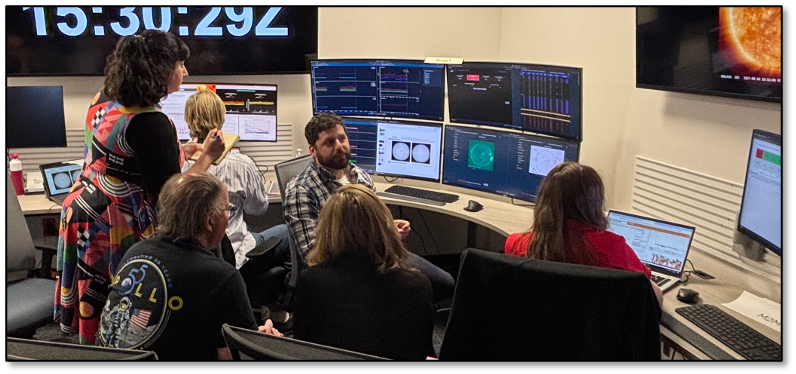
Engage society on the practical benefits of space weather knowledge and applications.
Develop and implement a communications plan for the NASA Space Weather Program that builds general understanding of space weather in society and how space weather fits into NASA
Engage with people and partners to communicate the impacts of space weather
Effectively communicate the societal benefit of space weather applications
Space Weather
Interagency Collaborations
Promoting Research and Observations of Space Weather to Improve Forecasting of Tomorrow
Improving the ability of the United States to forecast space weather events and mitigate the effects of space weather
Signed into law on October 21, 2020, by President Trump, the Promoting Research and Observations of Space Weather to Improve Forecasting of Tomorrow (PROSWIFT) Act directs a variety of government agencies, including NOAA, NASA, NSF, DOD, and the Department of the Interior, to coordinate in order to improve space weather forecasts and predictions and mitigate its impact.
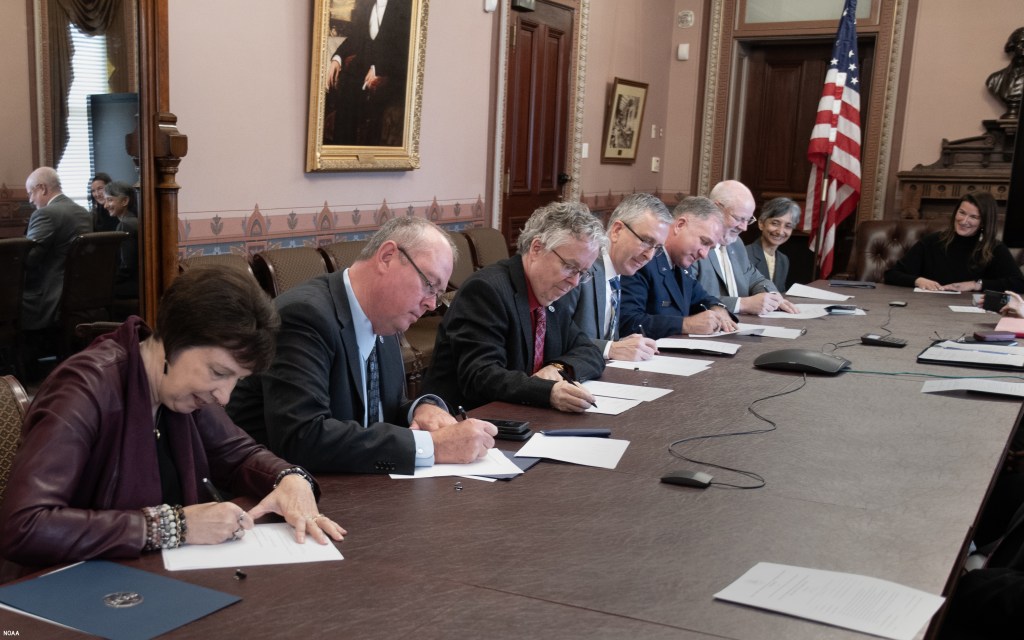
The nation’s strategy for space weather preparedness
The National Space Weather Strategy and Action Plan (NSW-SAP) identifies objectives and high-level actions necessary to achieve a space-weather-ready Nation and was released in March 2019. An Implementation Plan for the NSW-SAP was released in December 2023.
Strong coordination and collaboration across Federal agencies, the academic community, the private sector, and international allies and partners will improve America’s ability to understand, forecast, and prepare for space weather events.
NASA's Heliophysics Division established the NASA Space Weather Council (SWC) in 2020
The SWC was established to secure the counsel of community experts across diverse areas of matters relevant to space weather in support the NASA Heliophysics Division. The SWC is a subcommittee to the NASA Advisory Council’s Heliophysics Advisory Committee (HPAC).
The SWC serves as a community-based, interdisciplinary forum for soliciting and coordinating community analysis and input to provide advice on space weather topics to the Heliophysics Division Director through HPAC.
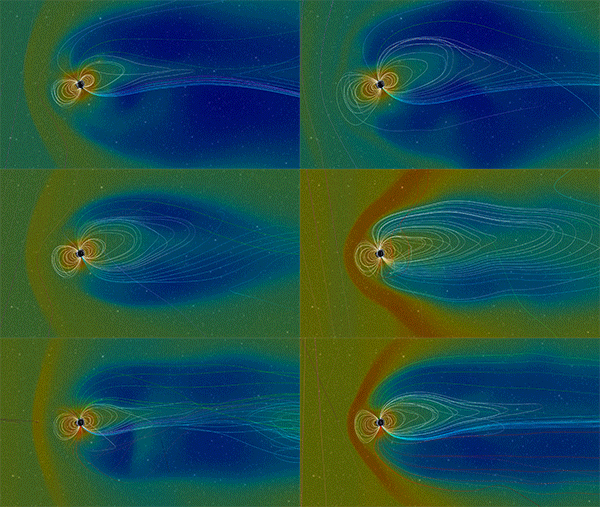
Federal coordination of space weather activities
The Space Weather Operations, Research, and Mitigation (SWORM) Subcommittee is a Federal coordinating body organized under the National Science and Technology Council (NSTC) Committee on Homeland and National Security, organized under the Office of Science and Technology Policy (OSTP). The SWORM coordinates Federal Government department and agency activities to meet the goals and objectives specified in the National Space Weather Strategy and Action Plan (NSW-SAP) released in March 2019.
The Space Weather Advisory Group (SWAG) advises the SWORM based on advice from academia, the commercial space weather sector, and space weather end users.
ROSES 2025 R2O2R Proposers' Teleconference Recording
Recording of the July 31, 2025 R2O2R Proposers' Teleconference hosted by NASA's Heliophysics Division.