

















Program Structure
Heliophysics Research Program
NASA's Heliophysics Research Program portfolio is prioritized to meet the urgent needs of a space-driven economy and a multi-planetary human presence. Guided by the 2024–2033 Decadal Survey, we are pursuing bold science in action that is bigger, more purposeful, and delivering results faster than ever. We prioritize "science in action" — investigations that solve fundamental mysteries for the benefit of humanity and modern society.
Heliophysics Research Strategy: Bold Science in Action
NASA’s Heliophysics Research Program pursues a strategic portfolio of fundamental research and applied sciences through research solicitations. The fundamental research nurtures our innate curiosity about the Sun and fuels the applications that bring direct and tangible benefits to society. Our overarching heliophysics science objectives are to:
Fuel the Space Economy: Power a sustainable, secure, and data-driven orbital future.
Master the Heliosphere: Solve the fundamental mysteries of our Sun and its domain.
Shield the Homefront: Build the predictive foundation for Earth’s space weather resilience.
Secure the Journey: Safeguard human exploration from the Moon to Mars and beyond.
Fuel the Space Economy: Power a sustainable, secure, and data-driven orbital future.
SYSTEMS APPROACH
Heliophysics Strategic Research Focus Areas
The research program supports investigations in all sub-disciplines of heliophysics as well as investigations that span across sub-disciplines, addressing a systems approach.
The program emphasizes understanding the fundamental processes and interconnections across the traditional space science disciplines. The program seeks to characterize phenomena on a broad range of spatial and temporal scales, to understand the fundamental processes that drive them, to understand how the processes combine to create space weather events, and to enable a capability for predicting future space weather events.
In concert with other NASA science divisions (Planetary Science, Astrophysics, and Earth Science), the program shares responsibility for learning about Earth, our solar system, the universe, and their interrelationships.
STRATEGIC CONNECTIONS
Targeted and Purposeful Research
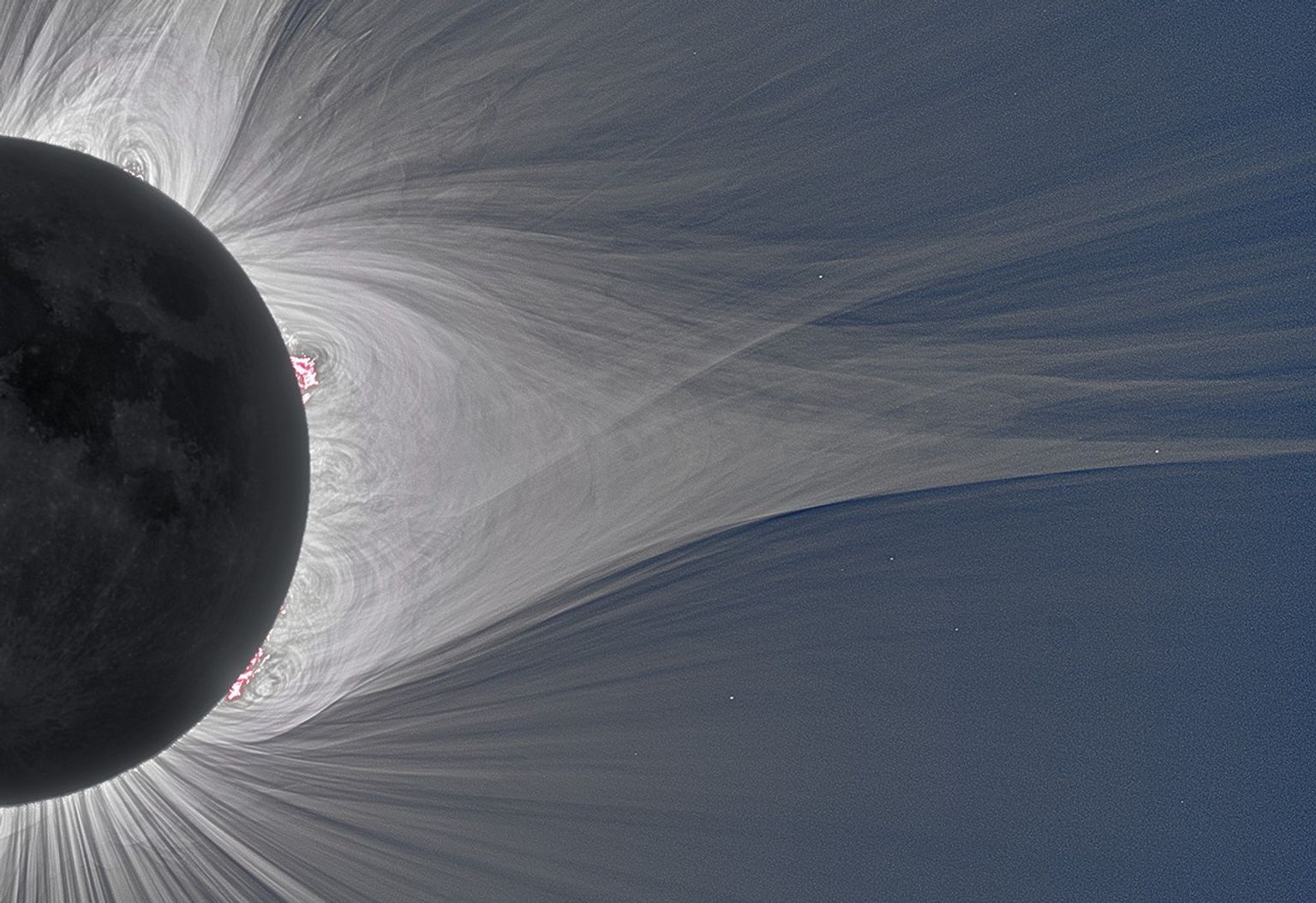
The Heliophysics Research Program places emphasis on ensuring that the vast wealth of research conducted by our community is strategically connected across disciplines and domains.
The goal is to advance science that has meaning beyond individual research areas and that fosters interdisciplinary collaboration. To accomplish this, we are targeting:
Big Science: Prioritizing larger teams and broad collaboration to tackle Decadal-scale challenges.
Purposeful Science: Aligning investments to results rather than disciplinary boundaries.
Integrated Knowledge Chain: Everything—from fundamental theory to final application—is linked through common program goals.
Faster Science: Accelerating the transition from theory to application to meet the urgency of the space economy.
Stability: Providing longer, more stable awards to allow researchers to spend more time on discovery and less on proposal writing and reviewing.
Research Themes
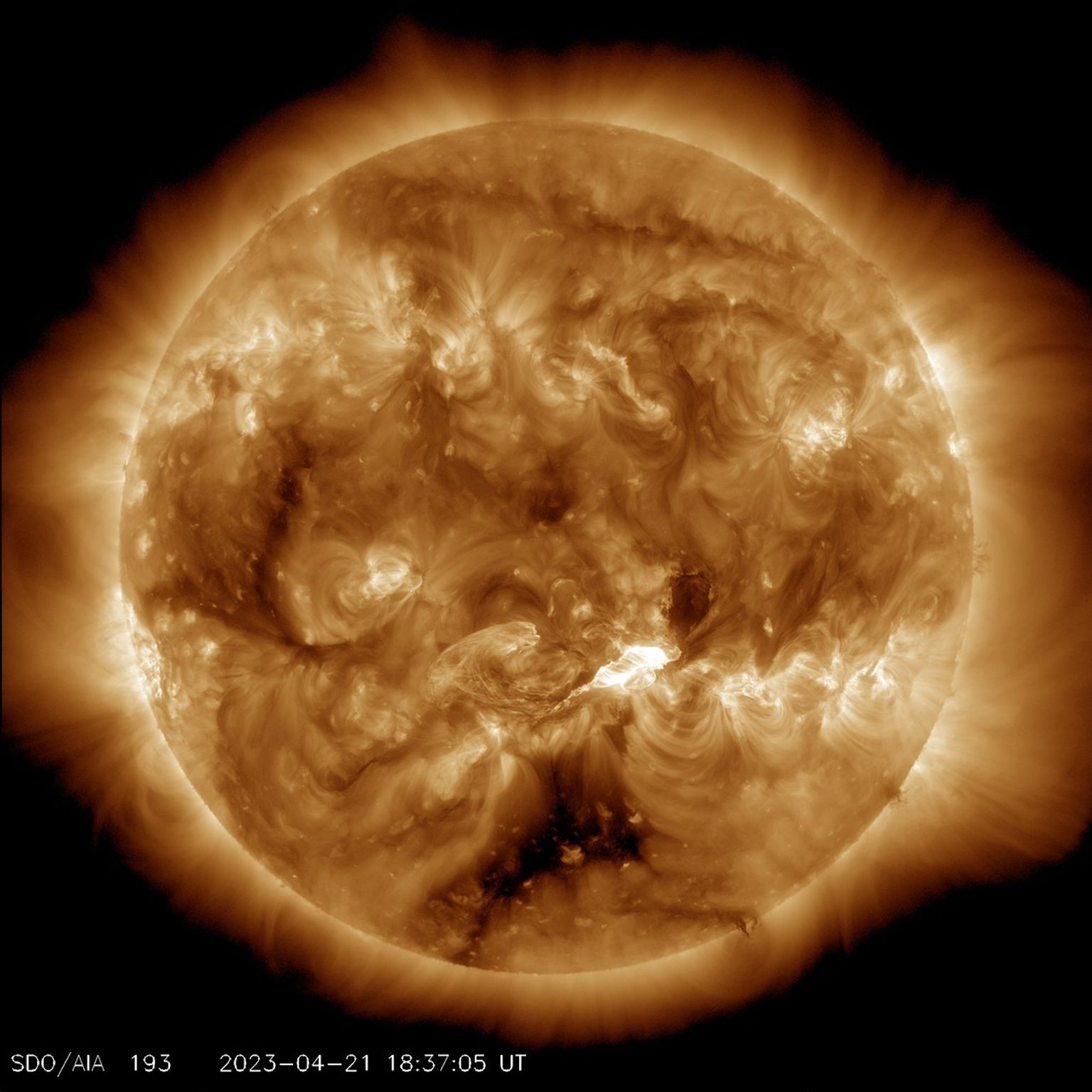
The Heliophysics Division announces research opportunities through NASA’s ROSES (Research Opportunities in Space and Earth Science) omnibus solicitations. Solicitations and announcements of opportunities can be found on the Science Mission Directorate Researchers Page.
Heliophysics research themes are:
Preparation for Spaceflight
Develop the scientific foundation for future spaceflight activities and explore future scientific directions. This theme includes:
- Identification of new targets on the frontier of heliophysics
- Closure on knowledge gaps in preparation for a strategic spaceflight investigation
- Closure on knowledge gaps relevant to space weather, human exploration programs
Foundational Research
Advance fundamental physical understanding of the Sun-Earth system with existing data and capabilities to address NASA-identified topics. This theme includes:
- Fundamental physical processes
- Integrated system-level science
- Immediate strategic needs
Strategic Capabilities
Produce and curate data sets, advance computational models, and develop analytical tools for community use that will enable or enhance future science activities. This theme includes:
- New reference data, data products
- Analytical tools
- Model development
Rapid Access to Space
Mature technology and demonstrate spaceflight capabilities that will enable significant advances for Heliophysics science. This theme includes:
- Instrument development
- Sub-orbital, CubeSat activities
Space Weather Applications
Apply heliophysics science to improve space weather forecasting and decision-making capabilities. This theme includes:
- Operational space weather research
- Research to operations transition
Workforce Development
Foster and support a healthy pipeline of heliophysics scientists and future leaders. This theme includes:
- Multiple methods for workforce training
- Supporting outstanding early-career professionals
- Developing innovative research initiatives and scientific leadership
Heliophysics Research Program Officers
The Heliophysics Research Program Officers are the key contacts for Heliophysics Research Program elements listed above and in ROSES Appendix B. View the research program officers here.
featured Heliophysics missions

Parker Solar Probe
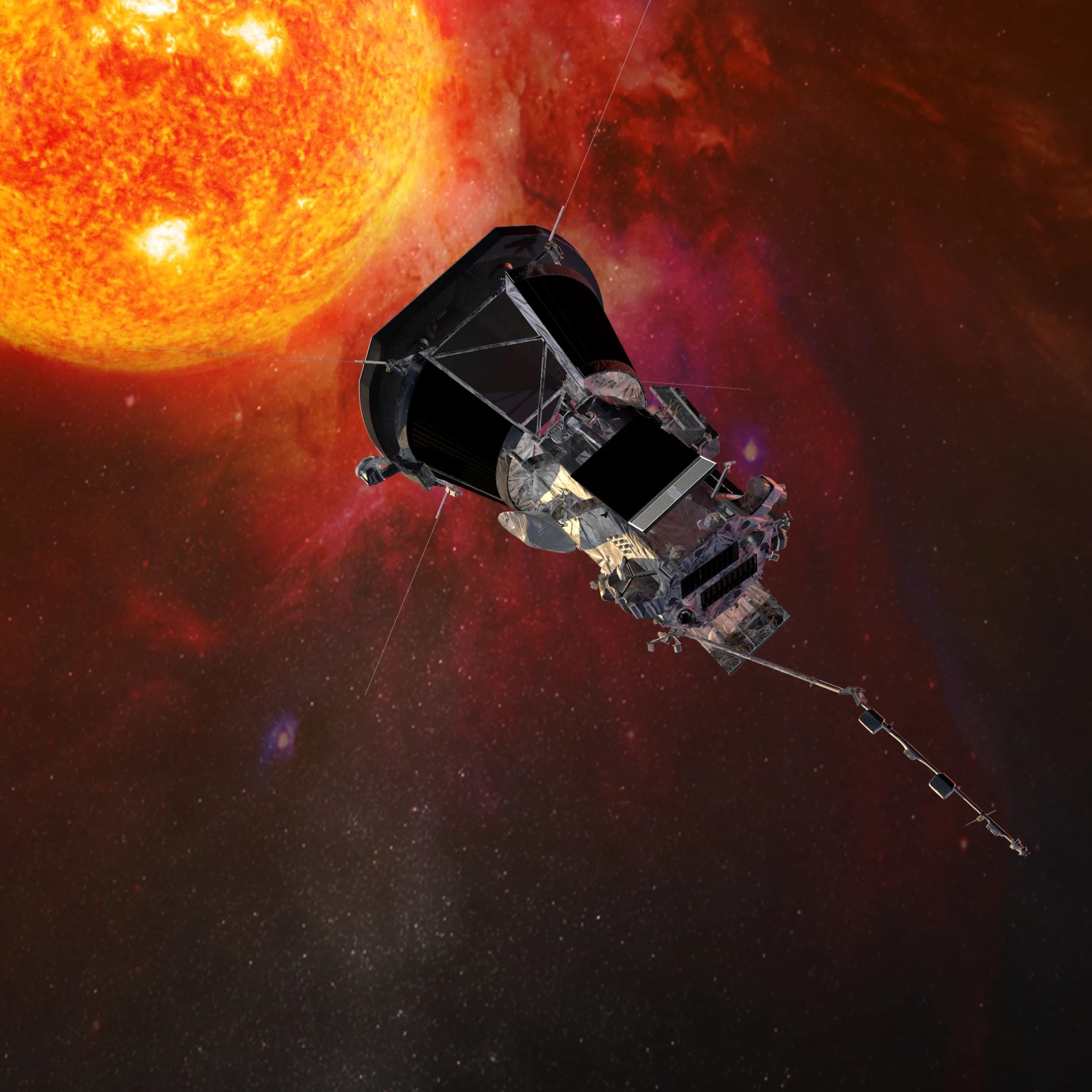
On a mission to “touch the Sun,” NASA's Parker Solar Probe is the first spacecraft to fly through the Sun’s corona.

IMAP
The "celestial cartographer," NASA's Interstellar Mapping and Acceleration Probe is on a mission to map the heliosphere.
ESCAPADE
As the first coordinated multi-spacecraft orbital mission to Mars, these twin orbiters will investigate how the solar wind interacts with the Red Planet.

Voyager
Launched in 1977 on a planetary journey that turned interstellar, these twin probes continue to return scientific data from beyond the heliosphere.