













Space Weather Centers of Excellence
NASA is funding three Space Weather Centers of Excellence through 2028 to address crucial space weather goals that require multi-institution, interdisciplinary collaboration. Each center has a unique focus to improve our understanding and prediction of space weather events. By advancing our knowledge and preparedness for these events, the centers contribute to the increased resilience of technological systems we rely on in our daily lives and support the continued exploration of space.
What are the Centers of Excellence?
CLEAR
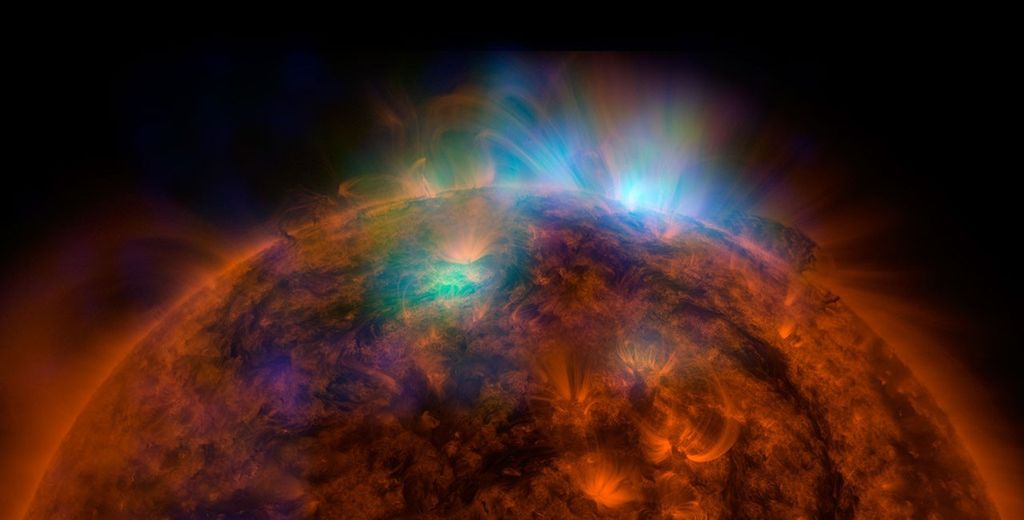
Harmful high-energy particles released from solar eruptions pose a threat to astronauts and instruments in space. The Center for All-Clear Solar Energetic Particle Forecasts (CLEAR) examines potential forecasting methods to reduce risks during these events.
SPARTA
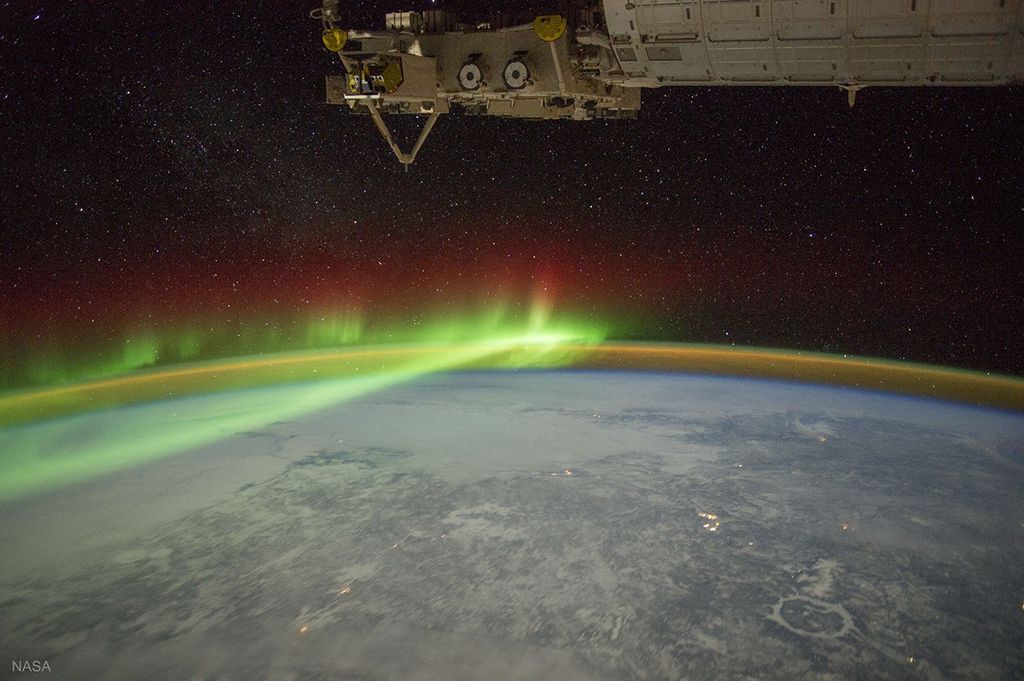
Irregularities in Earth's ionosphere cause disruptions to global navigation and satellite communication systems. The Space Weather Research and Technology Applications Center (SPARTA) uses various computer models to better forecast these events.
SWORD
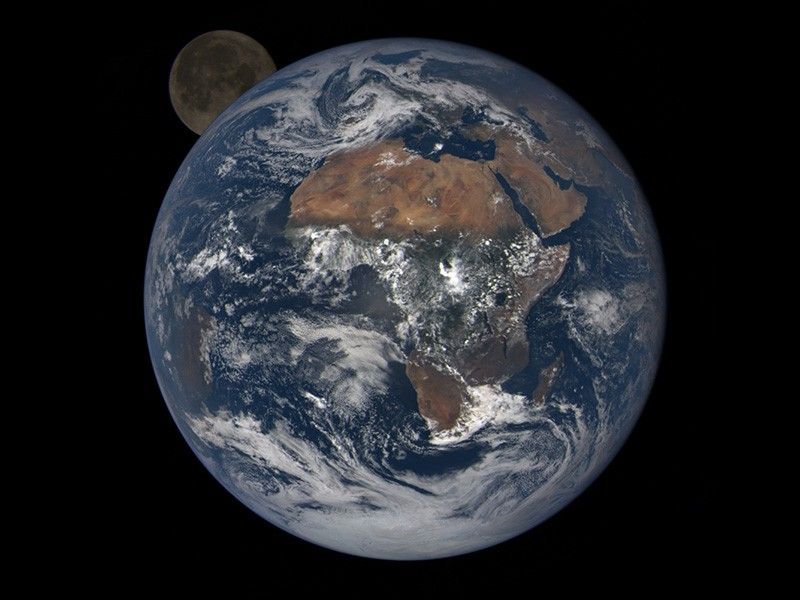
Space weather events in low Earth orbit can impact satellite and space station operations and make tracking hazardous orbital debris difficult. The Space Weather Operational Readiness Development Center (SWORD) connects existing forecasting models and uses data assimilation to improve predictions of these impacts.