







Suggested Searches

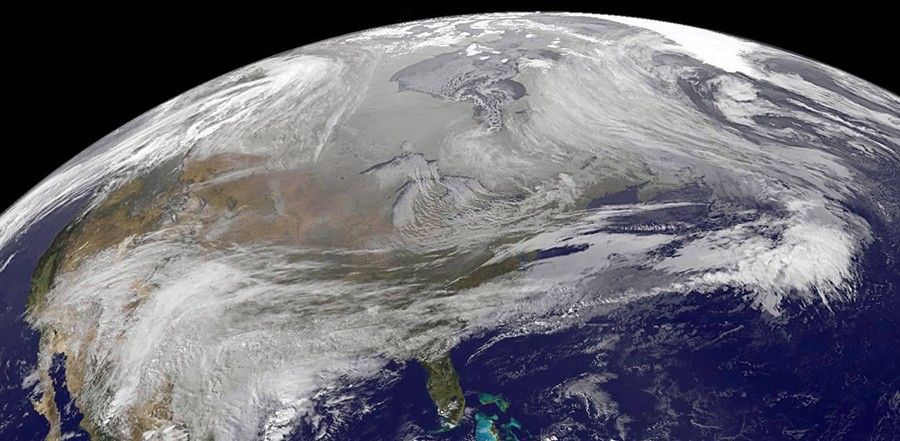
A satellite image of North America showing colder than usual conditions during November of 2013.
Read article header
Earth article header

What Is Earth's Global Average Temperature and How Is It Changing?

The global average temperature combines measurements from places all across Earth into one number for the planet. It helps scientists track changes that can affect the weather and more. A rise of just 1 degree Fahrenheit (°F) on a sunny day where you live has little effect. But over the whole Earth, a rise of 1°F makes a big difference. That’s because it can lead to ice melting, changes in where it rains and snows, and more.

This animation shows Earth in space next to a thermometer that has a rising temperature. The thermometer on the left is a light blue thin tube with a circle at the bottom. It is filled with a red color. The color rises up from the circle at the bottom through the thin tube getting higher as the animation continues. To the right of the thermometer is a drawing of Earth showing the western hemisphere with North and South America. The background is a dark gray with some white dots for stars placed randomly throughout the image.
For decades scientists have used different tools to measure the temperature of the air and water on Earth. Measurements taken from the land, the ocean, and from space provide scientists with a global view of how Earth's temperature is changing over time. Scientists have found that Earth’s global average temperature has been getting warmer over the past 150 years.
NASA/JPL-Caltech

By tracking temperatures from thousands of locations over time, scientists have measured that Earth is getting warmer. They have also observed changes that happen as the global temperature rises. This includes melting ice around the North and South Poles and rising seas. It also includes changes in rainfall that lead to more flooding in some places and longer drought in others.