
























Atmosphere Observing System
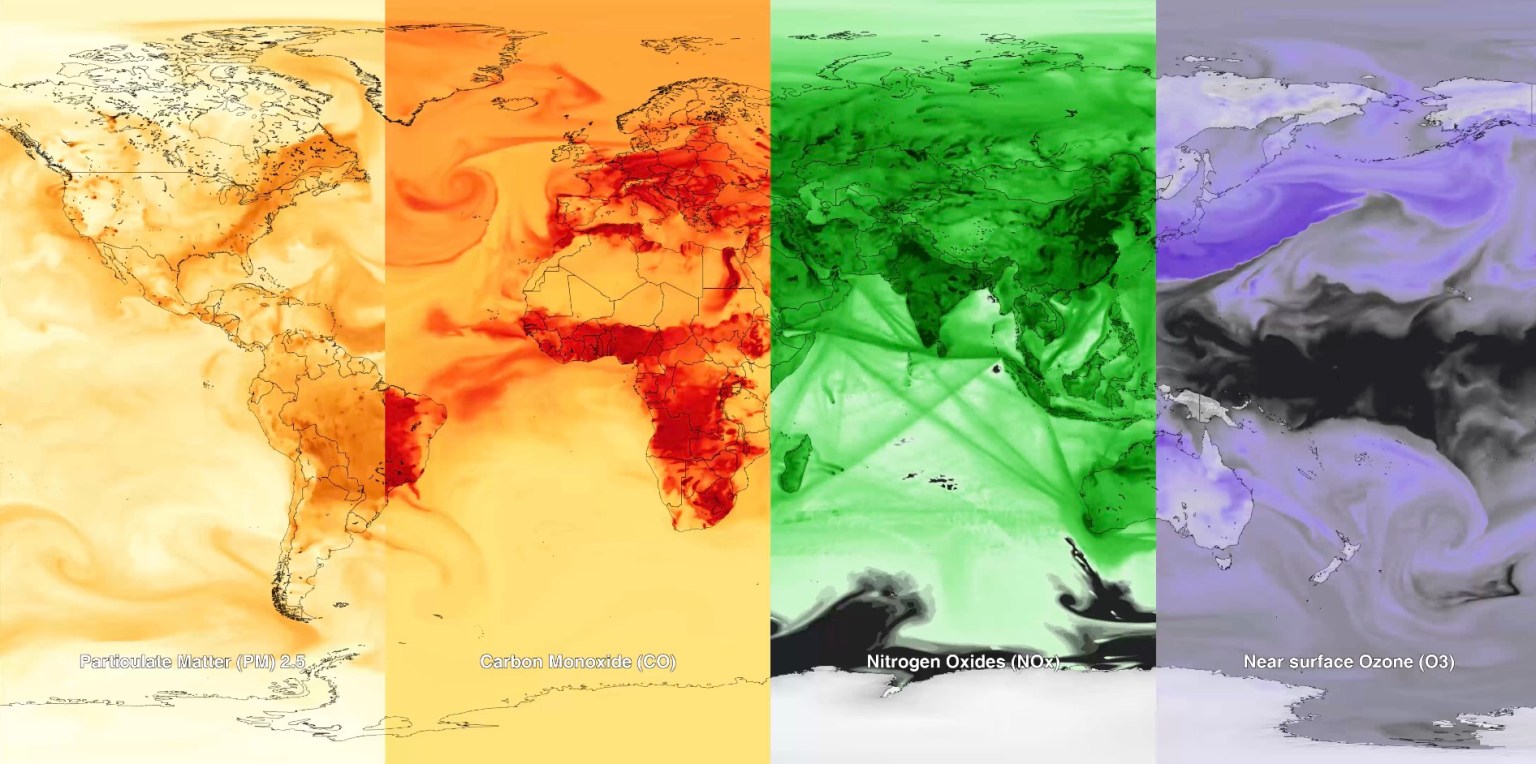
The Atmosphere Observing System (AOS) mission goal is to optimize how we examine links among tiny particles known as "aerosols", clouds, atmospheric convection, and precipitation.
FIND OUT MORE
Science discoveries
BENEFITS
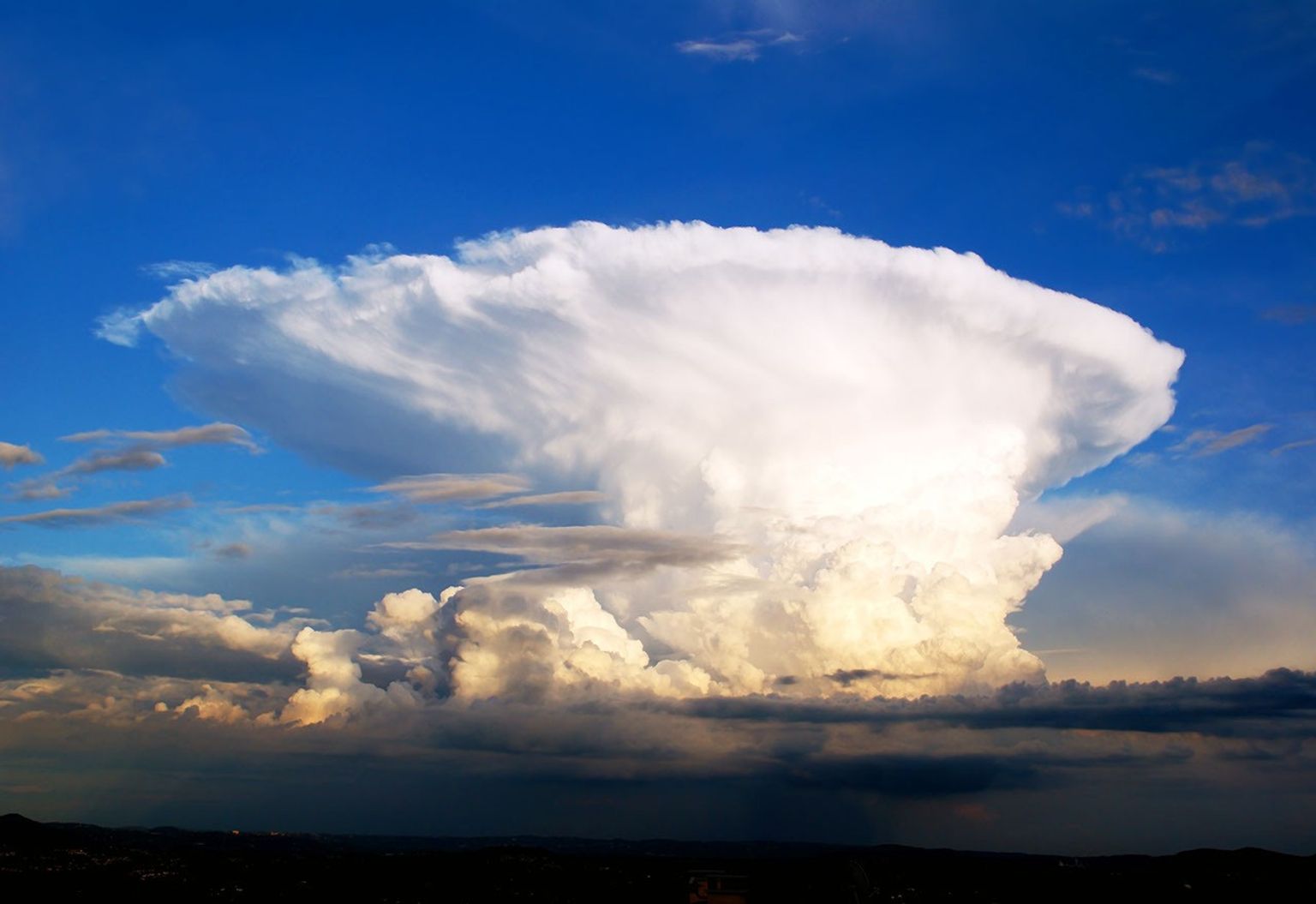

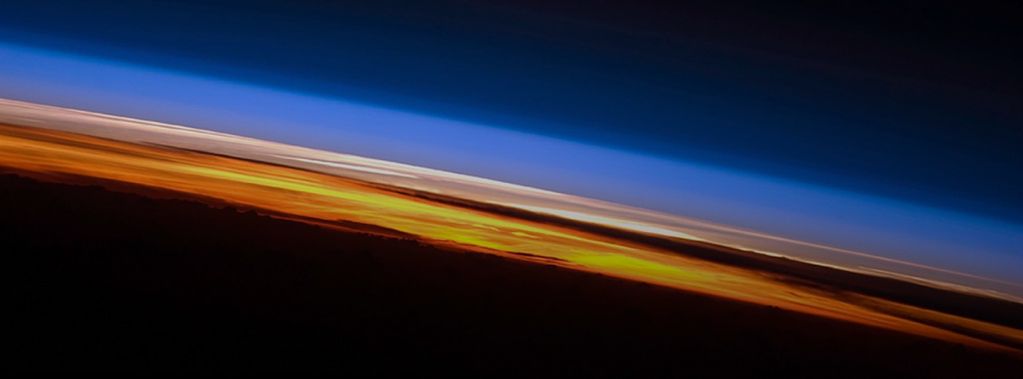

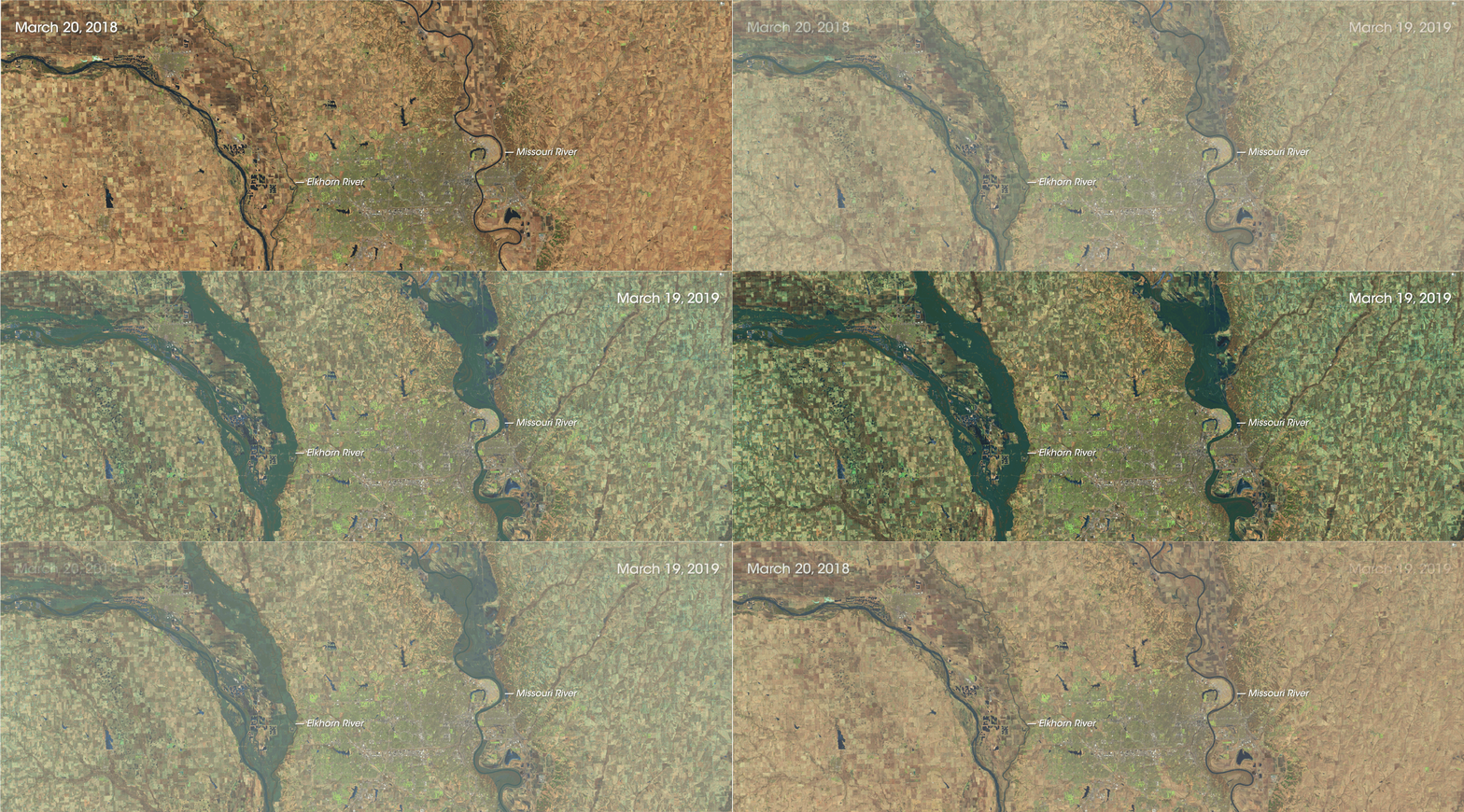


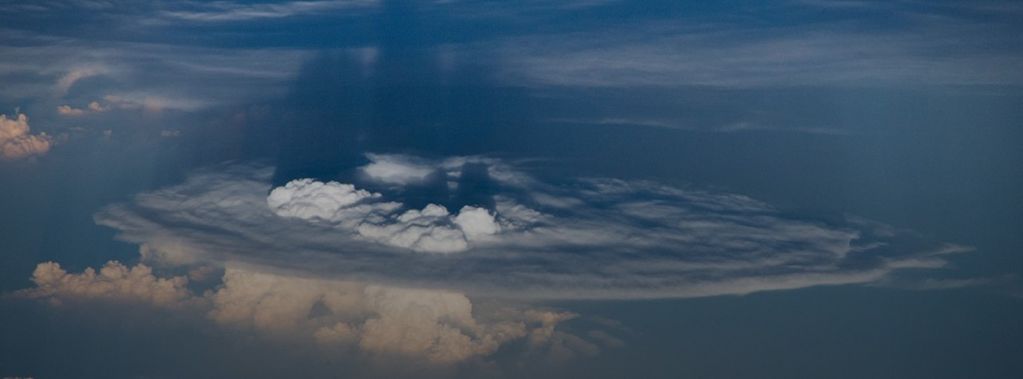


AOS will make the first-ever global measurements from space that reveal how ice and water move vertically within clouds. Not only that, but it will also reveal how such motion is tied to natural and human-made aerosols. Understanding how air rises and sinks will improve our knowledge of Earth's storms, rain and snow produced by them, and the effects of weather on air quality.
AOS will make the first-ever global measurements that directly link clouds' physical properties to how they transfer heat. We will also connect such heat transfer to radiation in our atmosphere. All of which is needed to understand climate feedbacks, climate sensitivity and changes in Earth's water cycle.
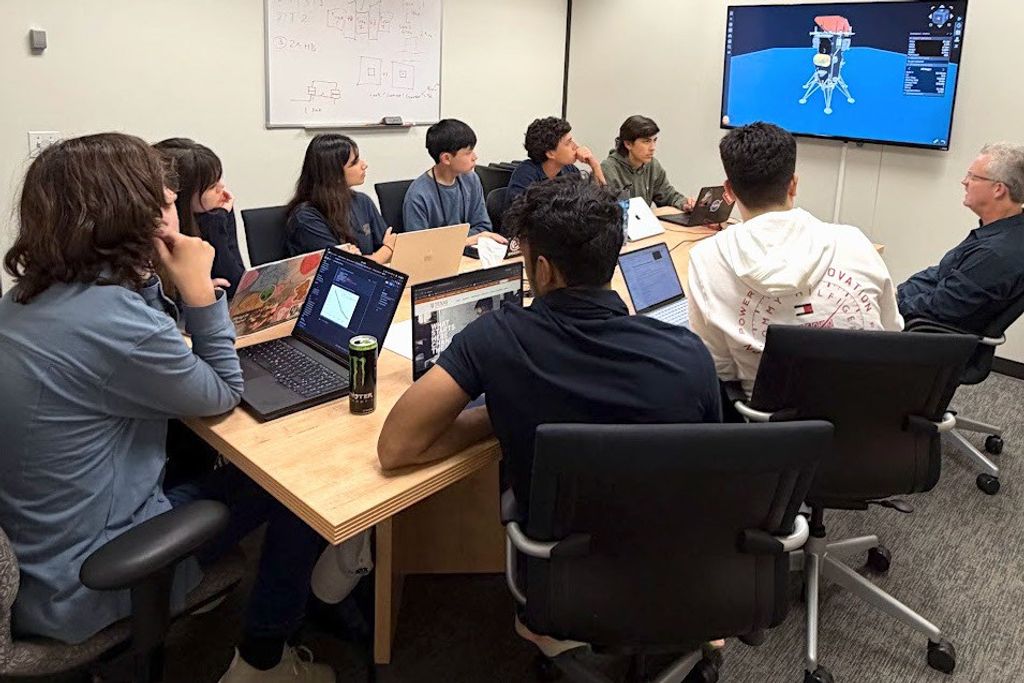
The AOS team includes several NASA Centers and the Japan Aerospace Exploration Agency (JAXA), National Centre for Space Studies (CNES), Canadian Space Agency (CSA) and German Aerospace Center (DLR) space agencies. They are also working with universities in the U.S. and abroad. This large group has identified a range of science objectives and a suite of observations needed to meet them.
AOS established a system design – or "architecture" – for the mission following a rigorous review in terms of scientific value, estimated cost, and technical readiness.
NASA's new Earth System Observatory (ESO) will provide key information related to climate change, natural hazard mitigation, fighting forest fires, and improving real-time agricultural processes. One component of the ESO is the AOS mission. AOS will address two of the five ESO areas of focus including:
Aerosols
Answering the critical question of how aerosols determine air quality and affect the global energy balance, a key source of uncertainty in predicting climate change.

Cloud, Convection, and Precipitation
Human space exploration helps to address fundamental questions about our place in the Universe and the history of our solar system.
Tackling one of the largest sources of uncertainty in future projections of climate change and targeting processes that influence the prediction of severe weather.