










Suborbital Program
The AOS suborbital program will collect measurements that are needed to address AOS science objectives which cannot be adequately measured from space.

The AOS suborbital program will collect measurements that are needed to address AOS science objectives which cannot be adequately measured from space. This especially involves the need to understand how measurements change over time, and collecting measurements from satellite "blind zones." With the satellites in low-Earth orbit, they will see snapshots of a scene. AOS suborbital measurements can provide context of how a scene changes over time – how a storm grows, or how an aerosol plume spreads.
What's a blind zone?
An example of a satellite blind zone would be beneath a cloud layer that blocks the view of some satellite-borne instruments and is too thick for a satellite-borne lidar to penetrate. Or at low altitudes in a strong thunderstorm, with the downward-looking radar signal obscured by the hailstones above. A satellite-blind zone could also be the interface between a cloud and its environment, where sharp gradients are usually smeared out by satellite measurements taken from hundreds of miles away.
When the satellites pass over places that are well-instrumented on the Earth's surface, we can see what is happening around the satellite track, and how that is changing at the time the satellite passes by.
For example, if the satellite sees a big storm, we'll want to know if it had a "direct hit" or if there was a stronger part of the storm nearby that the satellite missed. Was the storm growing or weakening? Was the storm isolated or part of a cluster? AOS suborbital measurements will also be useful for determining the accuracy of the satellite measurements.
"What are the key things AOS can't do without suborbital support? I'd say investigating temporal evolution of processes, and measurements from satellite blind zones, are both really keys."
Dan Cecil
AOS Deputy Project Scientist, Suborbital
Many suborbital program details are still to be determined and implemented later in the project. We are planning for various types of suborbital components.

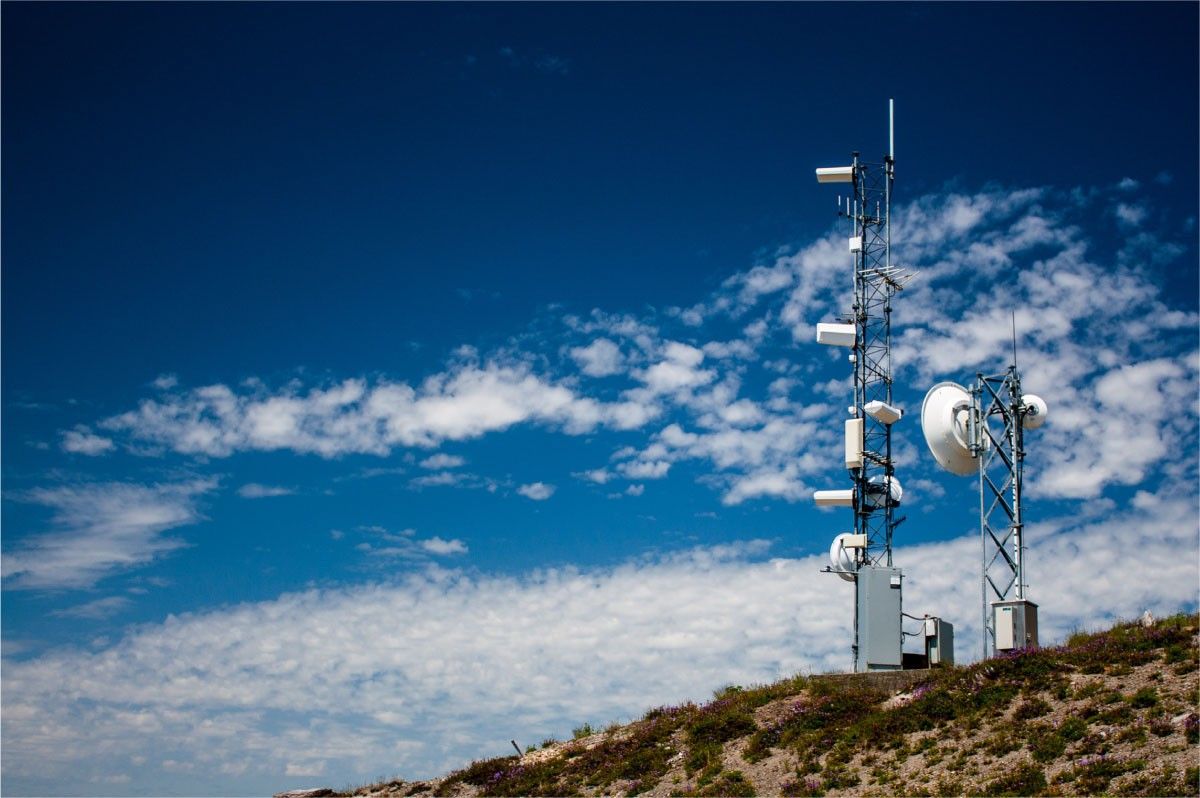
SURFACE-BASED SITES AOS will use surface-based measurements from some heavily-instrumented sites and from networks. AOS will leverage sites already operated by partners and augment them as needed by deploying extra instrumentation that can fill any gaps.
AIRBORNE CAMPAIGNS The AOS suborbital program will include some multi-aircraft field campaigns. These aircraft will have combinations of remote sensing instruments that somewhat mimic the satellite measurements. However, the aircraft will provide finer detail since they will be "up close and personal" to Earth's surface. For example, some aircraft will make direct measurements of the cloud and aerosol properties like those AOS will try to retrieve from satellites. Moreover, some aircraft instruments will have capabilities that are missing from the satellites.
AOS airborne campaigns will target locations to take advantage of some good measurement sites on the ground, and to measure a variety of environments and processes that are relevant to the mission. In addition, partnership opportunities can add measurements in a mutually beneficial way to programs that are led by other missions or agencies.
The AOS suborbital program will address:
Low Clouds / Aerosol Cloud Interactions
Key Questions to be Addressed
- How is precipitation triggered in shallow cumulus clouds?
- How do shallow cloud systems evolve, and how do they affect the amount of sunlight reaching the Earth's surface?
- How does ice form in the layer of clouds that interacts with Earth's surface?
Convection and High Clouds
Key Questions to be Addressed
- How do environmental conditions control how thunderstorms form?
- How do we better predict storms with powerful updrafts that "overshoot" their tops, churning out tornadoes and destructive hailstones?
- How does the lifecycle of anvil cirrus evolve to influence climate?
Aerosol and Cloud Interactions
Key Questions to be Addressed
- How do tiny airborne particles – known as "aerosols" – affect cloud and precipitation formation in clouds at various altitudes? How do the aerosols influence radiation transfer over or near clouds?
- How does the type and layering of aerosols affect clouds and how does the vertical motion of clouds affect the location of aerosols?
- How does the lowest part of our atmosphere – known as the “planetary boundary layer” – interact with aerosols to affect air quality?
Systematic Aerosol Data Collection
Key Questions to be Addressed
- How do we map the location of aerosols and their impact on weather systems?
- What are the types of aerosols in the atmosphere?
- How do aerosols affect the natural transfer of energy from the Sun to the Earth?