








Mini-RF Stories

IGARSS 2026 Join NASA in the Exhibit Hall (Booth #100) for Hyperwall Storytelling by NASA experts. Full Hyperwall Agenda below. MONDAY, AUGUST 10 3:00 PM Technology Enabling the Future of Earth Science Mike Seablom 3:15 PM Discovery Earth: New Missions…
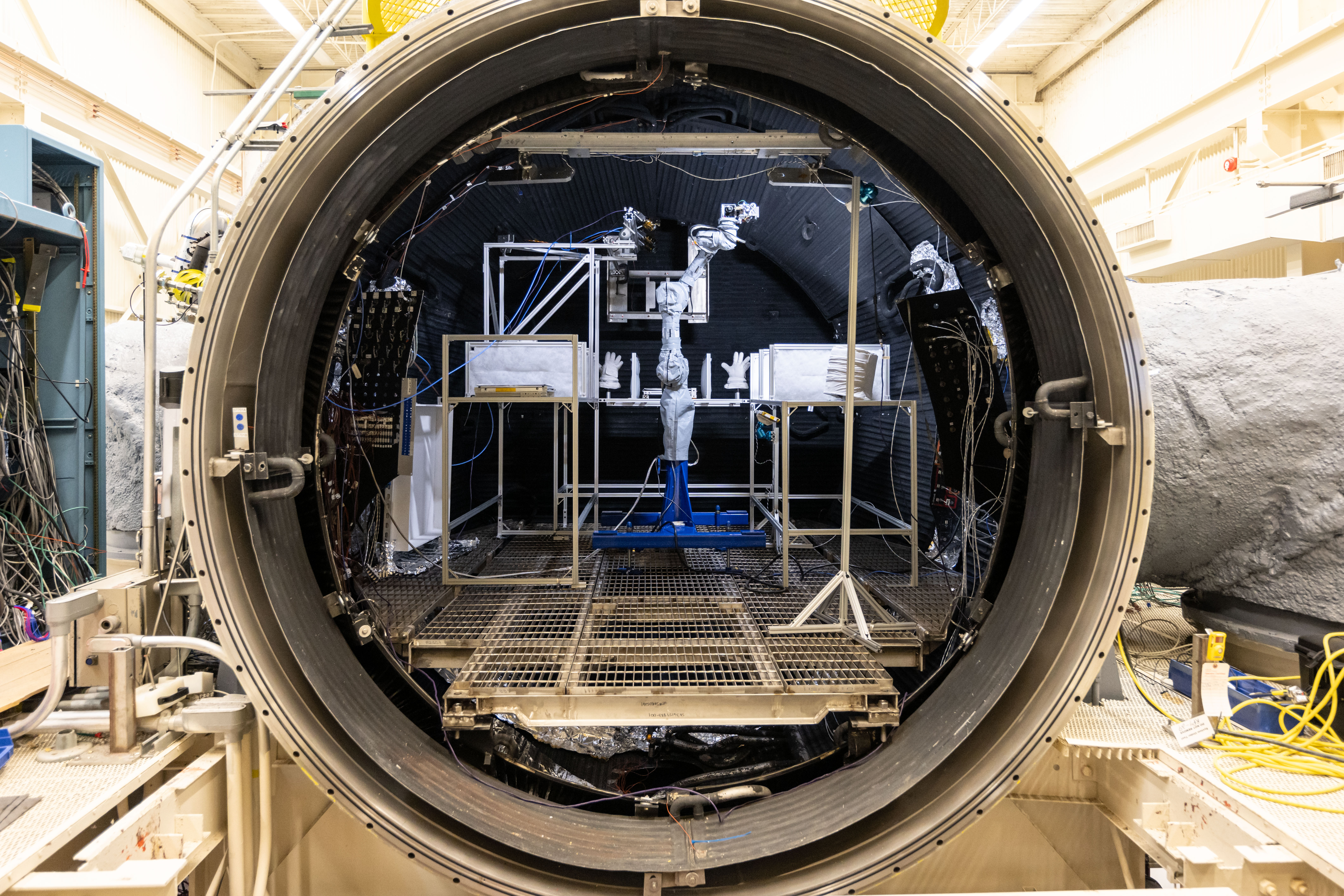
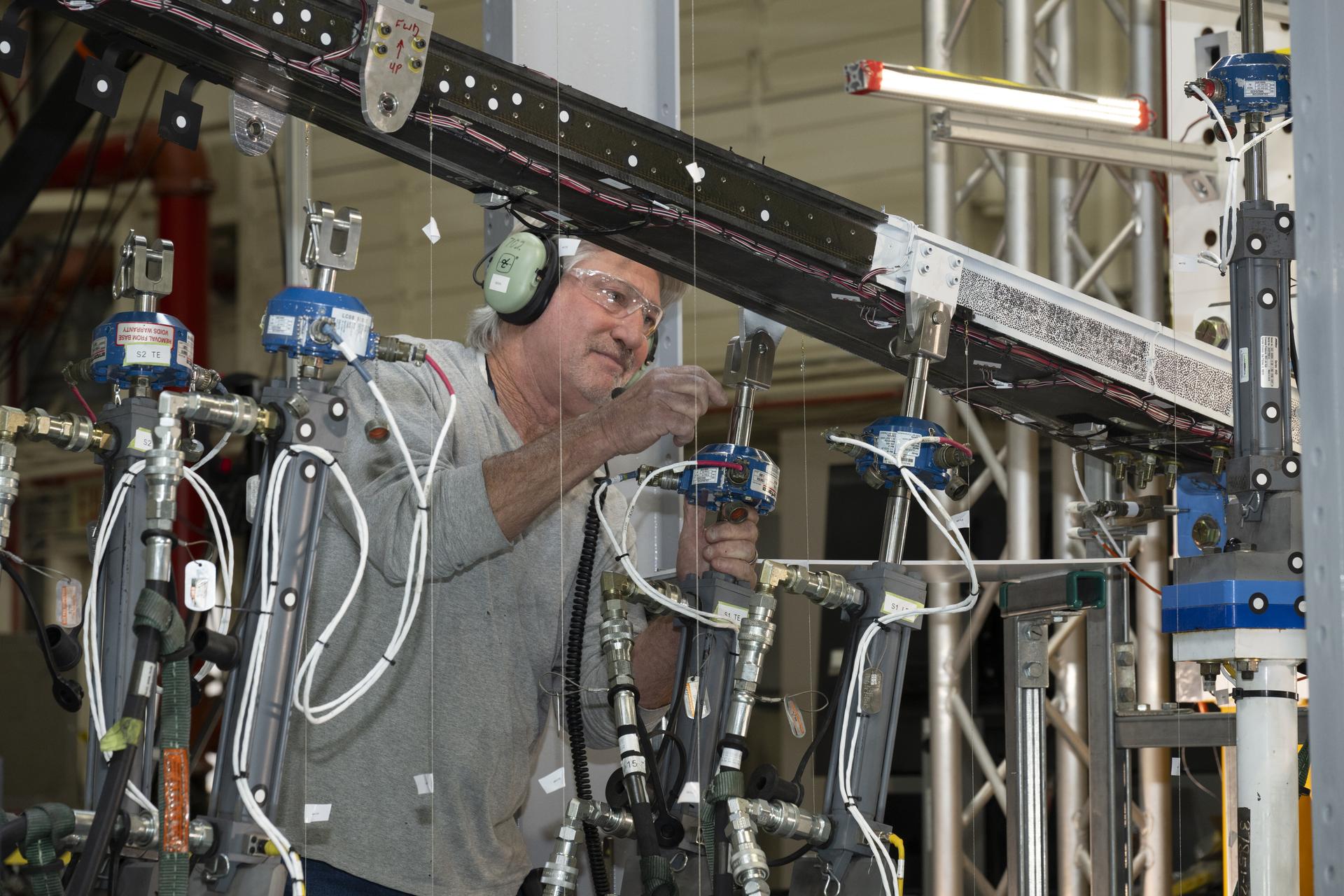
Before astronauts return to the Moon’s surface through NASA’s Artemis program, the hardware they depend on must first prove it can survive the unforgiving lunar environment. At NASA’s Johnson Space Center in Houston, engineers at the Lunar Development and Test Facility are tackling one of…
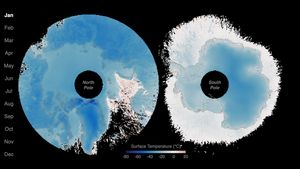
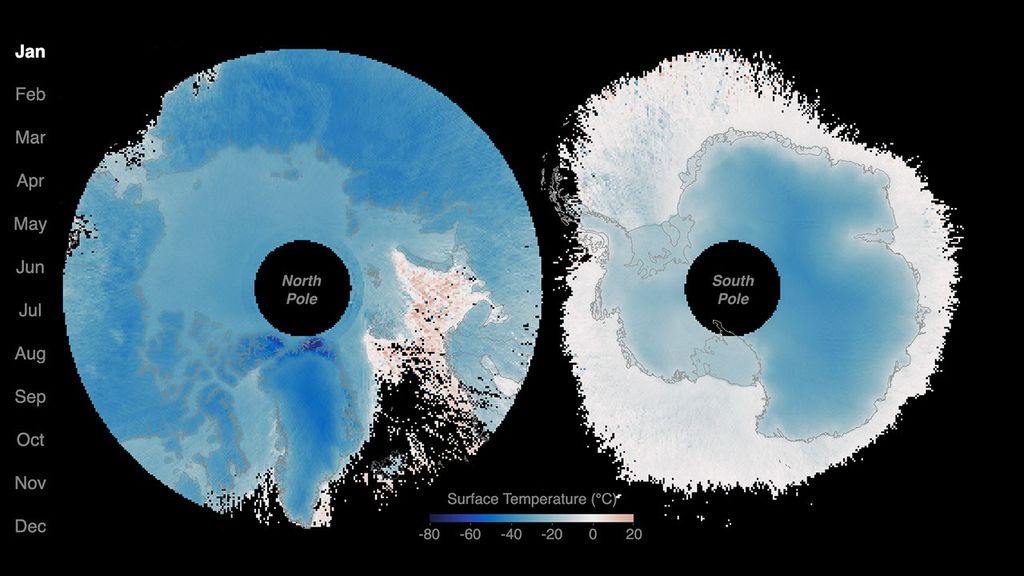
New animations from NASA's PREFIRE mission reveal two years of seasonal temperature swings at the Arctic and Antarctic.
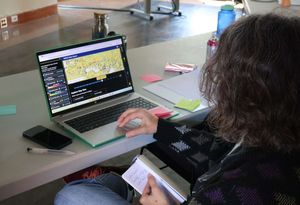
The NASA Science Activation Program’s Cosmic Storytelling with NASA Data (CosmicDS) project, led by Harvard University in Cambridge, Massachusetts, works to bring authentic NASA data into the hands of educators and learners. From July 27–29, 2026, the CosmicDS team partnered…
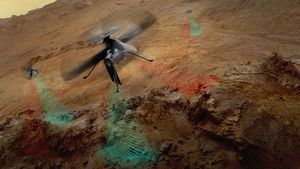
Description This artist’s concept depicts NASA’s three SkyFall Mars helicopters collecting data while flying over the surface of the Red Planet. The green frequency waves emanating from the helicopters’ large antennas depict collection of subsurface radar data. The red beams…
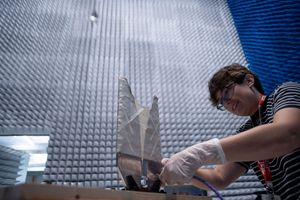
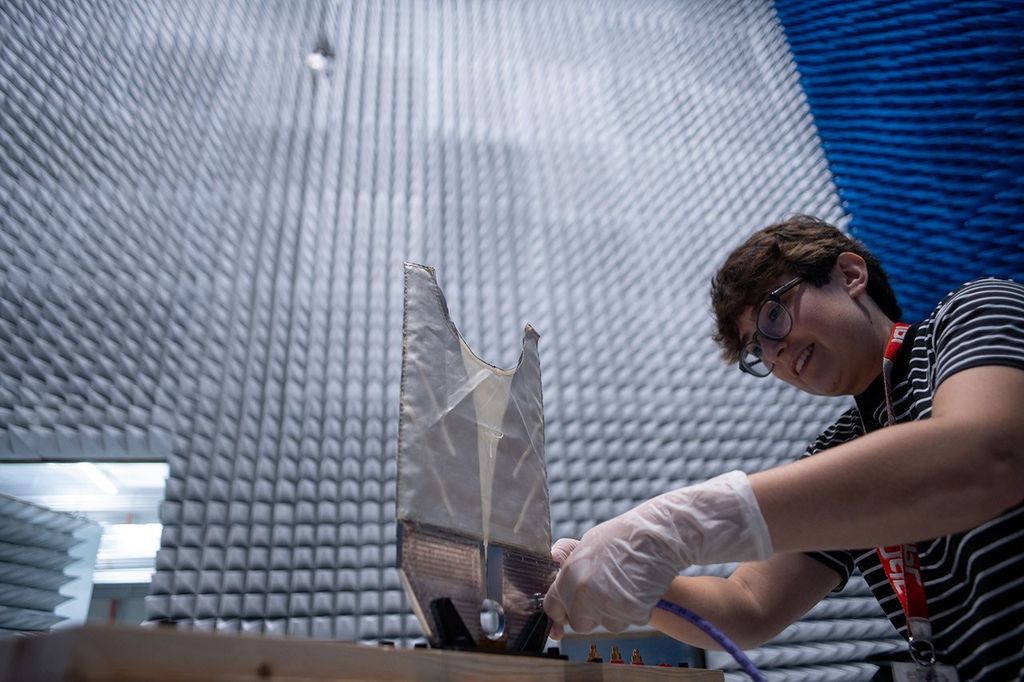
Description SkyFall ground-penetrating radar engineer Maya Román connects a coaxial cable to a test antenna in the Environmental Test Lab’s electromagnetic interference testing chamber at NASA’s Jet Propulsion Laboratory in Southern California. The antenna was pointed up during test to minimize reflections…
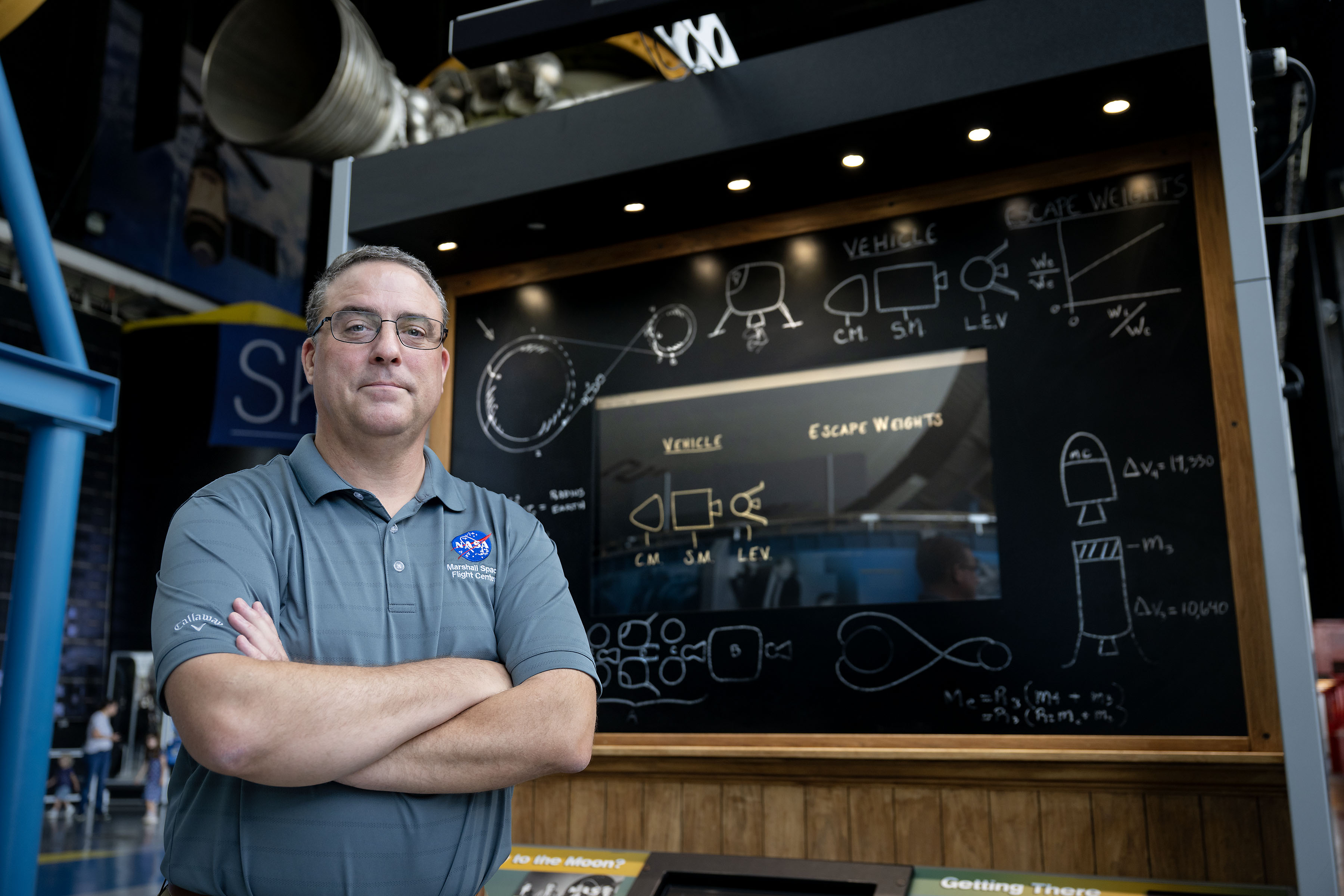
As NASA sets its sights on long-term exploration of the Moon and Mars, the agency is increasing the cadence of its Artemis missions. Helping bring these plans to fruition is Tom Percy, manager of systems engineering and integration for NASA’s…

1 min read JOB OPPORTUNITIES: NASA OFFICE OF THE GENERAL COUNSEL View all current NASA job openings at USAJobs Vacancy Announcement for Attorney-Adviser Return to OGC Homepage

The ocean’s ebbs and flows reveal dynamic tidal flats and a well-traveled shipping route along the coast of Germany.

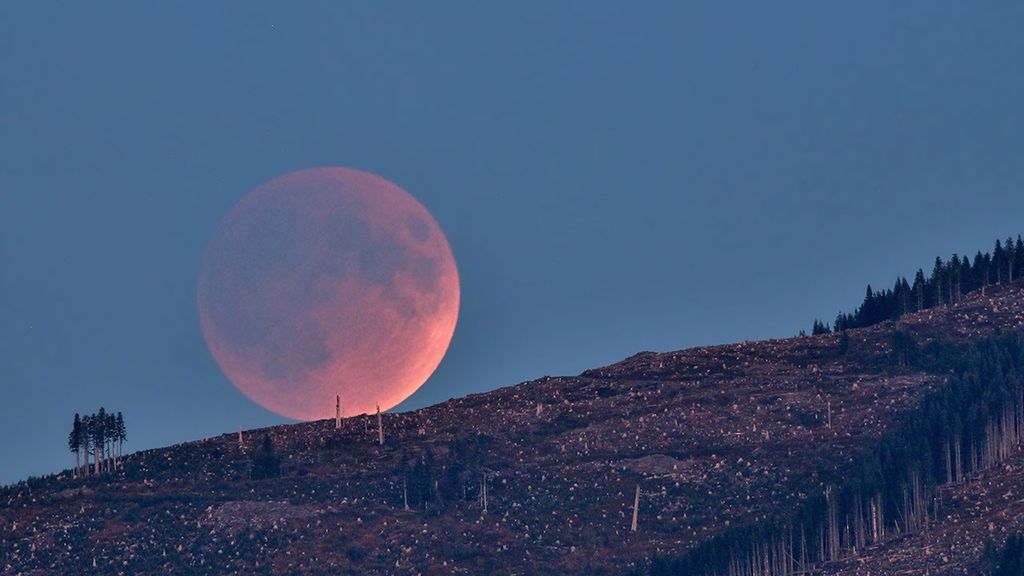
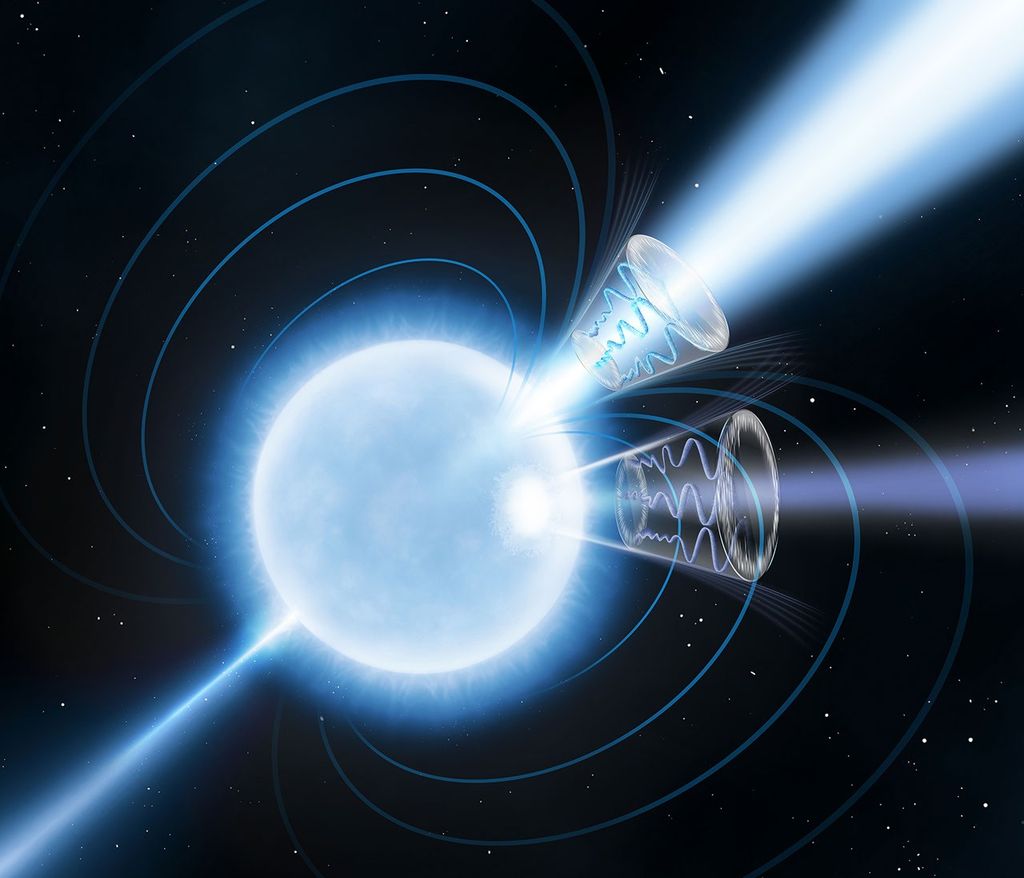
A first-of-its-kind measurement of a magnetar may have captured empty space behaving in a way physicists have predicted for 90 years, but never directly observed. The results published Wednesday in Nature. Fast facts Scientists using NASA’s IXPE (Imaging X-ray Polarimetry…