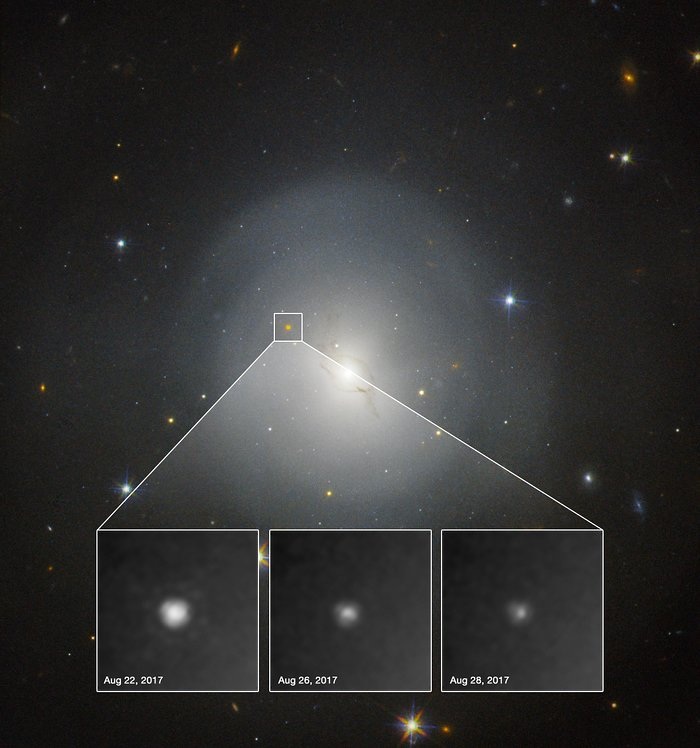







Neutron stars are the ultra-dense, city-sized leftovers of dead stars. When they collide, they can release a brief flash of light called a kilonova. These immensely powerful events forge much of the universe’s gold, platinum and other heavy elements. Since a kilonova fades within days, astronomers have to find it fast, and no single observatory can watch the whole sky. But if you have a telescope with a camera, or access to one, you can help find and follow these cosmic fireworks as a part of NASA’s Kilonova Catcher project!
Kilonova Catcher connects amateur astronomers around the world into a rapid-response network. When gravitational wave detectors or space telescopes send out an alert, volunteers point their own telescopes at the sky to help find and track the fading light. The network also follows up on gamma-ray bursts, the most powerful explosions in the universe, and catches other short-lived cosmic events whenever the opportunity arises.
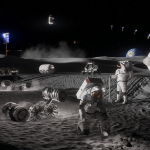
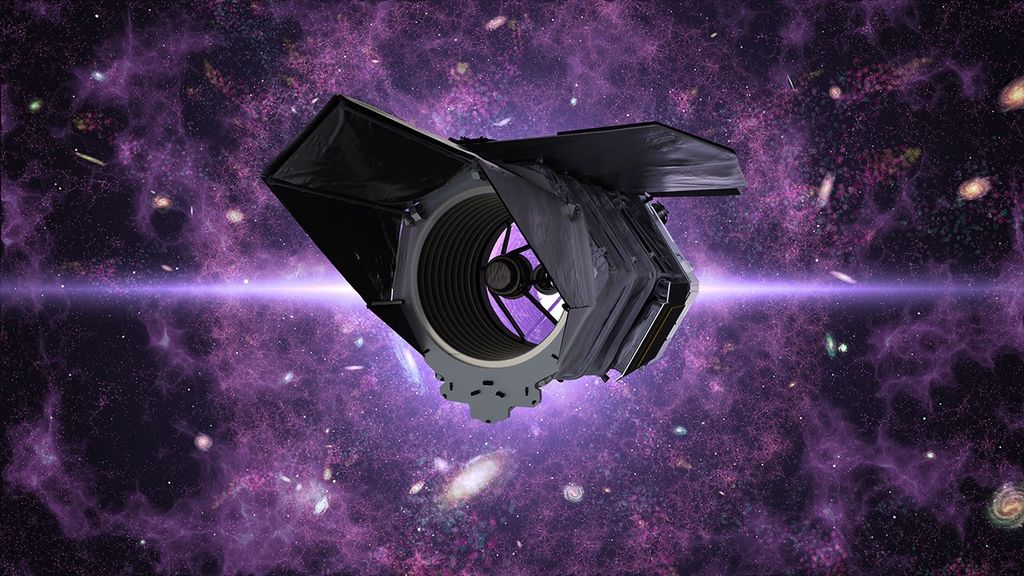
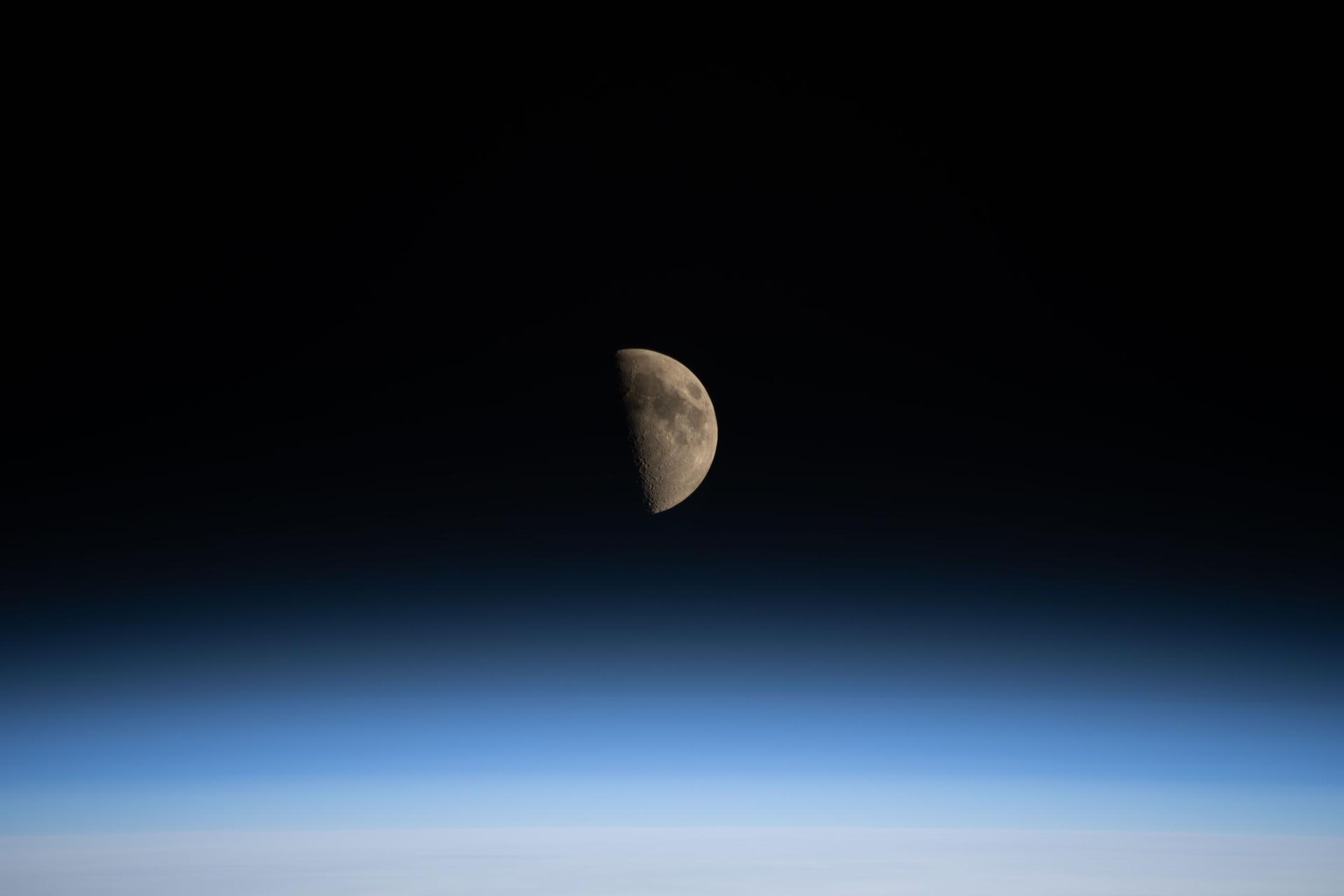
The Kilonova Catcher network has more than 150 registered members on several continents. Volunteers work side by side with professional astronomers and observatories. They have already contributed to more than 64 official reports shared through NASA’s General Coordinates Network, the system scientists use to share discoveries in real time. Volunteers’ observations have been credited for their contributions by being named authors in peer-reviewed scientific research papers. Kilonova Catcher volunteers also joined NASA’s lunar Impact Flash! project campaign during the Artemis II mission, recording the tiny flashes of light made when meteoroids strike the Moon. The network is getting ready to help follow up thousands of new alerts from NASA’s new Nancy Grace Roman Space Telescope.
"Here at Kilonova Catcher, by chasing the light from gravitational-wave events, we’re seeing how a single collision reaches across the universe,” said Cristina Andrade, Kilonova Catcher head of operations at the Minnesota Institute for Astrophysics. “The observatories that make this possible will produce an unprecedented amount of data. We need more human minds, more people with their eyes on the sky and on the data, both literally and figuratively. And more importantly, we need more people to realize they are capable of great feats of science, regardless of their background."
The Kilonova Catcher project is co-led by Andrade and Principal Investigator Dr. Damien Turpin, a researcher at the French Alternative Energies and Atomic Energy Commission (CEA). Damien said, “I am inspired by the expertise and drive of our amateur astronomers. They are always digging for more information and pushing the limits of their understanding. This science could not be done without their contributions.”
To register and become a Kilonova Catcher, visit https://kilonovacatcher.in2p3.fr/ or send an email to kilonovacatcher@gmail.com. Anyone who has access to a telescope with a camera can take part!