




Explore with us
2026 NASA Science Calendar
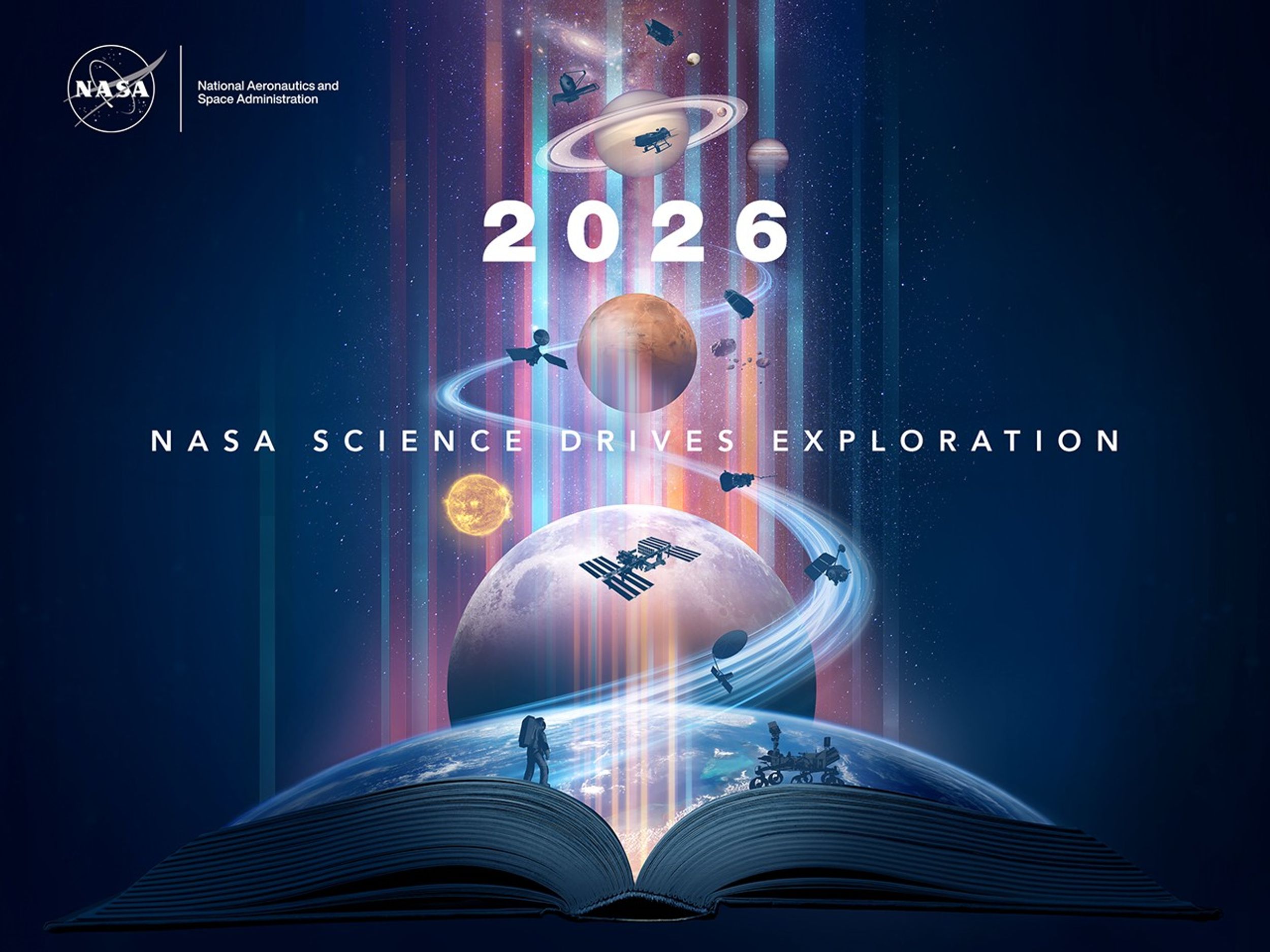
Welcome to the 2026 NASA Science Calendar! Download our latest calendar and wallpaper backgrounds for your desktop or mobile device, and discover the fascinating science behind the images featured each month.
2026 Calendar Download Options

2026 NASA Science Images
-
January - NASA’s Webb Telescope Unmasks True Nature of the Cosmic Tornado.
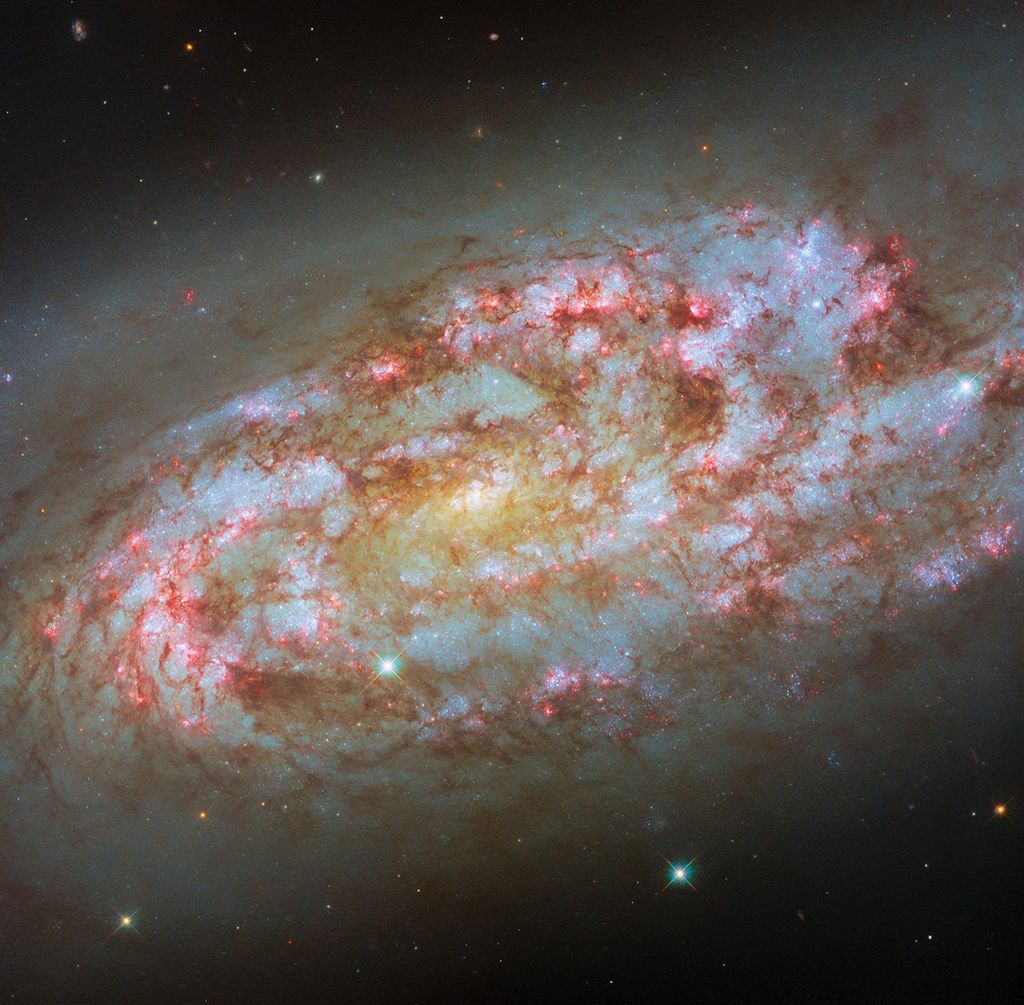
NASA’s James Webb Space Telescope observed Herbig-Haro 49/50, an outflow from a nearby still-forming star, in high-resolution near- and mid-infrared light in August 2024. The intricate features of the outflow, represented in reddish-orange color, provide detailed clues about how young stars form, including the early phases of low-mass stars like our own Sun, and how their jet activity affects the environment around them. By chance, Webb saw this nearby Herbig-Haro object aligned in the sky with a more distant spiral galaxy in the background. The spiral galaxy has a prominent central bulge represented in blue that shows the location of older stars. The bulge also shows hints of “side lobes” suggesting that this could be a barred spiral galaxy. Reddish clumps within the spiral arms show the locations of warm dust and groups of forming stars. Studying wondrous cosmic landscapes like this deepens our understanding of how our own planet and solar system came to be.
Photo and text credit: NASA, European Space Agency (ESA), Canadian Space Agency (CSA), Space Telescope Science Institute (STScI)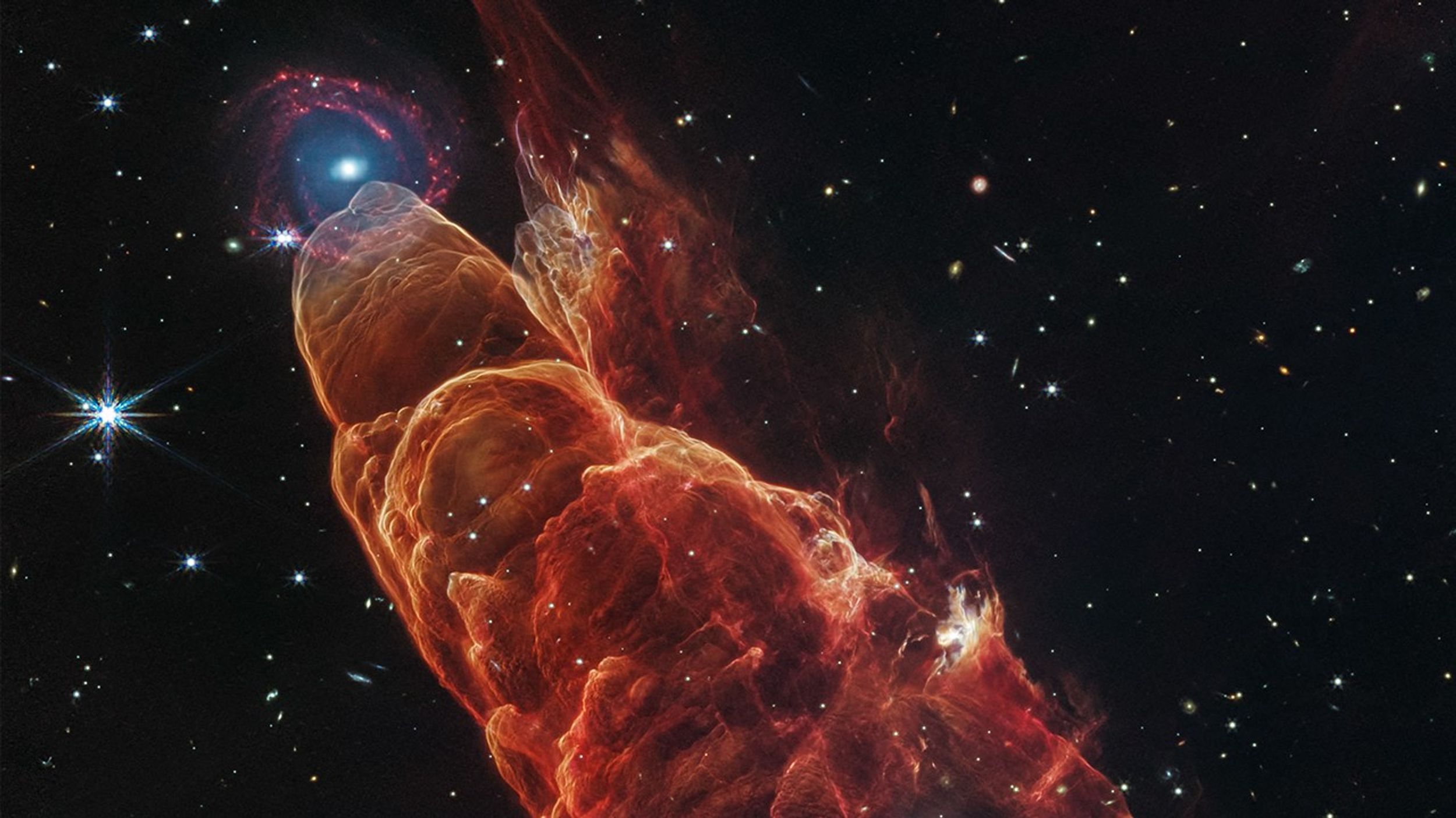
-
February - Curiosity’s Climb for Climate Clues.
These beautiful variations in rock along Mars’ Gale Crater hold significant clues to understanding how the planet’s climate has changed over millions of years and whether it ever had the conditions to support small life forms called microbes. (Spoiler alert: it did, maybe.) Formed by an impact some 3.7 billion years ago, the crater and adjacent Mount Sharp contain rocks and other sediment with the key chemical elements required by life. NASA’s Curiosity rover explored the composition of these rocks and sediment, and it discovered signs that the crater held liquid water millions of years ago. The visualization here, created in March 2024 by the HiRISE (High-Resolution Imaging Science Experiment) camera and other instruments on NASA's MRO (Mars Reconnaissance Orbiter), shows the steep slope climbed by Curiosity to reach the Gediz Vallis channel, visible in the upper part of the image. The area is particularly rich in sulfates, which are salty minerals that form as water evaporates.
Image and text credit: NASA/Jet Propulsion Laboratory (JPL)-Caltech/University of California, Berkeley/University of Arizona
-
March - Good Morning, Moon.
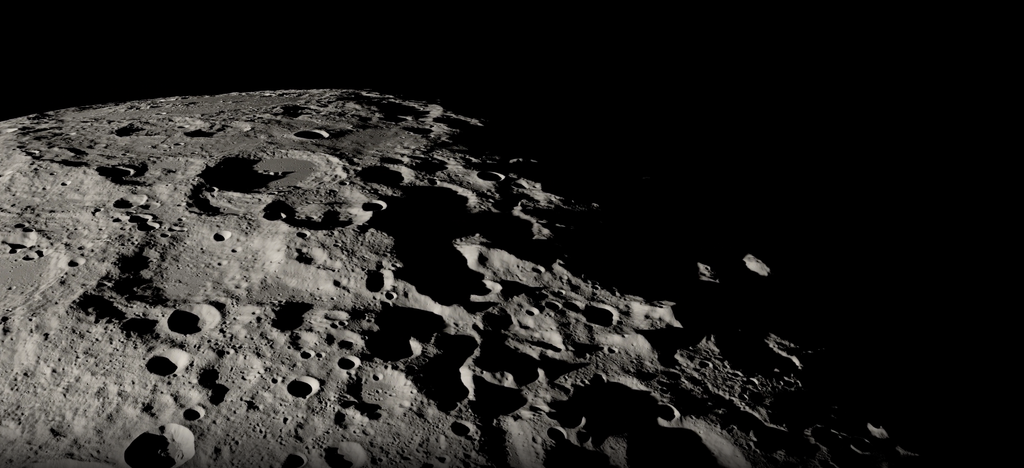
Early morning sunlight illuminates the western wall of this unnamed crater, leaving deep shadows on the ground and in the interior. The image was taken on August 30, 2023, by LROC (Lunar Reconnaissance Orbiter Camera). LROC is a system of three cameras and one of the seven instruments aboard NASA’s LRO (Lunar Reconnaissance Orbiter) mission, which launched in June 2009 and continues in orbit around the Moon. LRO’s primary mission was to make a 3D map of the lunar surface to help identify future landing sites and resources such as polar ice, to investigate the radiation environment, and to prove new technologies, all in anticipation of future robotic and human exploration. In 2011, LRO data led to production of the highest-resolution, near-topographical map of the Moon, and an interactive mosaic of the lunar North Pole was published in 2014. In addition, LRO has taken high-resolution photographs of myriad lunar landing sites from NASA’s Apollo missions and others. LRO also conducted the first demonstration of laser communication with a lunar satellite.
Image and text credit: NASA's Goddard Space Flight Center/Intuitive Machines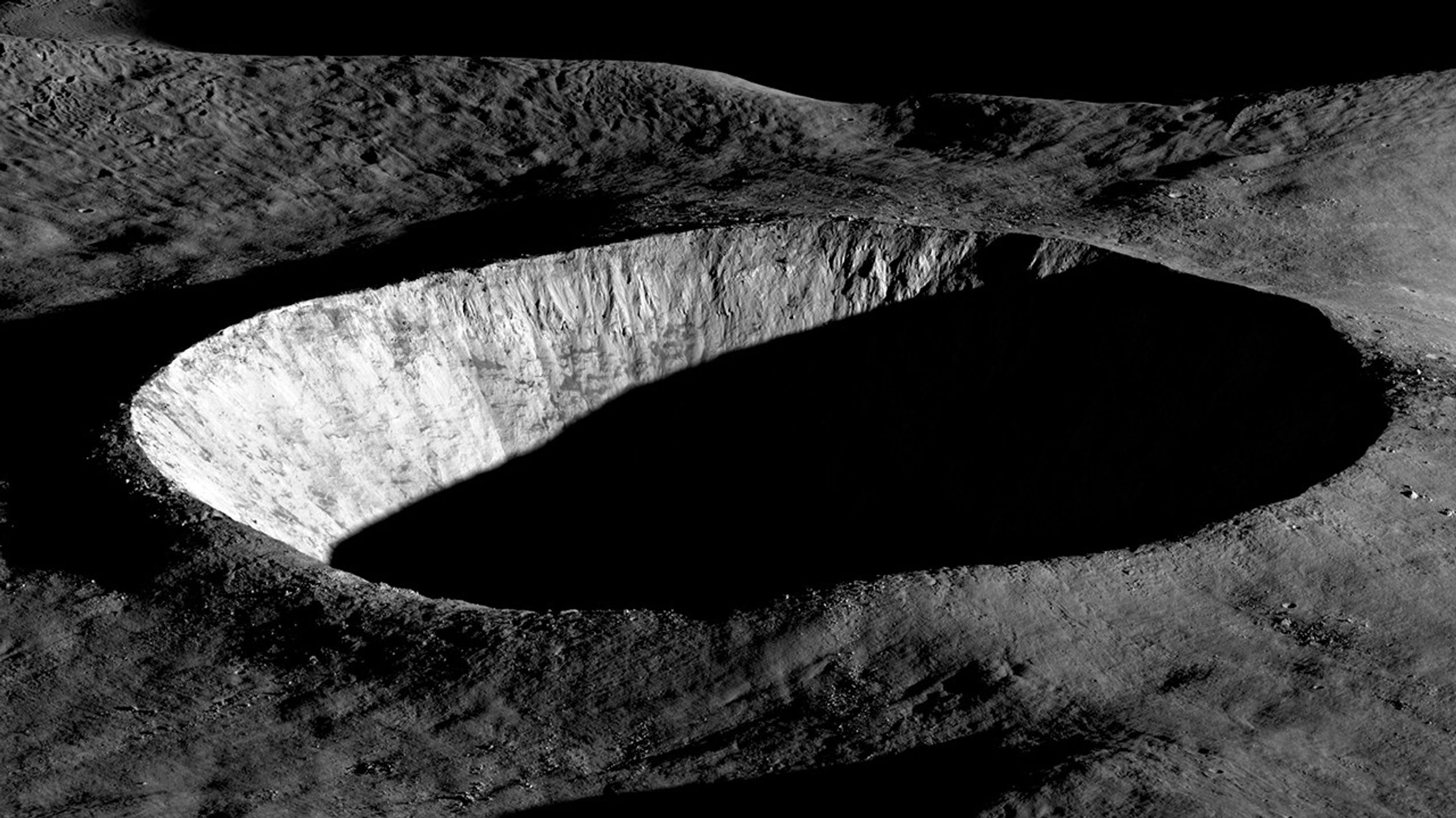
-
April - Cloud Rays Over the Peruvian Coast.
These low-lying clouds over the Pacific Ocean near Peru might bring to mind snowflakes under a magnifying glass, or high mountain peaks as seen from above. They’re named actinoform clouds, from the Greek word for “ray,” because of their distinctive radiating shapes. Researchers use satellite data to investigate clouds as they gather, move across the globe, and dissipate, getting a big-picture view of this essential element in Earth’s weather and energy budget. Some clouds reflect solar energy back into space, while others act as an insulating blanket for the planet, trapping heat closer to the ground. This image was taken July 14, 2024, by the Ocean Color Instrument on NASA's PACE (Plankton, Aerosol, Cloud, ocean Ecosystem) satellite. PACE also carries specialized instruments called polarimeters designed to measure clouds and other particles in the atmosphere, including dust, wildfire smoke, and pollution. With these new tools, scientists can track air quality and explore key questions about how clouds form and change over time.
Image and text credit: NASA/PACE Ocean Color Instrument
-
May - Unlocking the Secrets of Aging and Disease.
As NASA prepares to return to the Moon, studying the effects of the space environment on human blood clot formation is crucial. To explore this, researchers used a model system that mimics megakaryocytes—specialized cells in the bone marrow responsible for producing platelets. The development and function of these cells were observed in cultures aboard the International Space Station as part of the Megakaryocytes Orbiting in Outer Space and Near Earth (MeF1) investigation. Upon return to Earth, researchers analyzed the cells using scanning electron microscopy and false-color imaging. In the blue image, the megakaryocyte cell body is shown at the top center, with the intricate “wreath” structure formed by long “arms” called proplatelet extensions. These extensions eventually pinch off their tips, giving rise to small daughter cells, or platelets, which play a vital role in regulating bleeding. One newly formed platelet is visible to the left of the main cell body. Studying how the space environment impacts cell development and function enables scientists to better understand the health risks to astronauts and create countermeasures to protect crew members on long-duration missions.
Image and text credit: Hansjörg Schwertz, Neal D. Tolley, Marina Tristao—Molecular Medicine Program, University of Utah, Salt Lake City, UT; Hansjörg Schwertz—Billings Clinic, Bozeman, MT; Hansjörg Schwertz—Division of Occupational Medicine, University of Utah, Salt Lake City, UT
-
June - NASA Missions Spot Cosmic “Wreath” Displaying Stellar Circle of Life.
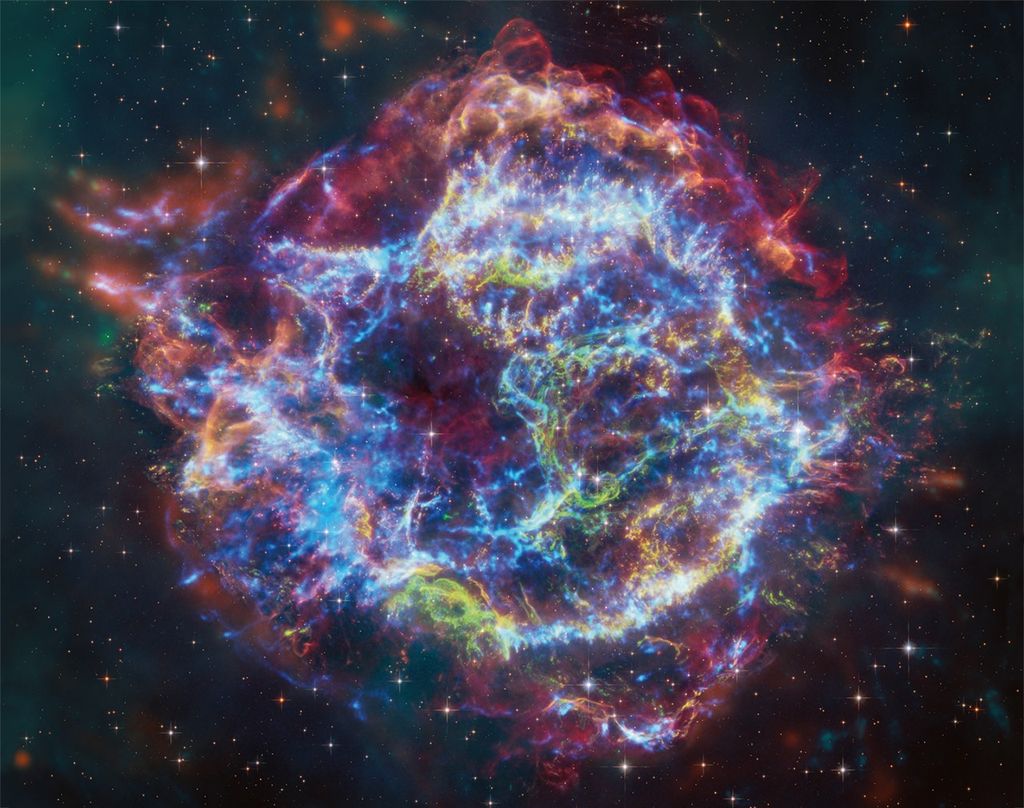
The star cluster NGC 602 lies on the outskirts of the Small Magellanic Cloud, which is one of the closest galaxies to the Milky Way, about 200,000 light-years from Earth. The stars in NGC 602 have fewer heavier elements compared to the Sun and most of the rest of our Milky Way galaxy. Instead, the conditions within NGC 602 mimic those for stars found billions of years ago when the universe was much younger, giving us insight into how the universe has evolved over time in the run-up to the formation of our own galaxy, solar system, and planet. This image, taken December 2024, combines data from NASA’s Chandra X-ray Observatory and James Webb Space Telescope. The dark ring-like outline of the wreath seen in Webb data (represented as orange, yellow, green, and blue) is made up of dense clouds of dust. Meanwhile, X-rays from Chandra (red) show young, massive stars that are illuminating the wreath, sending high-energy light into interstellar space. These X-rays are powered by winds flowing from the young, massive stars that are sprinkled throughout the cluster.
Image and text credit: X-ray: NASA/Chandra X-ray Center (CXC); Infrared: European Space Agency (ESA)/Webb, NASA & Canadian Space Agency (CSA), P. Zeilder, E. Sabbi, A. Nota, M. Zamani; Image processing: NASA/CXC/Smithsonian Astrophysical Observatory (SAO)/L. Frattare and K. Arcand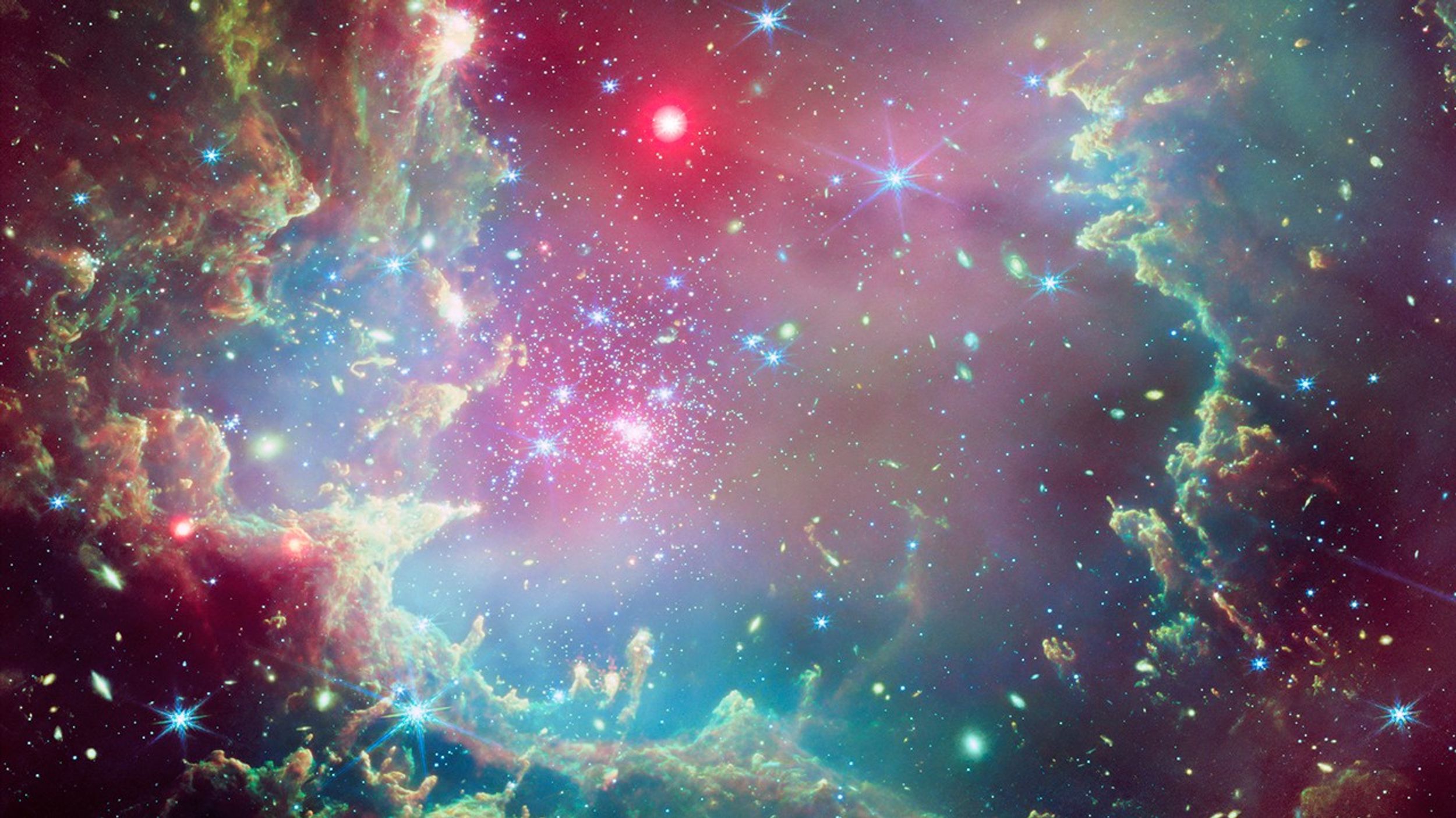
-
July - Nor’easter Moves into the Atlantic.
On February 14, 2024, this nor’easter was captured by NOAA’s JPSS (Joint Polar Satellite System), a collaborative mission between NOAA and NASA. The image shows a large, swirling mass of clouds stretching from Eastern Canada to the Caribbean. The JPSS Visible Infrared Imaging Radiometer Suite (VIIRS) instrument helps identify the storm’s cloud type and phase. Yellow and orange areas show thick, high ice clouds, while green and teal show warmer clouds. This storm system developed in the Southwestern United States on February 10, bringing snow to the Texas Panhandle before moving northeast across the Ohio Valley and on to the East Coast. On February 13, the storm developed into a nor’easter, bringing heavy snow to the Mid-Atlantic and Northeast states, causing power outages, flight delays, and school closings. Satellite imagery of severe storms provides crucial real-time data on storm system development, movement, and intensity. These updates improve forecasts and emergency response times for people in a storm’s path.
Image and text credit: Cooperative Institute for Research in the Atmosphere at Colorado State University (CSU/CIRA) and the National Oceanic and Atmospheric Administration National Environmental Satellite Data & Information Service (NOAA/NESDIS)
-
August - Pyramid Lake in Bloom.
Dense bands of blue-green algae, or cyanobacteria, swirled through the waters of Pyramid Lake in October 2024. This lake in western Nevada experiences blooms almost every year, some of which produce toxins that can sicken people and animals. Satellite instruments, such as the one that captured this image from the joint NASA/U.S. Geological Survey’s Landsat mission, can detect the green chlorophyll pigments in these algae. If there’s a sharp increase that indicates a bloom, satellite data can help recreation managers and water resource departments determine where to focus water quality testing, enabling them to issue timely alerts for swimmers and boaters when necessary.
Image and text credit: NASA Earth Observatory/Landsat
-
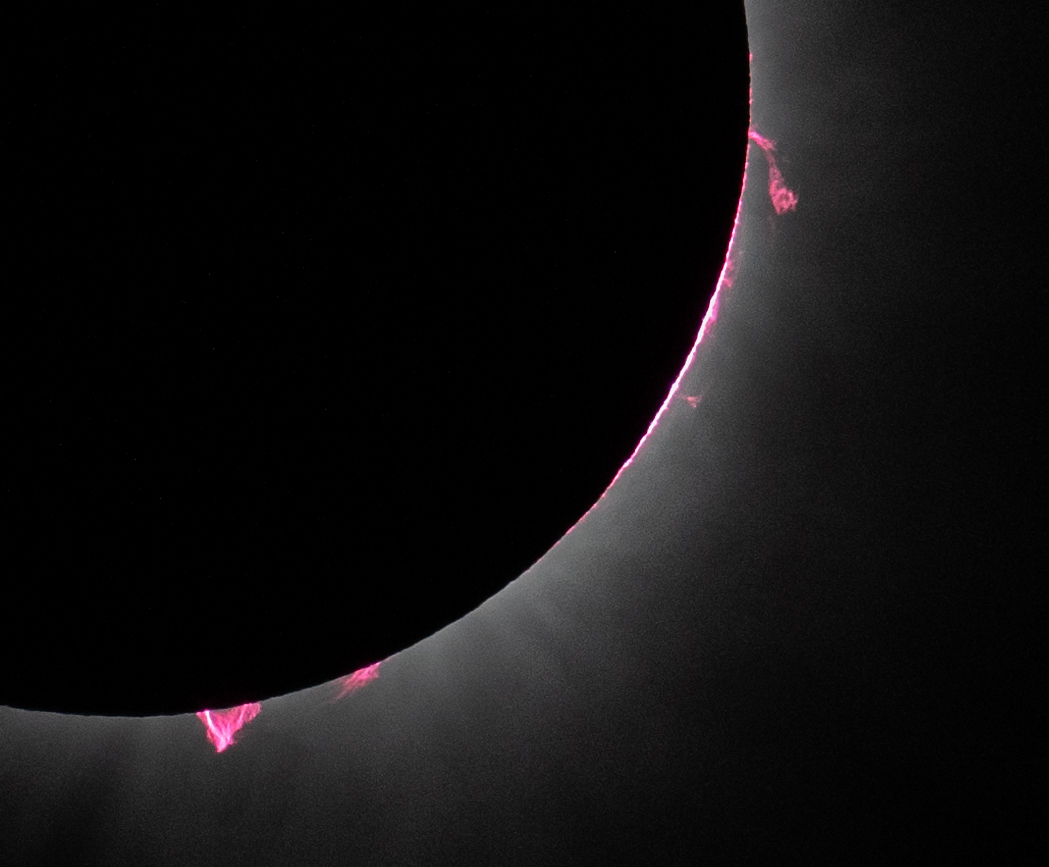
September - Nature’s Coronagraph.
The Moon blocks the bright light of the Sun, revealing a glimpse of its corona just after totality in Dallas, Texas, on Monday, April 8, 2024. The bright pink features seen here, called solar prominences, are jets of plasma extending from the Sun’s surface, visible during an eclipse. “Bailey’s beads” appear as white slivers of sunlight pass through valleys on the Moon. The total solar eclipse swept across a narrow portion of the North American continent, with scientists and citizen scientists collecting data along the path of totality to help researchers study the innermost part of the corona that is visible only during total solar eclipses. These data provide insights into fundamental questions about how heat and energy are transferred from the Sun out into the solar system, which can impact humans and technology in its path.
Image and text credit: NASA/Keegan Barber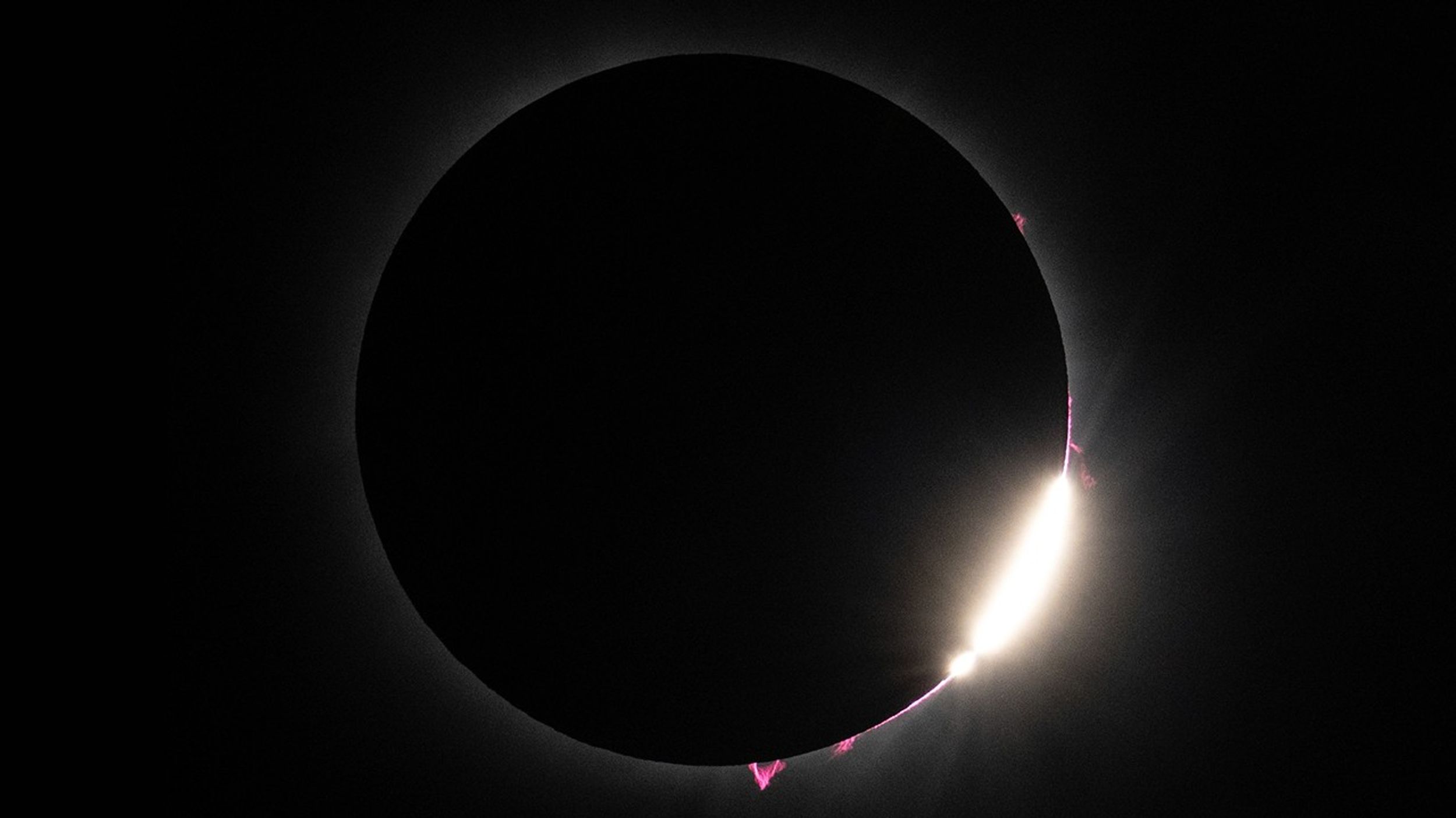
-
October - To Boldly Grow Where No One Has Grown Before.
To go farther and stay longer in space, astronauts will need sustainable sources of nutrition. NASA’s Biological and Physical Sciences division conducts research on how different plants adapt to harsh conditions in space, which could inform future space crops. This leaf cell image of Brachypodium distachyon, a grass species related to wheat and oats, was created by a microscope that illuminates cells to produce vibrant colors. The green filaments are cell components called microtubules, and the magenta bodies are chloroplasts. This research was conducted aboard the International Space Station from 2021 to 2025 as part of Advanced Plant Experiments (APEX)-07 and -09.
Image and text credit: Utilization & Life Sciences Office, NASA's Kennedy Space Center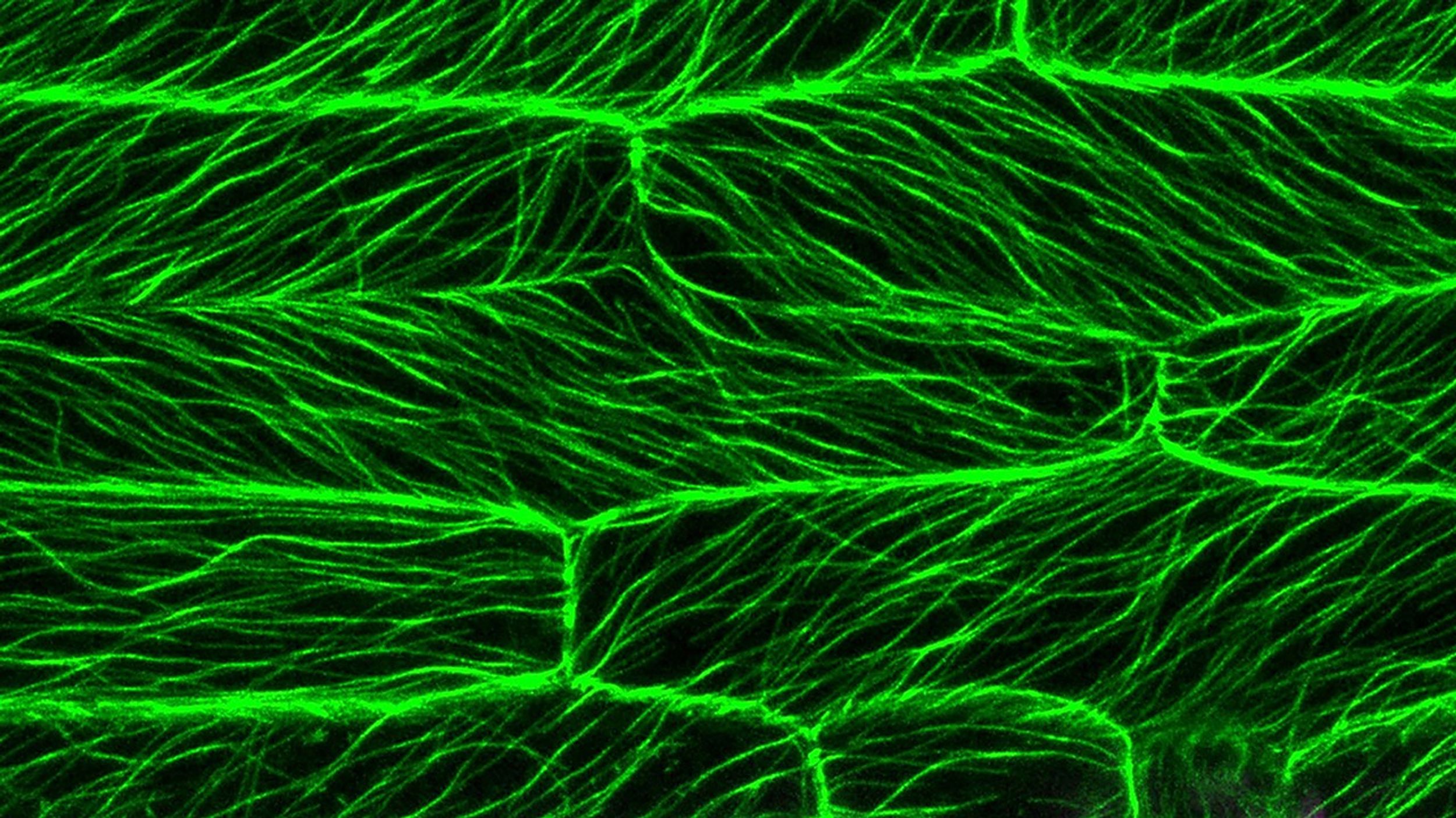
-
November - Close Encounters of the Asteroid Kind.
On April 20, 2025, NASA’s Lucy spacecraft captured this image of the asteroid Donaldjohanson as Lucy flew through the main asteroid belt on its way to its ultimate destinations at Jupiter’s Trojan asteroids. Asteroids, the rocky remains formed at the birth of our solar system, may help us understand the origins of our planets and other small bodies. Donaldjohanson was thought to have been formed by the collision of two smaller bodies, what’s known as a contact binary, but the odd shape of the connection between the two lobes hints at a more complex geology that scientists can now study in detail thanks to the data collected by Lucy’s instruments. The Lucy spacecraft is named after the fossilized remains of Lucy, one of the first human ancestors, which was discovered by anthropologist Donald Johanson, for whom this asteroid is named. This is Lucy’s second main-belt asteroid encounter. Lucy is the first space mission to the Trojan asteroids, and the data it collects will provide new insight into the origins of our solar system.
Image and text credit: NASA's Goddard Space Flight Center/Southwest Research Institute (SwRI)/Johns Hopkins University Applied Physics Laboratory (APL)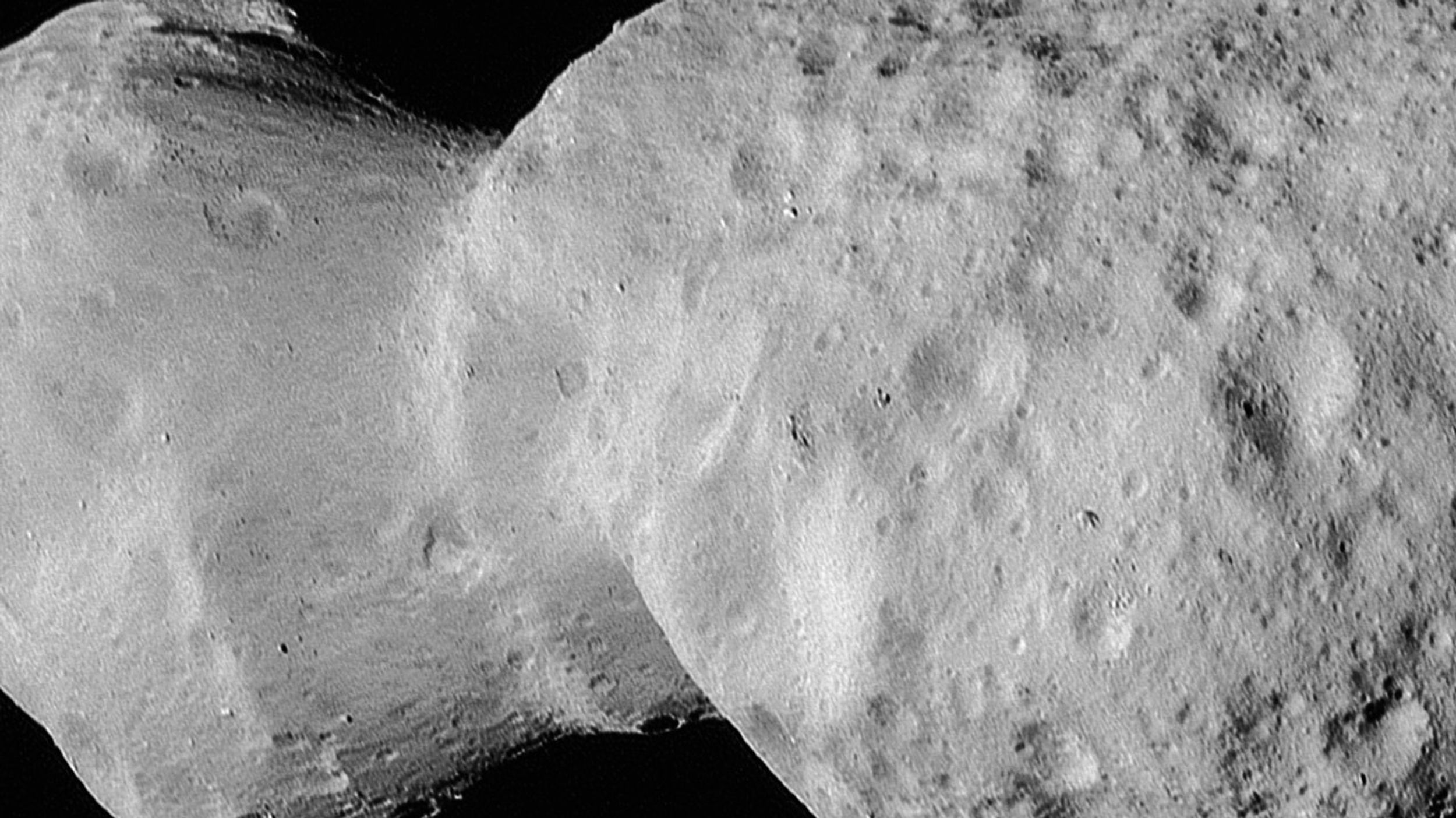
-
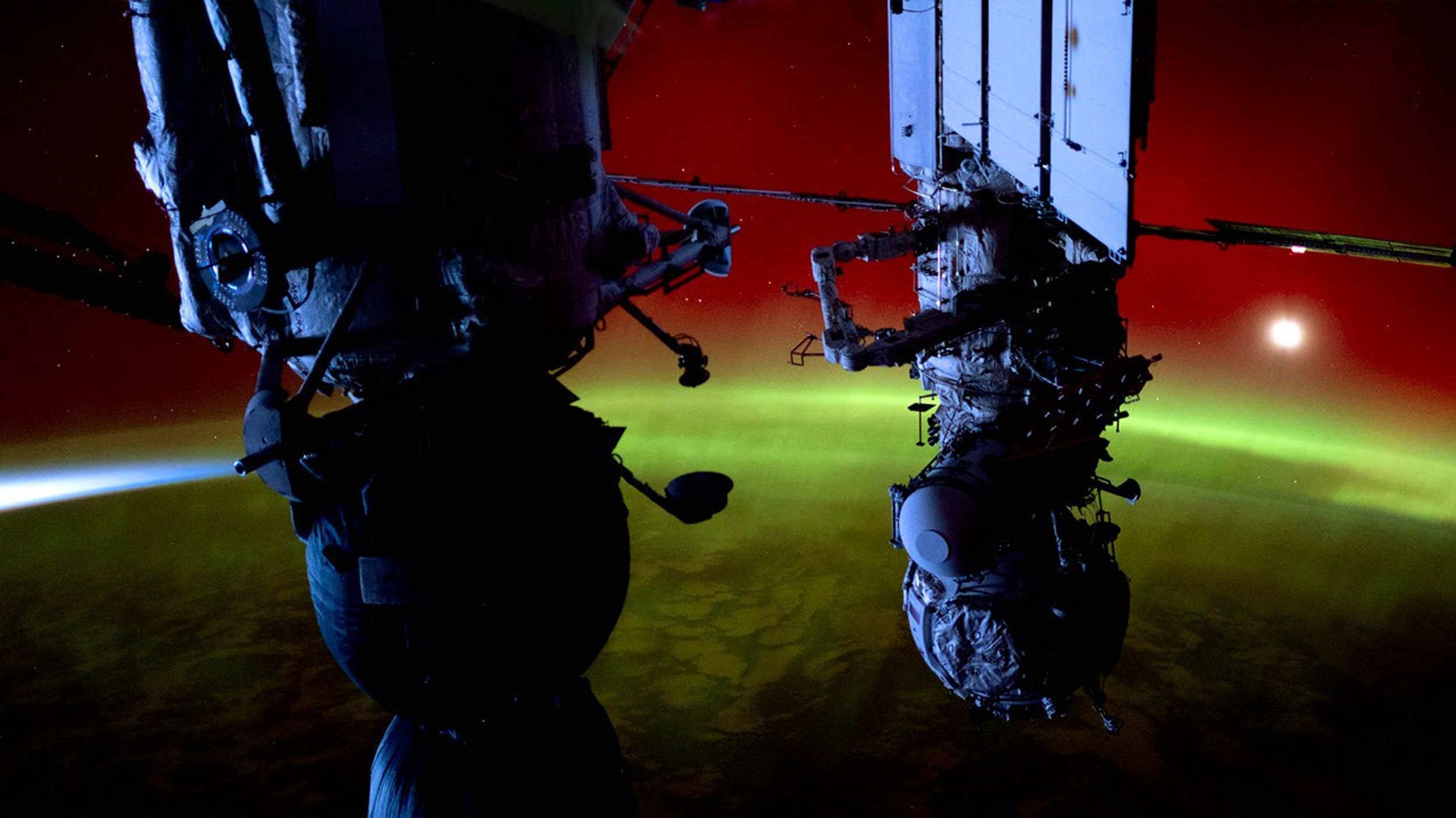
December - Astronauts Fly Through Red Aurora.
Bright red auroras are very rare, occurring only with intense solar activity when charged particles from the Sun collide with atomic oxygen 120 miles (200 km) or higher above Earth. In October 2024, severe geomagnetic storms instigated dazzling displays of northern lights visible from shockingly low latitudes on the ground. In space, the aurora caught NASA astronauts Don Pettit and Matthew Dominick off guard on October 10, when they realized they were flying through it in a cosmic sea of deep red. “The sun goes burp and the atmosphere turns red,” said Pettit, who snapped this photo from the International Space Station. “Spectacular not only from Earth, but from orbit as well.” NASA’s Moon to Mars Space Weather Analysis Office traced the source of this aurora to an X1.8 flare that the Sun emitted on October 9. Such intense storms pose the greatest risk of damage, making the resulting auroras a critical area of study for scientists. Pettit marveled on social media, “It looked like the International Space Station had been shrunk to some miniature dimension and inserted into a neon sign. We were not flying above the aurora; we were flying in the aurora.”
Photo and text credit: Photo by NASA’s Spritacular project participant Nicolas Escurat; text by Miles Hatfield