


























Neptune: Exploration
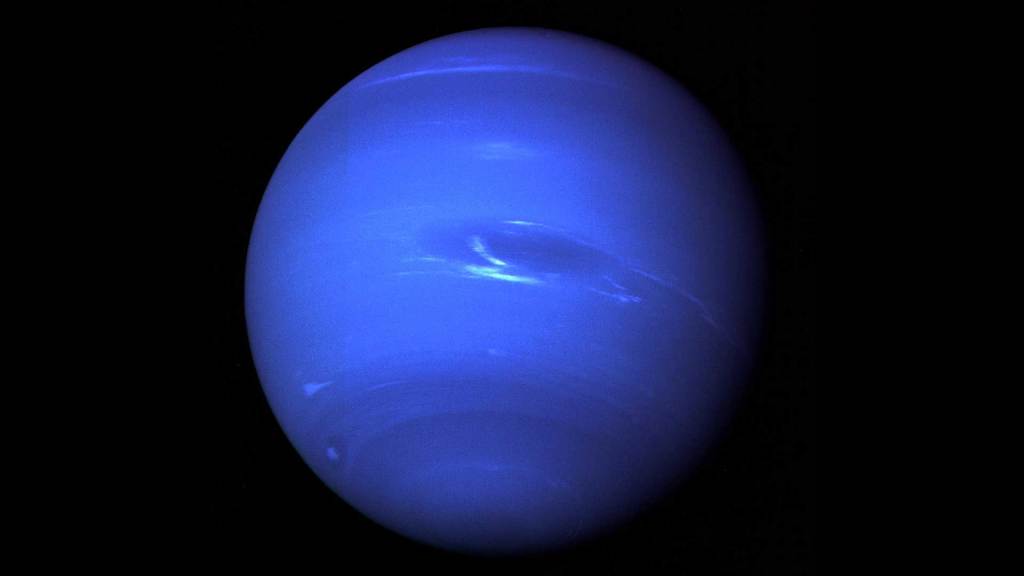
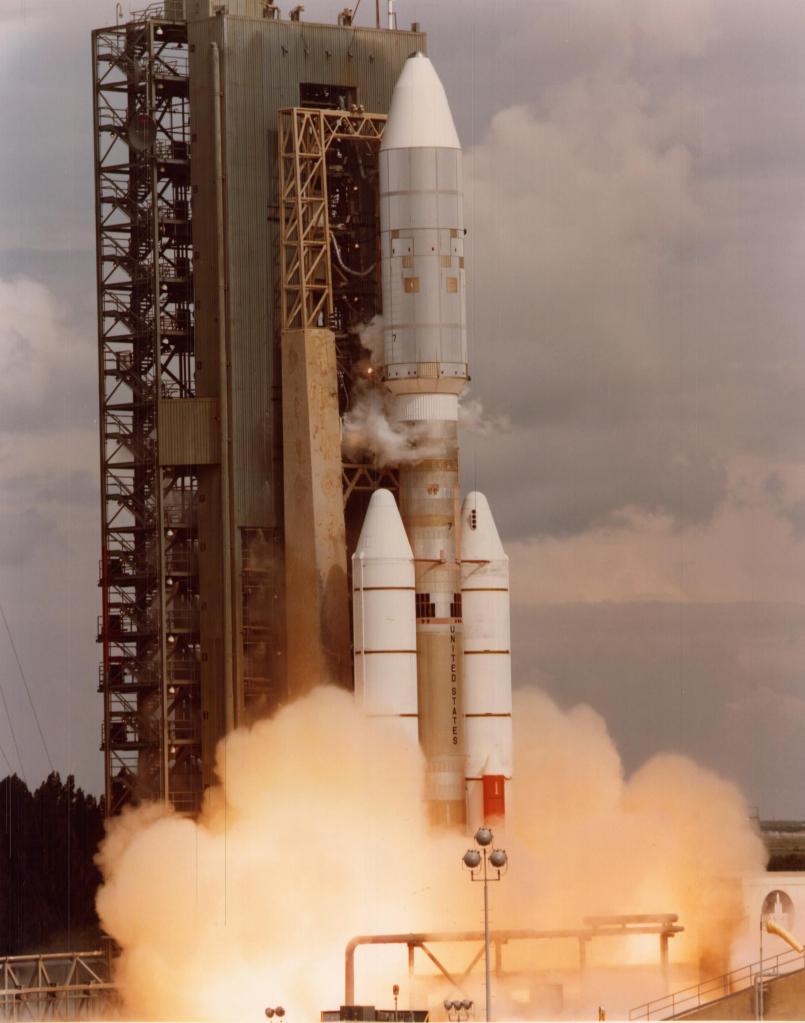
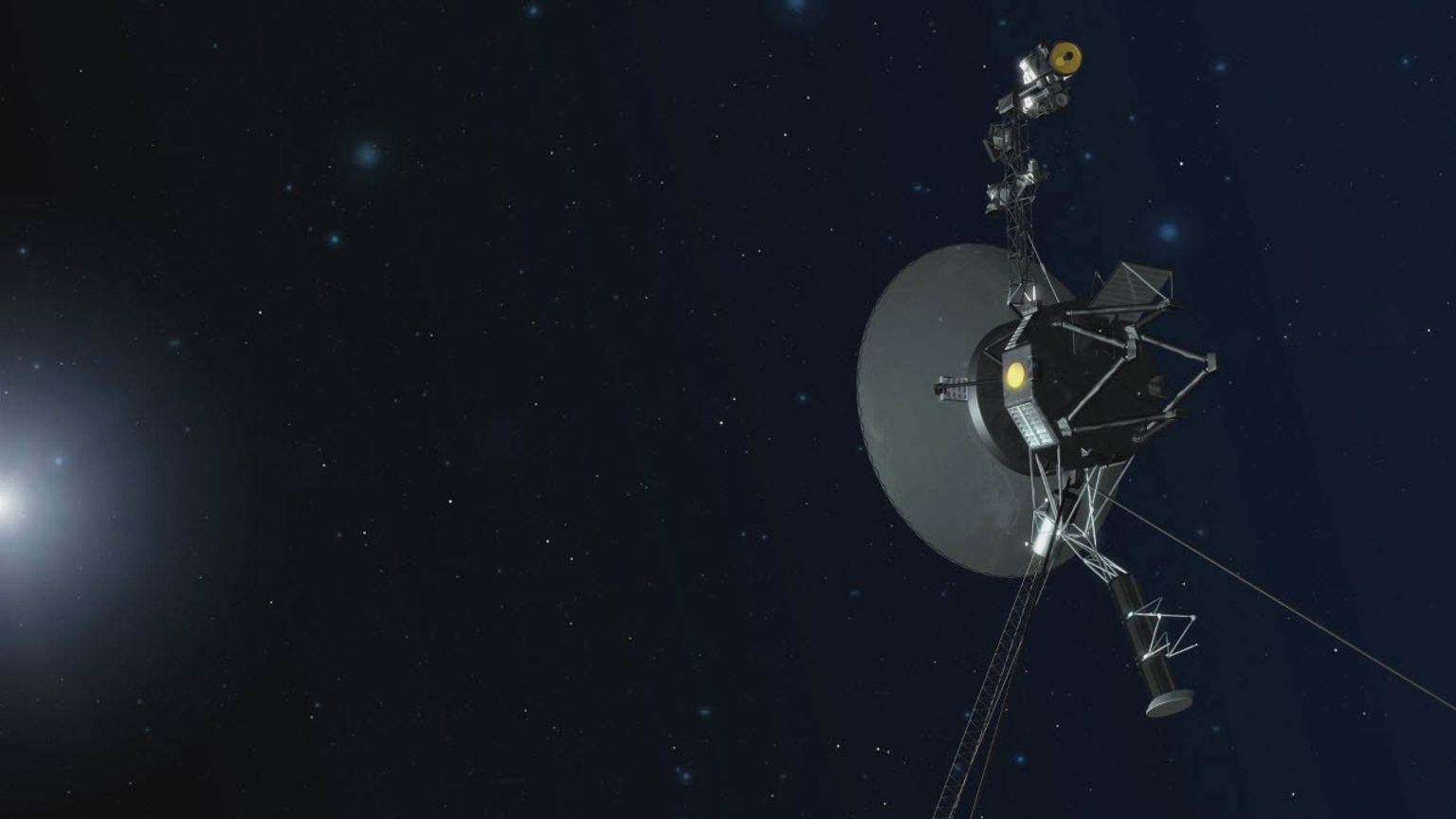
In 1989, NASA's Voyager 2 became the first-and only-spacecraft to study Neptune up close. Voyager returned a wealth of information about Neptune and its moons. It confirmed evidence the giant world had faint rings like the other gas planets. Scientists also use the Hubble and Webb space telescopes, along with powerful ground-based telescopes, to gather more information about this distant planet.
Significant Events
- 1612: Galileo incorrectly records Neptune as a fixed star during observations with his small telescope.
- 1846: Using mathematical calculations, astronomers discover Neptune, increasing the number of known planets to eight. Neptune's largest moon, Triton, is found the same year.
- 1983: Pioneer 10 crosses the orbit of Neptune and becomes the first human-made object to travel beyond the orbits of the planets of our solar system. The spacecraft remains on a trajectory heading toward the red star Aldebaran (in the constellation Taurus) and is expected to pass by it in about 2,000,000 years.
- 1984: Astronomers find evidence for the existence of a ring system around Neptune.
- 1989: Voyager 2 becomes the first and only spacecraft to visit Neptune, passing about 2,983 miles (4,800 kilometers) above the planet's north pole.
- 2002: Using improved observing techniques, astronomers discover four new moons orbiting Neptune: Laomedia, Neso, Sao and Halimede.
- 2003: Another moon, Psamathe, is discovered using ground-based telescopes.
- 2005: Scientists using the Keck Observatory take images of the outer rings and find that some of the ring arcs have deteriorated.
- 2011: Neptune completes its first 165-year orbit of the Sun since its discovery in 1846.
- 2013: A scientist studying Neptune's ring arcs in archival Hubble Space Telescope images finds a previously unknown 14th moon of Neptune, provisionally designated S/2004 N 1.
- 2016: Scientists using the Hubble Space Telescope discover a new dark spot on Neptune, the first new atmospheric vortex seen in the 21st century.
- 2022: NASA’s James Webb Space Telescope took its first image of Neptune, and captured the clearest view of the planet’s rings in more than 30 years.