














Latest NASA Science News
Stay up-to-date with the latest news from NASA Science as we explore the universe, solar system, sun and our home planet Earth.
Filters


Several ingredients came together off the Pacific coast of Mexico to generate one of the strongest storms the eastern Pacific basin has ever seen.
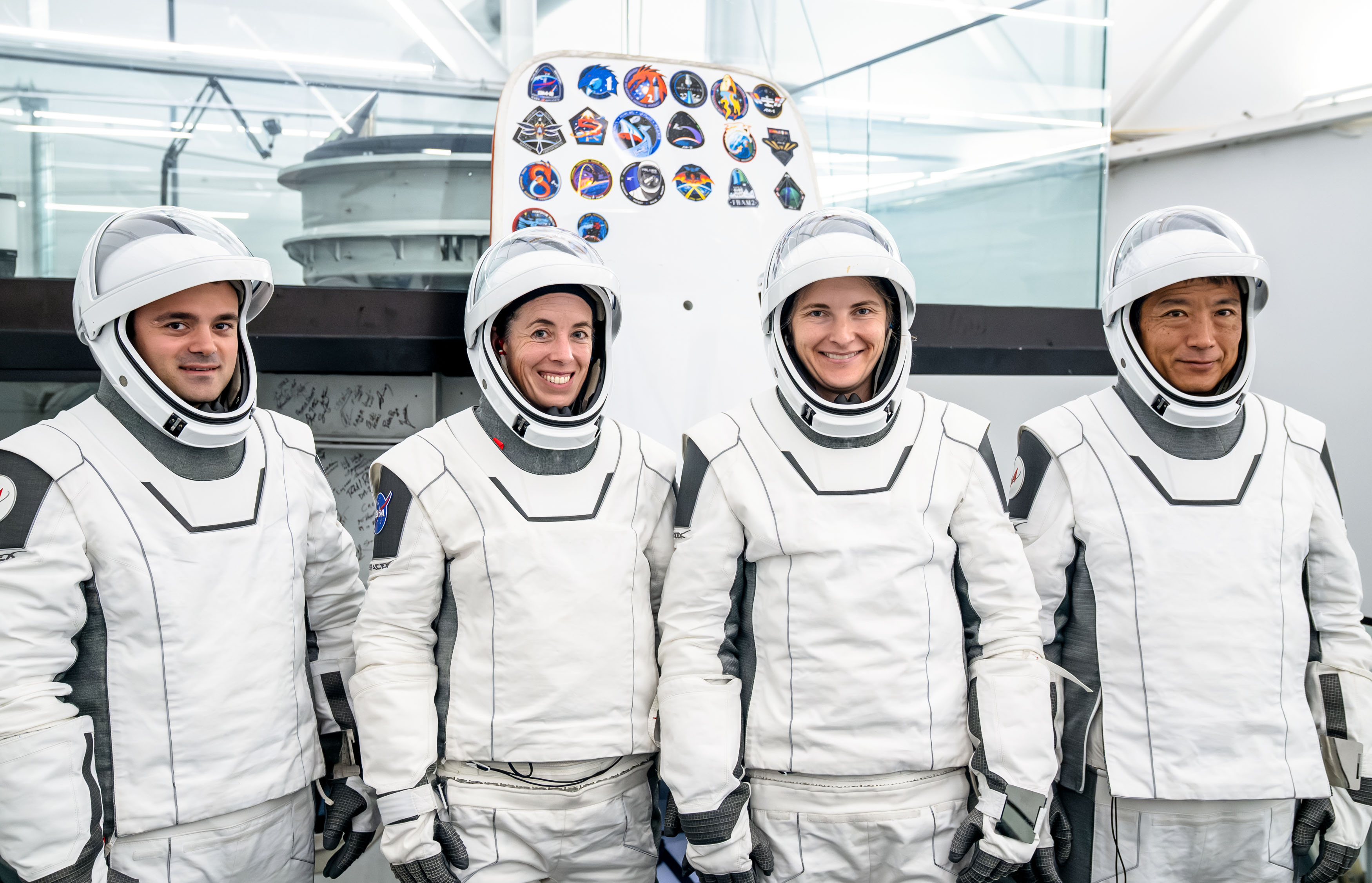
Four crew members from three space agencies will launch to the International Space Station no earlier than spring 2027 for a long-duration science expedition as part of NASA’s SpaceX Crew-14 mission. NASA astronauts Kayla Barron and Chris Birch will serve as spacecraft…
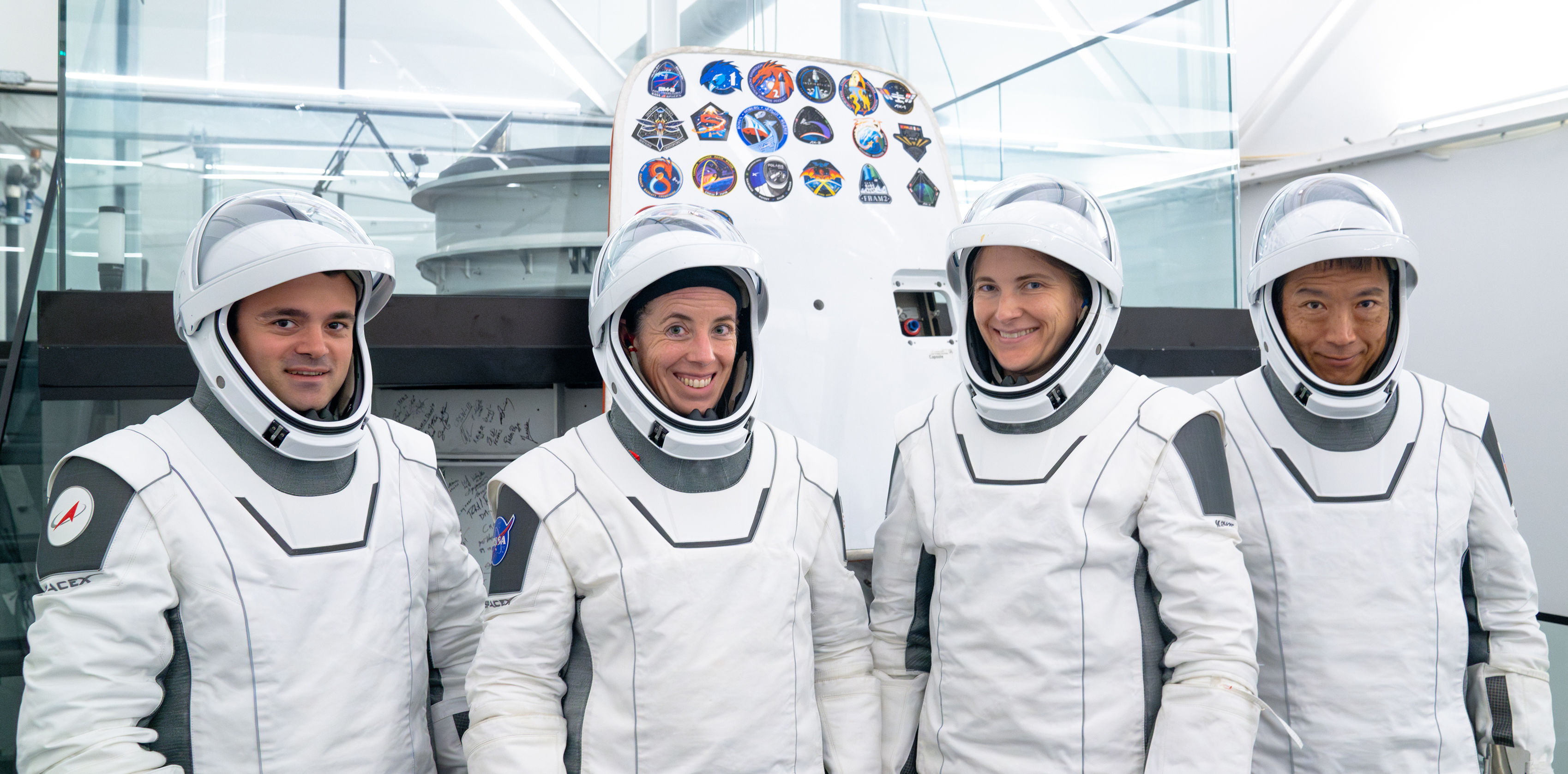
Four crew members from three space agencies will launch to the International Space Station no earlier than spring 2027 for a long-duration science expedition as part of NASA’s SpaceX Crew-14 mission. NASA astronauts Kayla Barron and Chris Birch will serve as spacecraft…
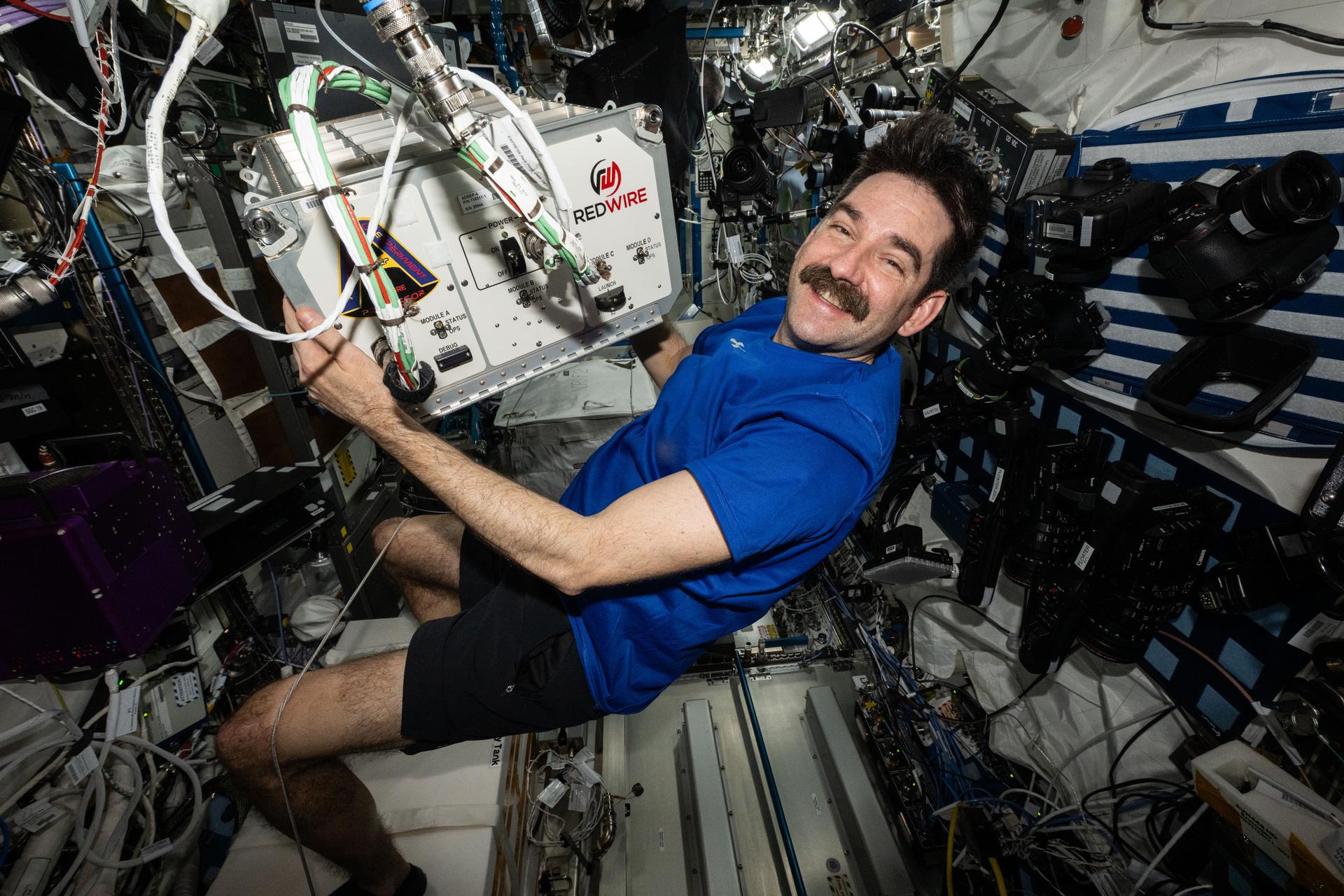
Advanced health research, including ultrasound scans, blood tests, and exercise studies, using the latest technology in microgravity was on Thursday’s schedule for the Expedition 75 crew. The orbital residents also continued their ongoing cargo operations and maintenance tasks aboard the…
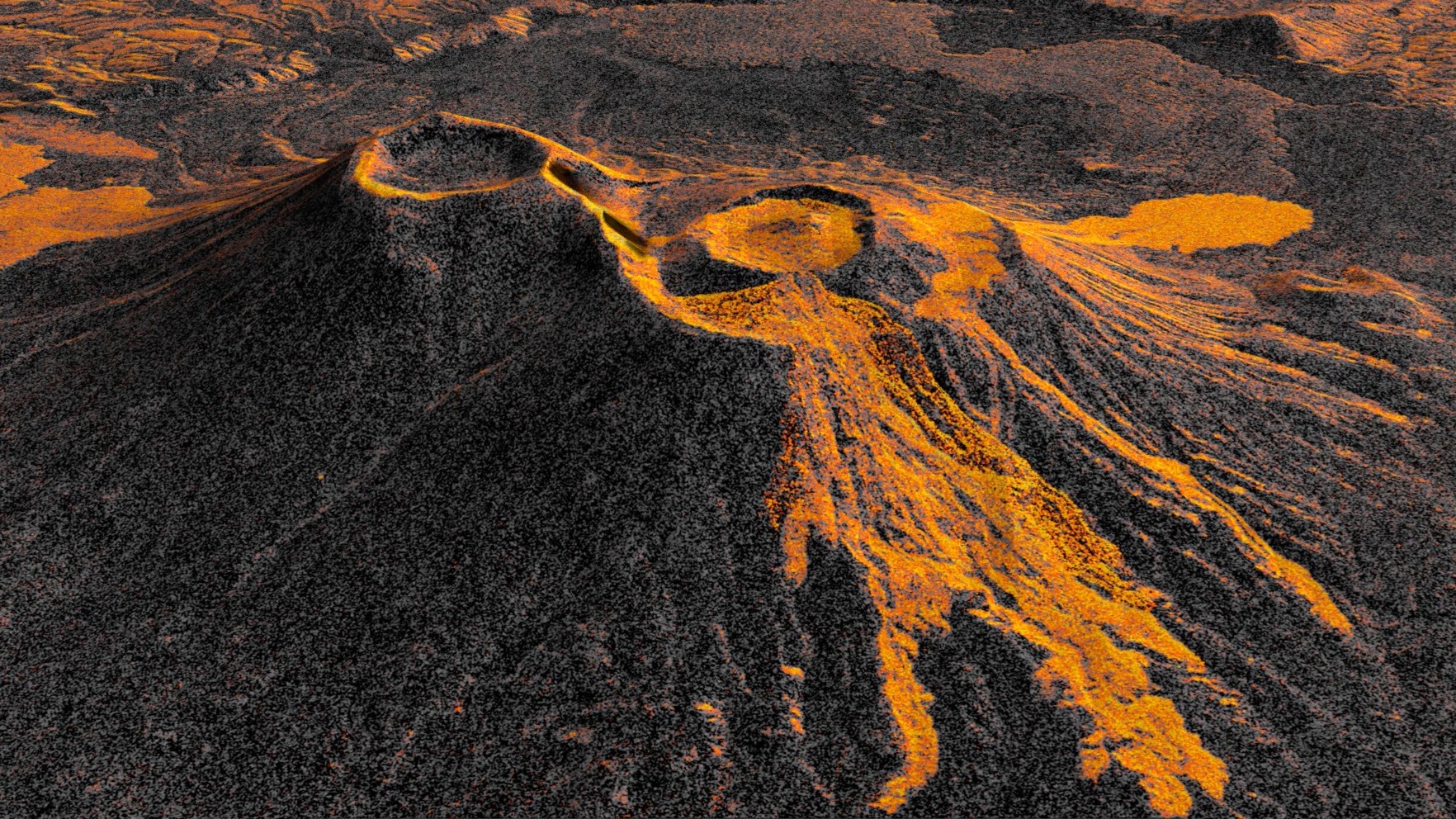
Like tendrils on a vine, lava spreads out from the northern crater of Krasheninnikov, a volcano pair on the Pacific coast of Russia’s Kamchatka Peninsula. On July 30, 2025, an 8.8-magnitude earthquake had struck in the nearby ocean, apparently jolting…

An engineering model of NASA’s DAVINCI (Deep Atmosphere Venus Investigation of Noble gases, Chemistry, and Imaging) descent probe passed a key test that ran from Aug. 28 to Sept. 10, showing it can survive the extreme temperatures of Venus. The…

During NASA’s SpaceX Crew‑13 mission aboard the International Space Station, astronauts will support a series of biomedical and human performance investigations, including a new collaborative effort to study how spaceflight affects blood flow and clotting. NASA also is testing crew…


A low-lying cloud layer brought autumn ambience to western Washington and Oregon, while mountainous areas near the coast remained above the pall.