






Advancing Our Knowledge of Other Worlds
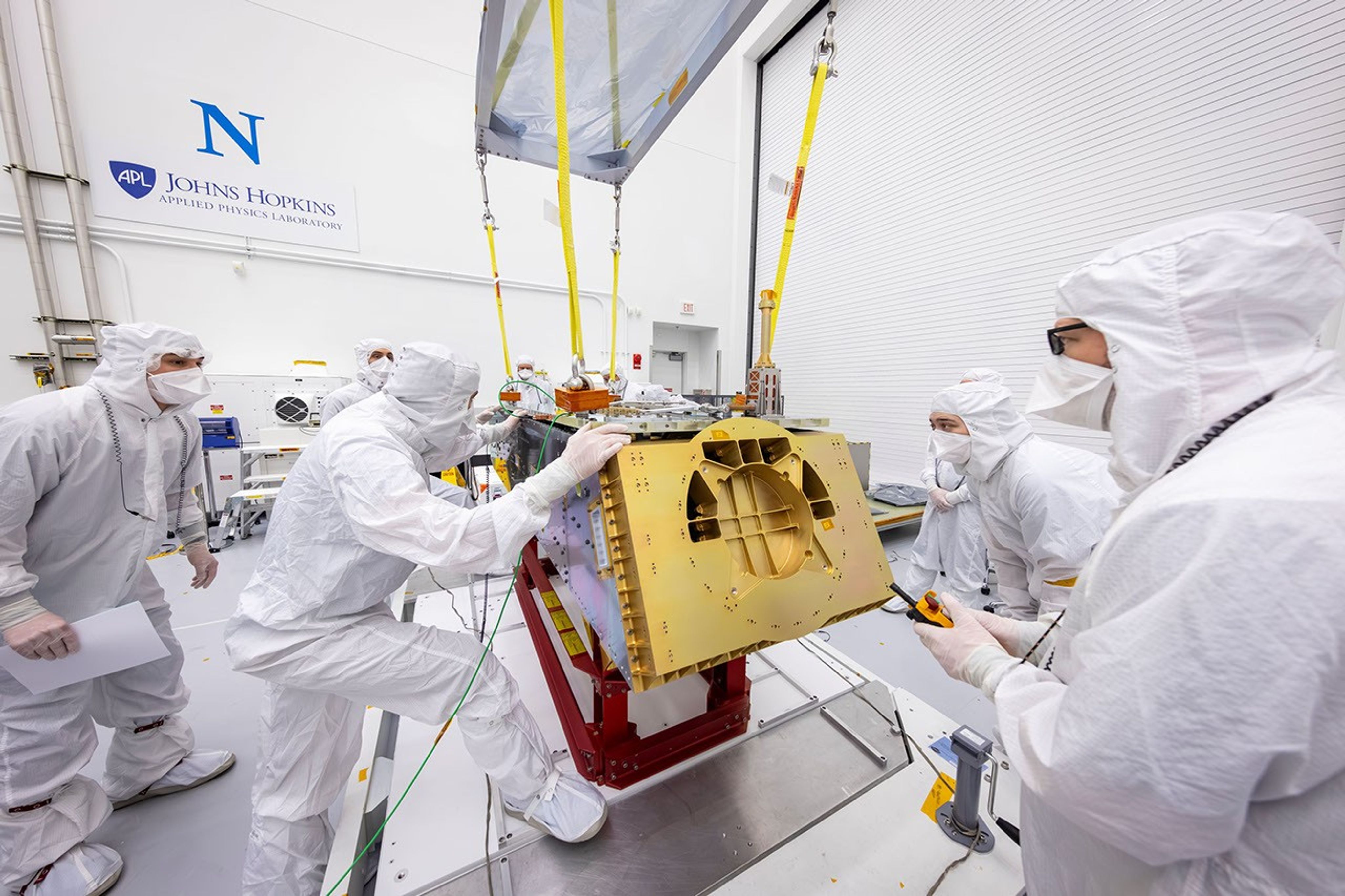
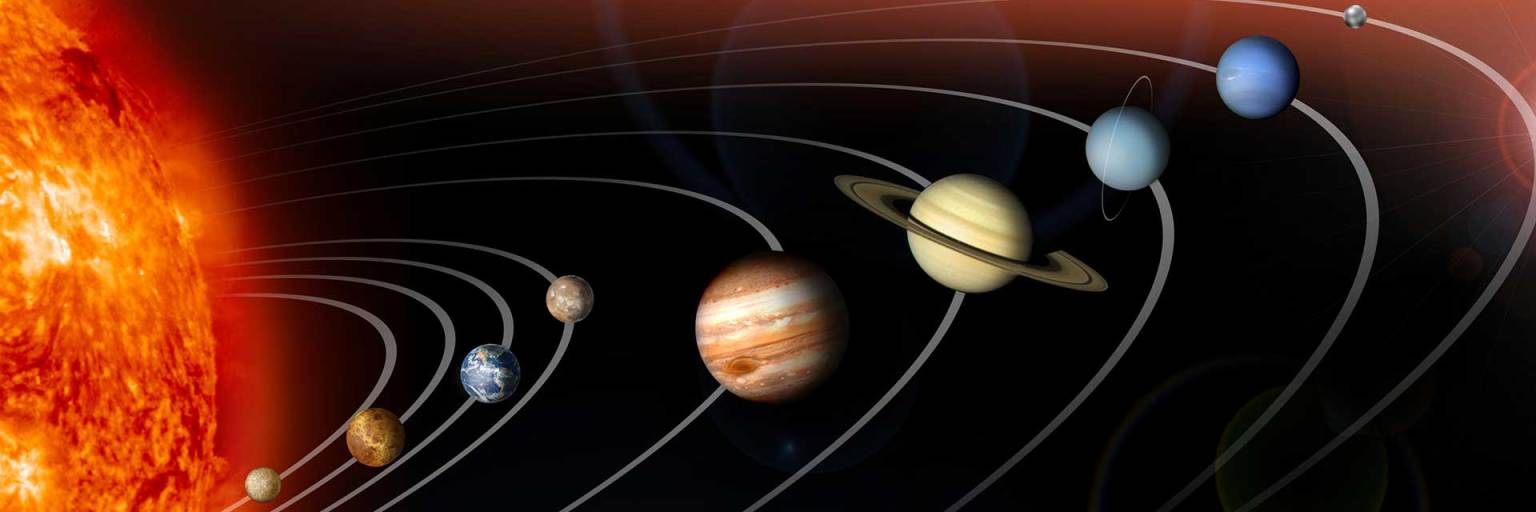
For decades, NASA’s planetary science program has advanced scientific understanding of our solar system in extraordinary ways, pushing the limits of spacecraft and robotic engineering design and operation.
NASA spacecraft have visited every planet and a variety of small bodies, and current and upcoming missions will bring back samples from exciting destinations, allowing detailed study and analysis back on Earth.
Using recommendations from the National Academies' Planetary Science and Astrobiology Decadal Survey 2023-2032 as our guide, NASA planetary science missions and research inform us about our solar system's origin and evolution, which will enable the expansion of humanity beyond Earth.
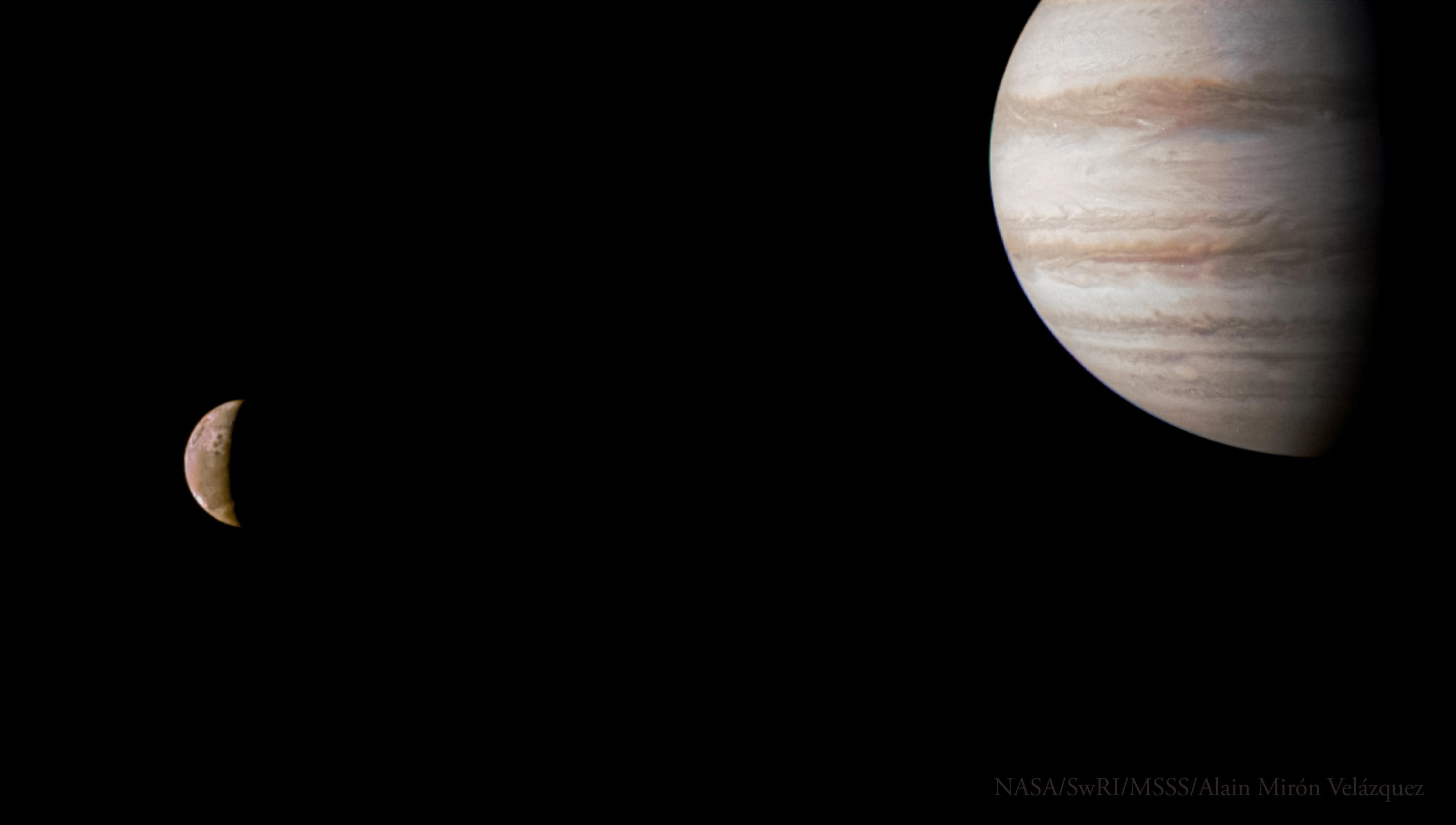
check it out
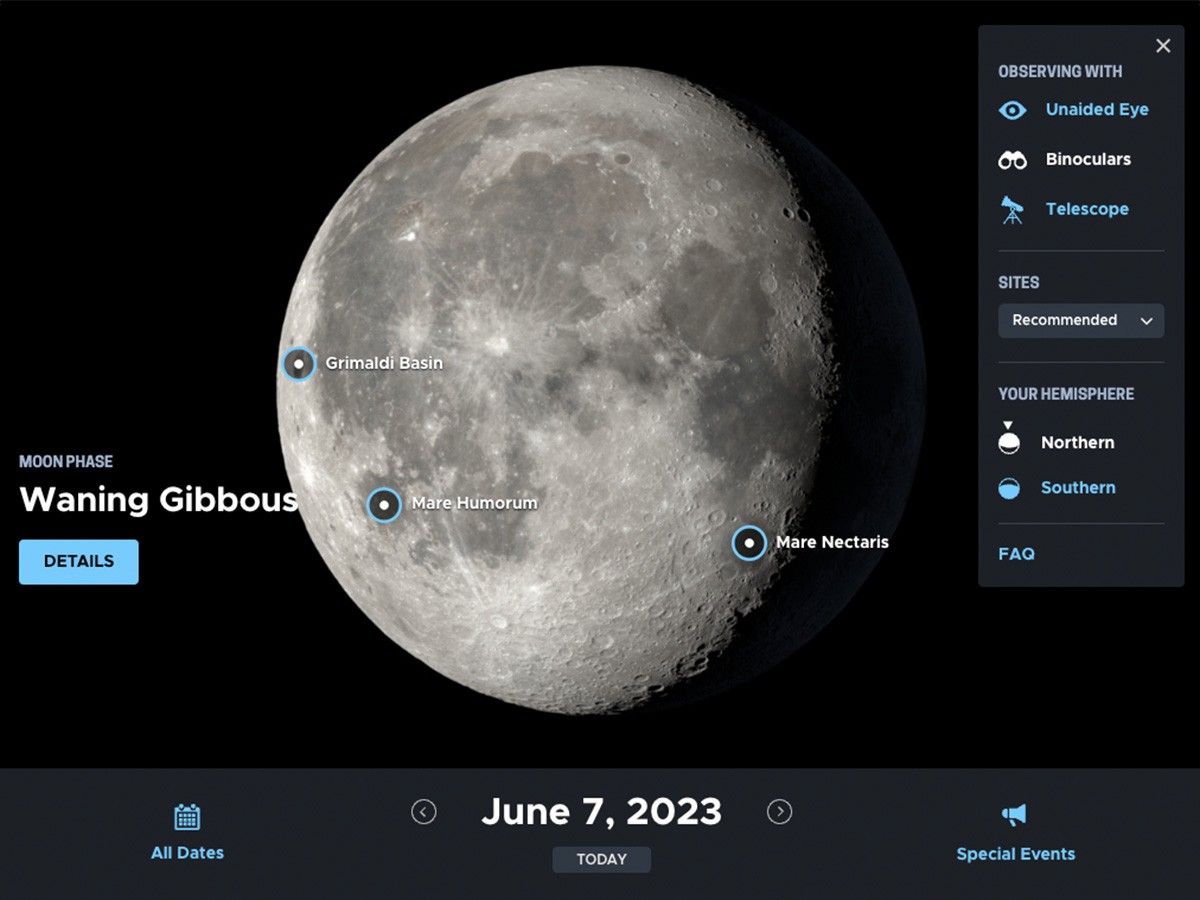
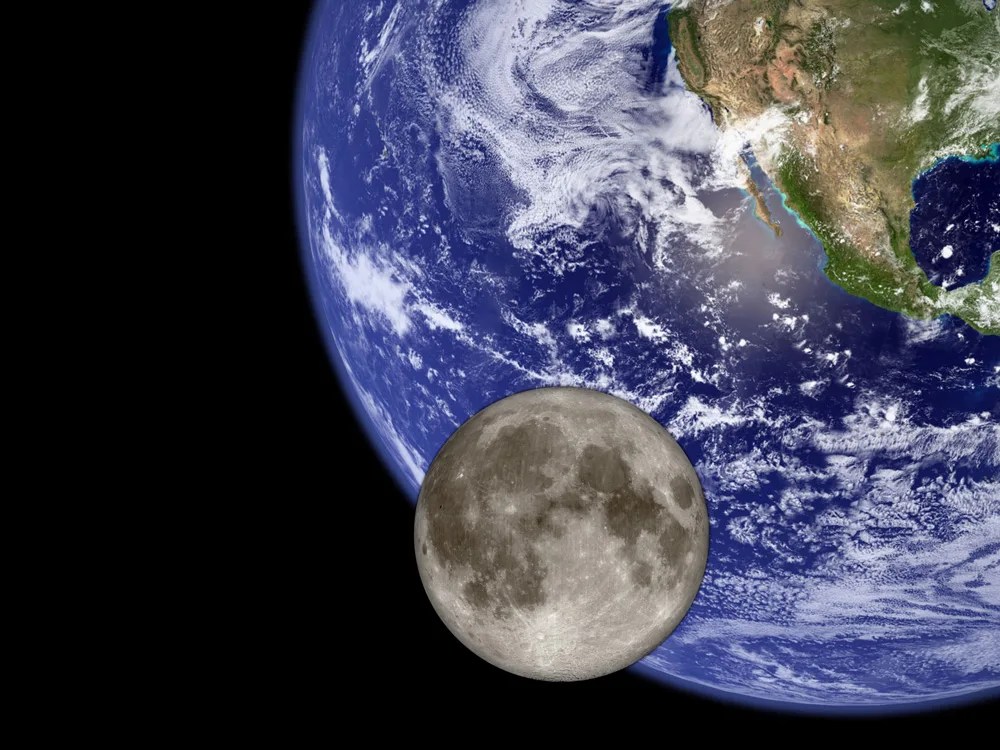
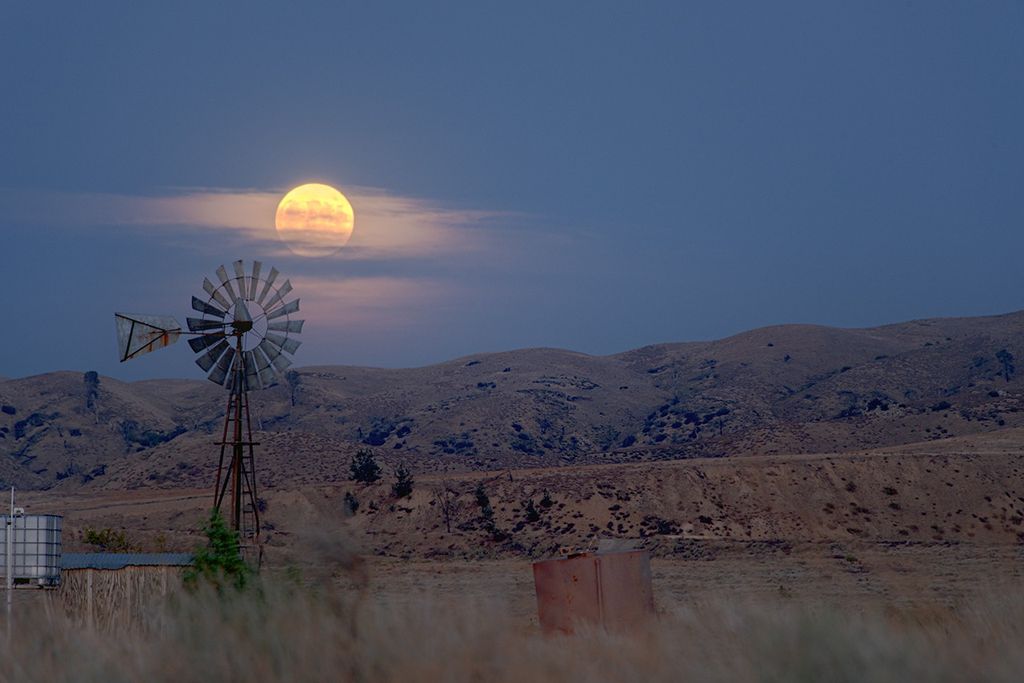
Discover NASA's Daily Moon Guide
This interactive map shows what the Moon will look like on your special day, or any day of the year.
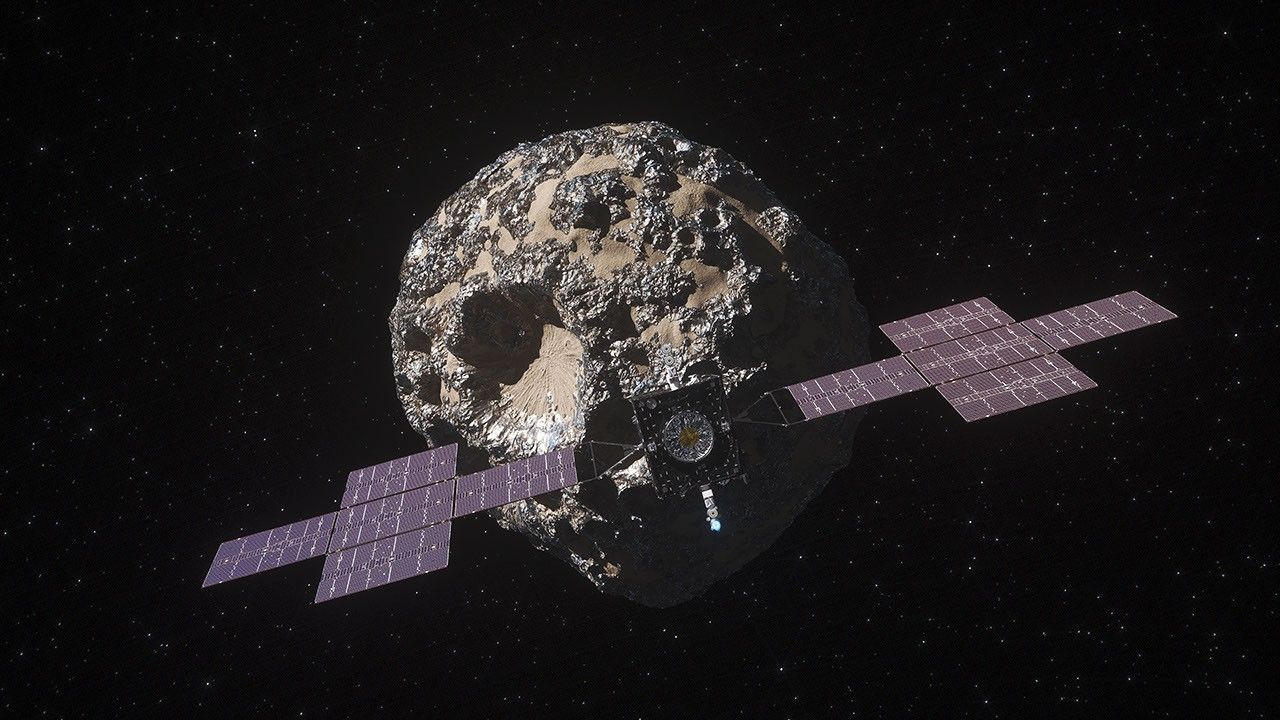
Get Psyched for Psyche
See the unique artwork created by undergrads inspired by NASA's Psyche mission to a metal-rich asteroid and learn how to get involved.
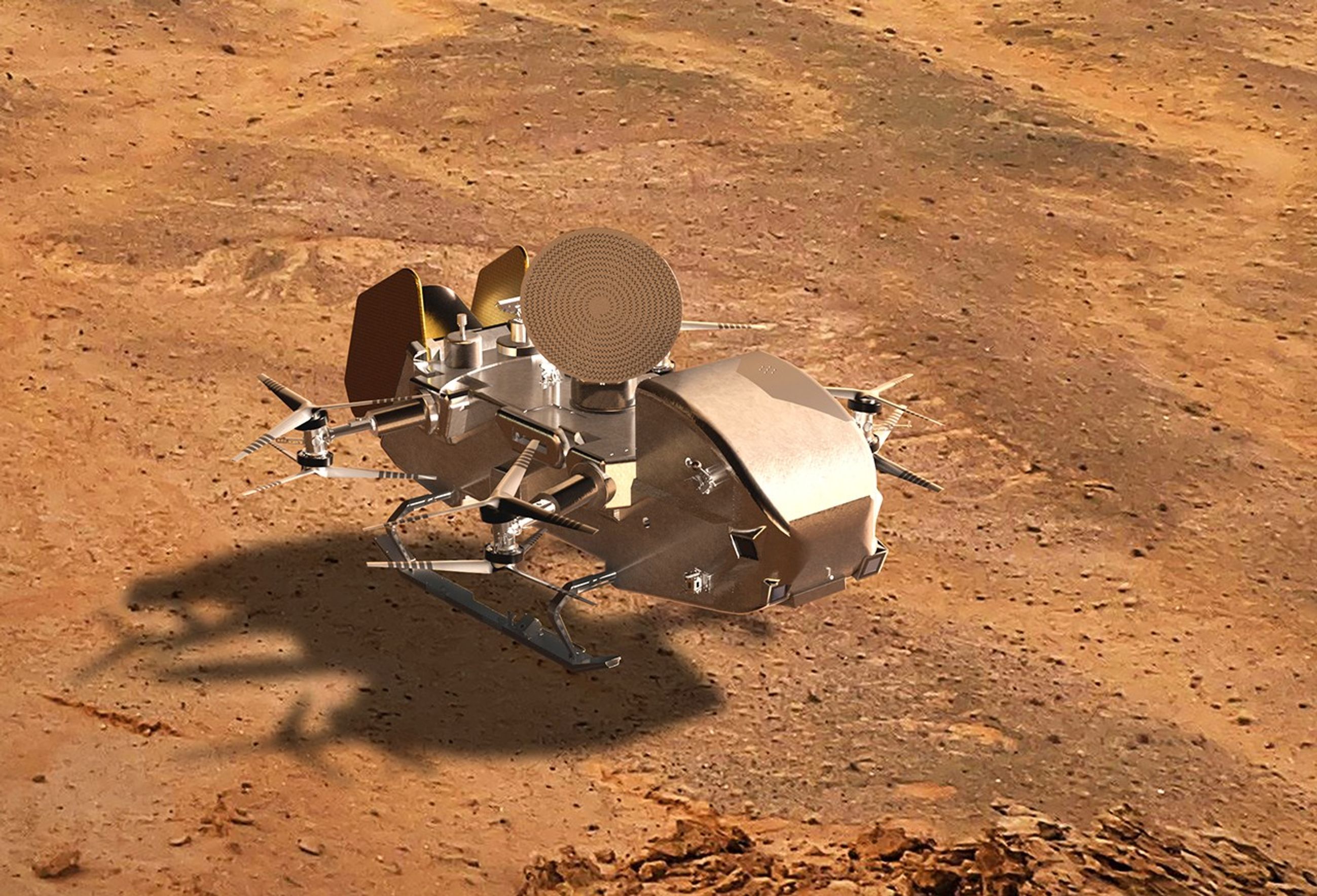
Follow the Progress of NASA's Dragonfly
This first-of-its-kind rotorcraft to explore another world will fly to various locations on Saturn’s moon Titan and investigate the moon’s habitability.
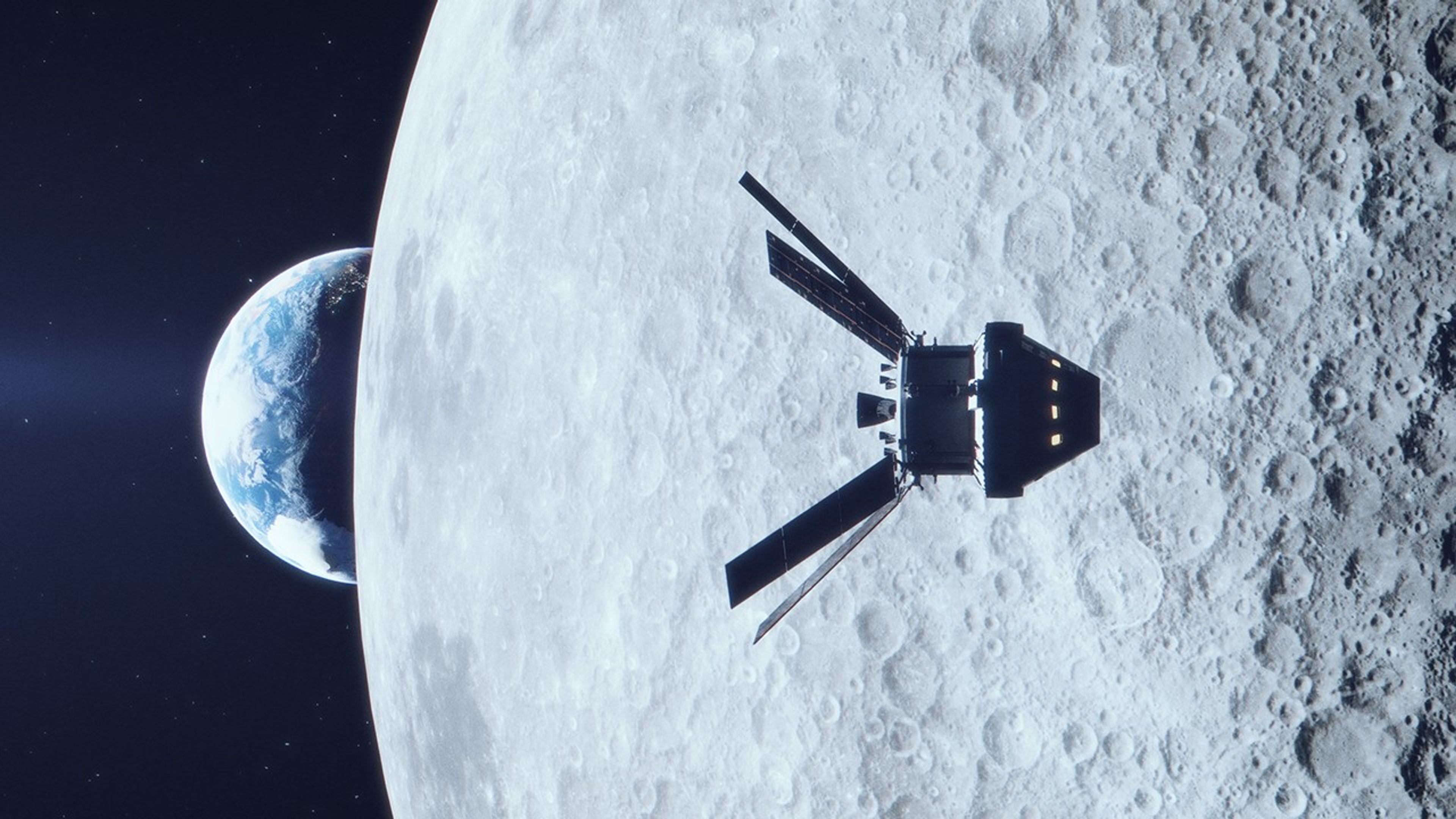
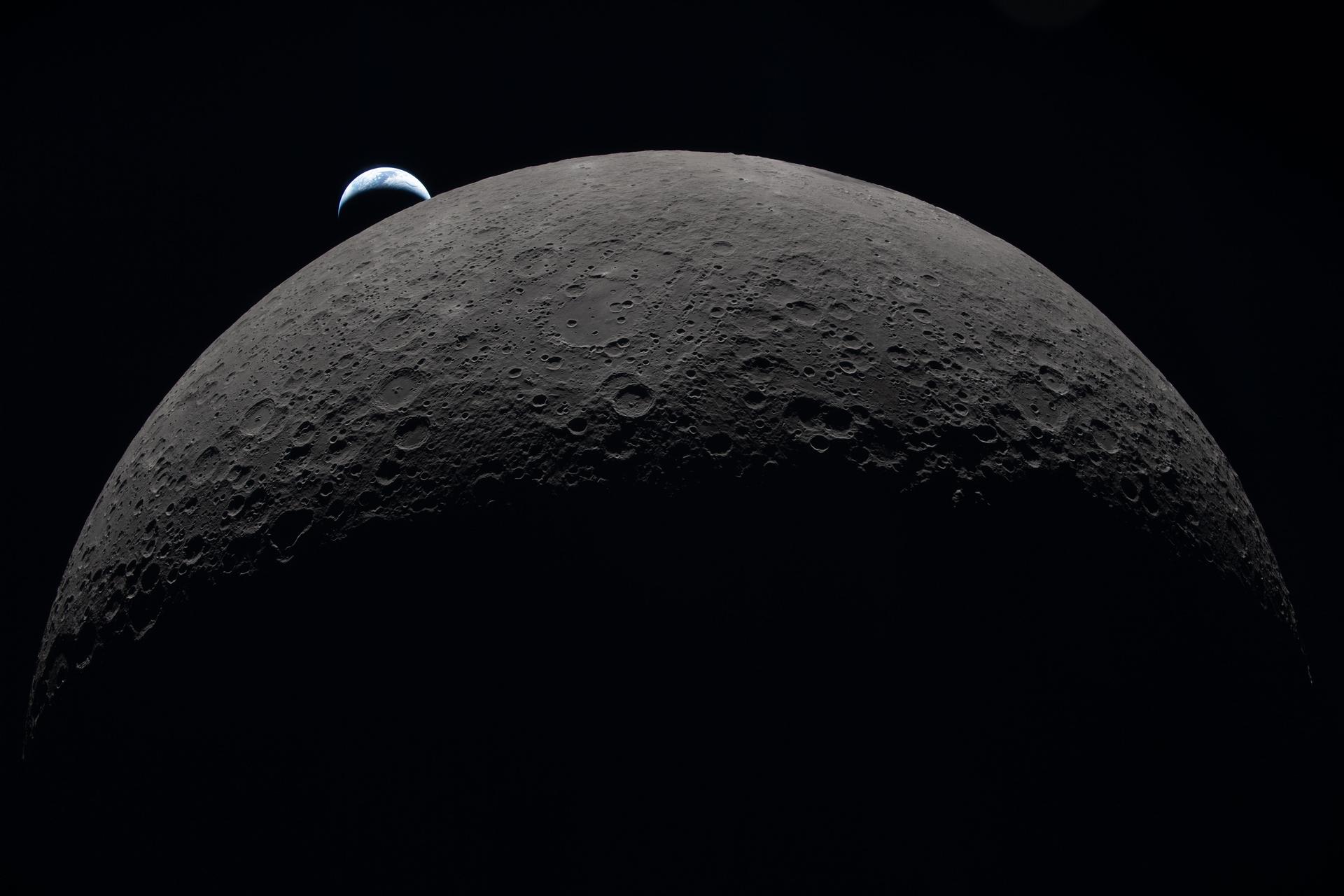
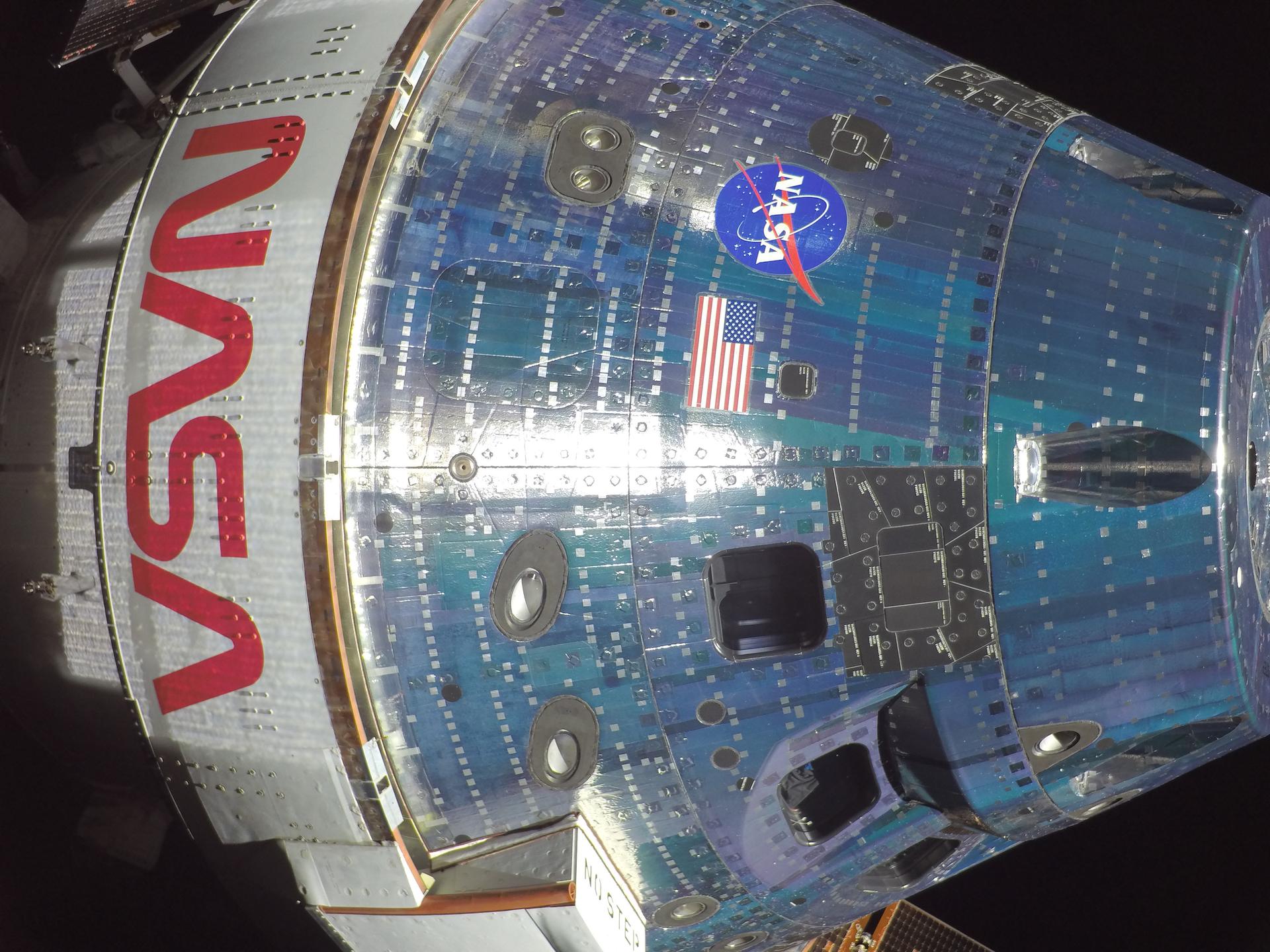
Learn More About Artemis II Science
Artemis II science operations laid the foundation for safe and efficient human exploration of the Moon and Mars.
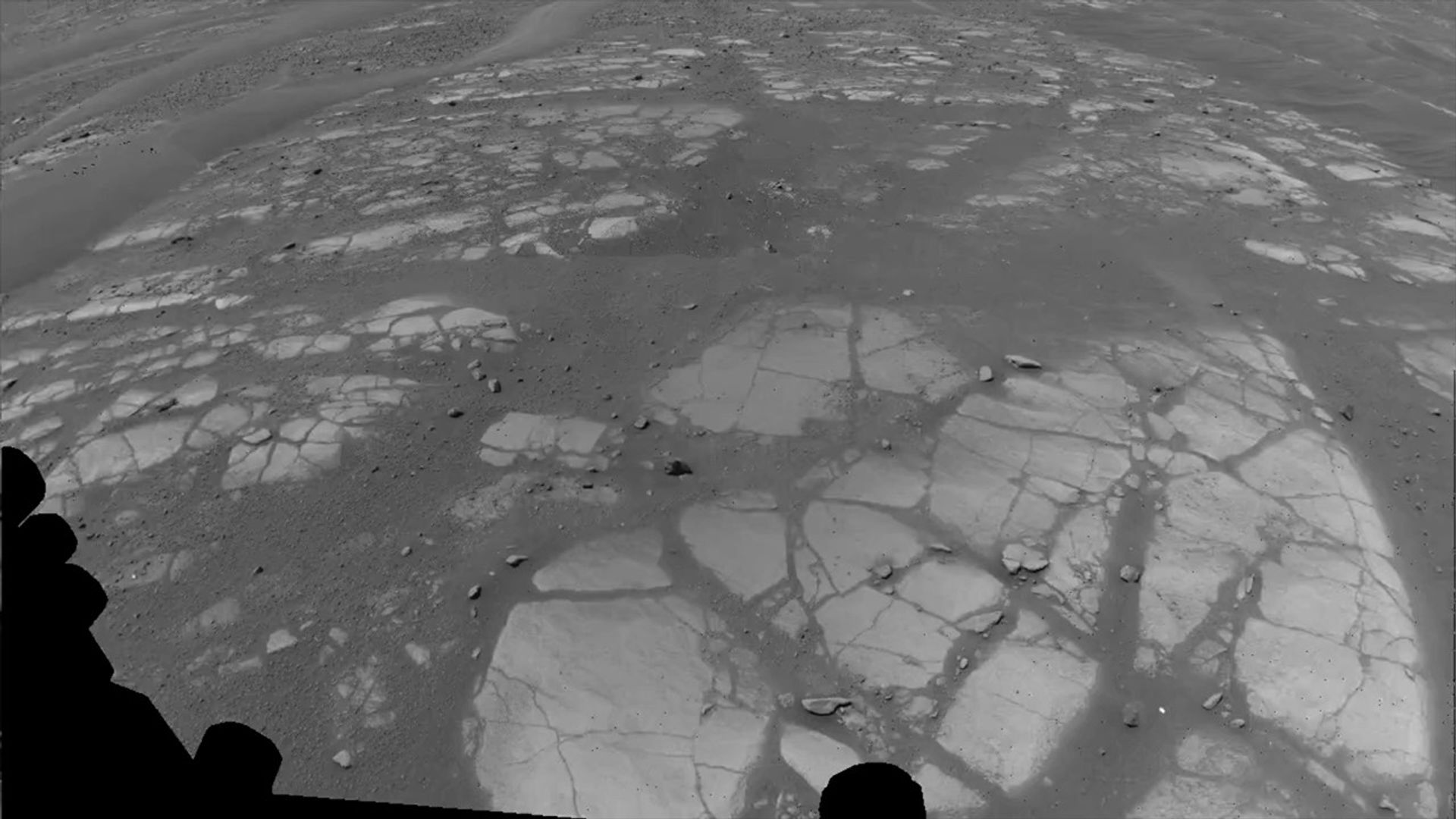
Watch the First AI-Planned Drive on Mars
NASA’s Perseverance Mars rover has completed the first drive on another world that was planned by artificial intelligence.
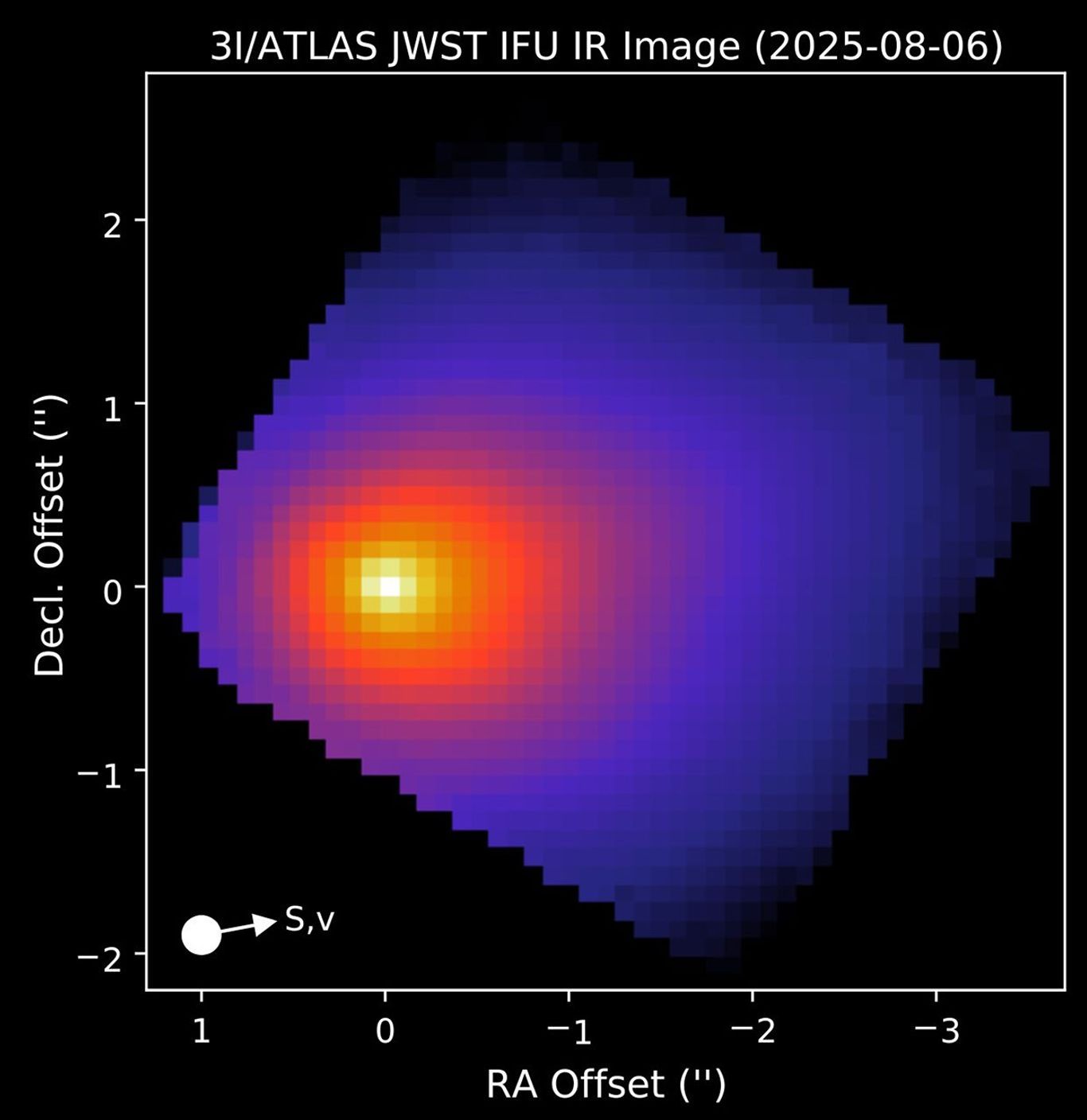
See the Latest Images of Comet 3I/ATLAS
NASA missions are working together to track and study this rare, interstellar comet as it passes through our solar system.
Planetary Science Missions
NASA’s robotic explorers gather data to help scientists understand how the planets formed, what triggered different evolutionary paths among planets, what processes have occurred and are active, and how Earth among the planets became habitable.
In searching for evidence of life beyond Earth, scientists use these data to map zones of habitability, studying the chemistry of unfamiliar worlds, and unveiling the processes that lead to conditions necessary for life. With this knowledge, NASA is enabling safe and effective human missions to destinations beyond low Earth orbit.
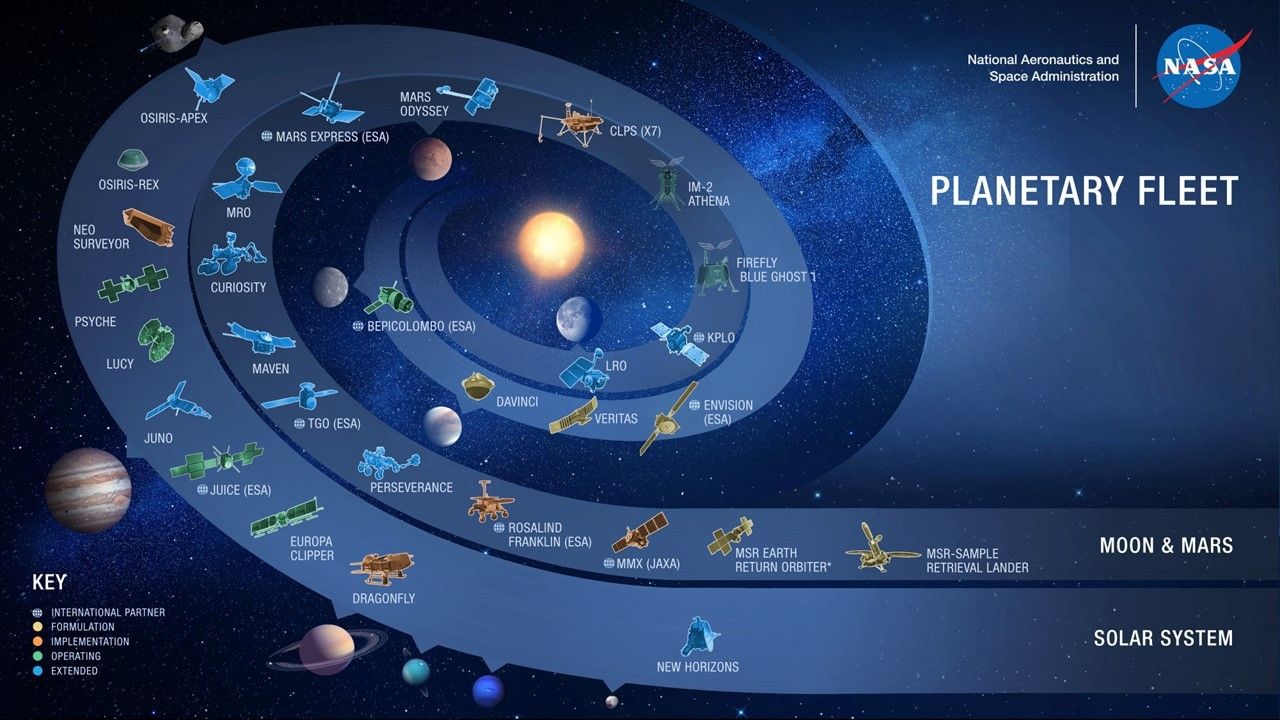
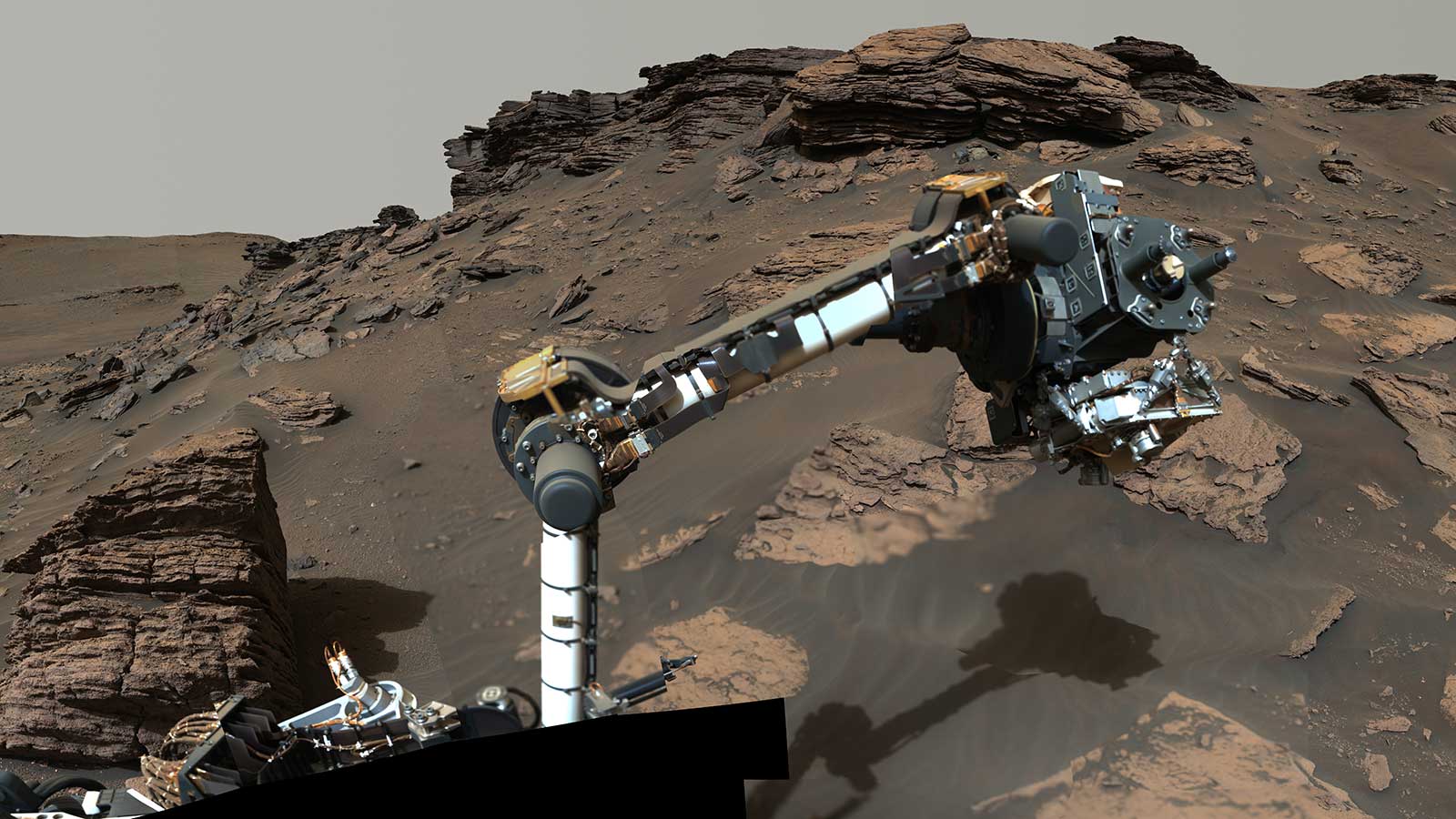
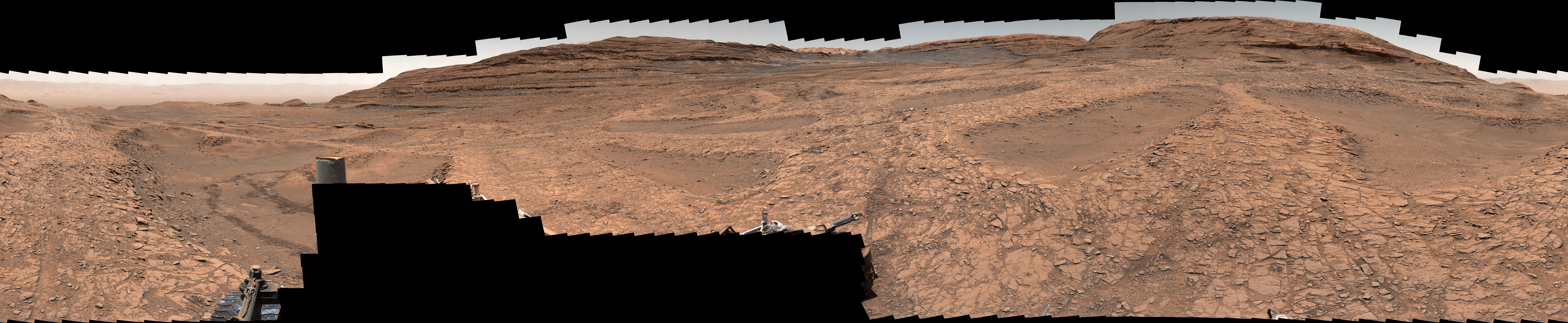
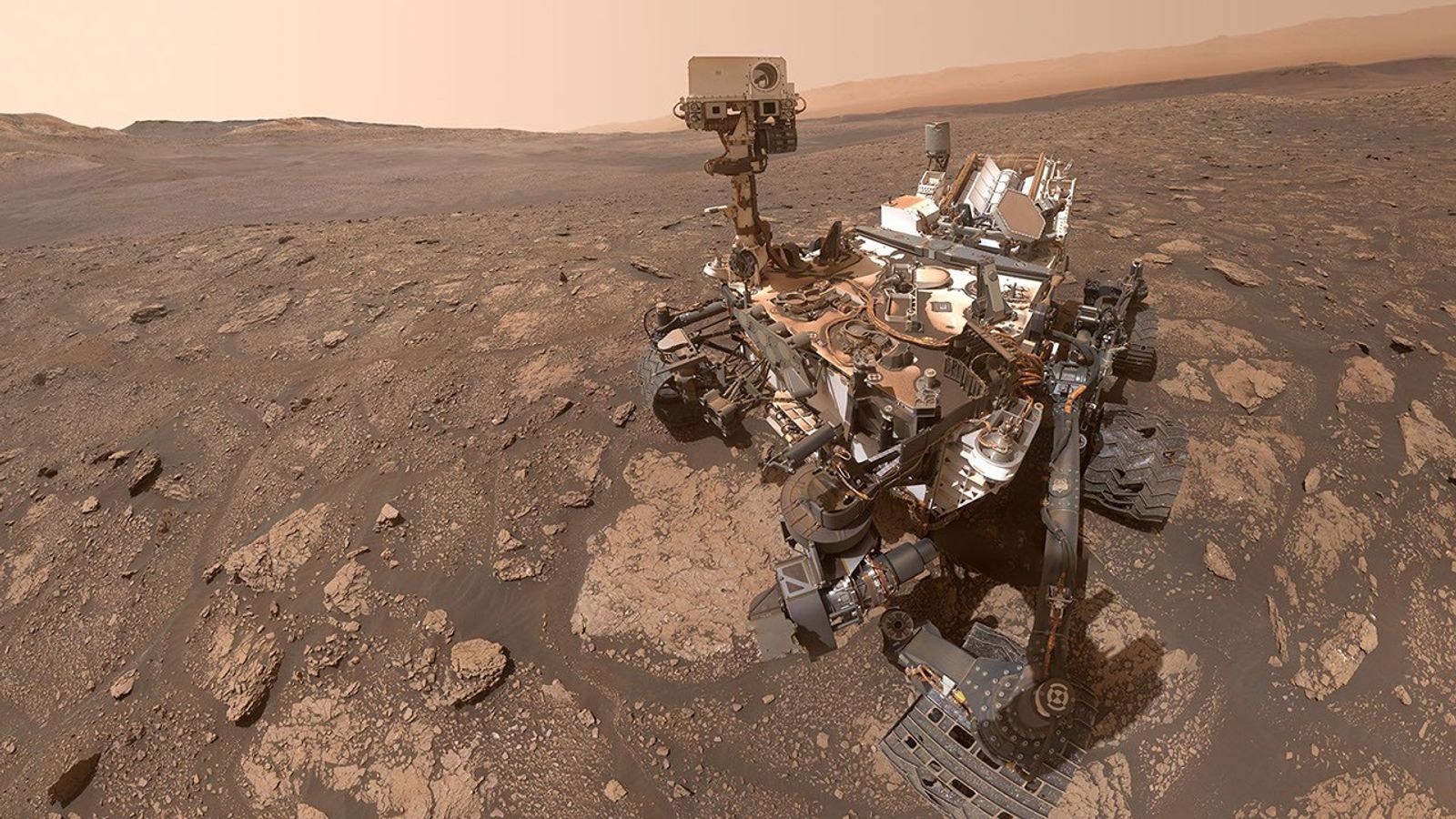
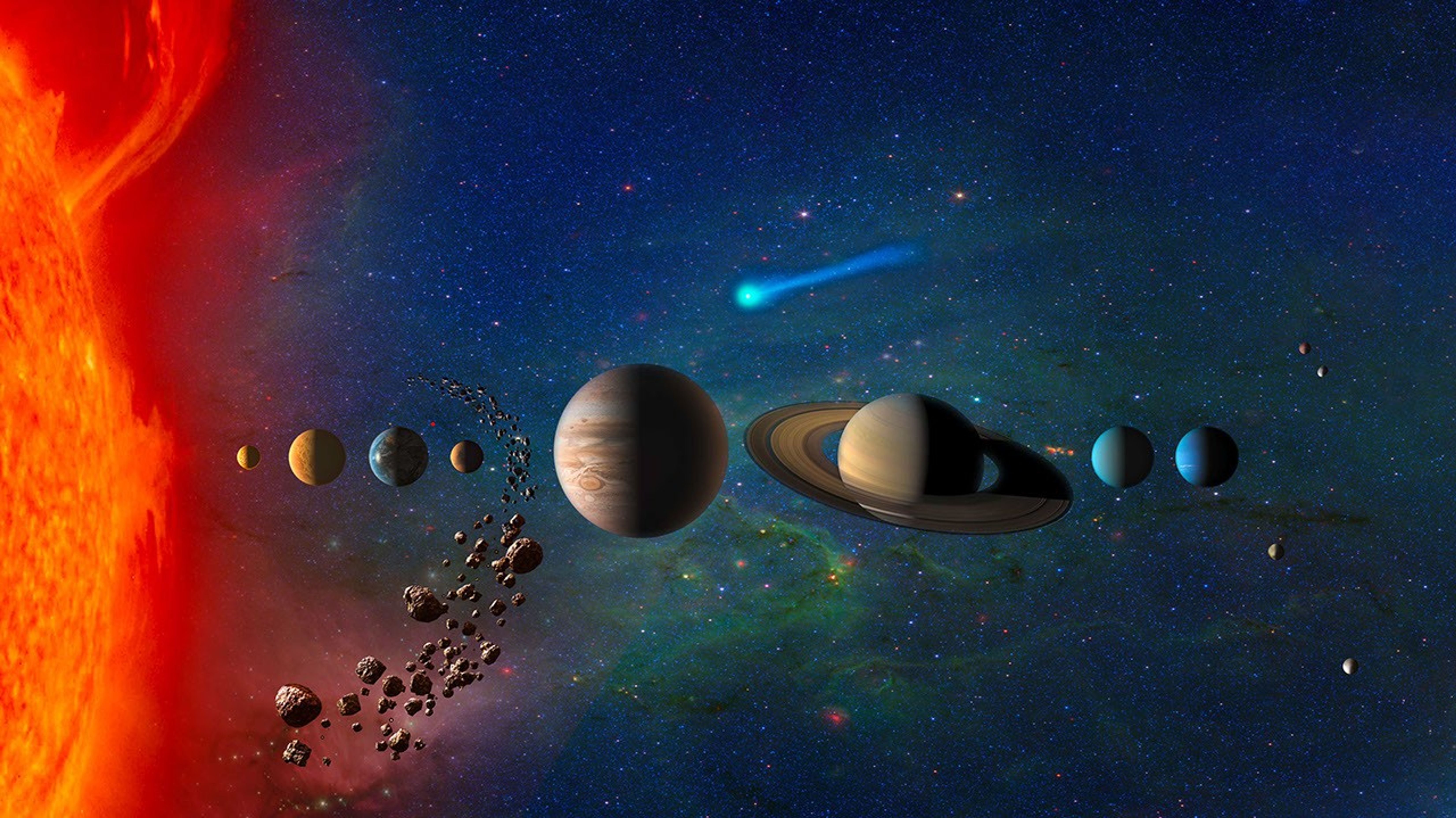
NASA missions continue to explore from the innermost planet, Mercury, to the outer reaches of the solar system, where Pluto orbits among many Kuiper Belt Objects. We have orbited and traversed the surface of Mars, finding evidence of liquid water and ancient habitable environments.
Closer to home, the Planetary Science Division uses Earth-orbiting telescopes and ground-based sensors in coordination with other organizations, including the National Science Foundation and the U.S. Air Force. These telescopes and sensors are used to survey space to detect, track, catalog, and characterize near-Earth objects (NEOs), which may pose hazards to Earth or provide destinations and resources for future exploration.