













Solar System Focus Areas
Studying the planets and other celestial bodies in the space around us.
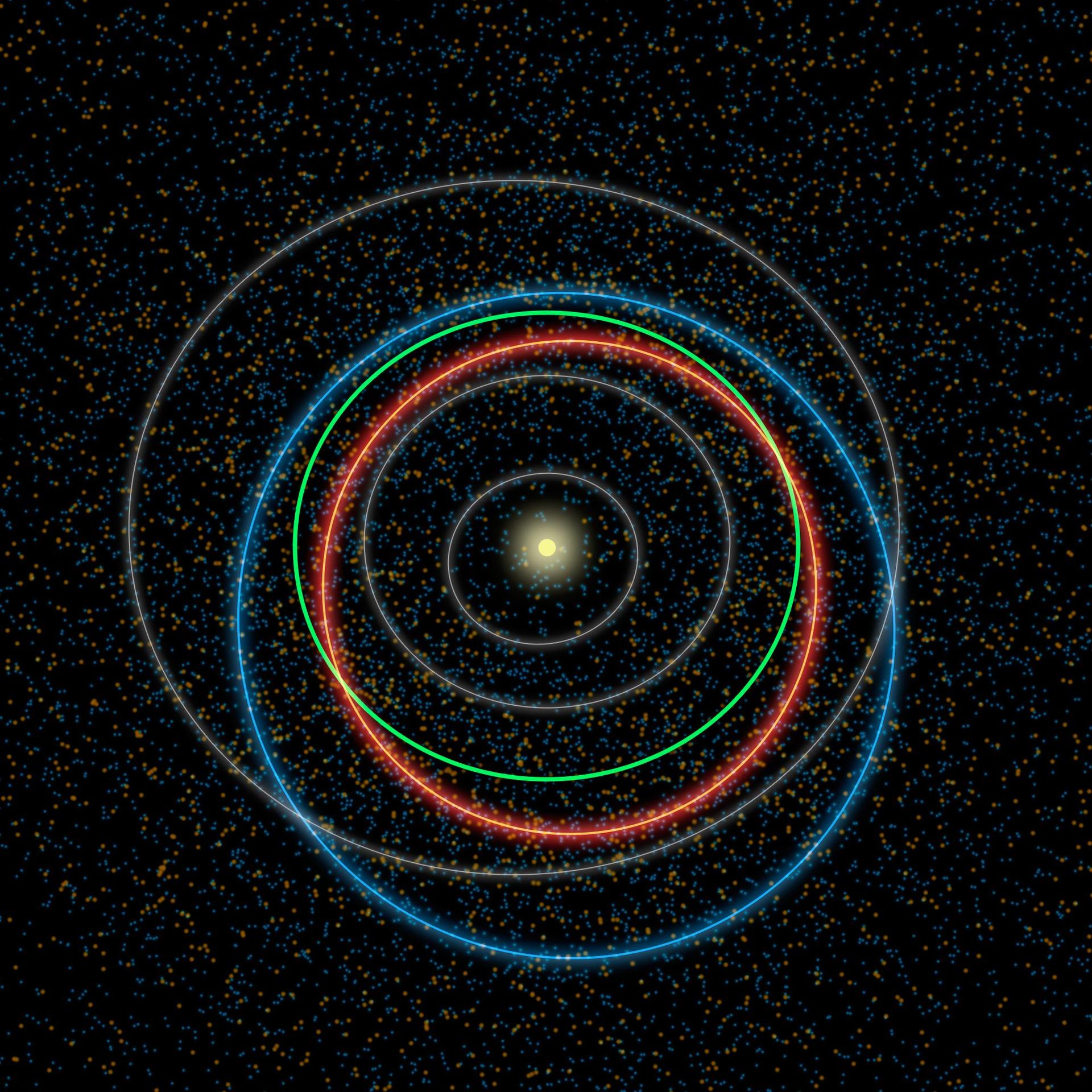
NASA’s Planetary Science Division brings a variety of scientific disciplines – including geology, chemistry, astronomy, physics, and biology – to the study of planets and small bodies in our solar system.
-
NASA missions have visited every planet in our solar system, as well as asteroids, comets, and other small bodies, returning observations, data – and sometimes samples – that help us to understand how the solar system was formed, how it has evolved, and whether there are any signs of habitability on other worlds within it.
One way to study our solar system is to break it down into the planets of the inner and outer solar system, and the small bodies that orbit within. NASA's Perseverance Mars rover took this selfie, made up of 62 individual images, on July 23, 2024. A rock nicknamed Cheyava Falls is to the left of the rover near the center of the image.NASA/JPL-Caltech/MSSS
 -
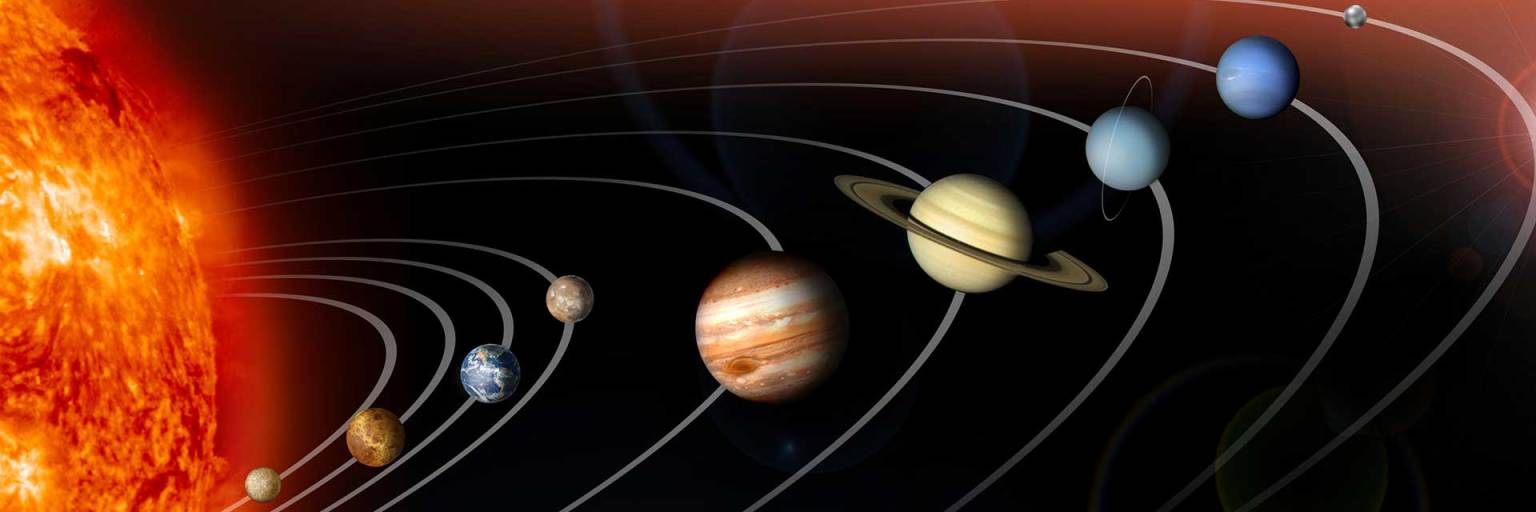
The inner solar system planets – Mercury, Venus, Earth, and Mars – are rocky and are thought to have formed from the accumulation of dust into small planetesimals, then into larger protoplanets, and then into the planets, though their evolutions likely differed.
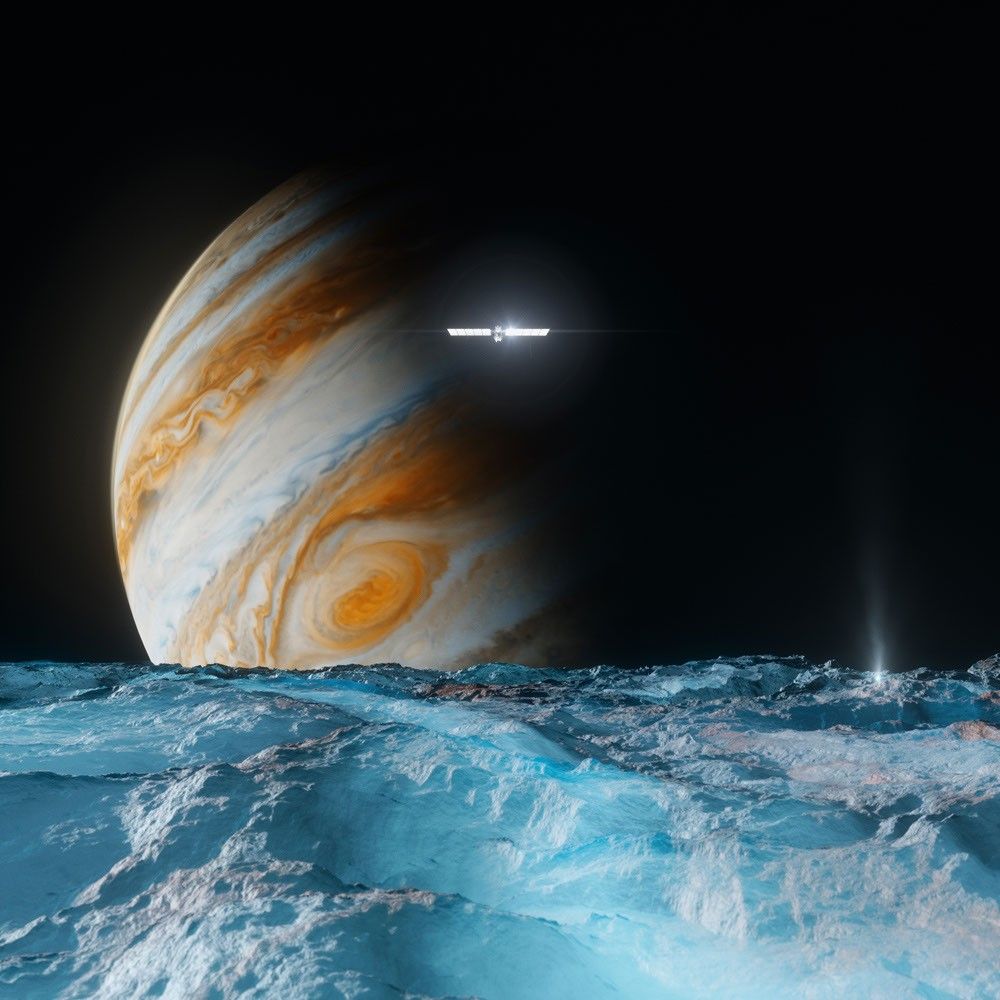
Outer solar system planets – Jupiter, Saturn, Uranus, and Neptune – are known as gas giants. Jupiter and Saturn consist mostly of hydrogen and helium, while Uranus and Neptune are mostly water, methane, and ammonia.This artist's concept depicts NASA's Europa Clipper spacecraft as it orbits Jupiter and passes over the gas giant's ice-covered moon Europa. Launched in 2024, Europa Clipper is expected to reach its destination in 2030.NASA/JPL-Caltech -
The small bodies of our solar system include comets, asteroids, and meteors, as well as objects in the Kuiper Belt and Oort Cloud, and dwarf planets.
At NASA, the Planetary Science Division is charged with exploration of the solar system, except for the Sun and Earth, which are studied by NASA’s Heliophysics Division and Earth Science Division, respectively. Captured on Oct. 20, 2020, during the OSIRIS-REx mission’s Touch-And-Go (TAG) sample collection event, this series of 82 images shows the SamCam imager’s field of view as the NASA spacecraft approaches and touches down on asteroid Bennu’s surface.NASA/Goddard/University of Arizona
Our Solar system
The Sun
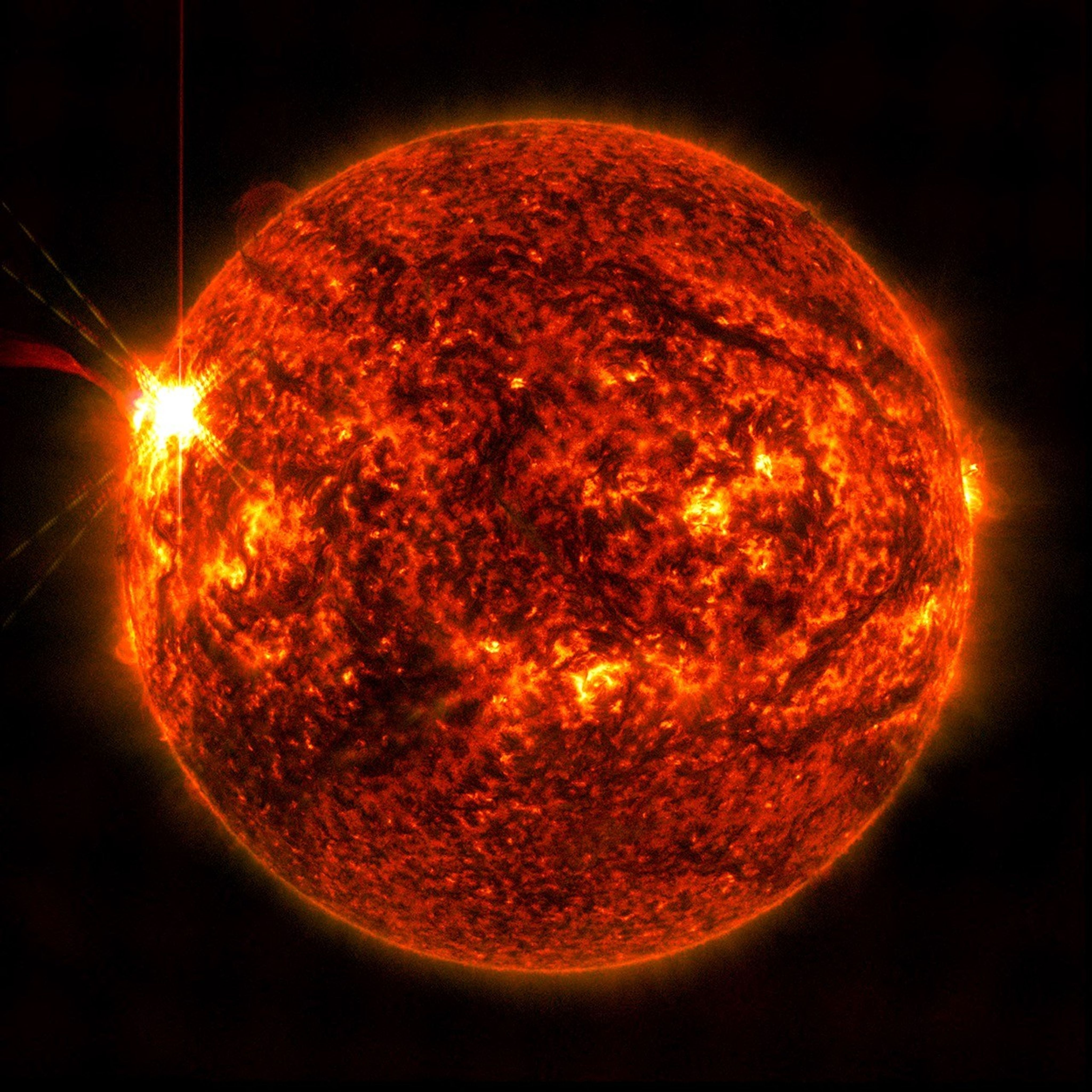
The Sun is the star at the heart of our solar system.
Mercury
Mercury is the closest planet to the Sun and the smallest planet in our solar system.
Venus
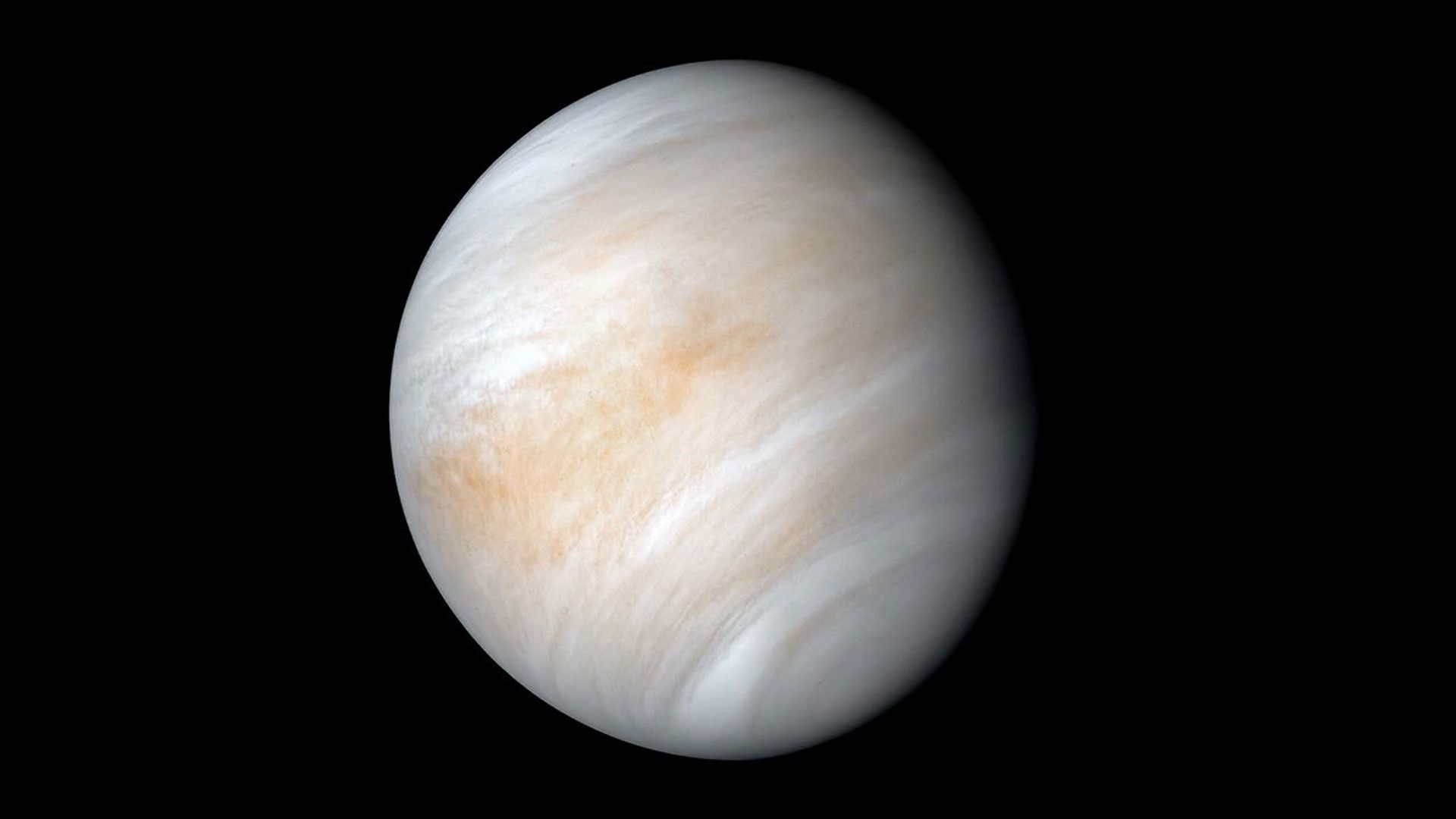
Venus, the second planet from the Sun and the sixth largest planet, is the hottest planet in our solar system.
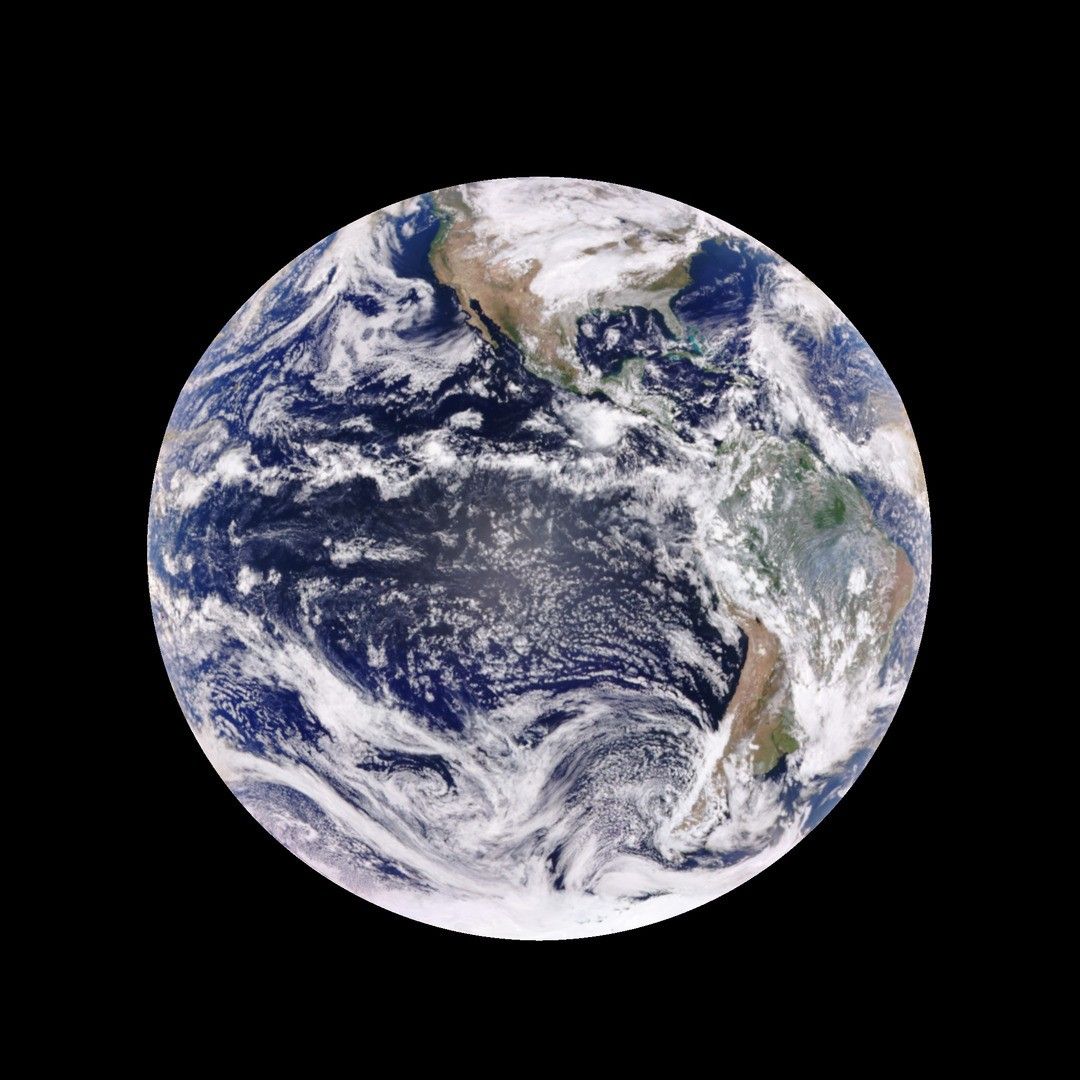
Earth
Earth, the third planet from the Sun and the fifth largest planet, is the only place we know of inhabited by living things.
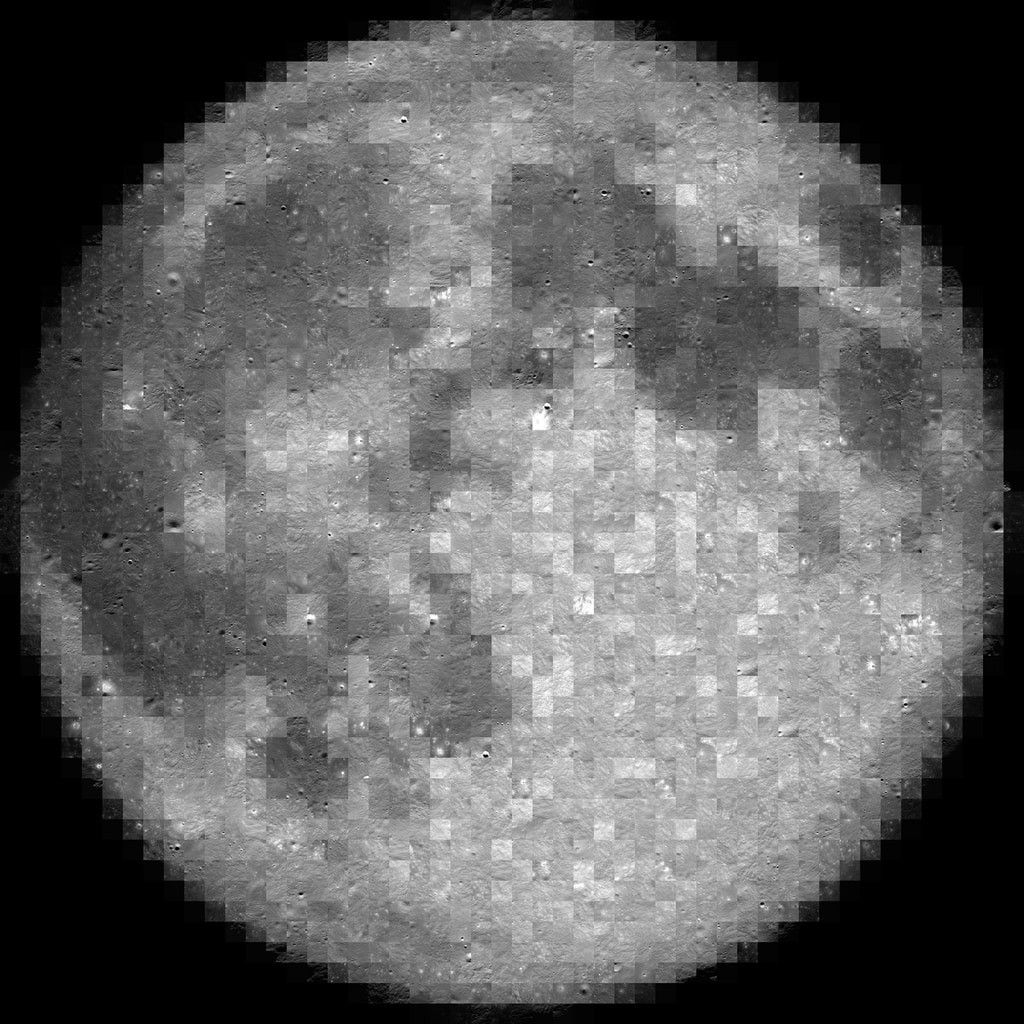
Earth's Moon
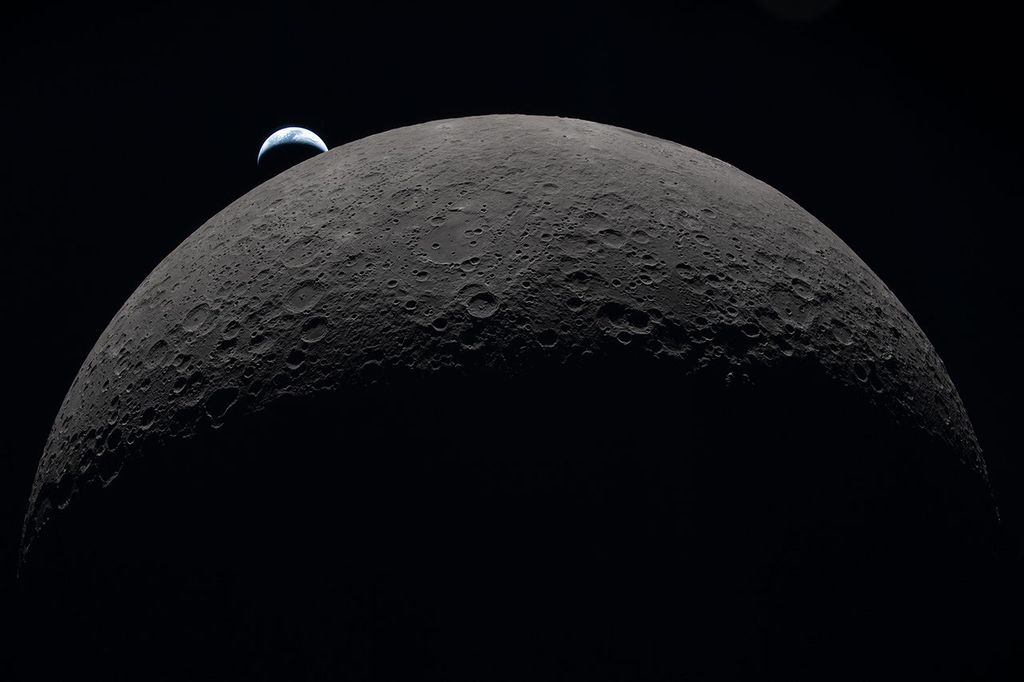
Earth’s closest Solar System neighbor.
Mars
Mars, the fourth planet from the Sun and the seventh largest, is the only planet we know of inhabited by robots.
Jupiter
Jupiter is the fifth planet from the Sun and the largest in the solar system – more than twice as massive as the other planets combined.
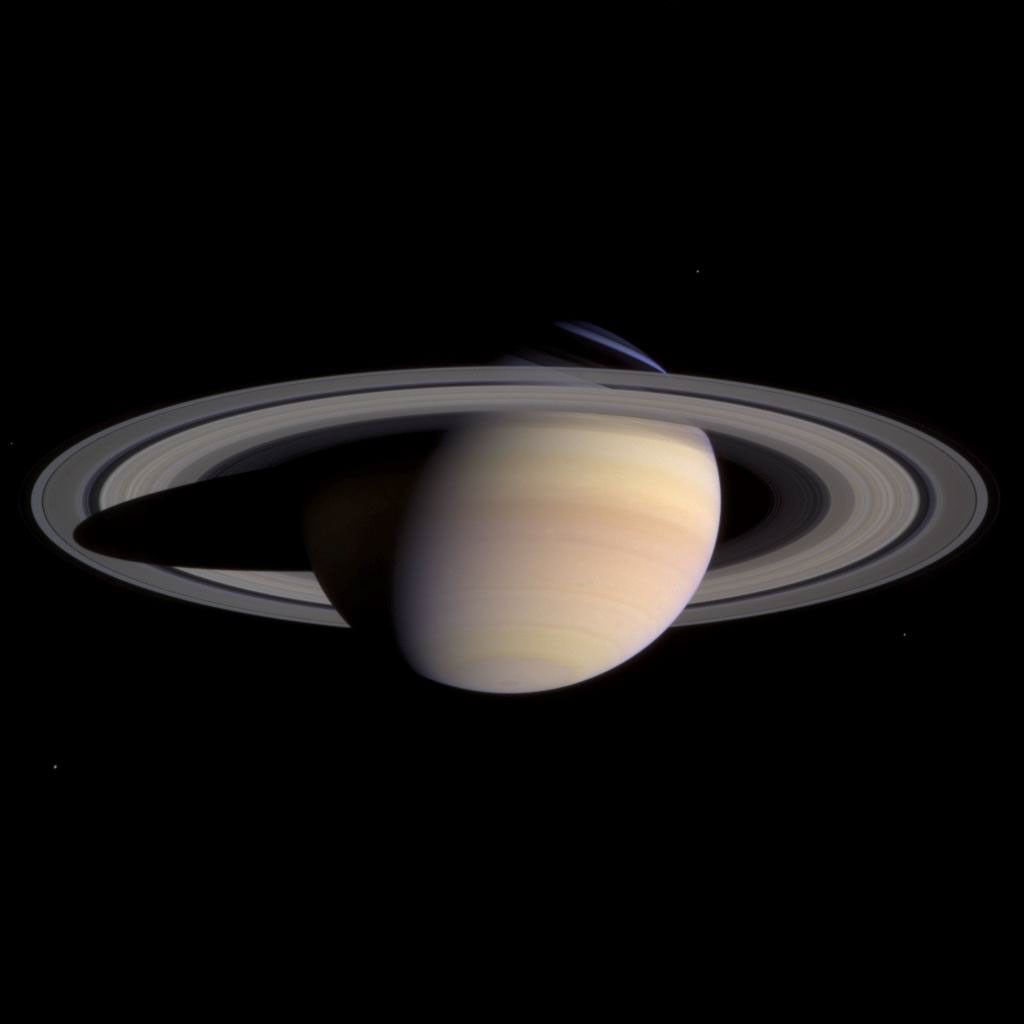
Saturn
Saturn, the sixth planet from the Sun and the second largest in the solar system, is surrounded by beautiful rings.
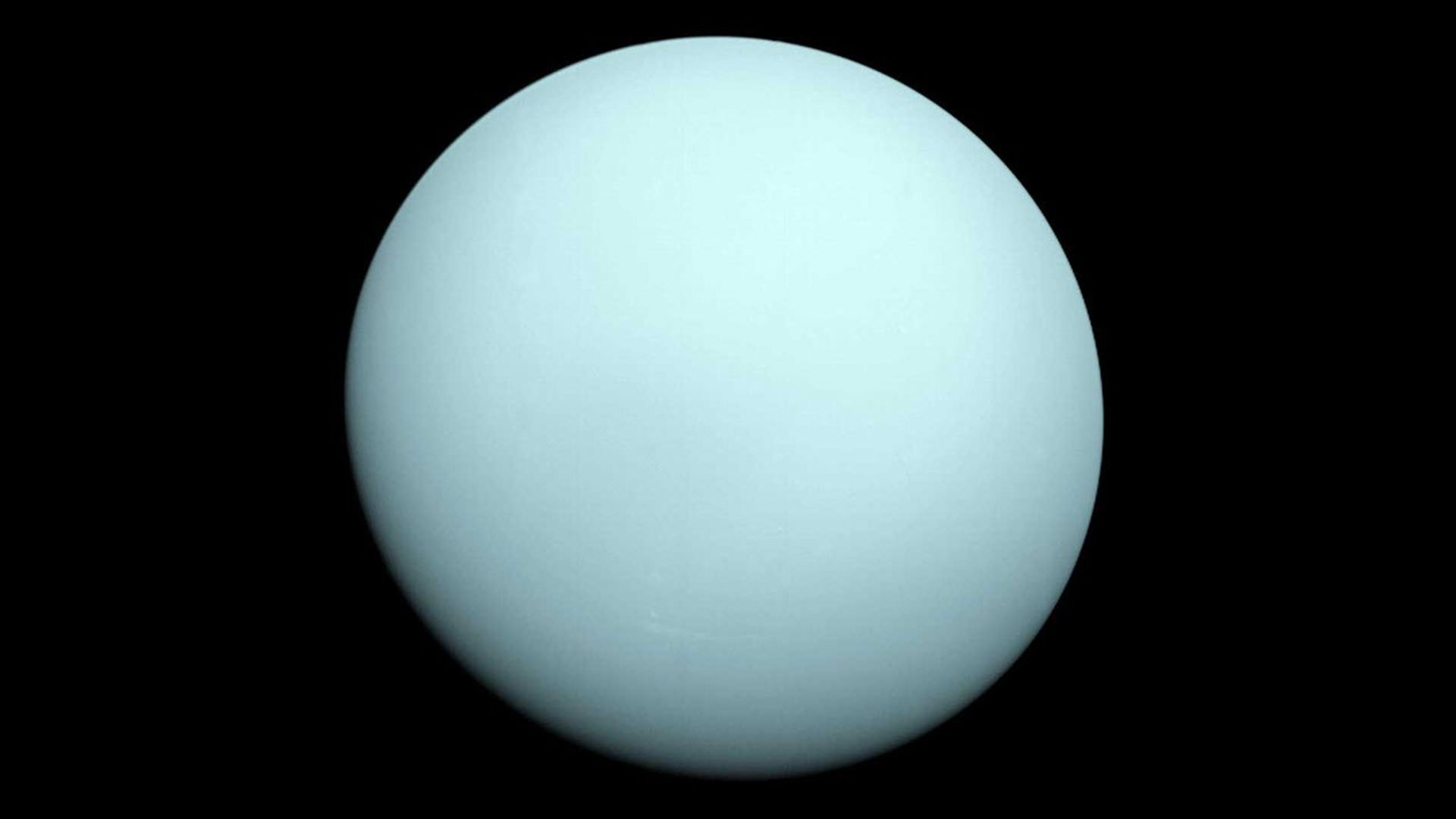
Uranus
Uranus, the seventh planet from the Sun and the third largest planet in our solar system, appears to spin sideways.
Neptune
Neptune, the eighth and most distant planet from the Sun, is the fourth-largest planet and the first discovered with math.
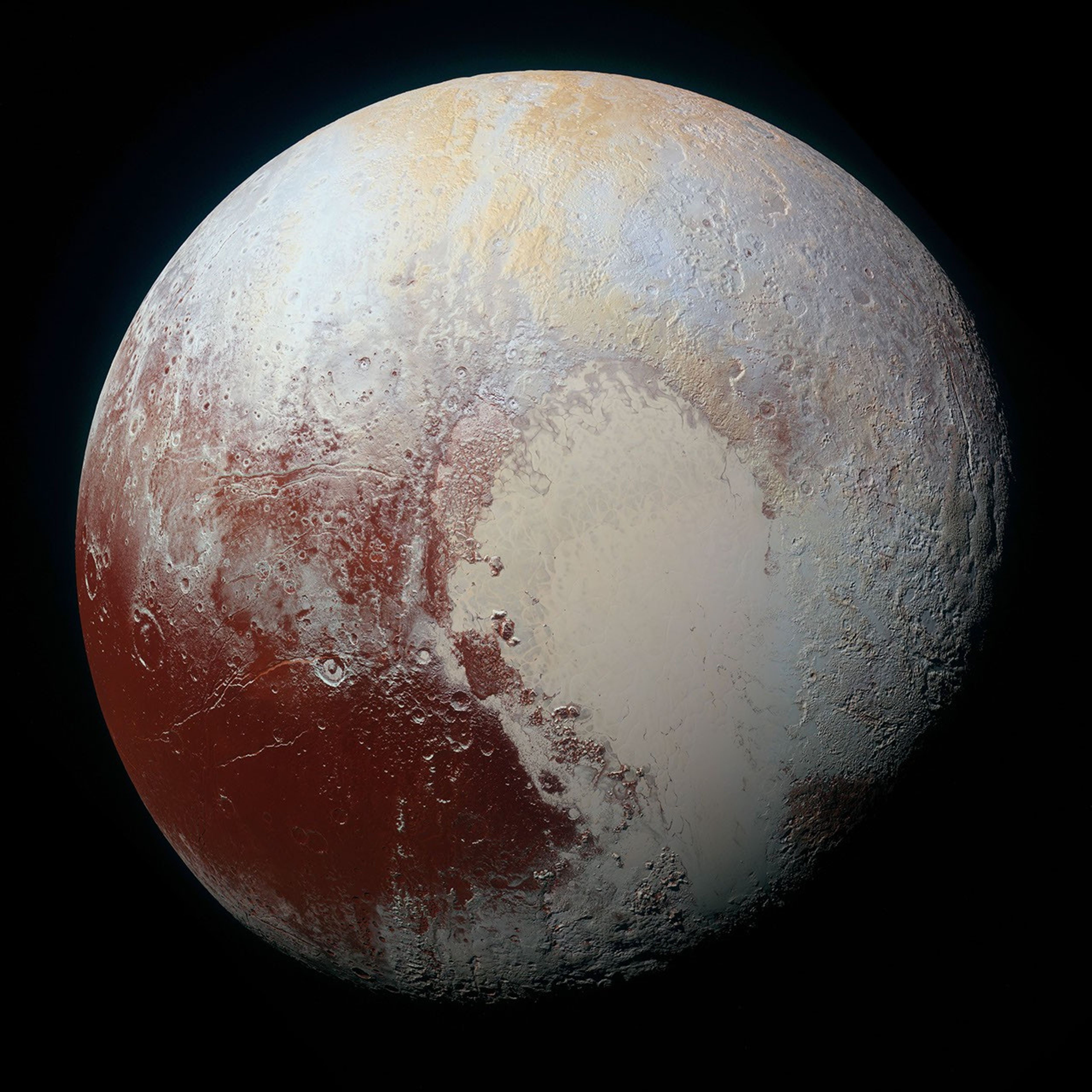
Dwarf Planets
Our solar system has five dwarf planets: Ceres, Pluto, Haumea, Makemake, and Eris.
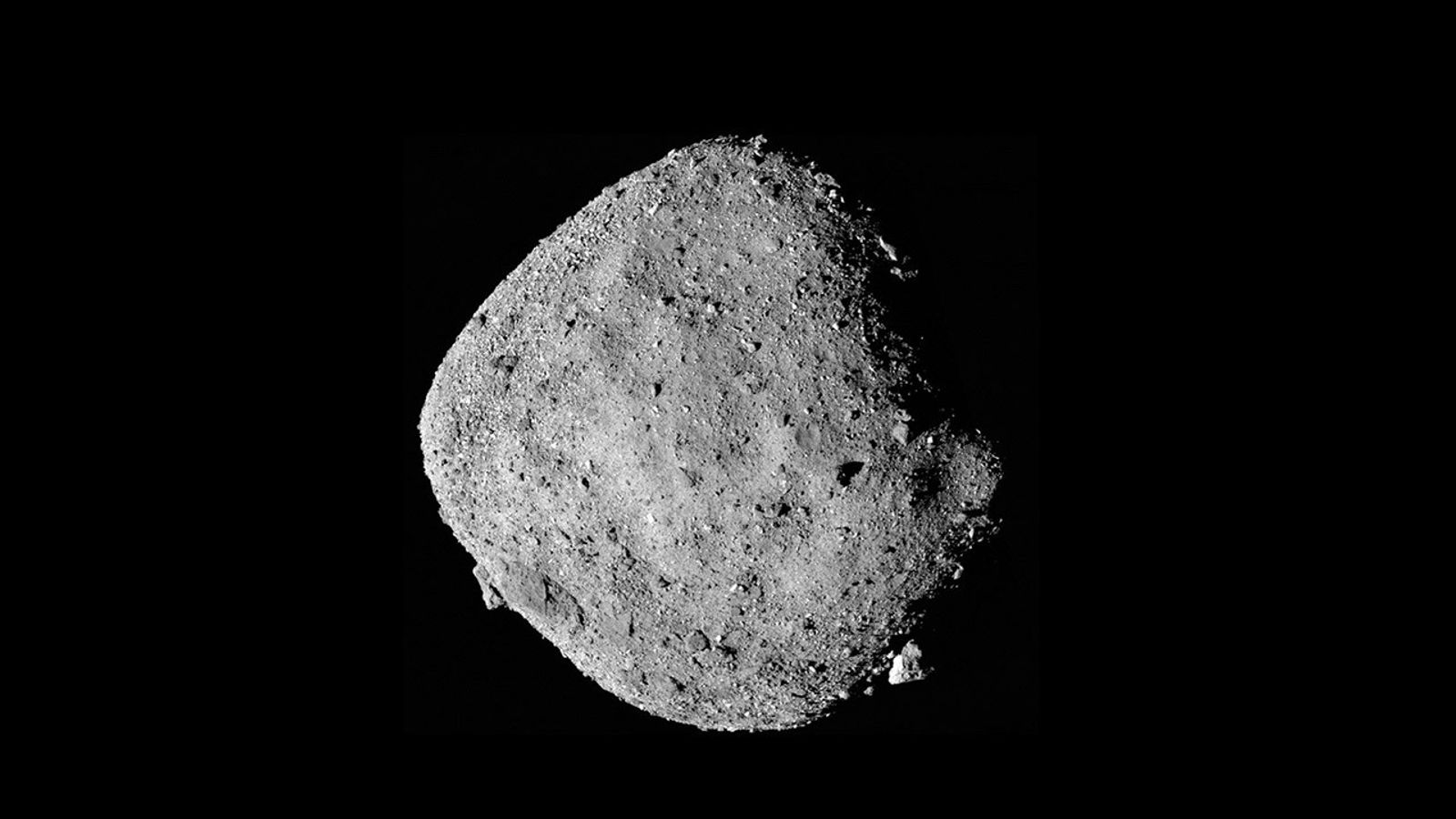
Asteroids, Comets and Meteors
Our solar system's small bodies pack outsized intrigue.
Kuiper Belt
The Kuiper Belt is a doughnut-shaped region of icy objects beyond the orbit of Neptune.
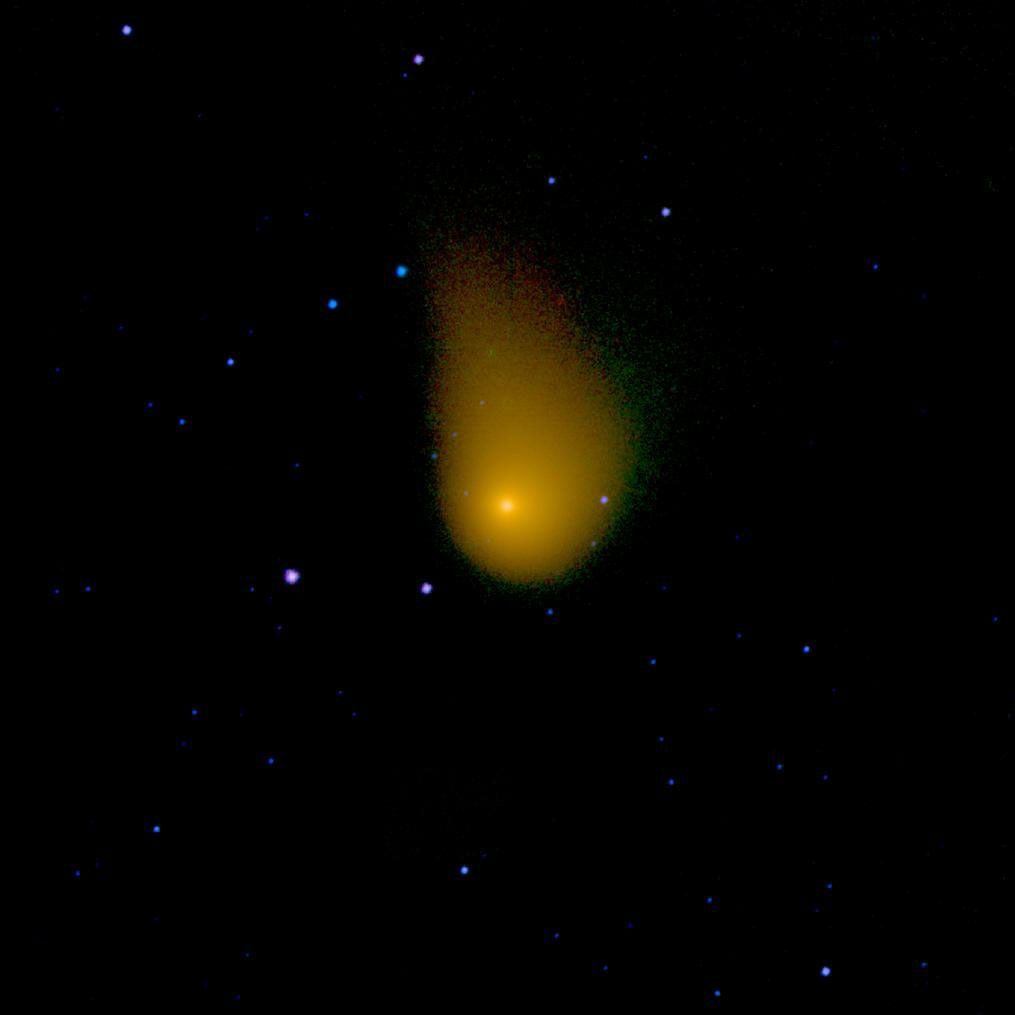
Oort Cloud
Scientists think the Oort Cloud is a giant spherical shell surrounding our solar system.
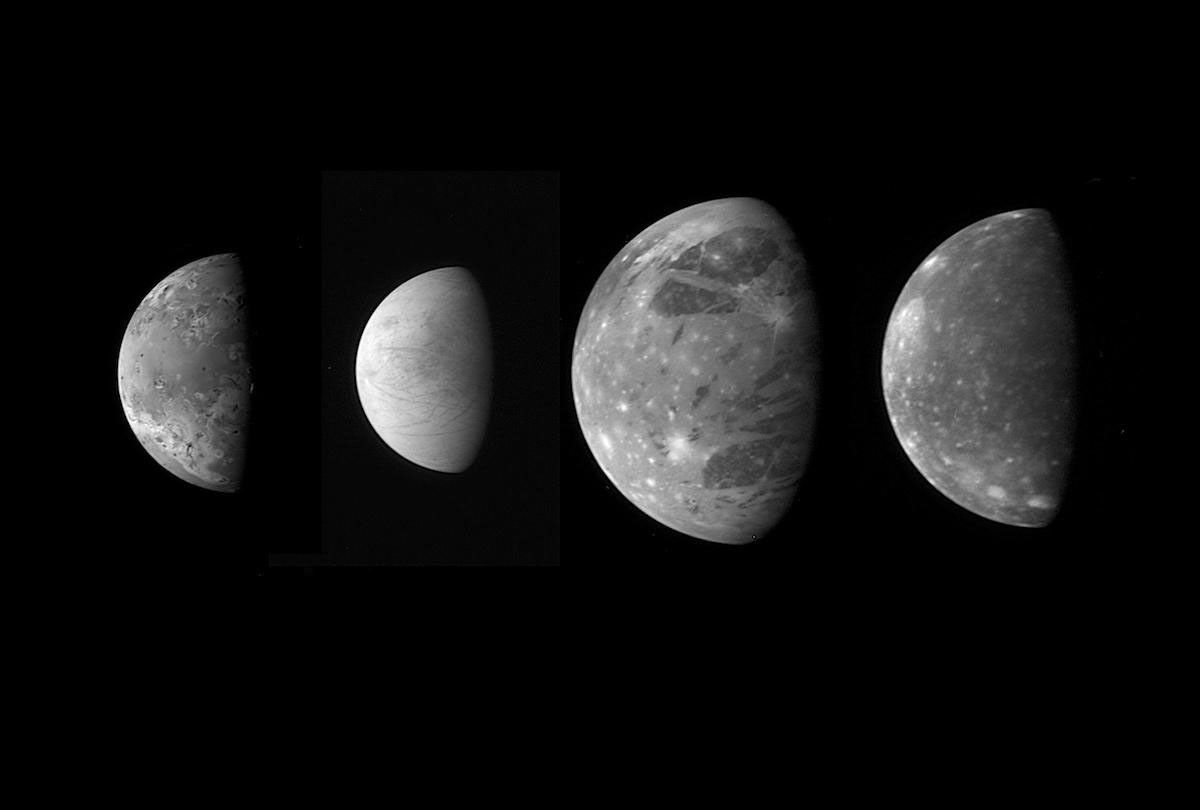
Moons of our Solar System
There are hundreds of moons in our solar system in many shapes, sizes, and types.
Learn More
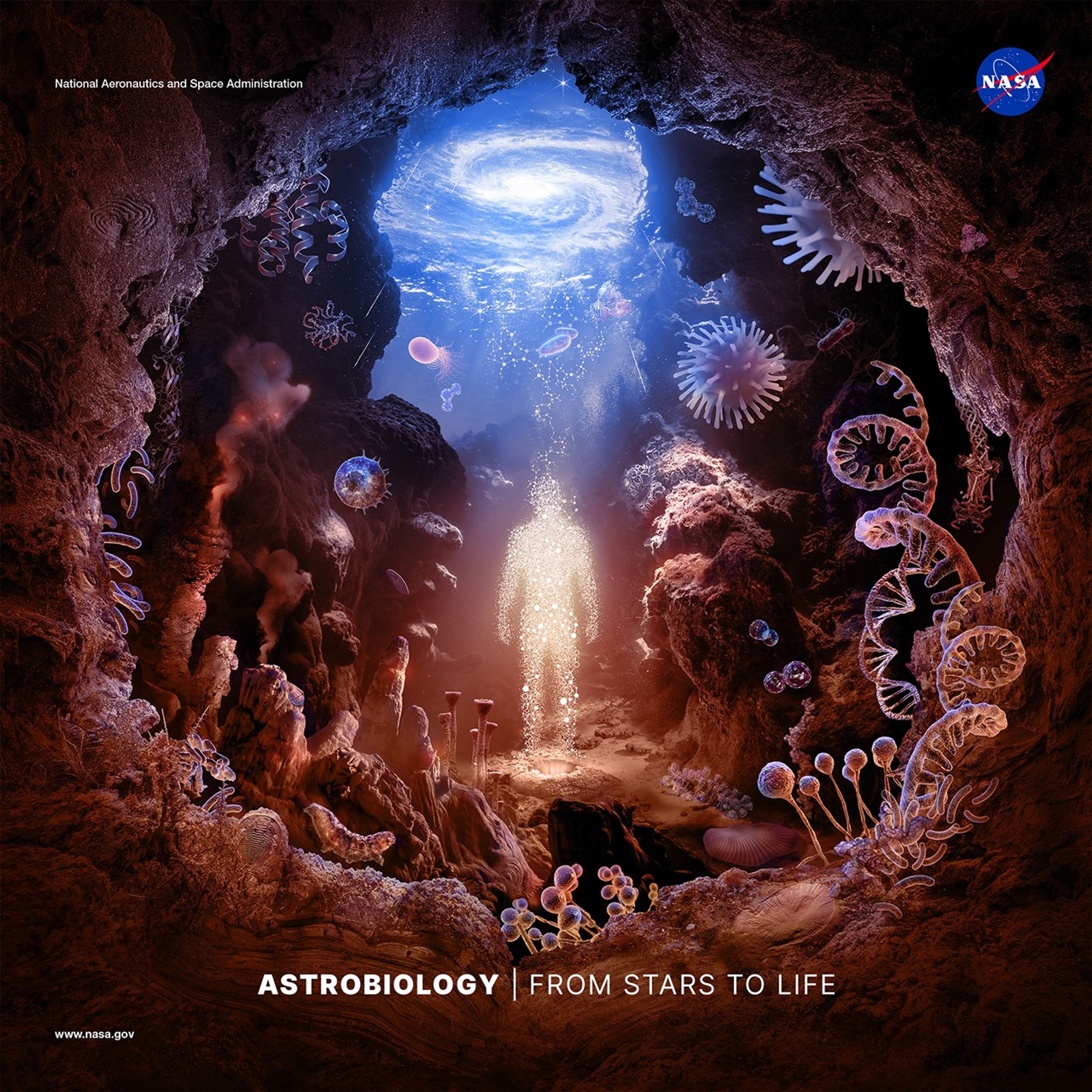
Astrobiology
NASA’s Astrobiology Program investigates life in the Universe on many levels: how it began, how it evolved here on Earth, and where it might exist elsewhere.
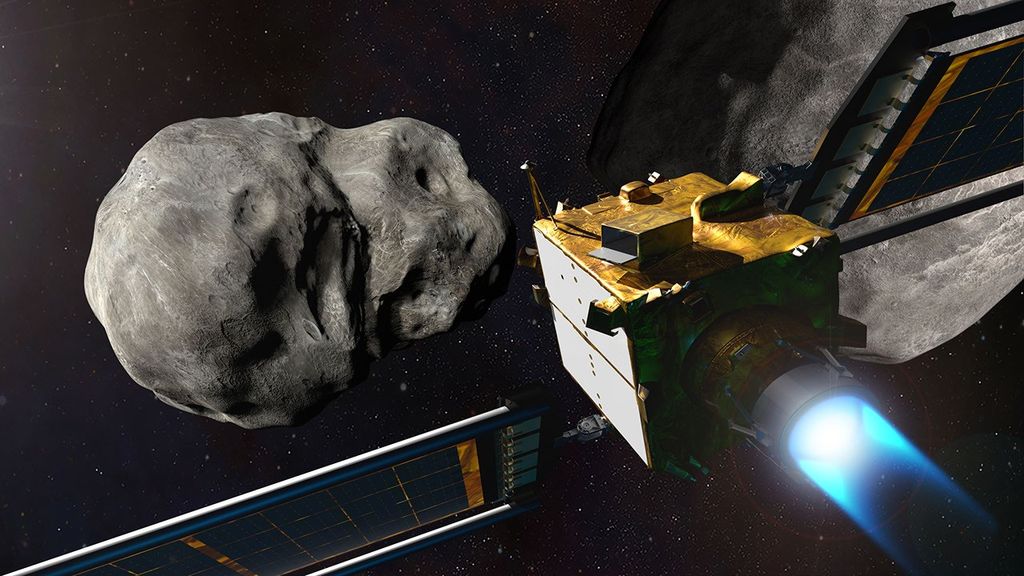
Planetary Defense
NASA's Planetary Defense Coordination Office (PDCO) manages the agency's ongoing mission of finding, tracking, and better understanding asteroids and comets that could pose an impact hazard to Earth.

NASA's Science Missions
NASA Science missions circle the Earth, the Sun, the Moon, Mars, and many other destinations within our Solar System, including spacecraft that look out even further into our universe.