

























Comet 3I/ATLAS Facts and FAQS
NASA missions worked together to track and study this rare, interstellar comet as it passed through our solar system.
Quick Facts about 3I/ATLAS
-
Stats
Comet 3I/ATLAS is only the third known object to pass through our solar system from outside it.
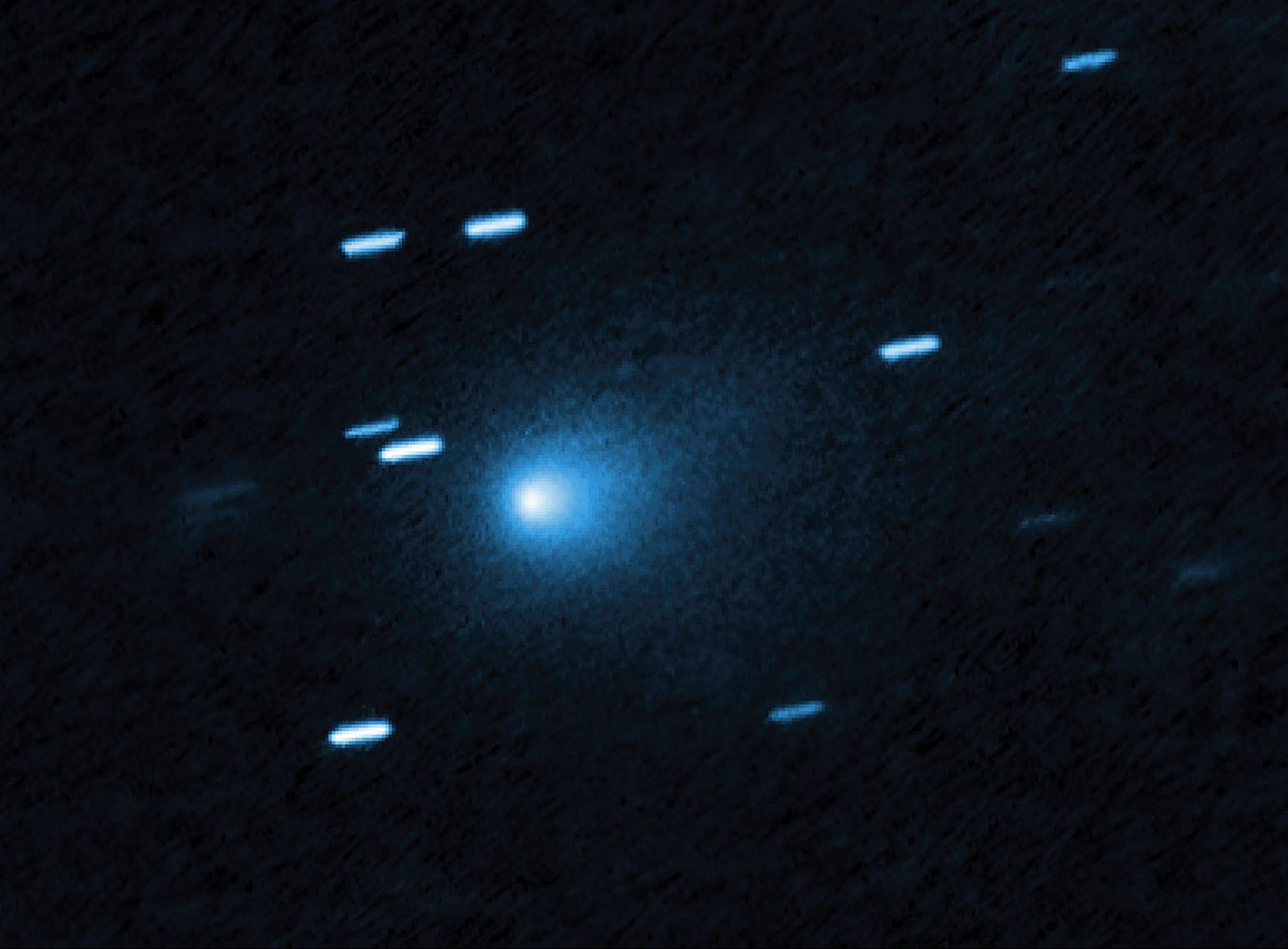
Based on observations from NASA's Hubble Space Telescope on Aug. 20, 2025, astronomers estimated the diameter of 3I/ATLAS' nucleus to be not less than 1,400 feet (440 meters) and not greater than 3.5 miles (5.6 kilometers).
When it was discovered, 3I/ATLAS was traveling at about 137,000 miles per hour (221,000 kilometers per hour). Pulled by the Sun's gravity, its speed increased to about 153,000 miles per hour (246,000 kilometers per hour) at its closest approach to the Sun, known as perihelion. When 3I/ATLAS left our solar system it was at the same speed as it came in.
There was no danger to Earth from this comet, which came no closer than 170 million miles (270 million kilometers), or 1.8 astronomical units, to our planet. -
Discovery
Comet 3I/ATLAS was discovered by the NASA-funded ATLAS survey telescope in Rio Hurtado, Chile, and reported to the Minor Planet Center on July 1, 2025.
The ATLAS (Asteroid Terrestrial-impact Last Alert System) survey telescope is part of NASA's planetary defense network that continually watches the skies to keep us safe.
The comet is named 3I/ATLAS because it is the third (3) interstellar (I) object found passing through our solar system and it was discovered by the ATLAS survey telescope. Thus, 3I/ATLAS.
Scientists determined that comet 3I/ATLAS was interstellar because of its high velocity and its trajectory. -
Features
3I/ATLAS's characteristics, color, speed, and direction are all consistent with what we expect from a comet.
3I/ATLAS has an icy nucleus and a coma, which is a bright cloud of gas and dust that surrounds the comet and is emitted at increasing rates as the comet approaches the Sun.
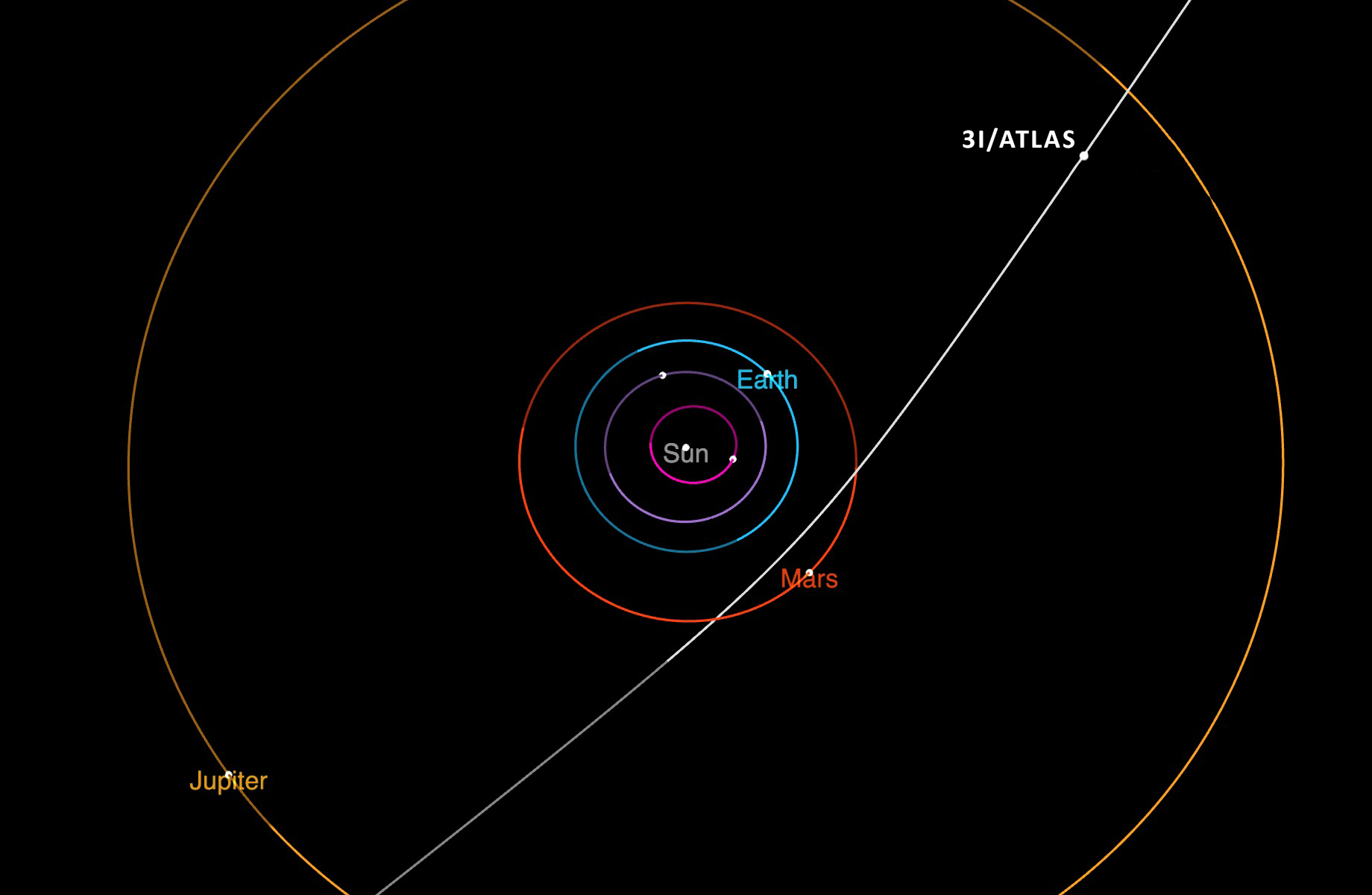
3I/ATLAS was on what's called a hyperbolic trajectory, which means it was moving too fast to be bound by the Sun's gravity and, therefore, was not following a closed orbital path around the Sun. It simply passed through our solar system.
3I/ATLAS came closest to the Sun on Oct. 30, 2025, at a distance of about 130 million miles (210 kilometers), or 1.4 astronomical units (AU), just outside the orbit of Mars. At that time, Earth was on the opposite side of the Sun.
3I/ATLAS is scientifically important because its differences from the comets in our solar system may provide insight into the composition of other solar systems.
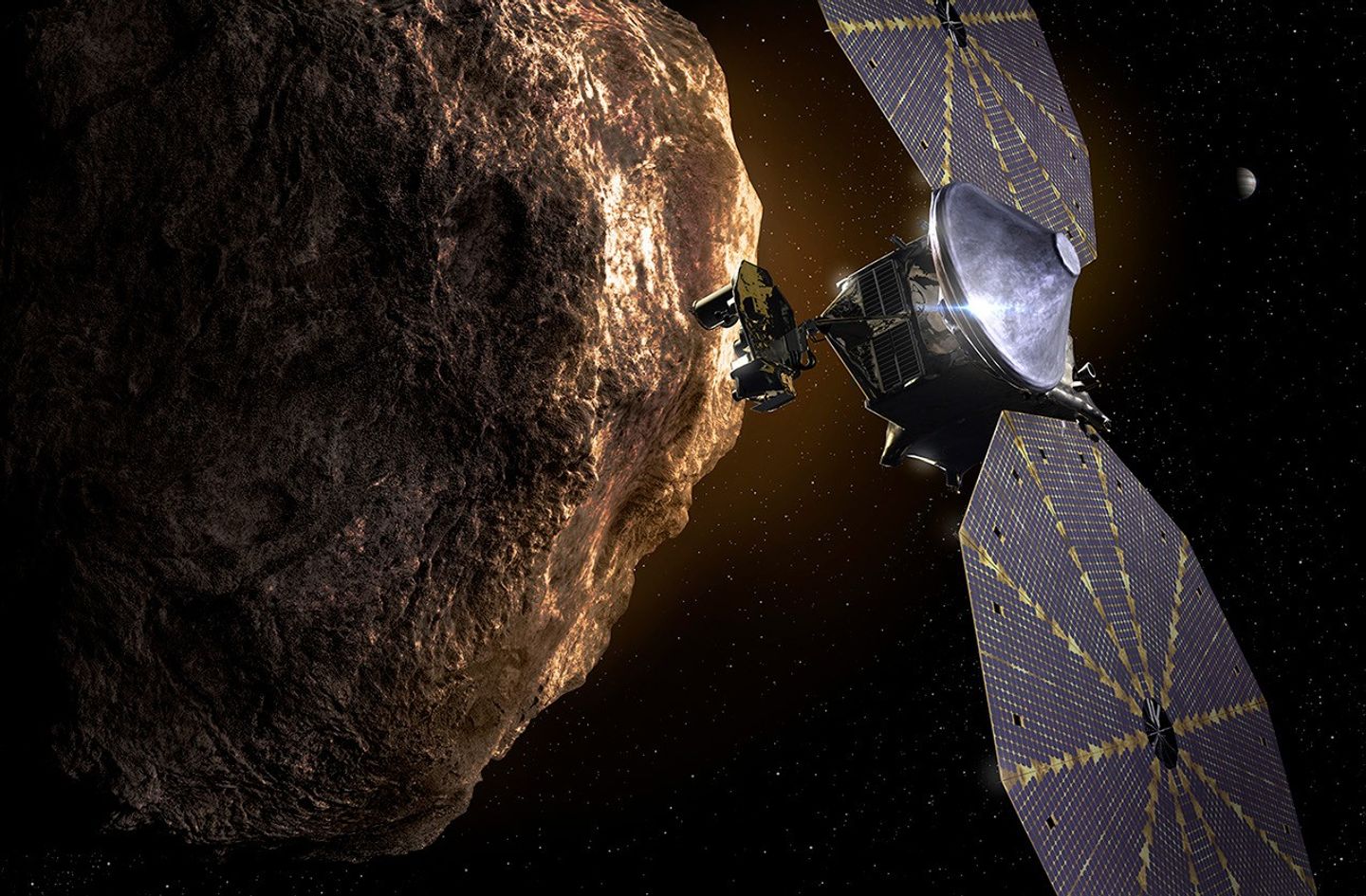
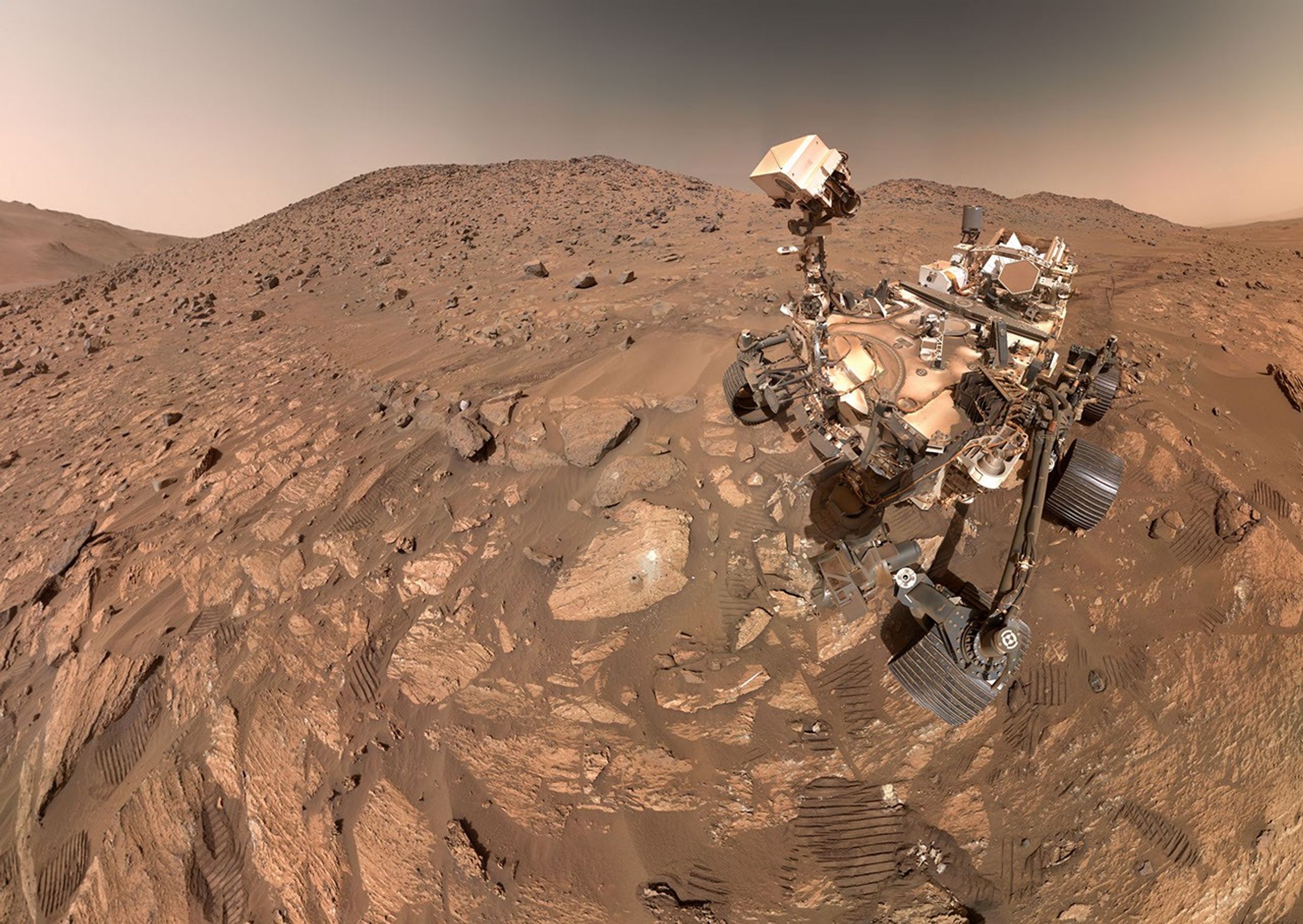
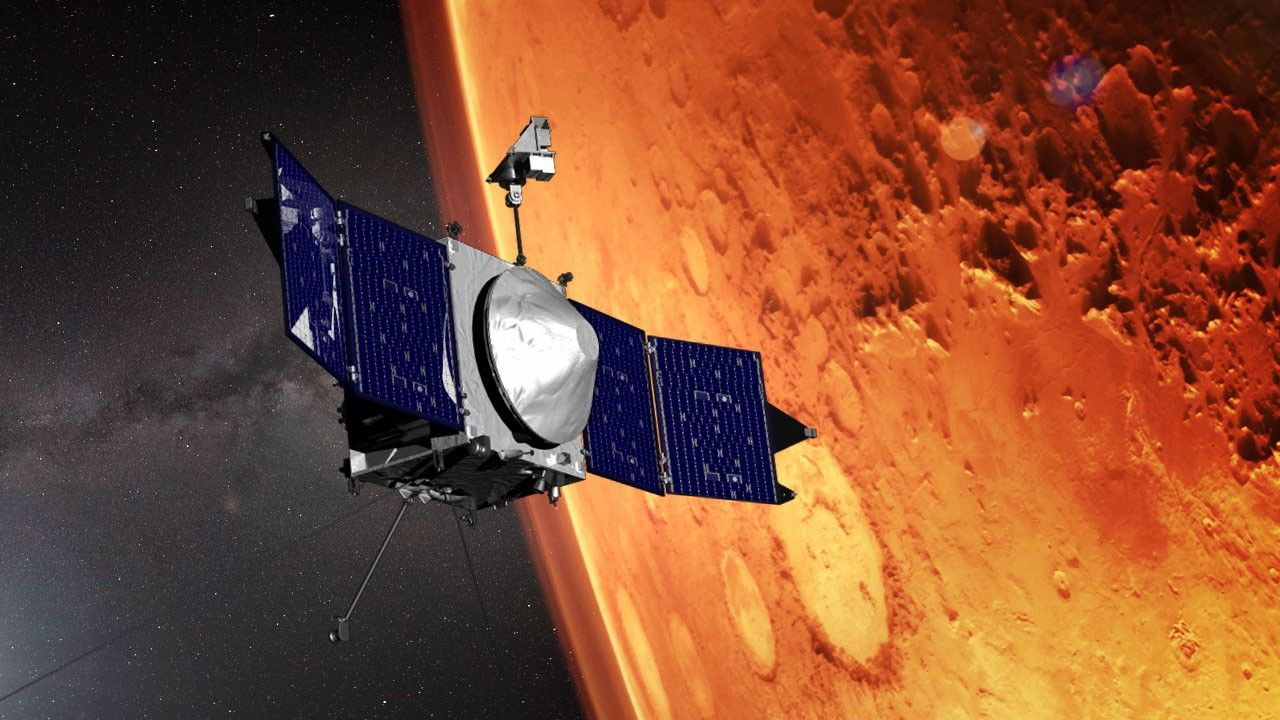
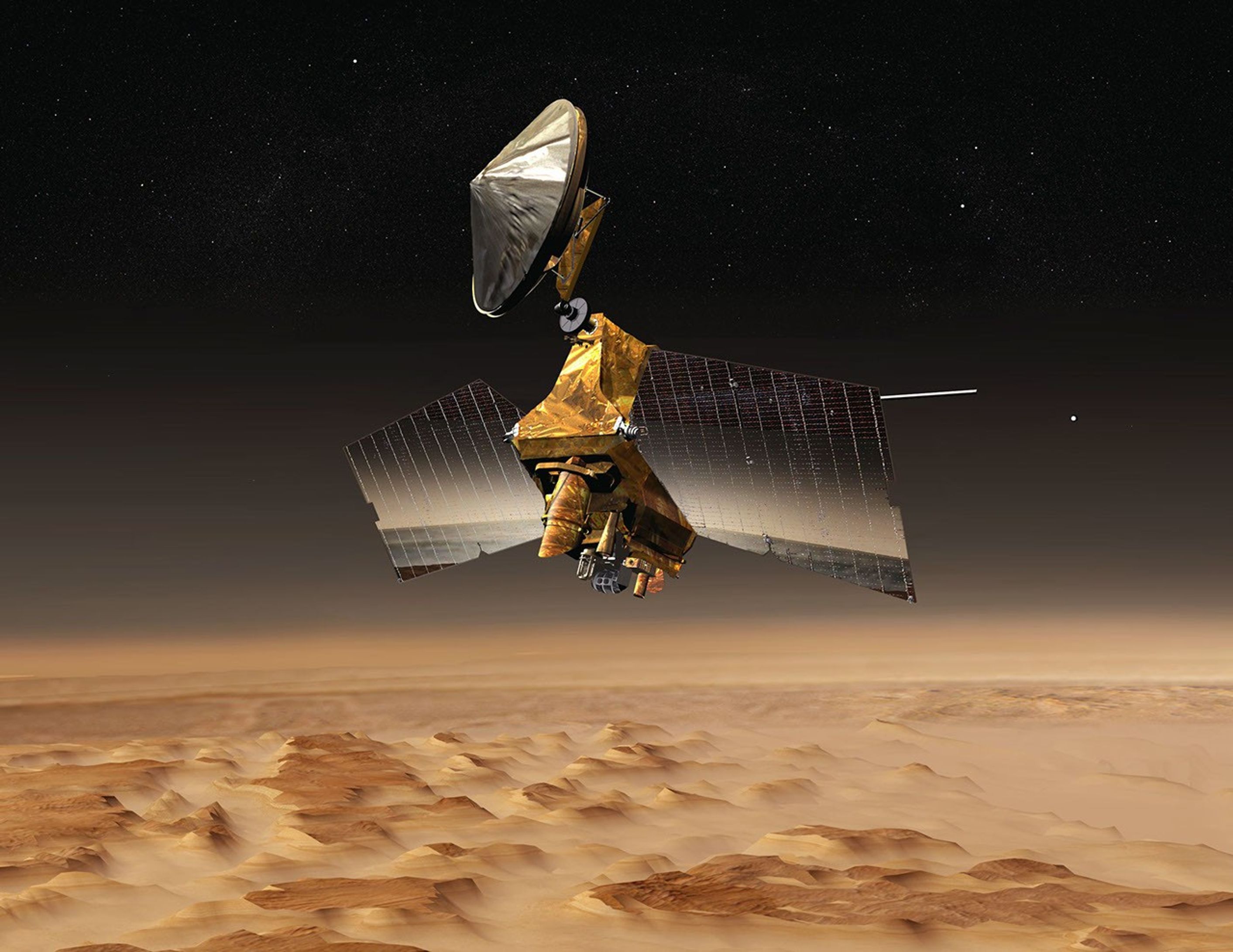
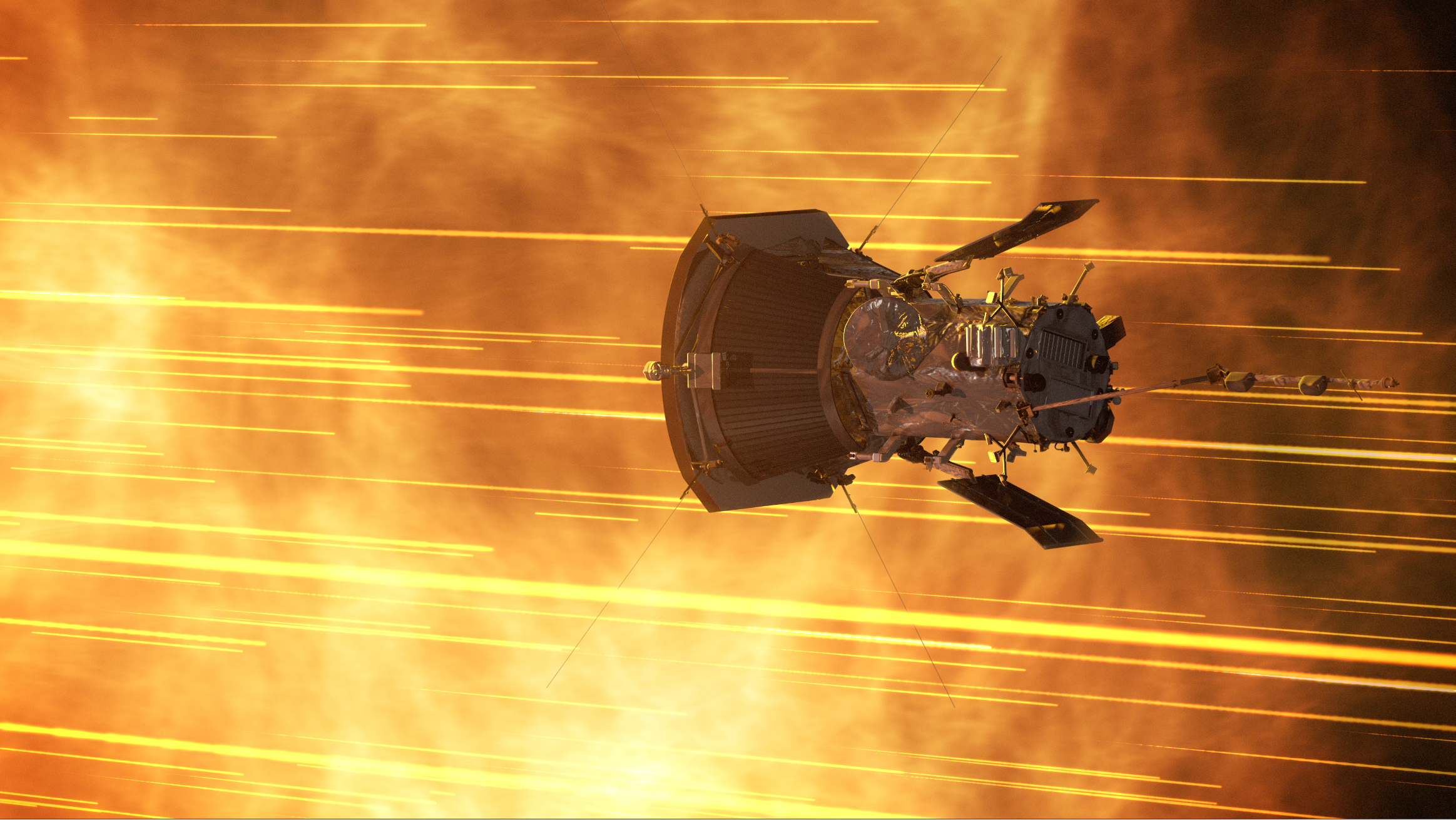
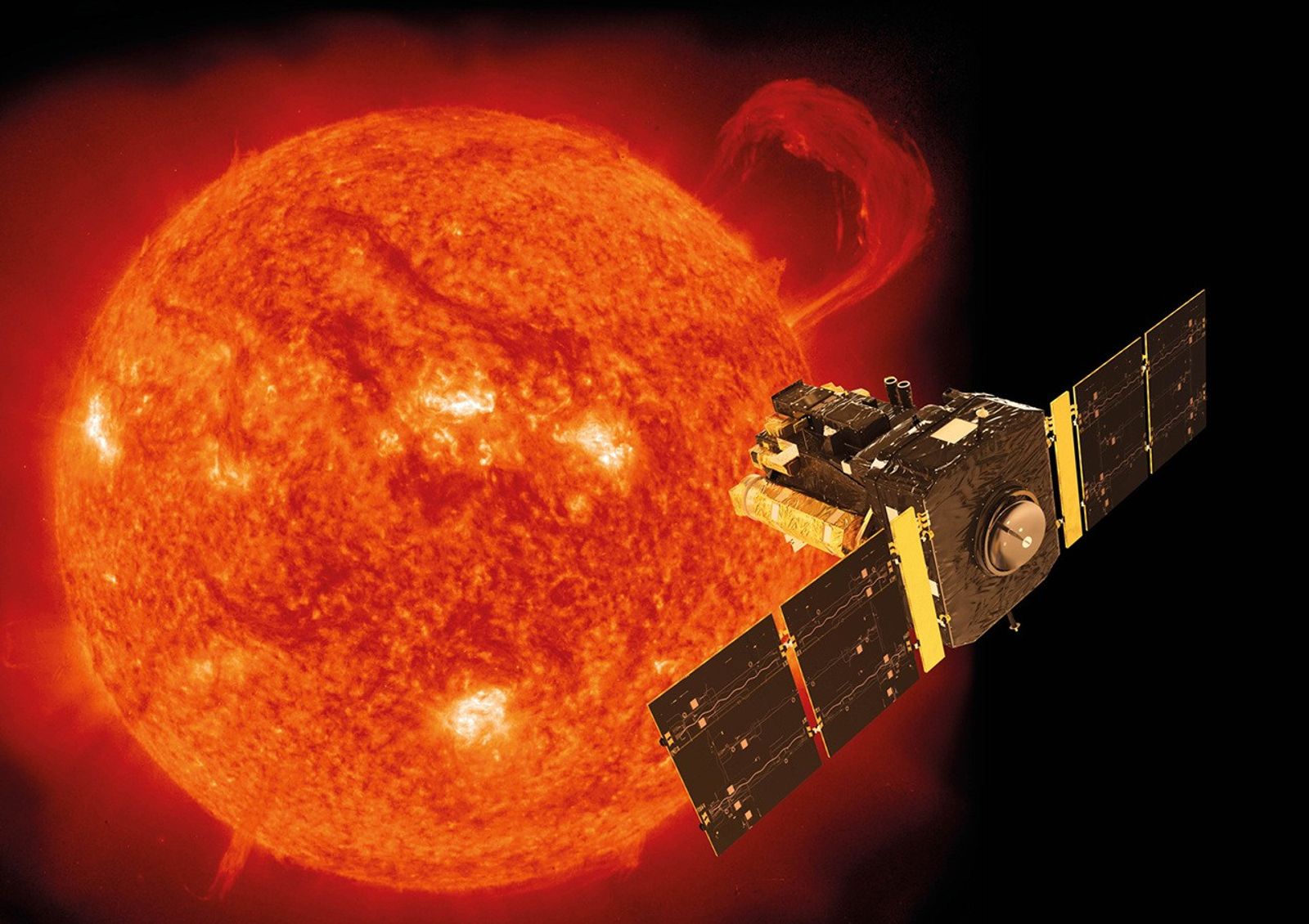
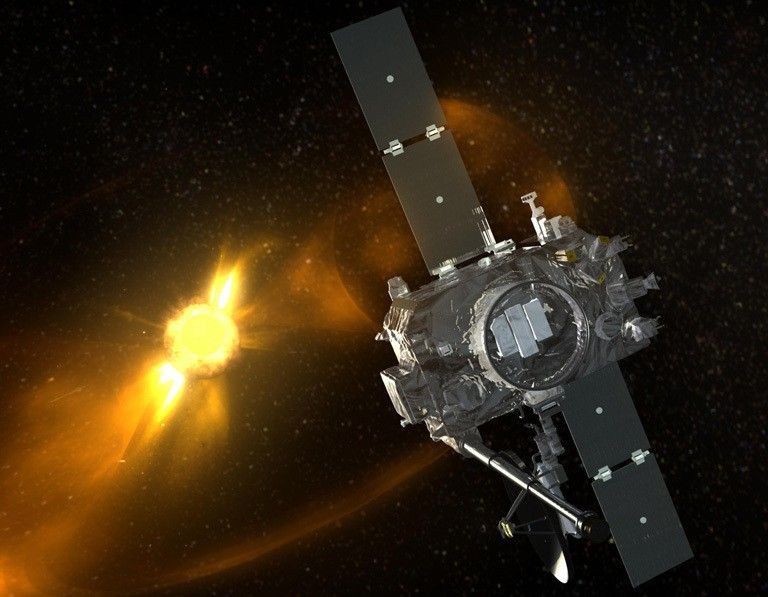
learn more about the nasa missions observing 3i/Atlas



Frequently Asked Questions (FAQs)
-
Where did this interstellar object come from?
3I/ATLAS formed in another star system and was somehow ejected into interstellar space, which is the space between the stars. For millions or even billions of years, it has drifted until it arrived at our solar system. It approached from the general direction of the constellation Sagittarius, which is where the central region of our galaxy, the Milky Way, is located. When discovered, 3I/ATLAS was about 410 million miles (670 million kilometers) away from the Sun, within the orbit of Jupiter.
-
How was it determined that 3I/ATLAS didn’t originate in our solar system?
Observations of the comet’s trajectory showed that it was moving too fast to be bound by the Sun’s gravity and that it was on what is known as a hyperbolic trajectory. In other words, it did not follow a closed orbital path around the Sun. It simply passed through our solar system and continued its journey into interstellar space, never to be seen again.
-
How many interstellar objects have been discovered?
This is the third known interstellar object to have been observed passing through our solar system. Discovered in 2017, ‘Oumuamua was the first such object; the second was 2I/Borisov, which was discovered in 2019.
-
Is 3I/ATLAS an asteroid or a comet?
From telescope observations, astronomers could tell that 3I/ATLAS was active, which means it has an icy nucleus and a coma (a bright cloud of gas and dust surrounding a comet as it approaches the Sun). This is why astronomers categorized it as a comet and not an asteroid.
-
How big is 3I/ATLAS?
Astronomers don’t know exactly how big 3I/ATLAS is, but from Hubble Space Telescope observations as of Aug. 20, 2025, they saw that the diameter of its nucleus was not less than 1,400 feet (440 meters) and not greater than 3.5 miles (5.6 kilometers).
-
Was there a danger of this interstellar object hitting Earth?
No. Although the trajectory of 3I/ATLAS brought it just inside the orbit of Mars, it didn't come close to Earth at all. At its closest, the comet was still very far away from our planet, at nearly twice the distance of the Sun. On Dec. 19, 2025, 3I/ATLAS was about 1.8 astronomical units (about 170 million miles, or 270 million kilometers) from Earth.
-
How fast was it moving?
Very fast. When it was discovered within the orbit of Jupiter, the interstellar comet was traveling about 137,000 miles per hour (221,000 kilometers per hour).
Since then, 3I/ATLAS continued on its predicted (hyperbolic) path. Pulled by the Sun’s gravity, its speed increased as expected, reaching 153,000 miles per hour (246,000 kilometers per hour) at perihelion – its closest approach to the Sun.
Moving away from the Sun, the comet’s speed decreased as expected, as it continued to be affected by the Sun’s gravitational pull. When the comet left the solar system, it was traveling at the same speed as it entered.
As comets get closer to the Sun, they heat up and release gas as their ices sublimate. This outgassing can cause small perturbations, or very slight changes in their trajectories. Observations of 3I/ATLAS show that these perturbations were indeed small and compatible with this process. -
Where can I track the comet's path through the solar system?
NASA's "Eyes on the Solar System" online simulation shows the location and path of 3I/ATLAS as it moved through our solar system.
-
Could the comet be seen from the ground?
In October 2025, the comet passed behind the Sun and became observable from Earth; astrometric observations resumed on Oct. 31.
3I/ATLAS could be observed, even with a small telescope, in the pre-dawn sky and will remained observable until spring 2026. -
Where can I learn more about comets?
You can find information about comets in our solar system on our "Comets" web page at science.nasa.gov/solar-system/comets.
Comet 3I/ATLAS Video Library
NASA Shares Interstellar Comet 3I/ATLAS Images
NASA shares the latest images of the interstellar comet 3I/ATLAS, collected by several NASA missions. Participants in this live event included: NASA Associate Administrator Amit Kshatriya; Nicky Fox, associate administrator, Science Mission Directorate; Shawn Domagal-Goldman, acting director, Astrophysics Division; and Tom Statler, lead scientist for solar system small bodies.
WatchInterstellar Comet Cruising Toward Mars Flyby in Early October
NASA has been studying the icy visitor 3I/ATLAS with space telescopes including Hubble, Webb, and SPHEREx. When the comet passes Mars on Oct. 3, multiple spacecraft there might catch a glimpse. The comet is on course to pass behind the Sun in late October, and venture past Jupiter in March 2026, on its way out of our solar system.
WatchWhat We Know About Interstellar Comet 3I/ATLAS
An interstellar traveler has been discovered passing through our solar system. The NASA-funded ATLAS (Asteroid Terrestrial-impact Last Alert System) survey telescope in Rio Hurtado, Chile, first reported observations of comet 3I/ATLAS on July 1, 2025. The fast-moving comet, which originated outside our solar system around a different star, was discovered as a tiny speck moving across the vastness of space. When discovered it was about 410 million miles (670 million kilometers) away from the Sun, within the orbit of Jupiter.
Watch