

















Solar System Exploration
Join us as we explore our solar system.
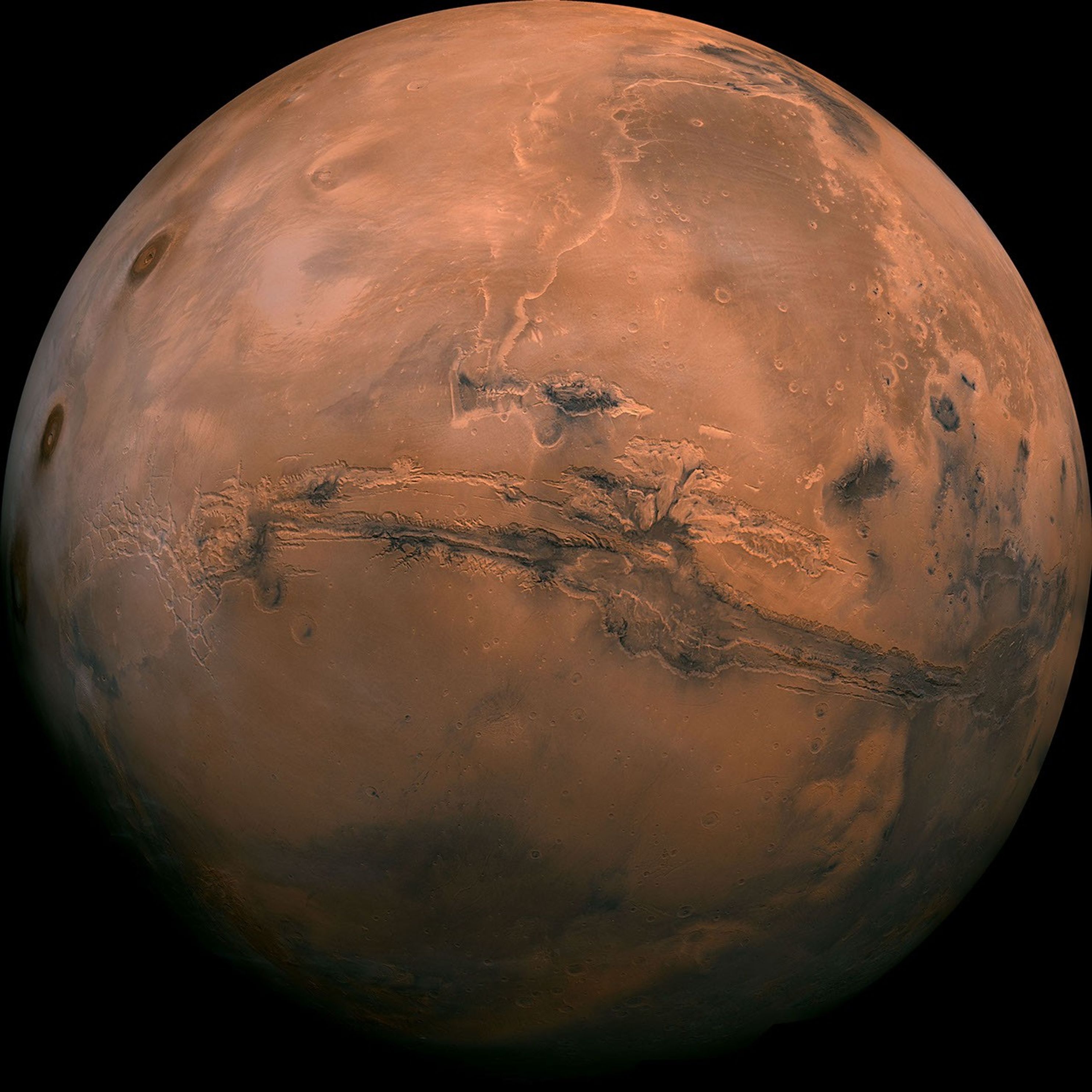
Planets
Dwarf Planets
10 THINGS about our solar system
1. Many Worlds
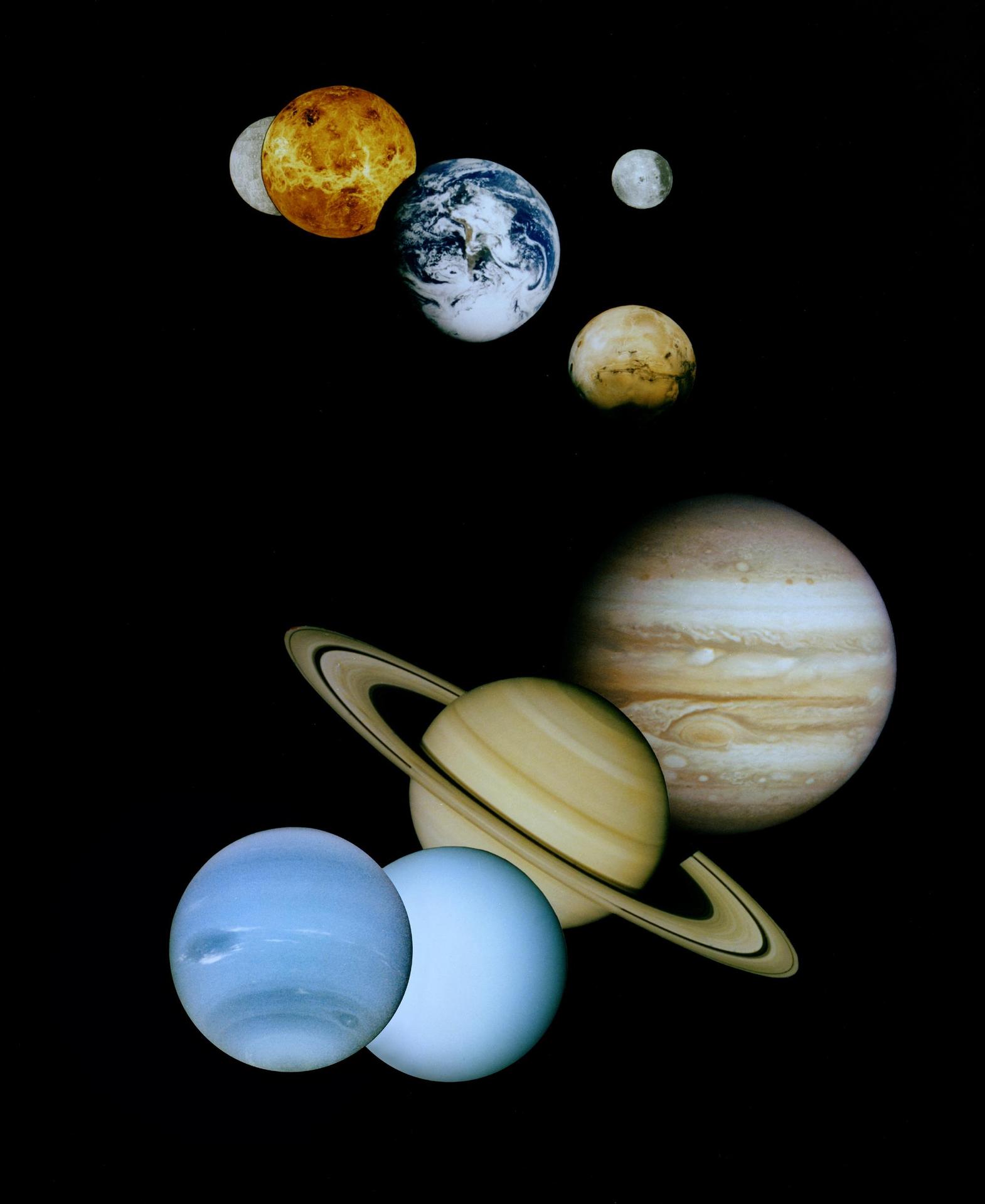
Our solar system has eight planets, and five dwarf planets.
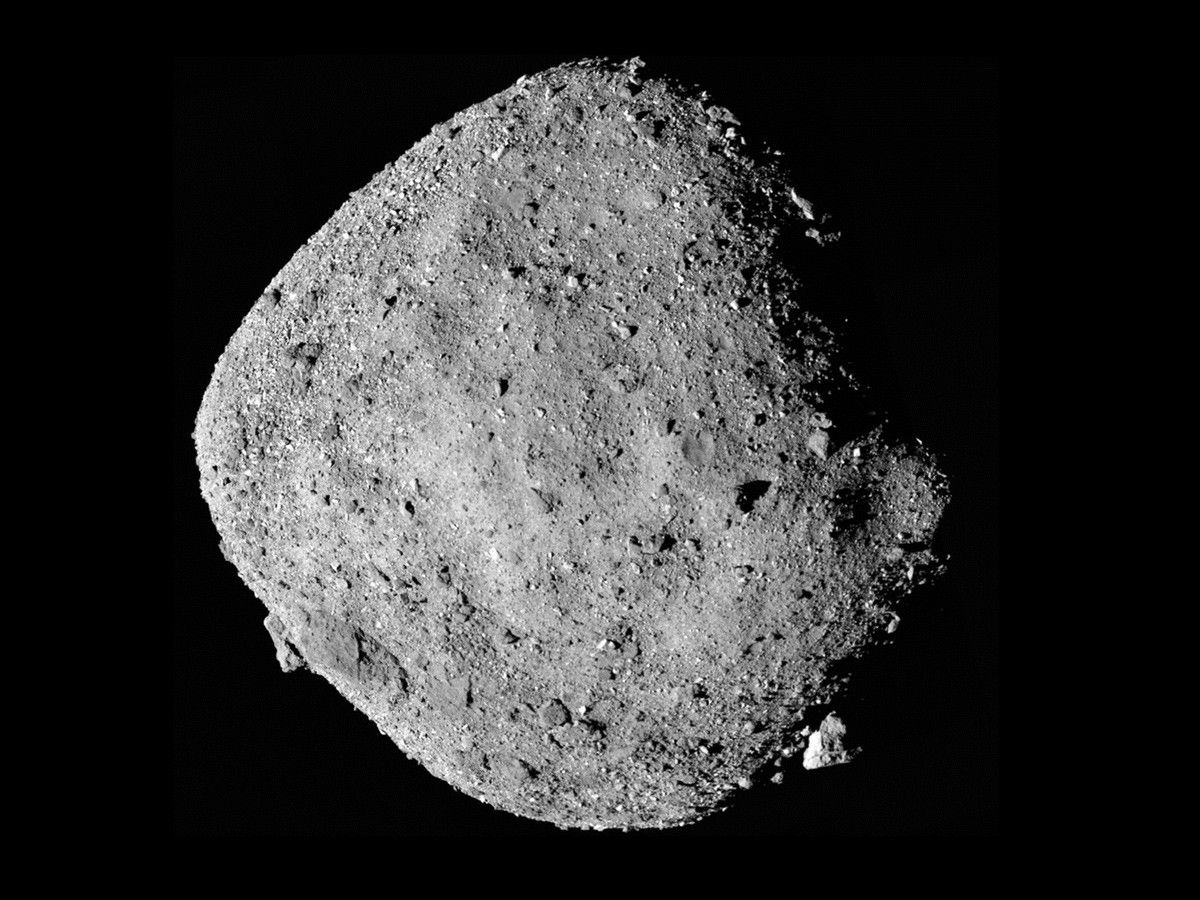
2. Small Worlds, Too
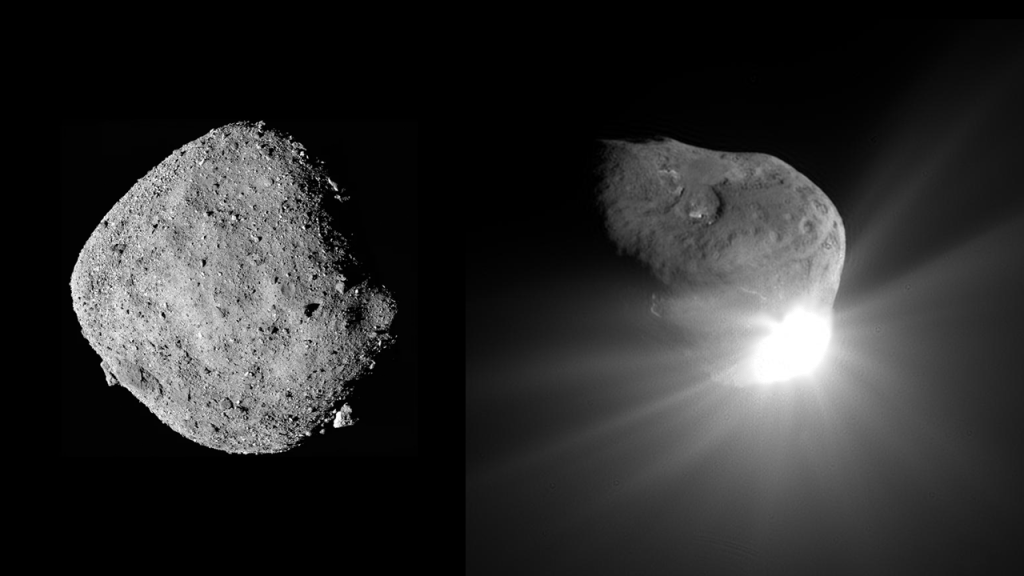
About 1.4 million asteroids, and about 4,000 comets are in our solar system.
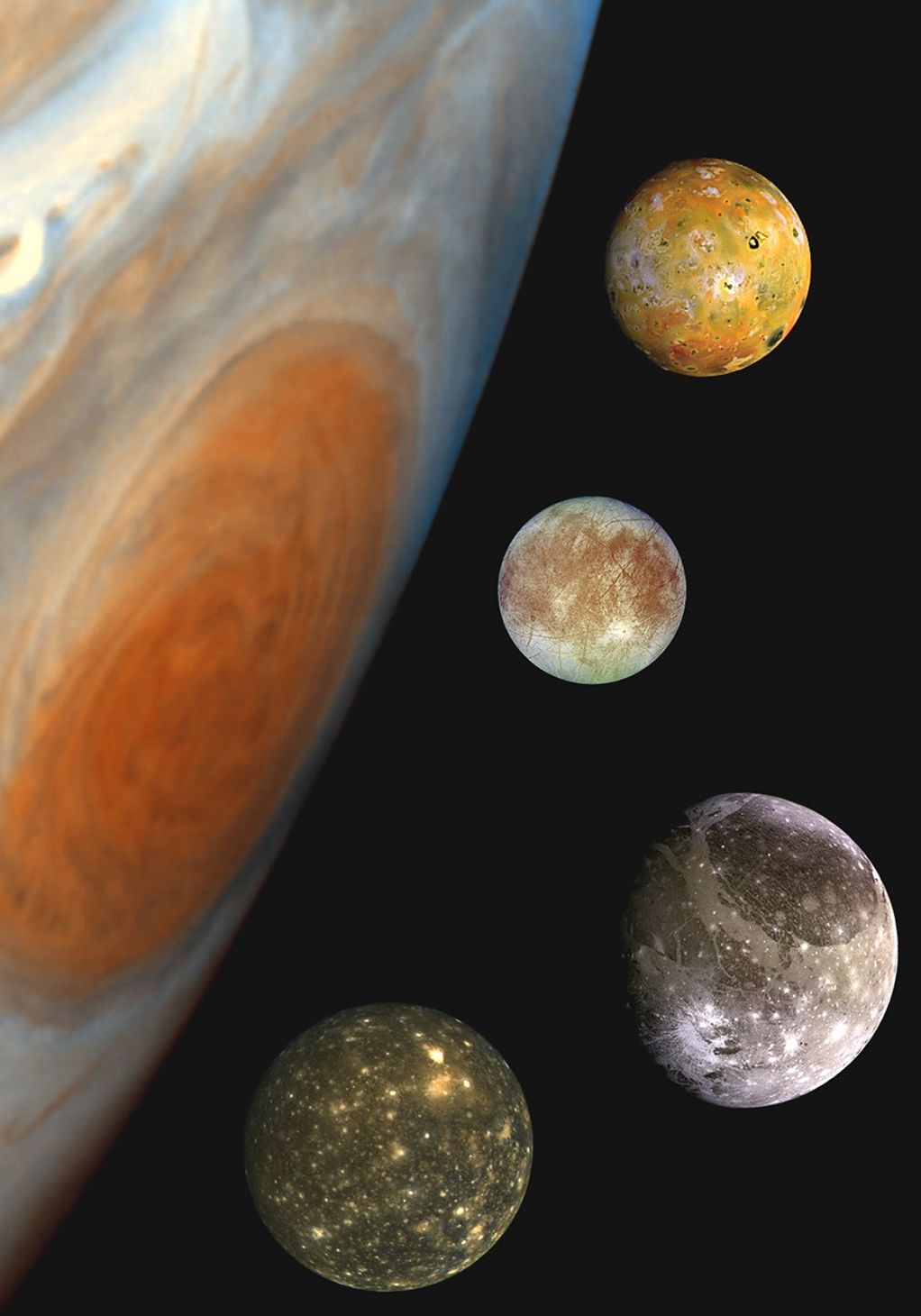
3. Lots of Moons
Our solar system has hundreds of moons.
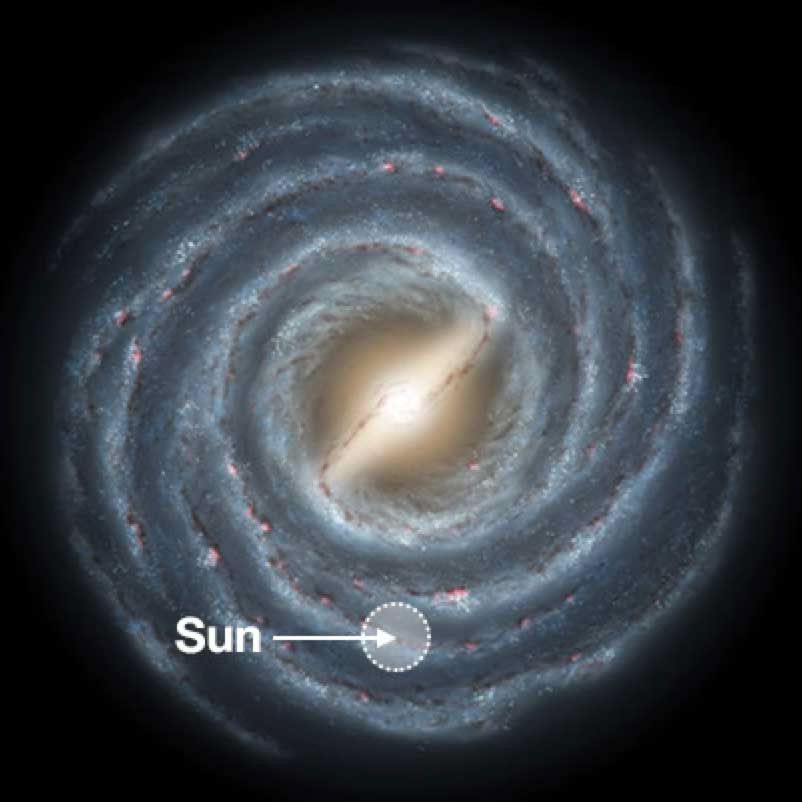
4. Meet Me in the Milky Way
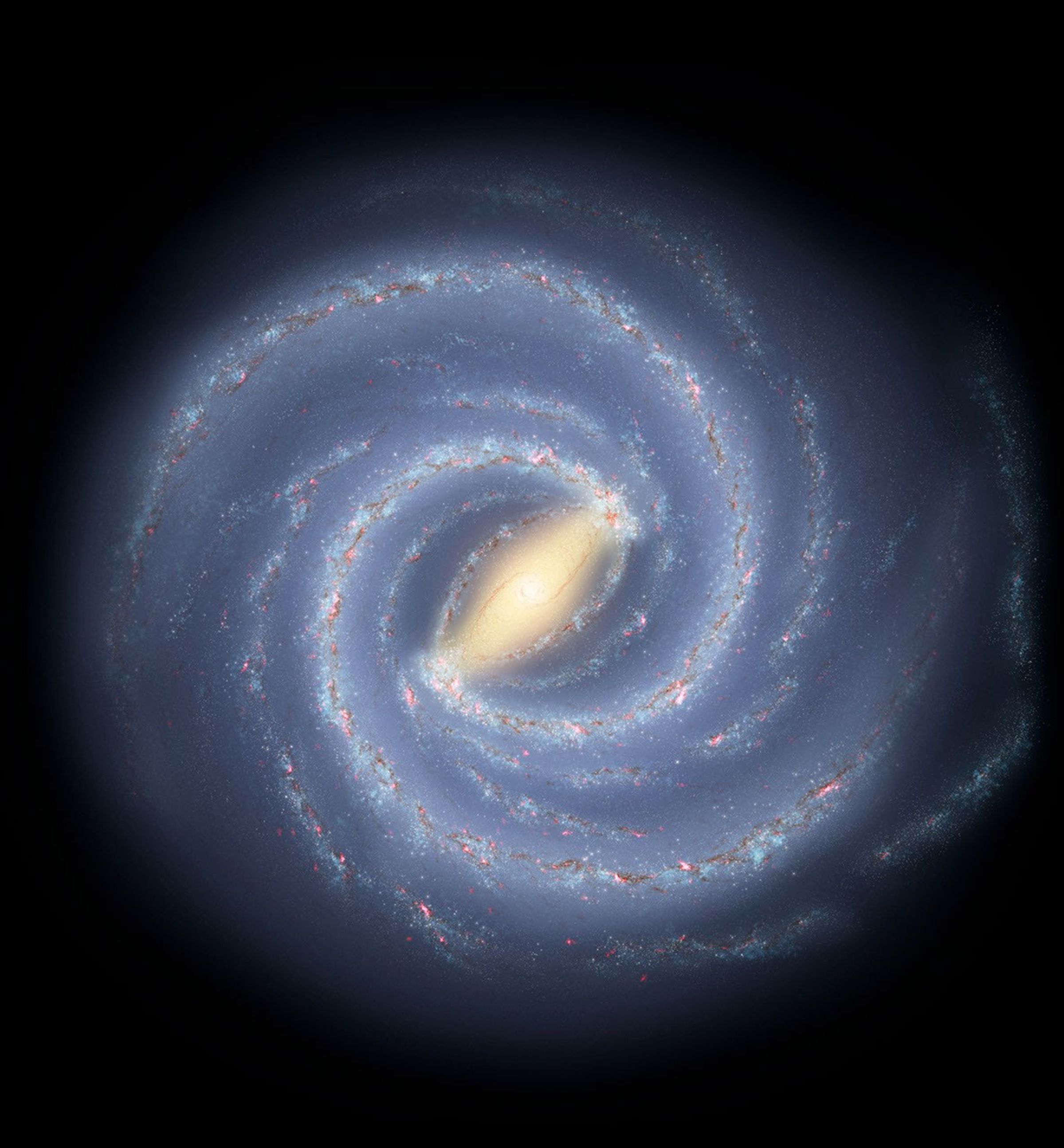
Our solar system is in one of the Milky Way galaxy’s spiral arms called the Orion Spur.

5. A Long Way Around
Our solar system takes about 230 million years to orbit the galactic center.
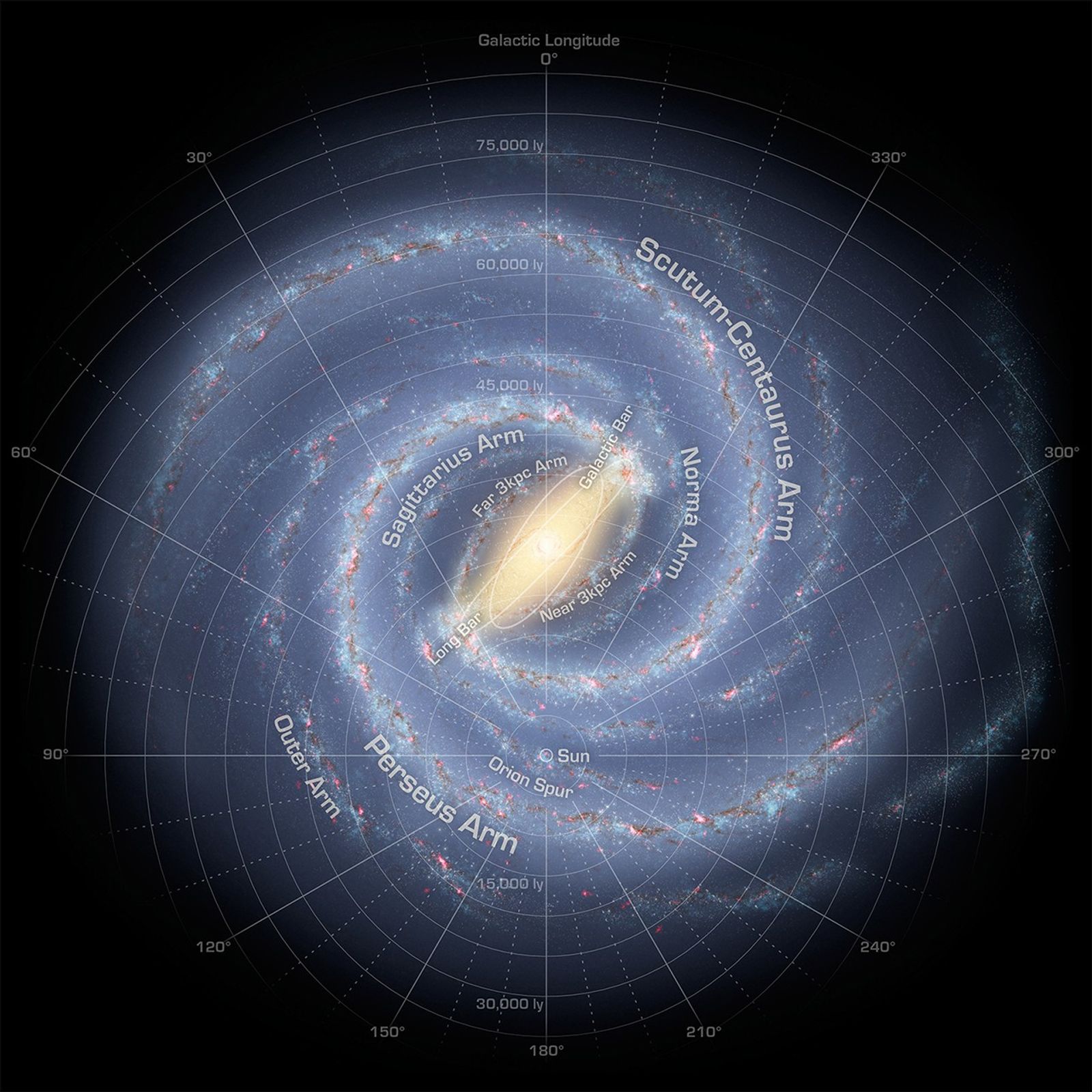
6. Spiraling Through Space
The Milky Way is a barred spiral galaxy.

7. Diverse Atmospheres
Our solar system has many worlds with many types of atmospheres.
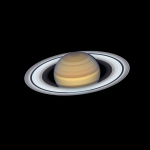
8. Ring Worlds
The four giant planets – and at least one asteroid – have rings.
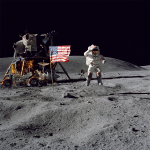
9. Getting Out There
More than 300 robotic spacecraft have left Earth's orbit, and 24 U.S. astronauts have traveled to the Moon.

10. Life as We Know It
So far, Earth is the only place we've found life in our solar system.
Solar System Facts
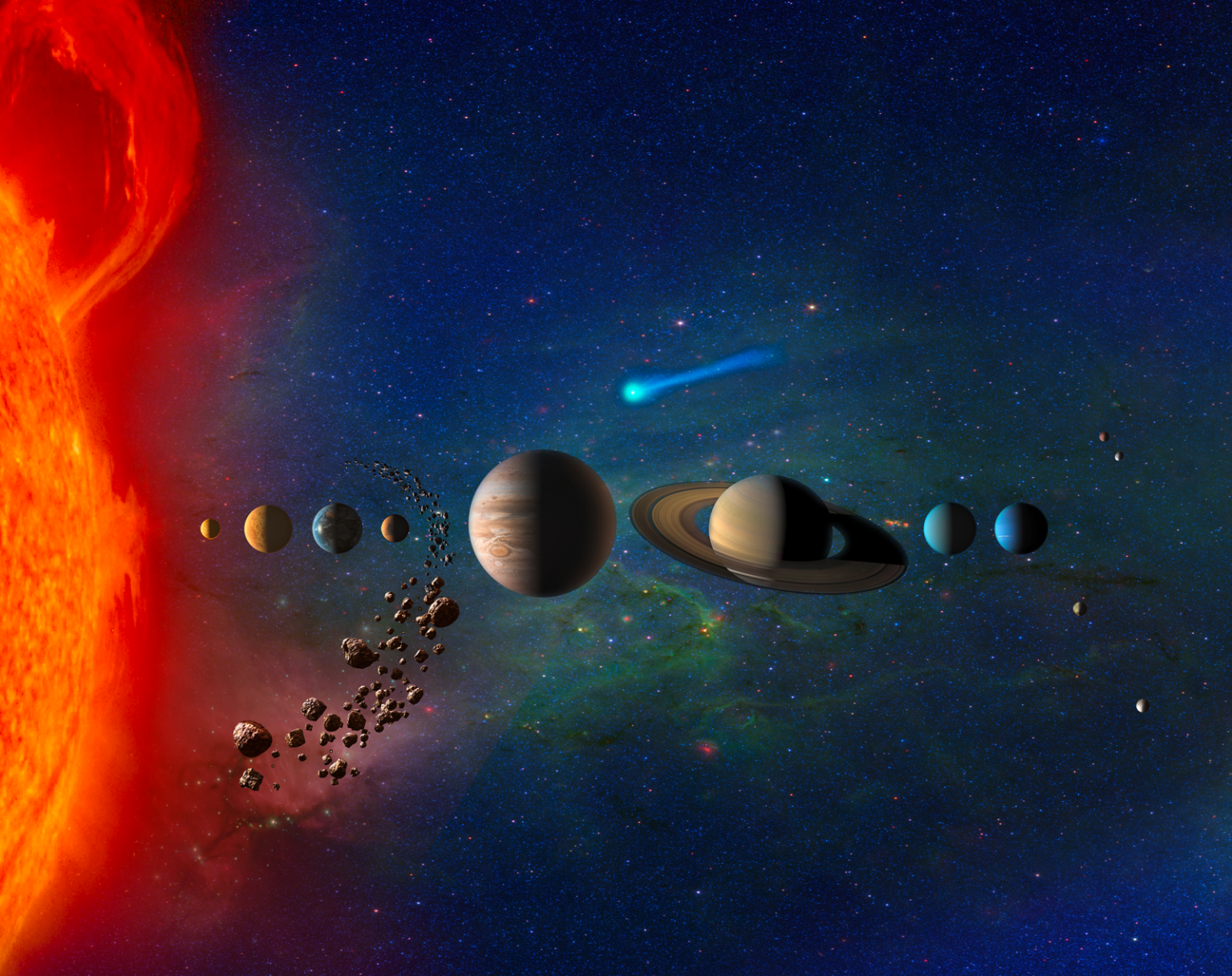
Our solar system includes the Sun, eight planets, five officially named dwarf planets, hundreds of moons, and thousands of asteroids and comets.
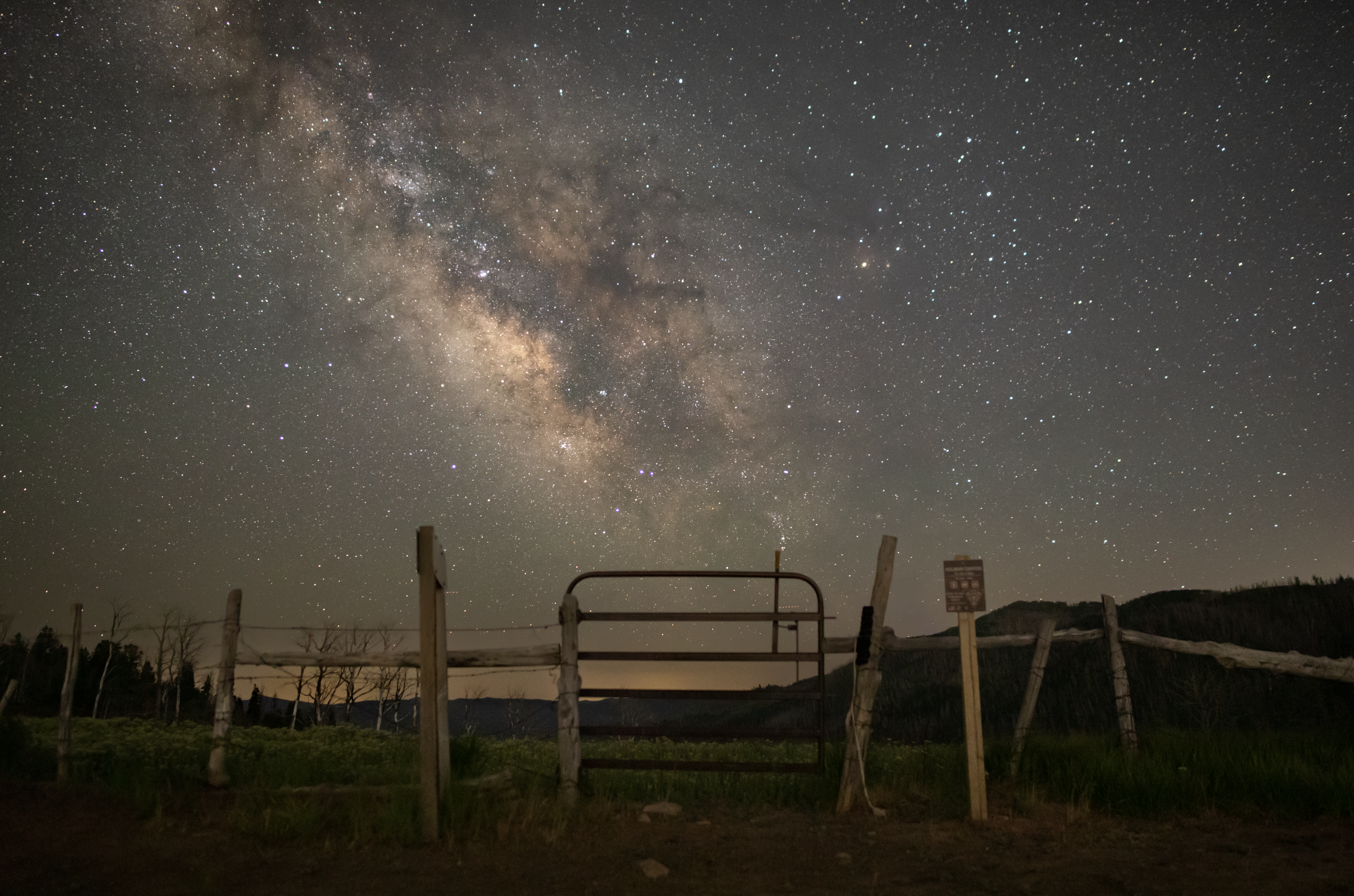
Our solar system is located in the Milky Way, a barred spiral galaxy with two major arms, and two minor arms. Our Sun is in a small, partial arm of the Milky Way called the Orion Arm, or Orion Spur, between the Sagittarius and Perseus arms. Our solar system orbits the center of the galaxy at about 515,000 mph (828,000 kph). It takes about 230 million years to complete one orbit around the galactic center.
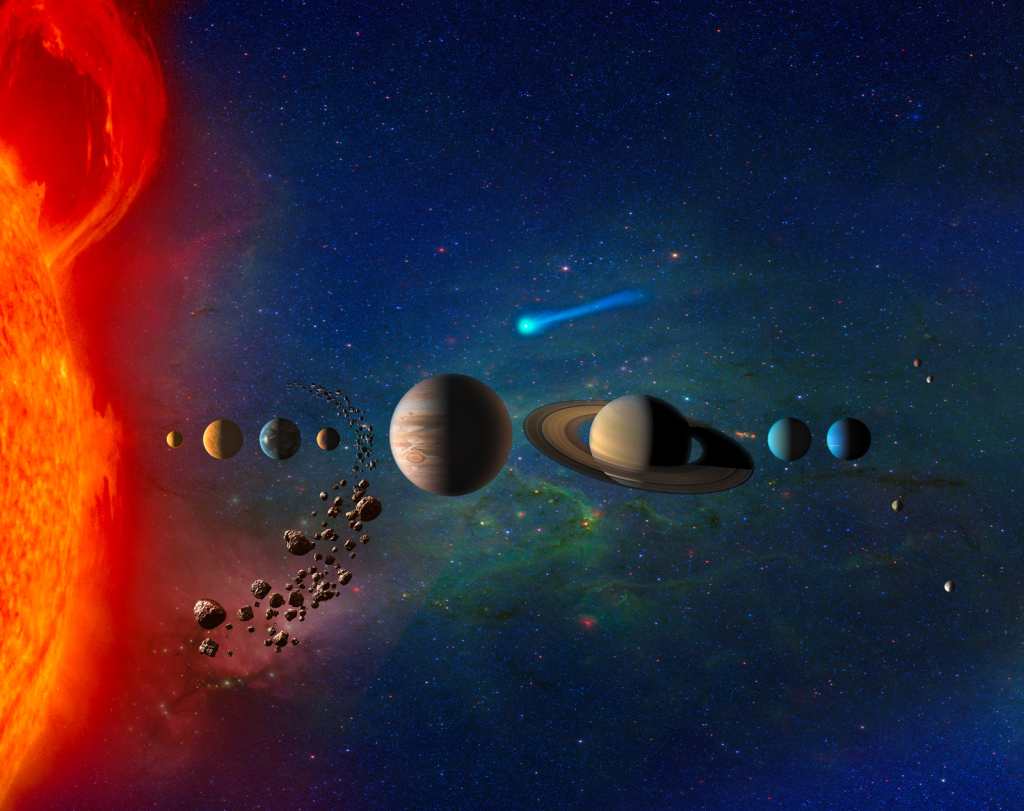
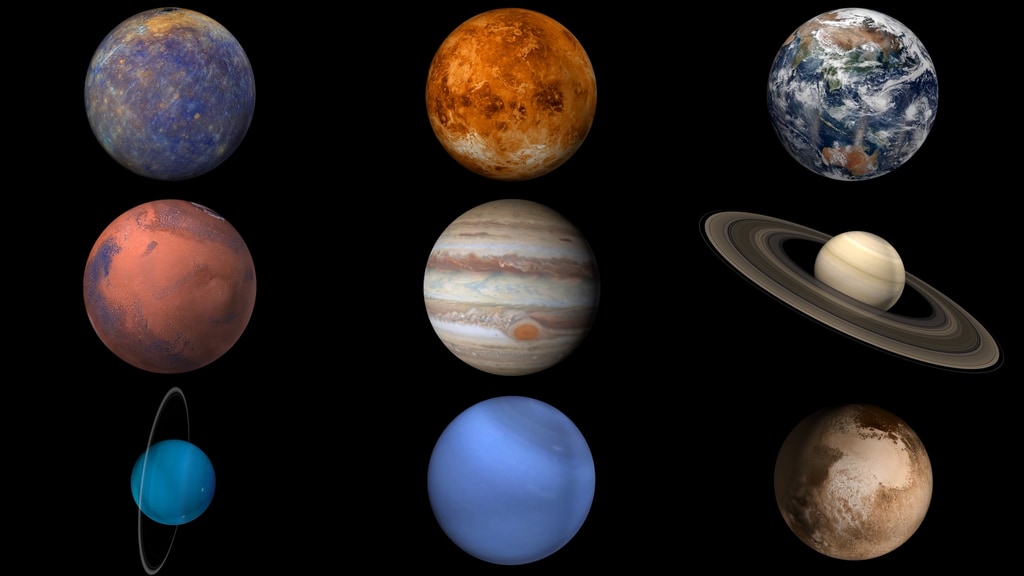
About the Planets
Learn about the inner planets, the outer planets, and the dwarf planets.
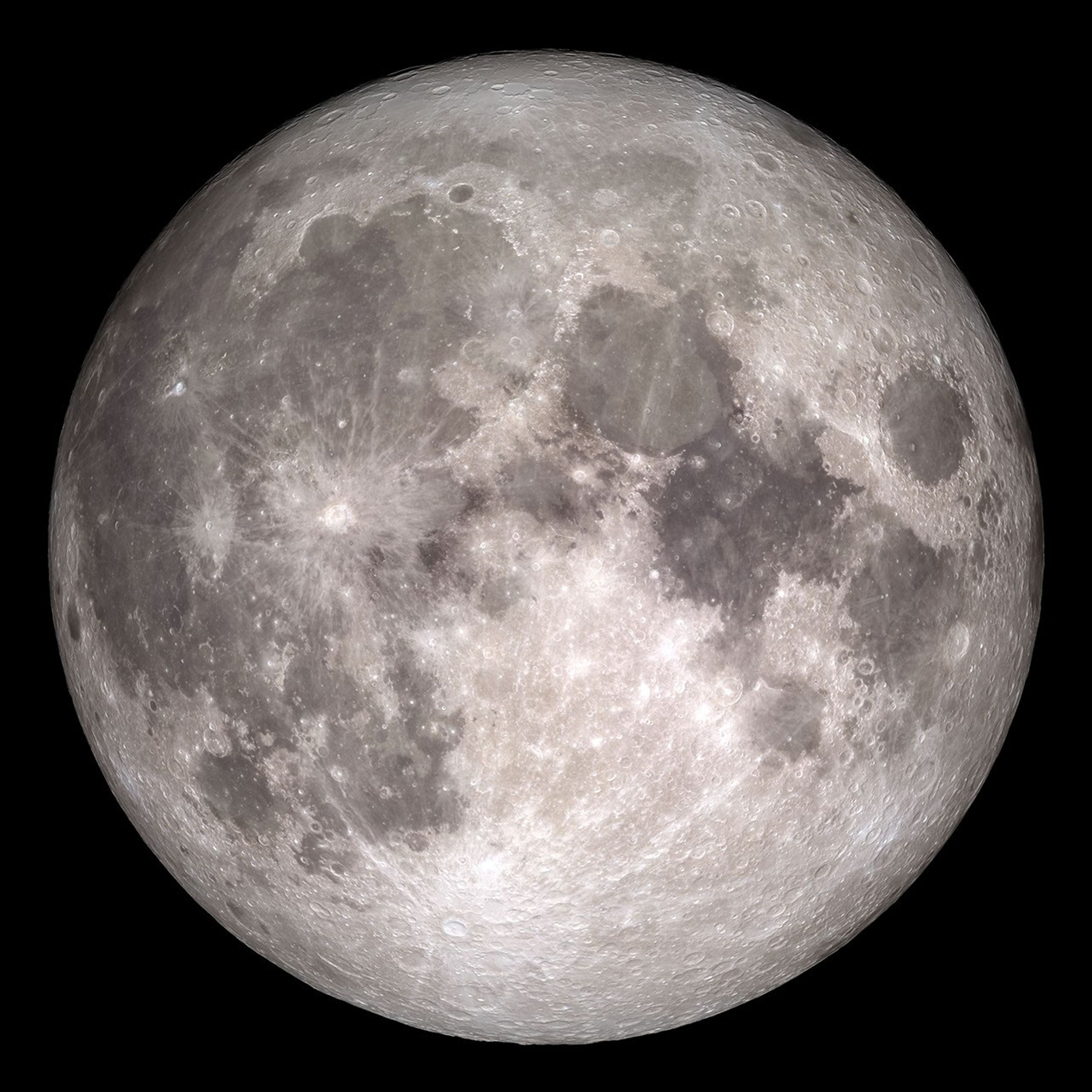
Moons in Our Solar System
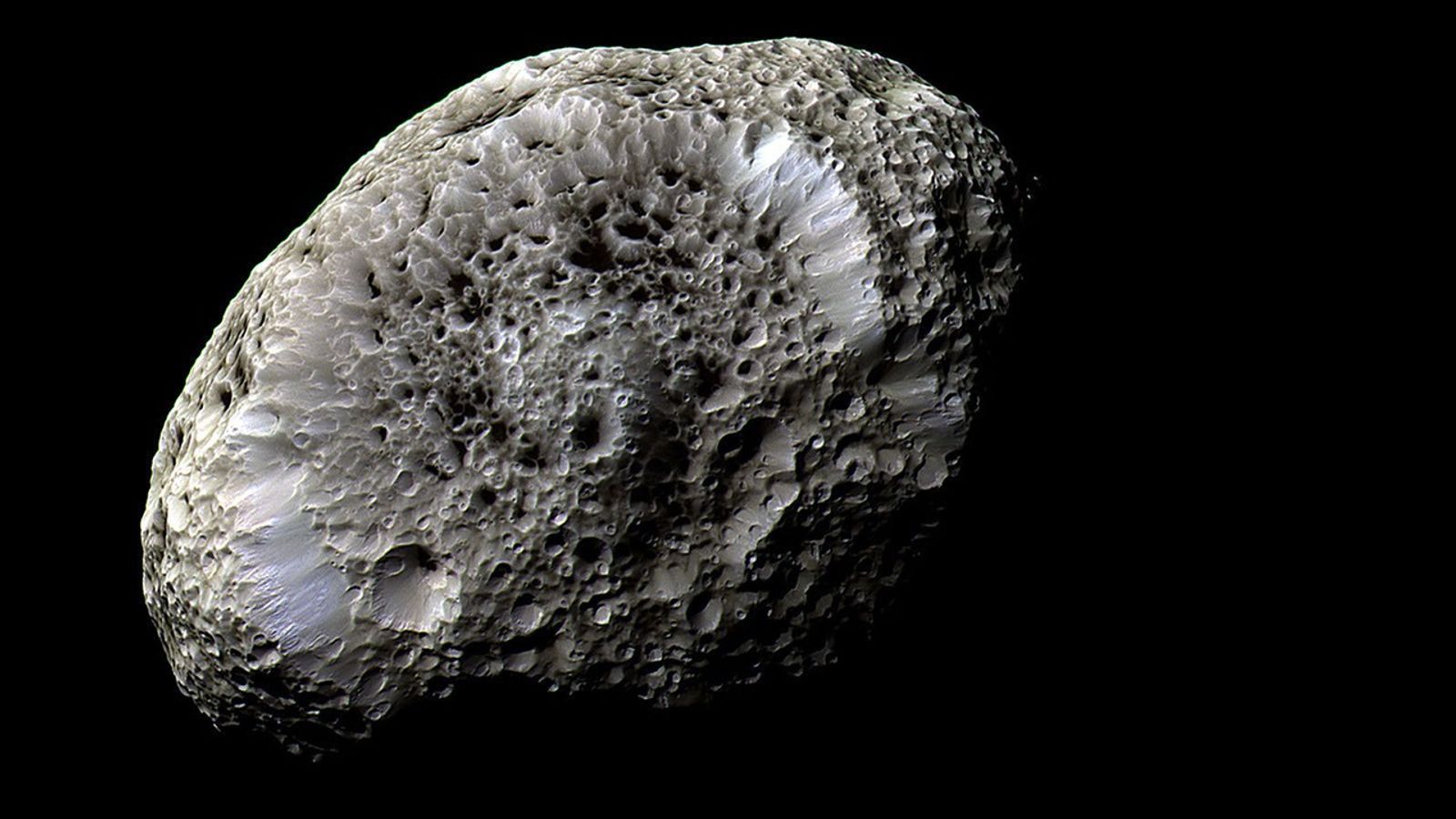
Our solar system has hundreds of moons, and they come in a variety of shapes and sizes. Many moons orbit planets, and even some asteroids have moons.
Out-of-This-World Record: Perseverance Goes the Distance
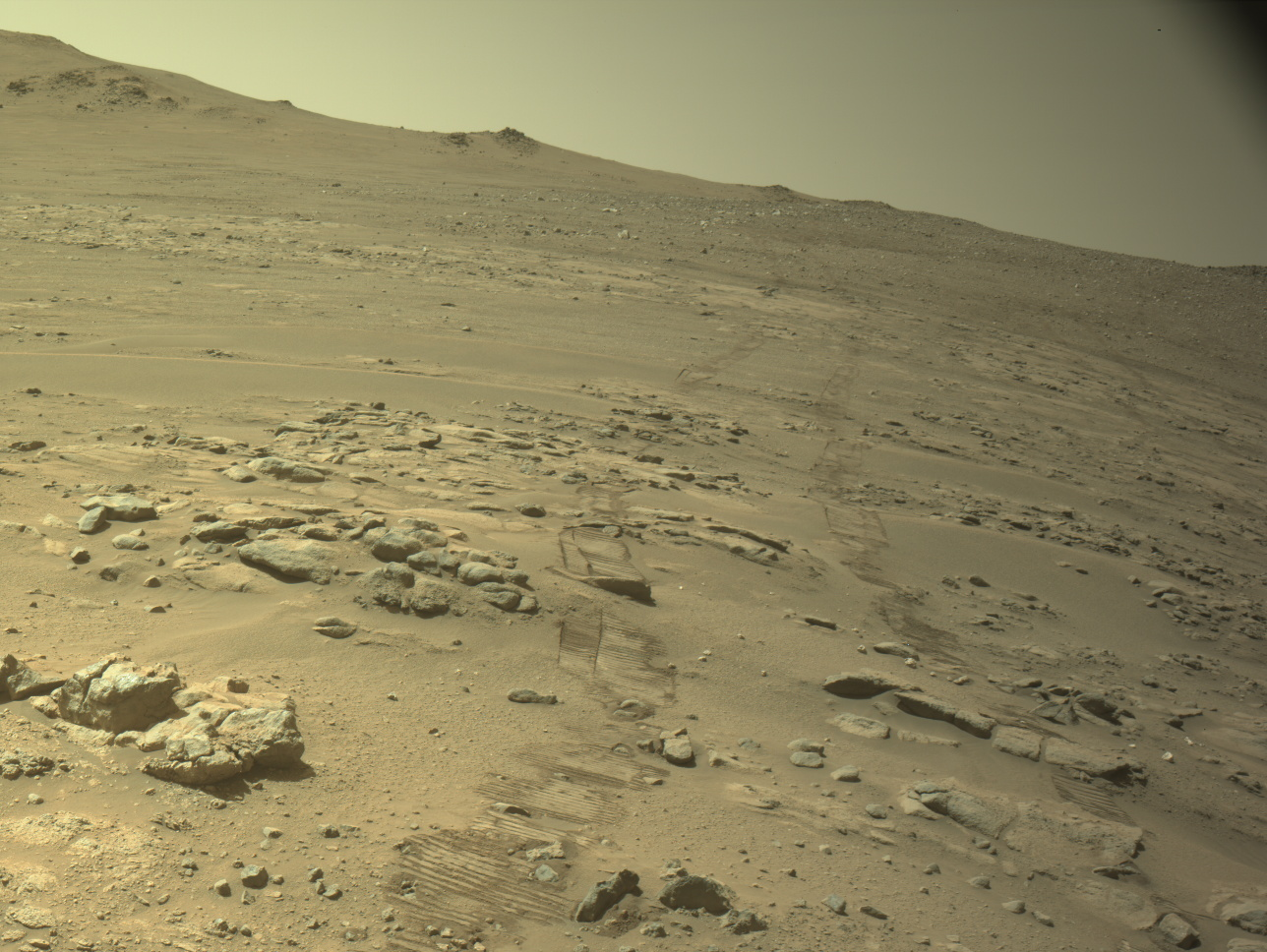
Since it landed on the Red Planet in 2021 to search for signs of ancient life, NASA’s Perseverance Mars rover has driven farther, faster than any vehicle ever has on the surface of another world. On Oct. 11, its odometer reached 28.10 miles (45.22 kilometers), rolling past the previous record of 28.06 miles (45.16 kilometers) by NASA’s Opportunity rover (2004-2018). Doubly remarkable, Perseverance has covered the ground in about 5½ years, compared to almost 15 for its predecessor.
Read ‘NASA’s Perseverance Sets Off-World Record for Total Distance Driven’What’s Up: October 2026
See Saturn at opposition, catch the Orionid meteor shower, and watch the Moon pass close to the Pleiades, also known as the Seven Sisters.
Watch Now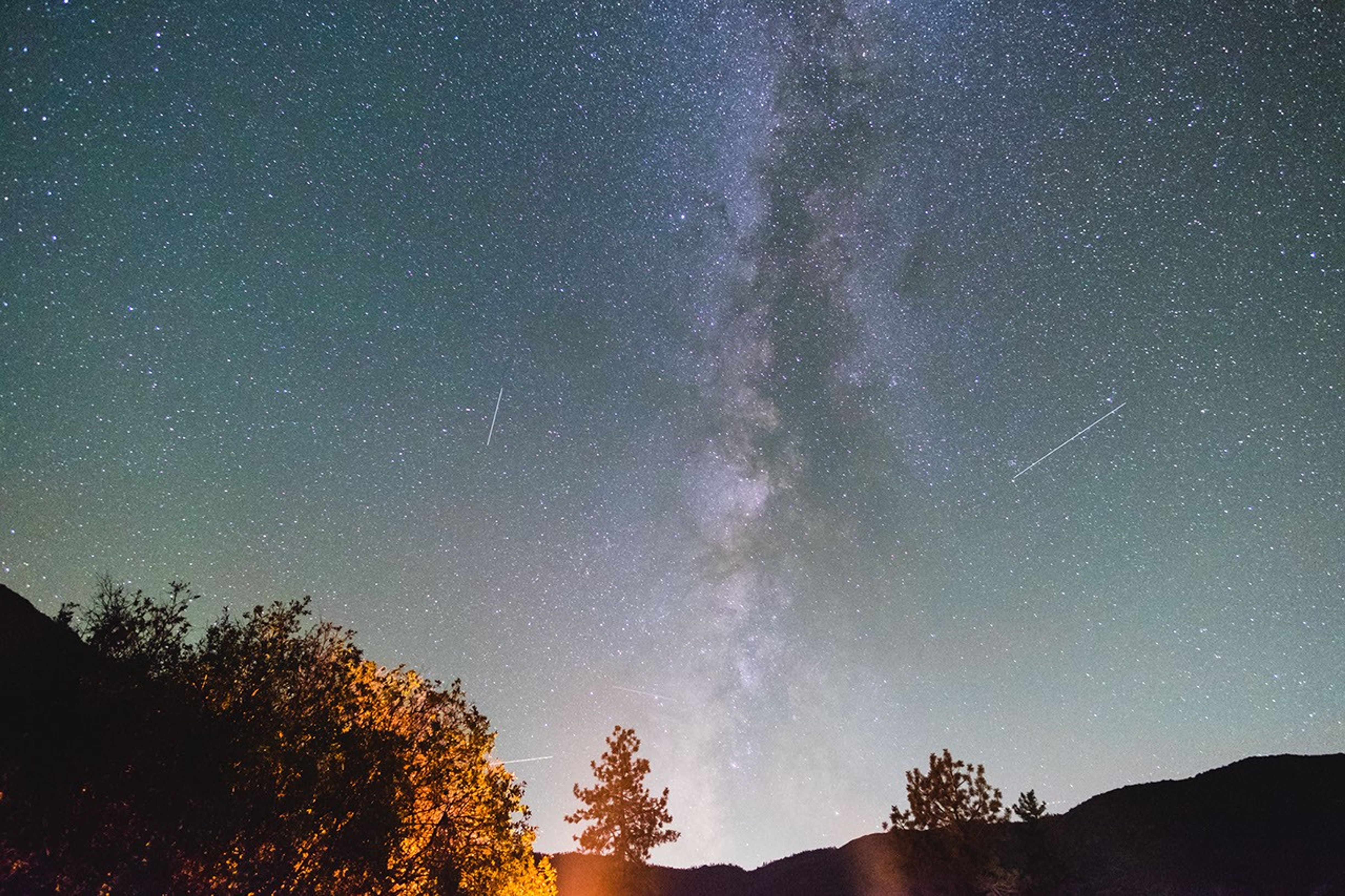

Eyes on the Solar System
Featured Missions
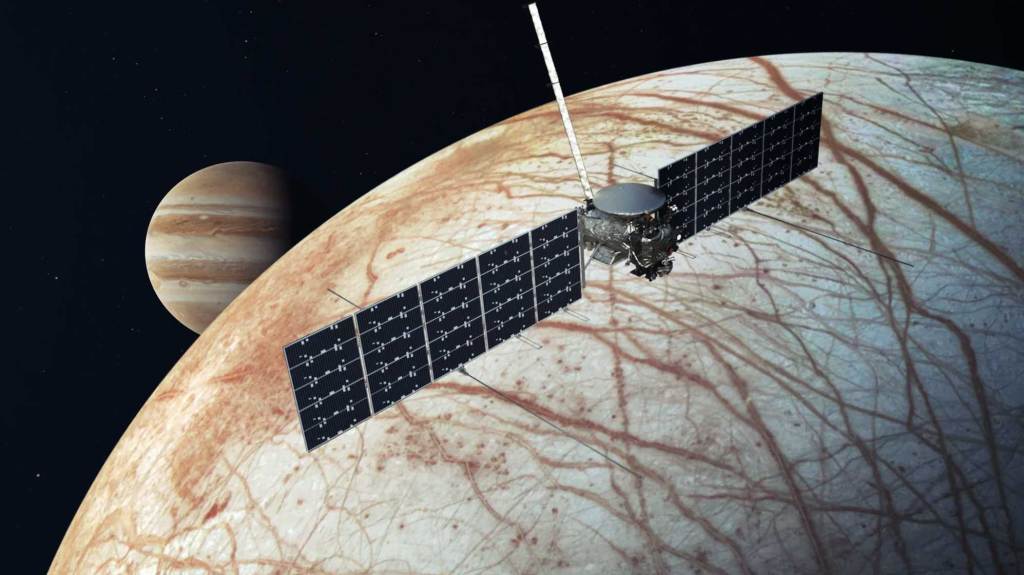
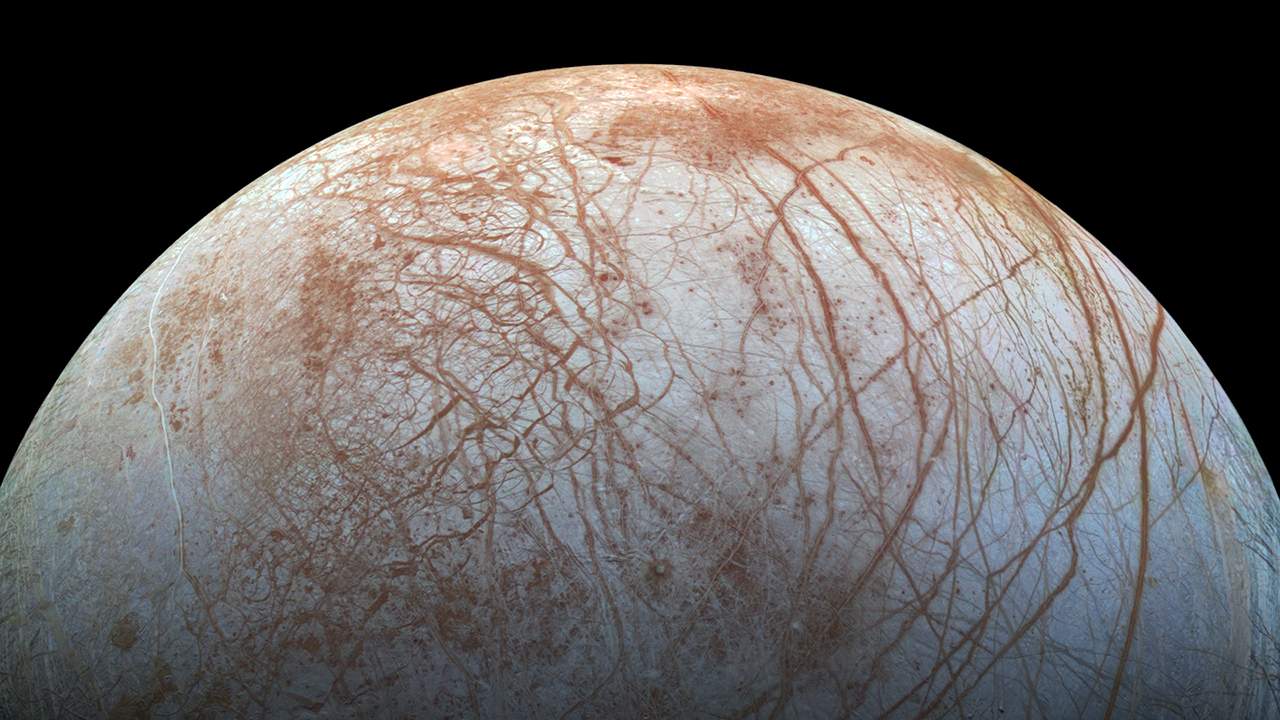
Europa Clipper
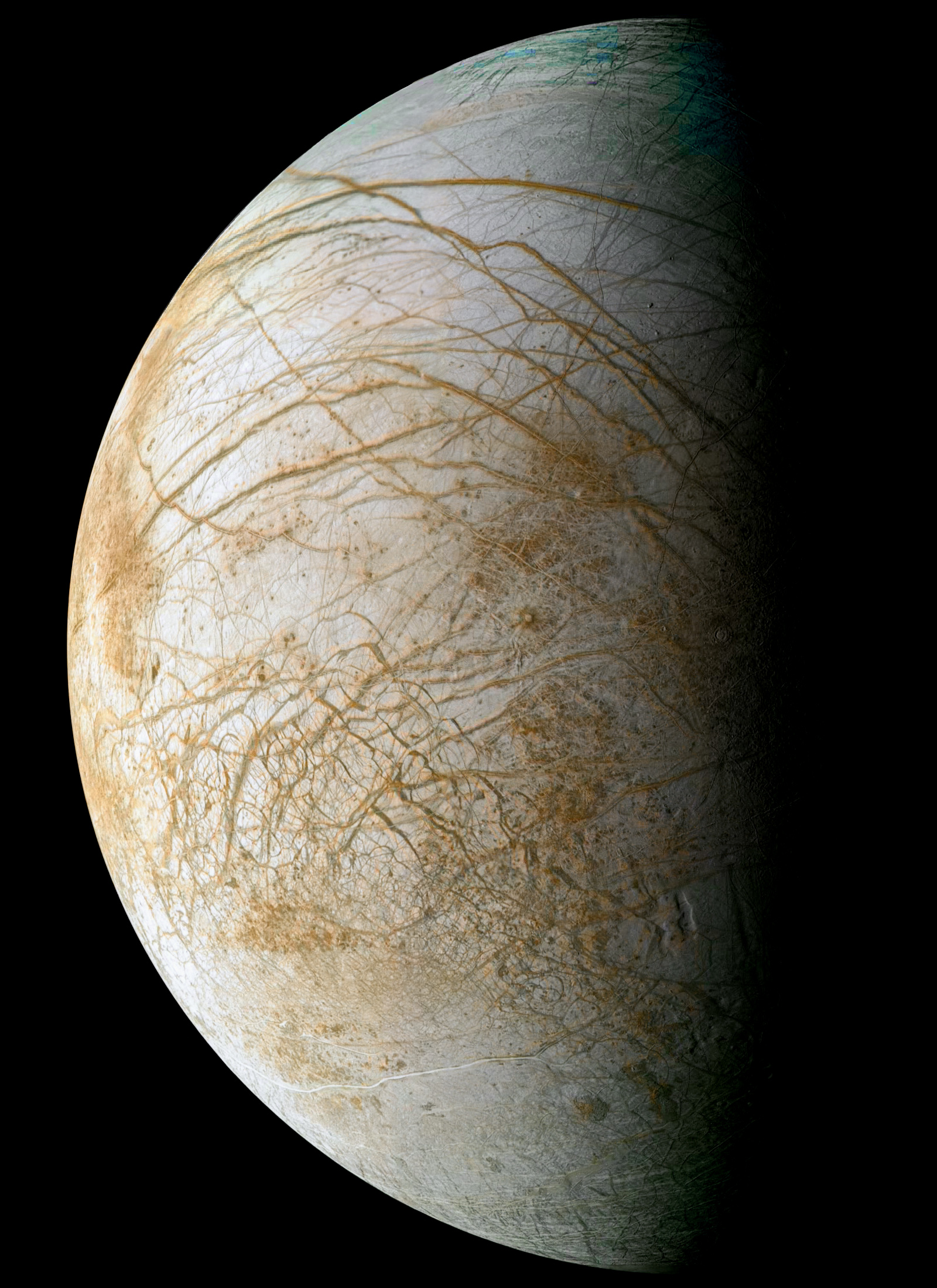
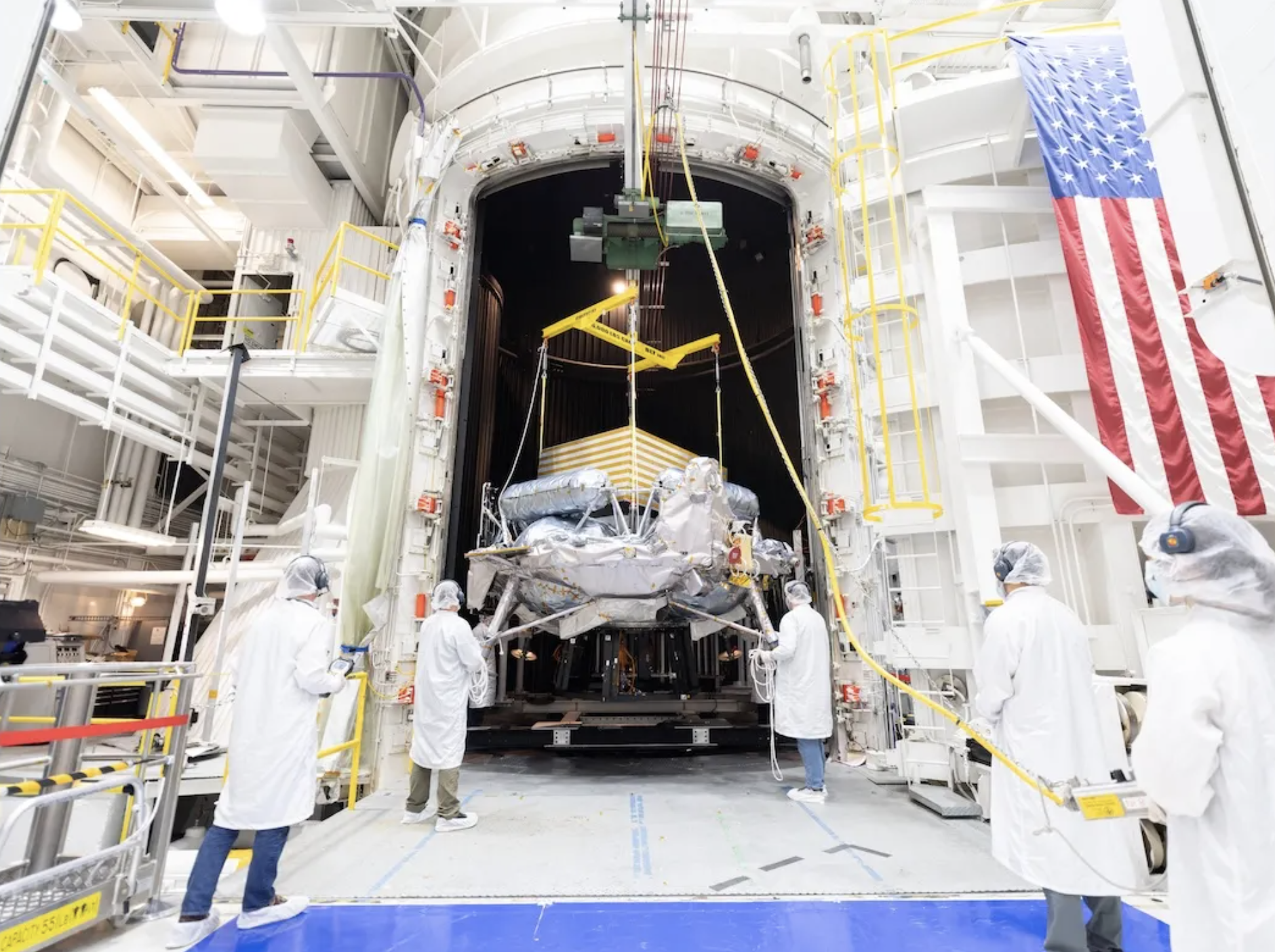
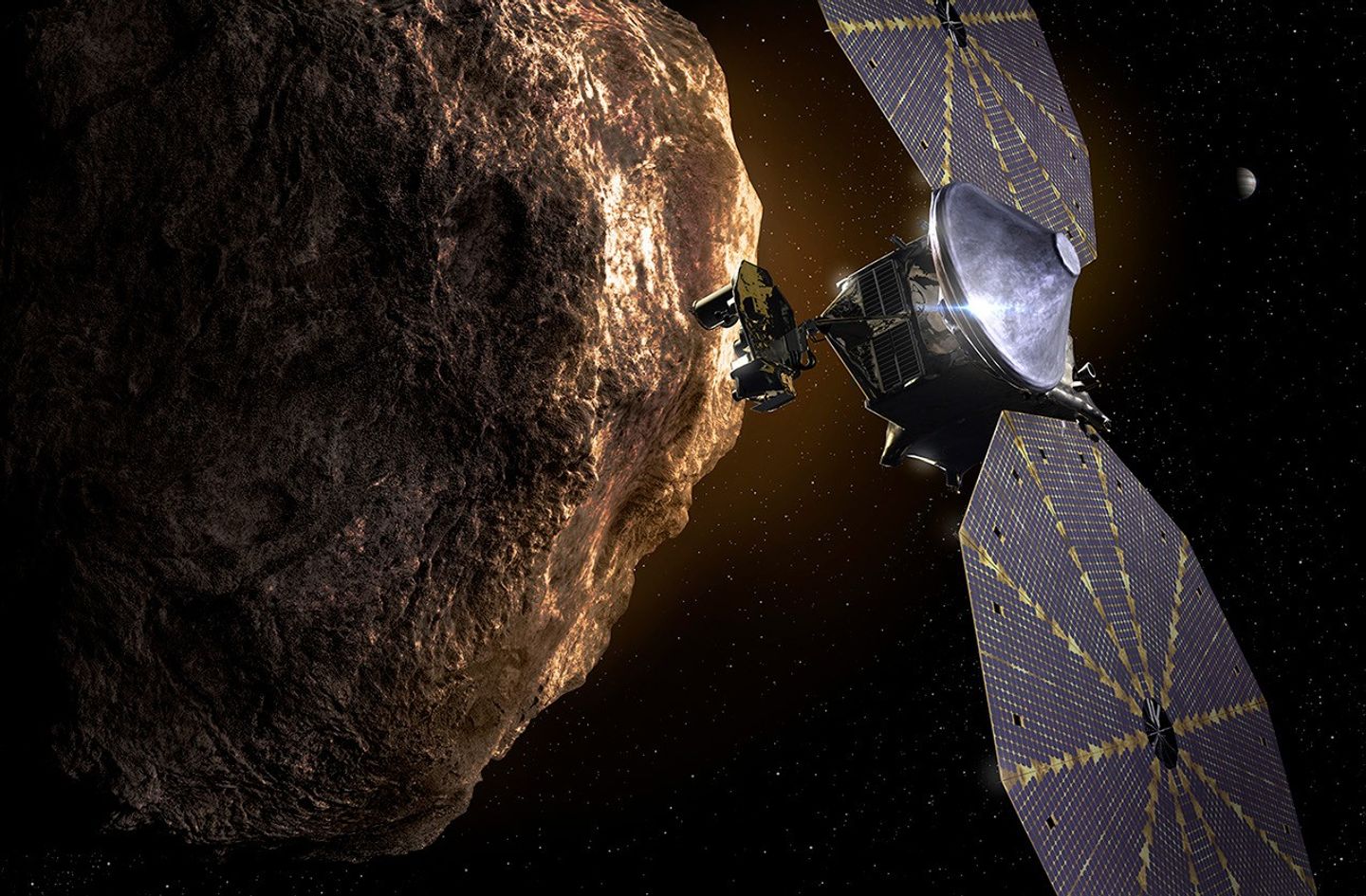
Europa Clipper launched Oct. 14, 2024, to conduct a detailed investigation of Jupiter's moon Europa.
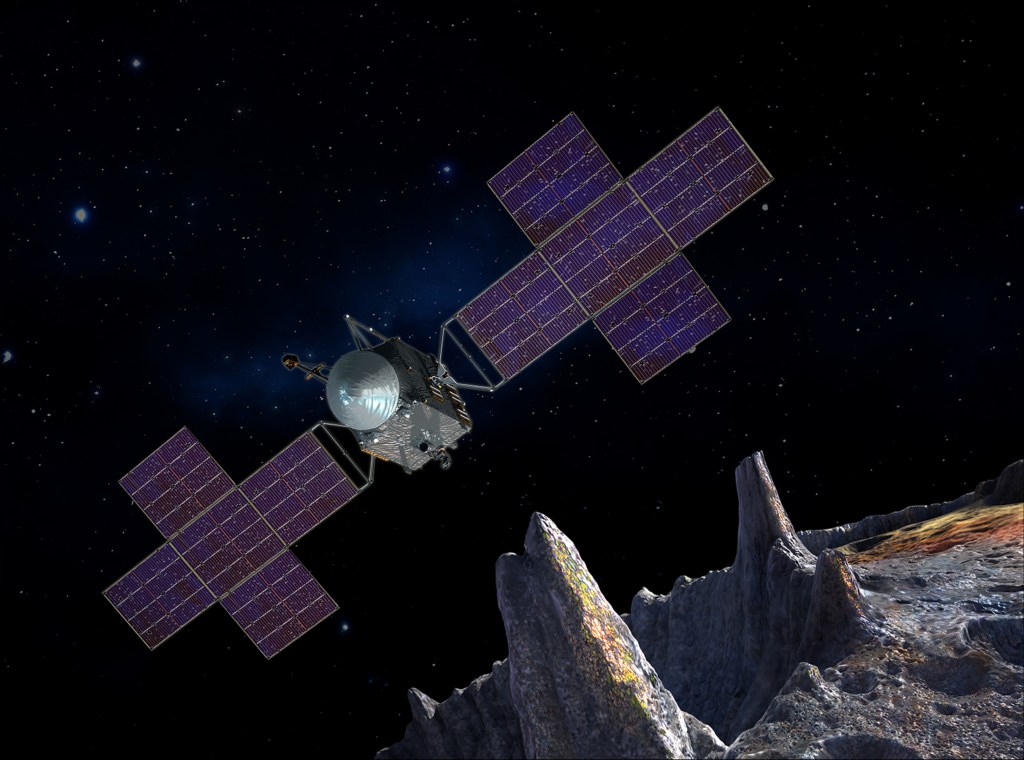
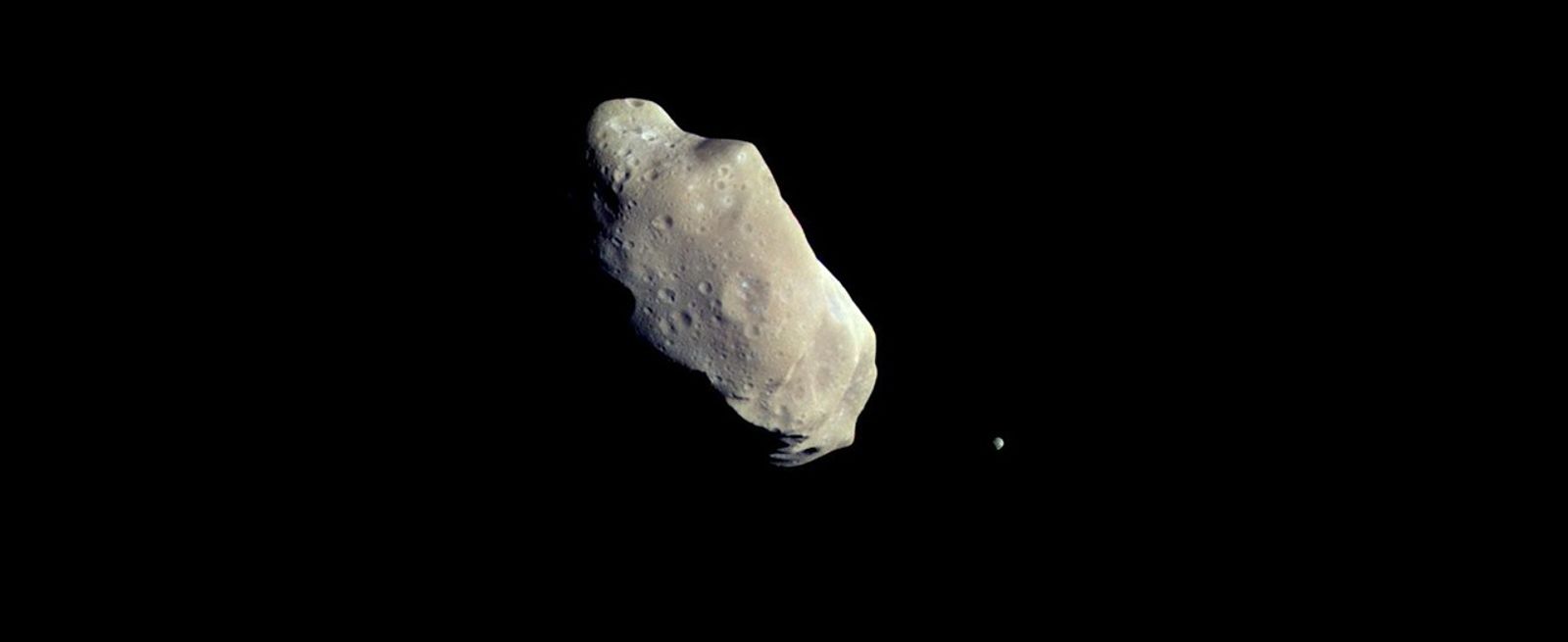
NEO Surveyor
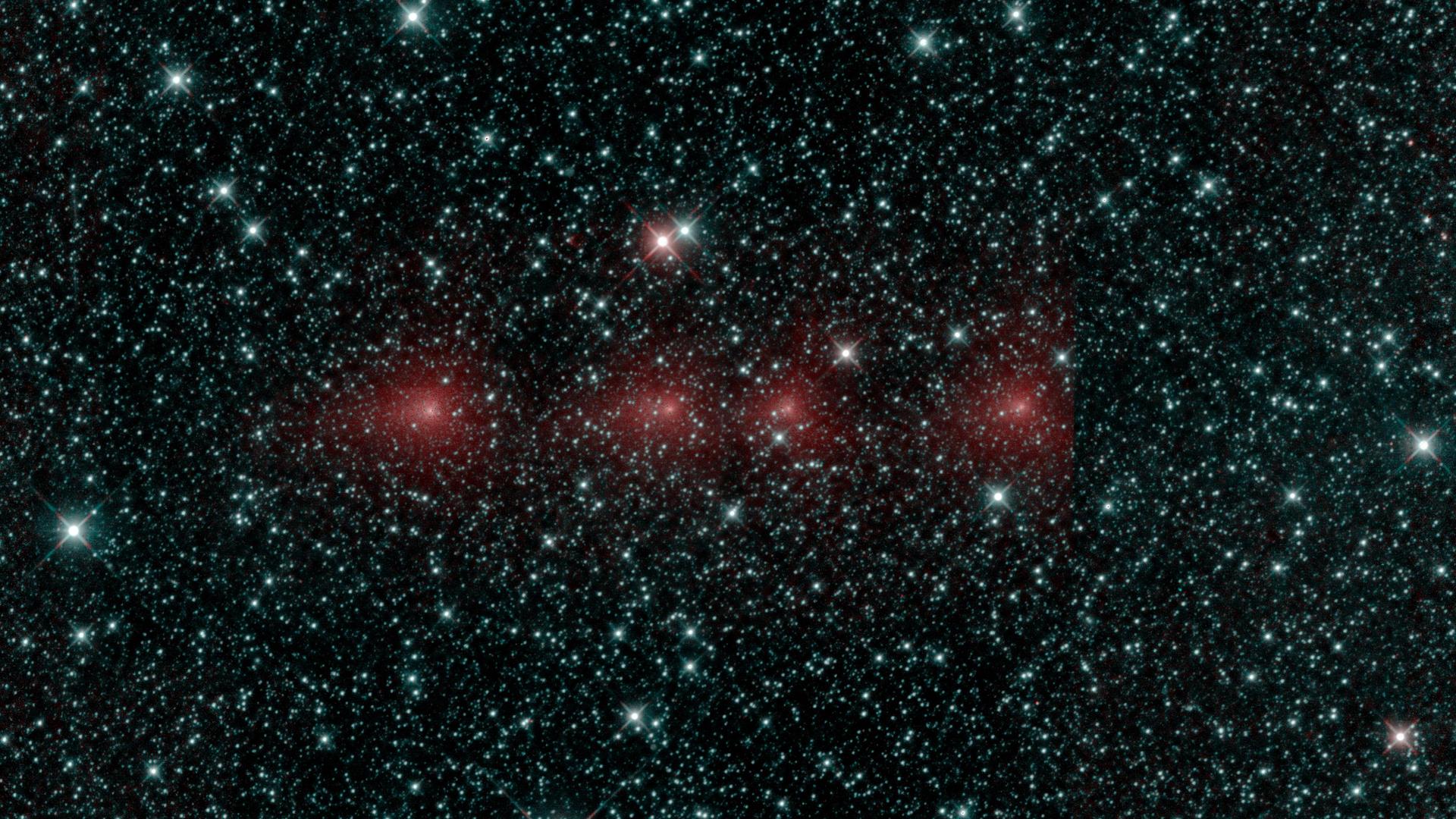
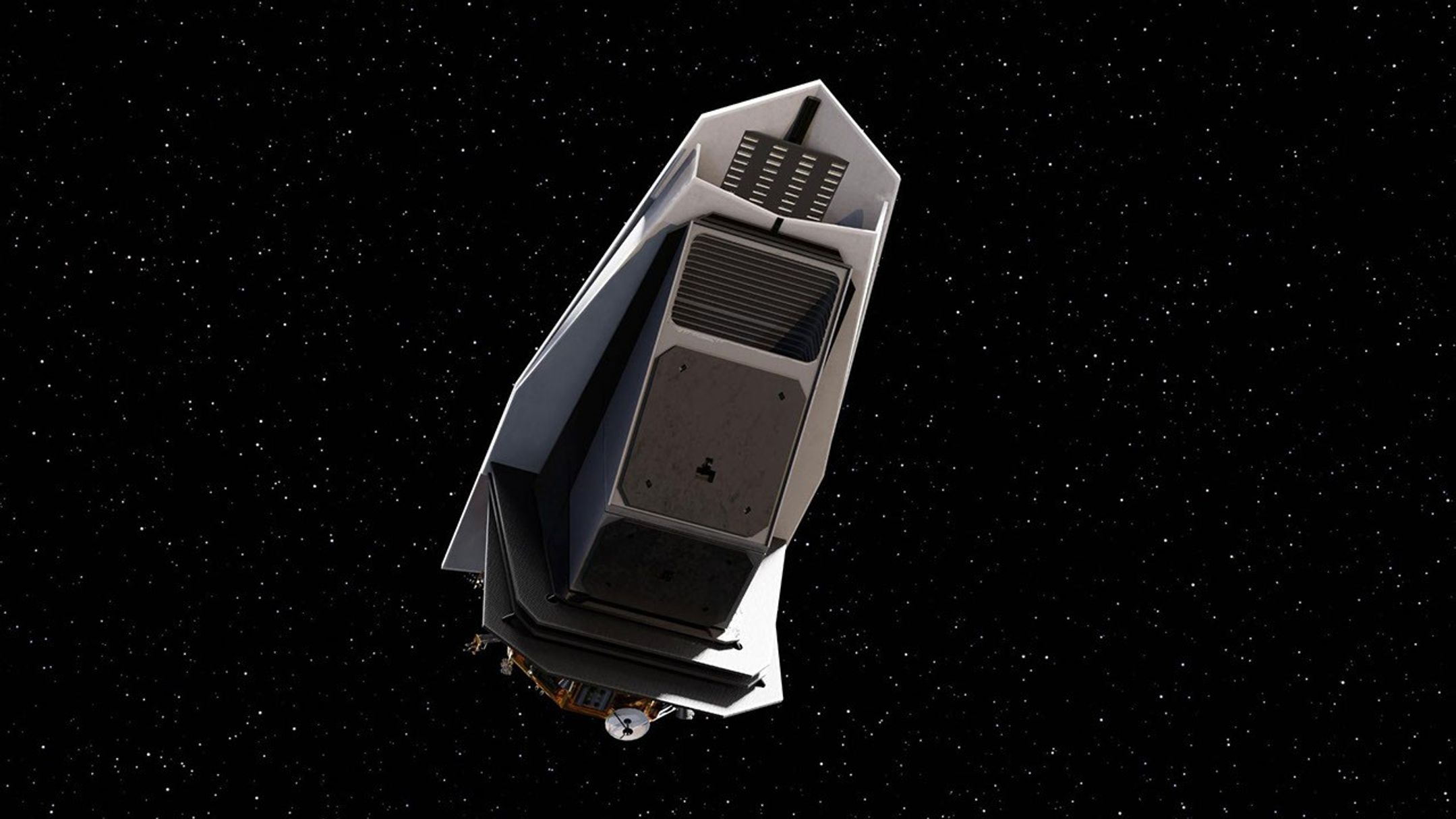
NEO Surveyor will hunt asteroids and comets that are potential hazards to Earth.
Featured Stories
Resources
Explore our collections of resources, including activities that can be done at home, as well as videos, animations, handouts, and online interactives.