



























Solar System Exploration Stories
Filters
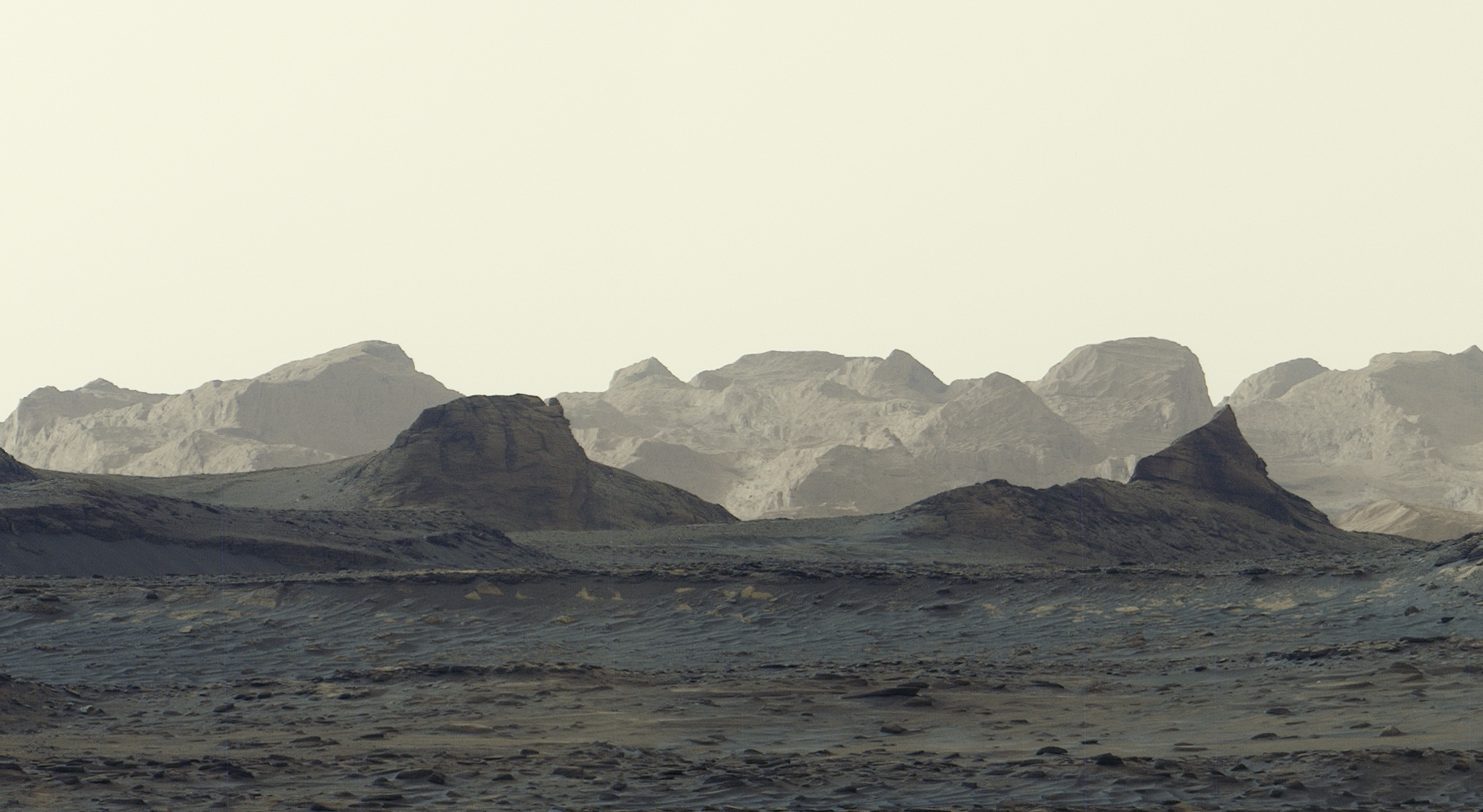
A newly released panorama captured by NASA’s Curiosity rover offers the most detailed view yet of distant, wind-carved Martian cliffs, highlighting features the mission’s scientists have long been waiting to see up close. The scene was snapped at 8:30 a.m.…
Join Us for Movie Night with NASA NASA’s mission is to pioneer the future in space exploration and scientific discovery. NASA+ documentaries allow you to come along for the ride. It’s free. It’s on demand. And no subscription is required.…
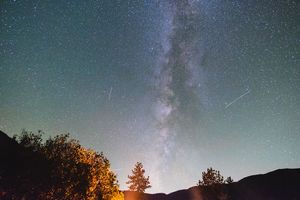
A Meteor Shower and the Moon Near the Pleiades See Saturn at opposition, catch the Orionid meteor shower, and watch the Moon pass close to the Pleiades, also known as the Seven Sisters. Skywatching Highlights Transcript Saturn takes center stage,…
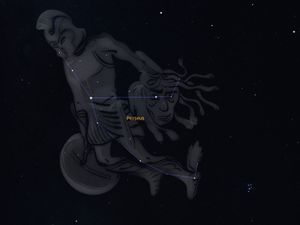
The Ghoul Located within the constellation Perseus lies a star called Algol, also known as ‘Demon Star’ or ‘The Ghoul’. You can spot this star during the autumn months, along with Cassiopeia and Andromeda in the northeastern sky, beginning after…

Depending on your locale, equinoxes can be seen as harbingers of longer nights and gloomy weather, or promising beacons of nicer temperatures and more sunlight. Observing and predicting equinoxes is one of the earliest skills in humanity’s astronomical toolkit. Many…
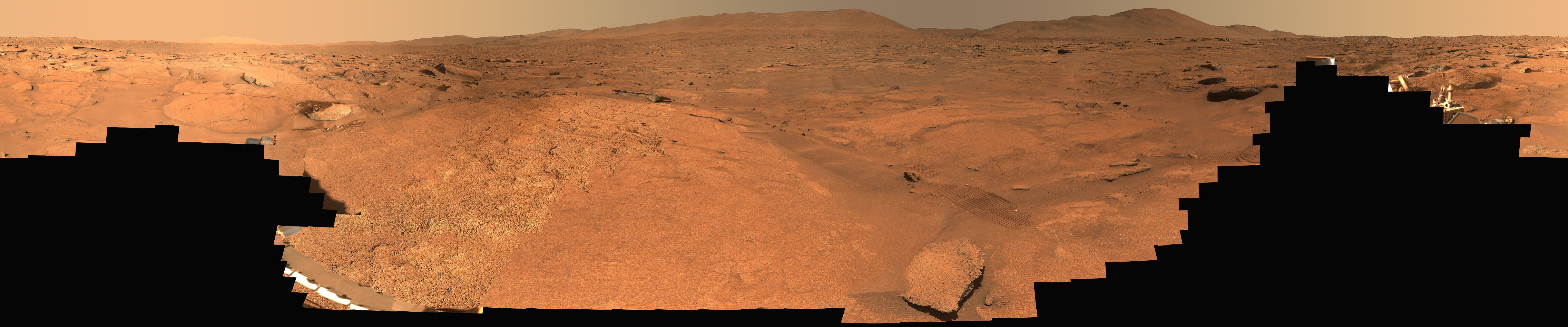
When NASA’s Perseverance rover reached the inner edge of Mars’ Jezero Crater in September 2023, mission scientists were surprised by what they found. Called the “Margin Unit,” the geologic area stretches along the shoreline of an ancient Martian lake, so…

It started as a routine data-quality check. But as Robert Wagner, a scientist with NASA’s Lunar Reconnaissance Orbiter (LRO), scanned a giant Moon map on his computer screen, an unusually large bright spot circled by a dark halo caught his…
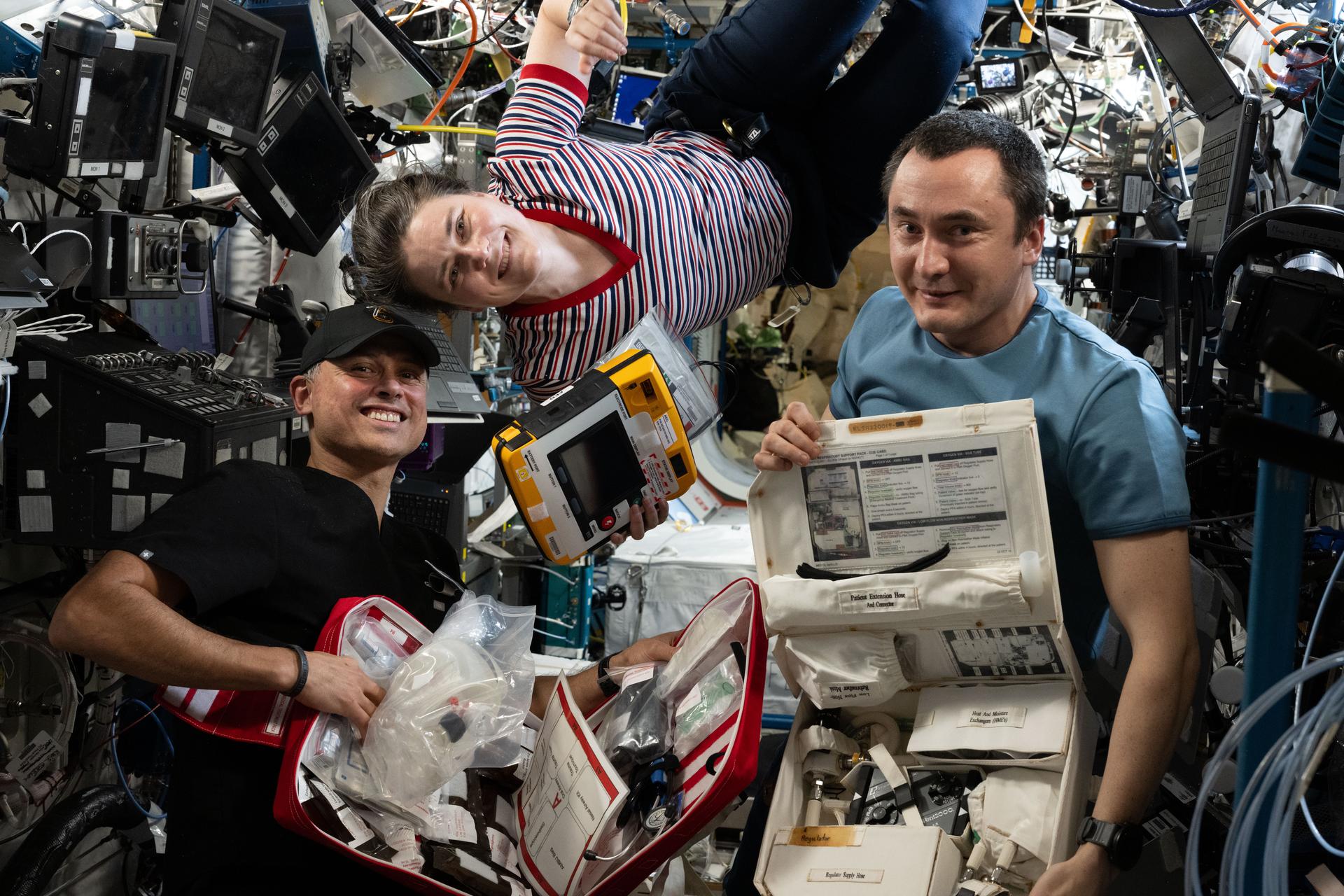
Planning crewed missions to the Moon and Mars involves preparing for the medical realities of long-duration space travel. Factors like cosmic radiation, microgravity, and distance from Earth create unique health considerations for astronauts. To anticipate these needs ahead of time,…
In April, the world watched as four humans circled the Moon for the first time in over 50 years with NASA’s Artemis II mission. On Saturday, Sept. 19, the public is invited to look up again with NASA events across…
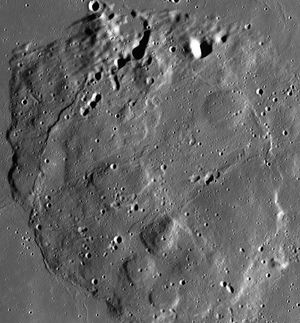
NASA is bringing artificial intelligence to the study of the Moon, helping researchers transform how they analyze the Moon’s surface. In an ongoing collaboration with IBM Research and several academic institutions, NASA has launched the NASA-IBM Lunar Foundation Model, among…