















Neptune Gallery
Catalog of images, videos, and animations of Neptune.
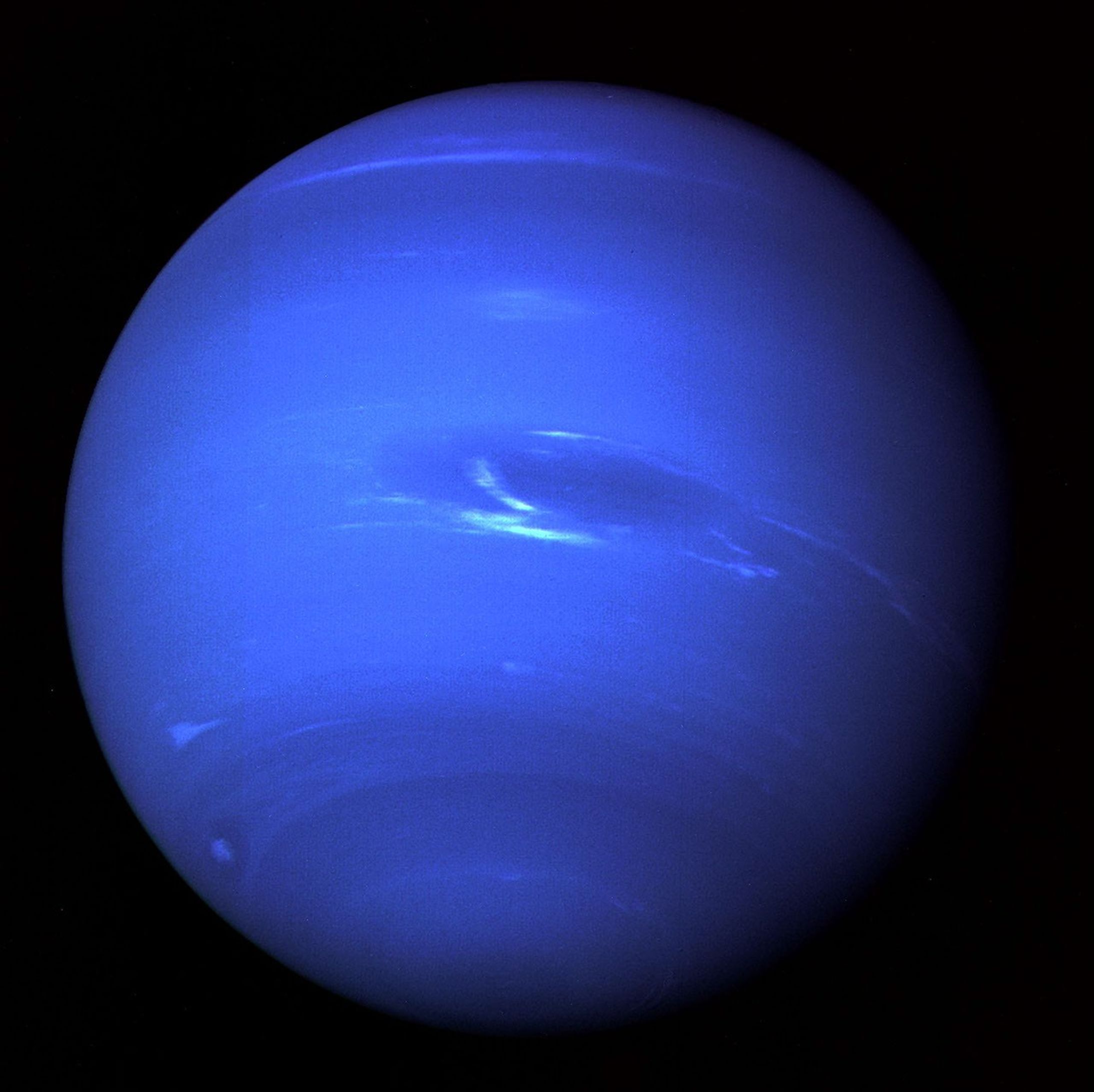
Latest Neptune Content
Stay up-to-date with the latest content about Neptune from Photojournal
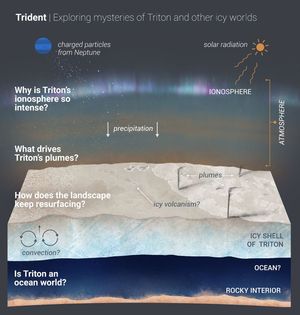
A new Discovery mission proposal, Trident would explore Neptune's largest moon, Triton, which is potentially an ocean world with liquid…

On Aug. 25, 1989, NASA's Voyager 2 made its historic flyby of Neptune and that planet's largest moon Triton. The…
NASA's Voyager 2 spacecraft flew by Triton, a moon of Neptune, on August 25, 1989. This frame from a video…
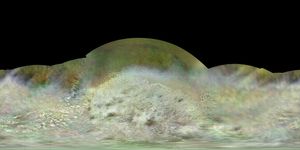
NASA's Voyager 2 spacecraft flew by Triton, a moon of Neptune, in the summer of 1989. Dr. Paul Schenk, a…
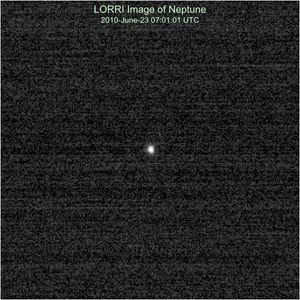
NASA's New Horizons Long Range Reconnaissance Imager (LORRI) observed Neptune on June 23, apl2010, as part of a test of…
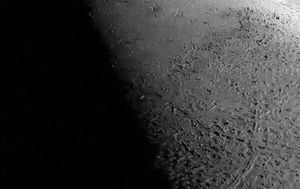
This simulated voyage over the surface of Neptune's large moon Triton was produced using topographic maps derived from images acquired…
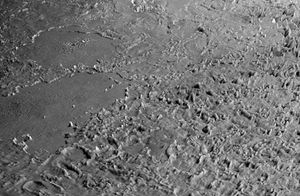
This view of the volcanic plains of Neptune's moon Triton was produced using topographic maps derived from images acquired by…
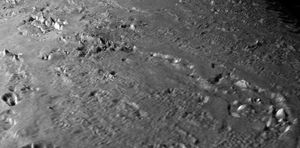
This view of the volcanic plains of Neptune's moon Triton was produced using topographic maps derived from images acquired by…
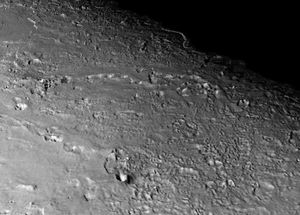
This view of the volcanic plains of Neptune's moon Triton was produced using topographic maps derived from images acquired by…
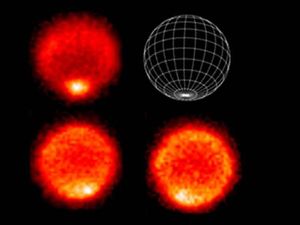
These thermal images show a 'hot' south pole on the planet Neptune. These warmer temperatures provide an avenue for methane…
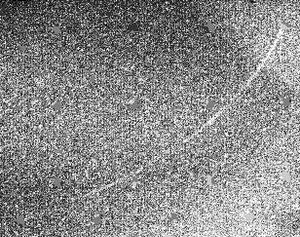
NASA's Voyager spacecraft was 8.6 million kilometers (5.3 million miles) from Neptune when it took this 61 second exposure through…
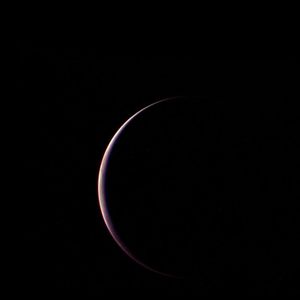
NASA's Voyager 2 obtained this parting shot of Triton, Neptune's largest satellite, shortly after closest approach to the moon and…
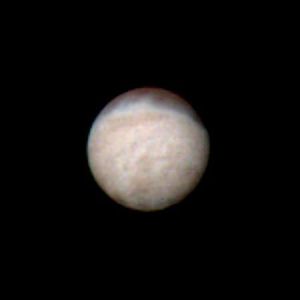
Features as small as 100 km (62 miles) across can be seen in this color image of Neptune's satellite Triton,…
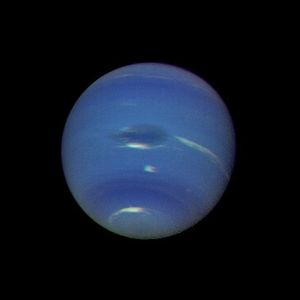
Neptune's blue-green atmosphere is shown in greater detail than ever before by NASA's Voyager 2 spacecraft as it rapidly approaches…
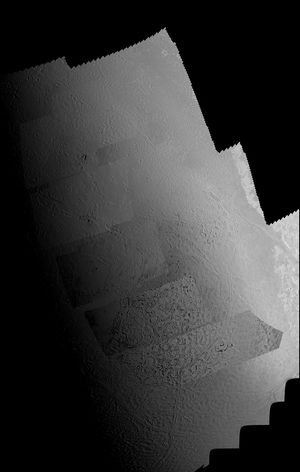
This picture of Triton is a mosaic of the highest resolution images taken by NASA's Voyager 2 on Aug. 25,…
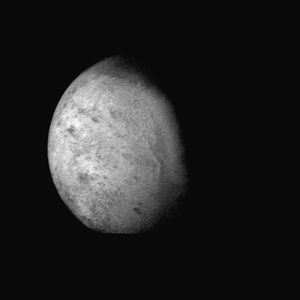
NASA's Voyager 2 was 530,000 kilometers (330,000 miles) from Neptune's largest satellite, Triton, when this photo was taken, Aug. 24,…
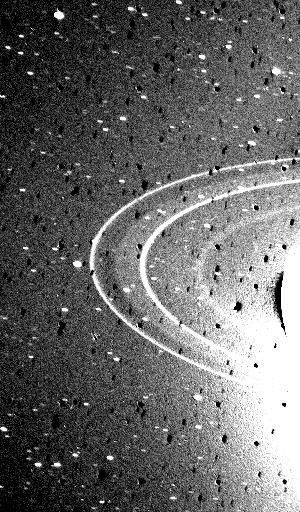
This 591-second exposure of the rings of Neptune were taken with the clear filter by NASA's Voyager 2 wide-angle camera.…
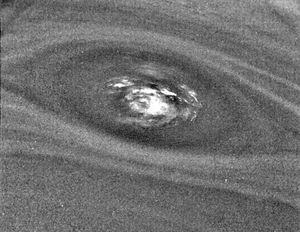
This bulls-eye view of Neptune's small dark spot (D2) was obtained by NASA's Voyager 2's narrow-angle camera. Banding surrounding the…
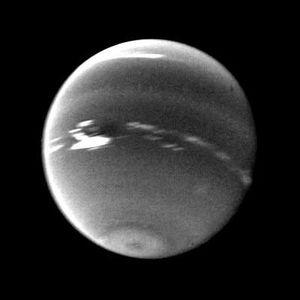
This photo was taken by NASA's Voyager 2's wide-angle camera. Light at methane wavelengths is mostly absorbed in the deeper…
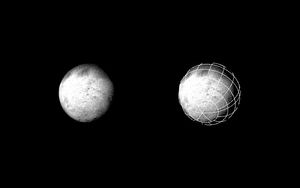
This photo of Triton is one of a continuing series of 'observatory phase' images obtained by NASA's Voyager spacecraft. Lines…
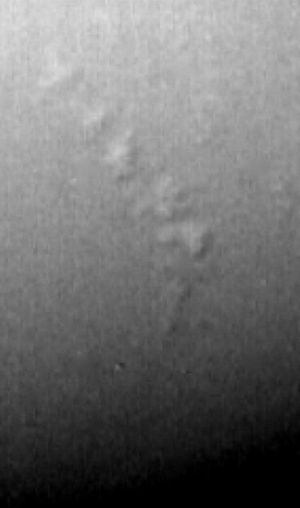
This image of Neptune shows the discovery of shadows in Neptune's atmosphere, shadows cast onto a deep cloud band by…
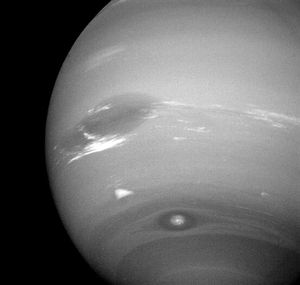
This photograph of Neptune shows three of the features that NASA's Voyager 2 has been photographing during recent weeks. At…
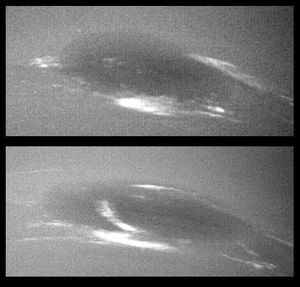
The bright cirrus-like clouds of Neptune change rapidly, often forming and dissipating over periods of several to tens of hours.…
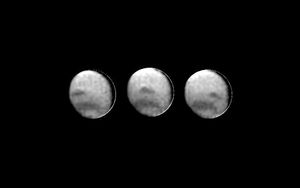
These three images of Neptune were acquired 90 minutes apart by NASA's Voyager 2 spacecraft on April 3, 1989, from…
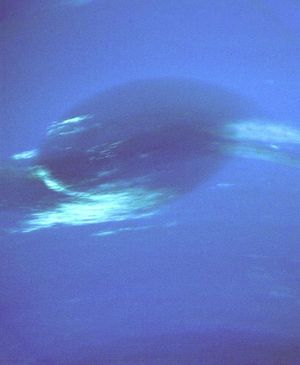
This photograph shows the last face on view of the Great Dark Spot that NASA's Voyager made with its narrow…
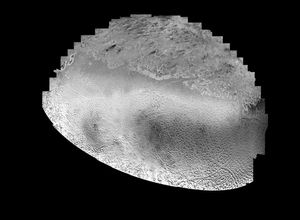
Mosaic of Triton constructed from 16 individual images. After globally minimizing the camera pointing errors, the frames we reprocessed by…
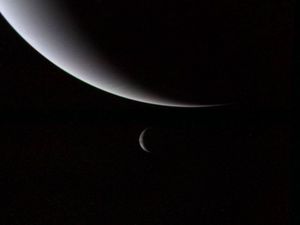
This dramatic view of the crescents of Neptune and Triton was acquired by Voyager 2 approximately 3 days, 6 and…
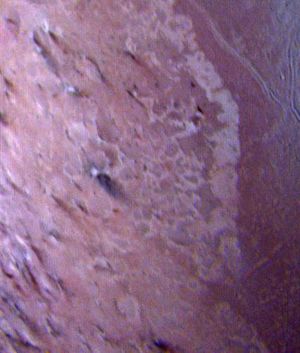
This false color image of Triton is a composite of images taken through the violet, green and ultraviolet filters. The…
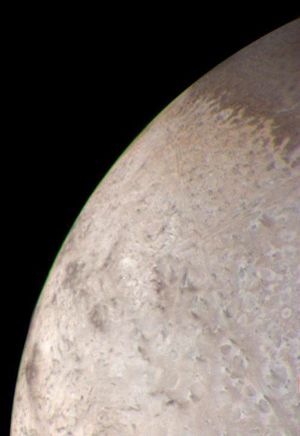
This natural color image of the limb of Triton was taken early in the morning of Aug. 25 1989, when…

This image, taken by NASA's Voyager 2 early in the morning of Aug. 23, 1989, is a false color image…
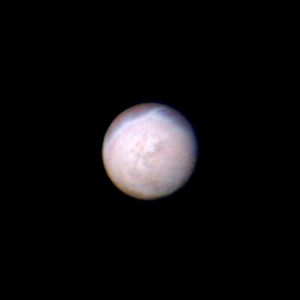
NASA's Voyager 2 obtained this color image of Neptune's largest satellite,Triton, on Aug. 22, 1989. The south pole of Triton…
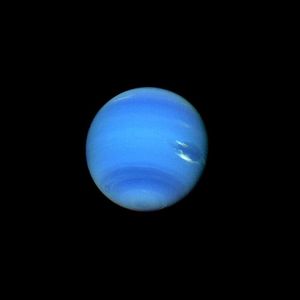
This contrast enhanced color picture of Neptune was acquired by NASA's Voyager 2 on Aug. 14, 1989. As Voyager 2…
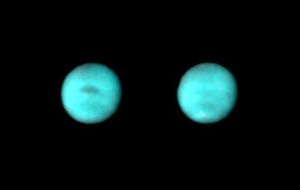
These pictures of Neptune were obtained by NASA's Voyager 2 on Apr. 26,1989. The picture on the right was taken…
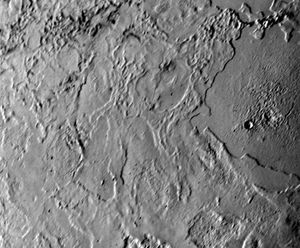
NASA's Voyager 2 took this picture of Neptune's largest satellite,Triton, from less than 80,000 km (50,000 miles). The image shows…
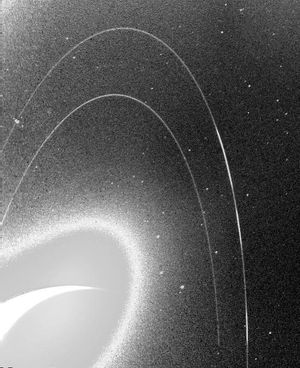
This wide-angle image from NASA's Voyager 2, taken in 1989, was taken through the camera's clear filter, and was the…
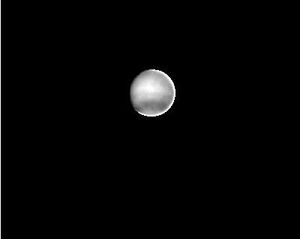
NASA's Voyager 2 obtained these images of satellite 1989N2 and revealed it to be and irregularly shaped, dark object. The…
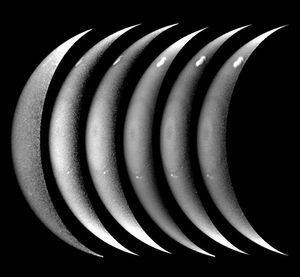
This mosaic from NASA's Galileo Probe is of an equatorial 'hotspot' on Jupiter and shows the features of a hazy…
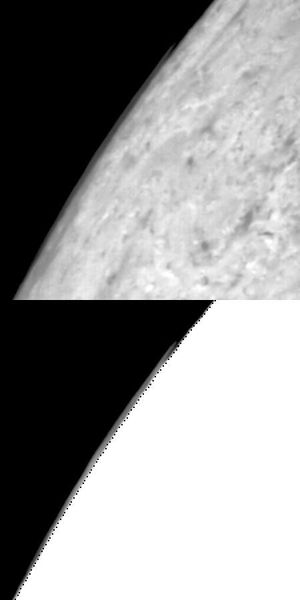
This mosaic from NASA's Galileo Probe is of an equatorial 'hotspot' on Jupiter and shows the features of a hazy…
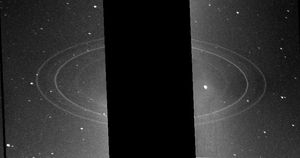
This mosaic from NASA's Galileo Probe is of an equatorial 'hotspot' on Jupiter and shows the features of a hazy…
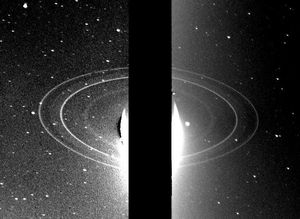
These two 591-second exposures of the rings of Neptune were taken with the clear filter by the NASA's Voyager 2…
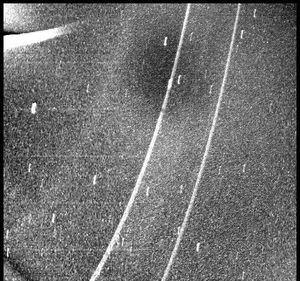
This image of Neptune's south polar region was obtained by NASA's Voyager on Aug. 23, 1989. The image shows the…
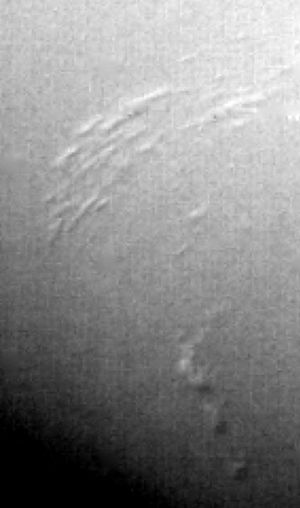
This image of Neptune's south polar region was obtained by NASA's Voyager on Aug. 23, 1989. The smallest cloud features…
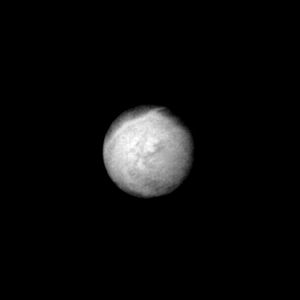
Intriguing patterns of unknown origin appeared on the surface of Neptune's largest satellite, Triton, in this image returned by NASA's…
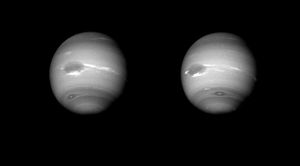
These two images of Neptune were taken by NASA's Voyager 2's narrow angle camera when the spacecraft was about 12…
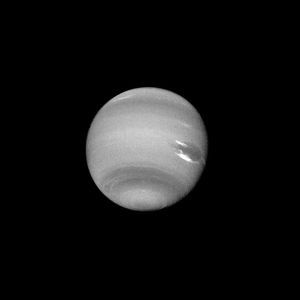
This clear filter image was acquired by NASA's Voyager 2 on Aug. 14, 1989. The image shows a dark feature…
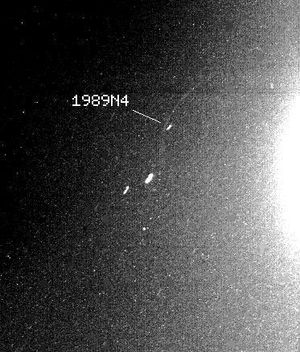
This mosaic from NASA's Galileo Probe is of an equatorial 'hotspot' on Jupiter and shows the features of a hazy…
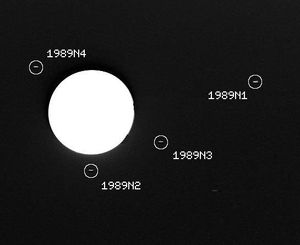
This image captured by NASA's Voyager 2 spacecraft on July 30, 1989, was used to confirm the discovery of three…
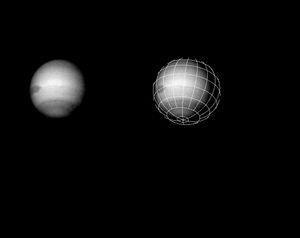
On July 23, 1989, NASA's Voyager 2 spacecraft took this picture of Neptune through a clear filter on its narrow-angle…
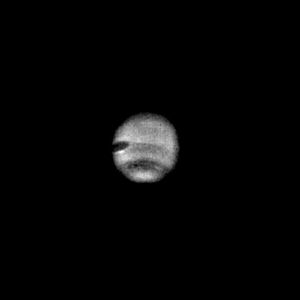
This image of Neptune was taken through the clear filter of the narrow-angle camera on July 16, 1989 by NASA's…
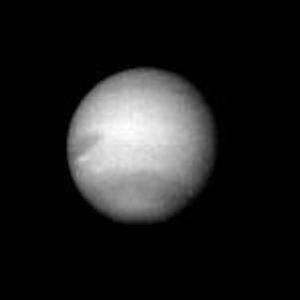
The large, dark oval spot in Neptune's atmosphere is just coming into view in this picture returned from NASA's Voyager…
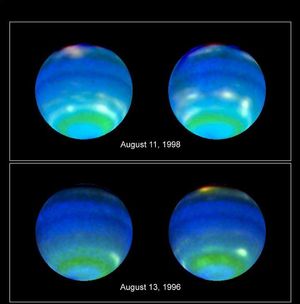
Using powerful ground-and space-based NASA telescopes, scientists have obtained a moving look at some of the wildest, weirdest weather in…
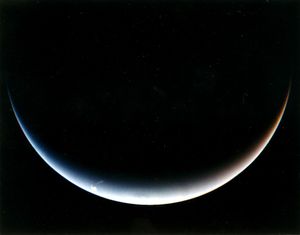
NASA's Voyager 2's post-encounter view of Neptune's south pole as the spacecraft sped away on a southward trajectory.
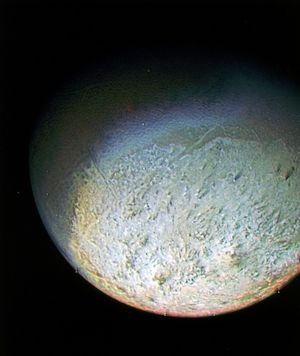
This color photo of Neptune's large satellite Triton was obtained on Aug. 24 1989. In reality, there is no part…
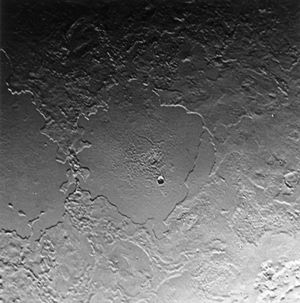
Part of the complex geologic history of icy Triton, Neptune's largest satellite, is shown in this NASA Voyager 2 photo.…
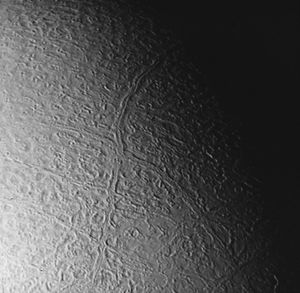
This image of Triton was taken on Aug. 25 1989 by NASA's Voyager 2. The image was received at JPL…
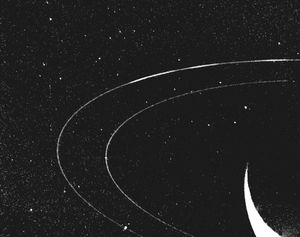
In Neptune's outermost ring, 39,000 miles out, material mysteriously clumps into three arcs. Voyager 2 acquired this image as it…
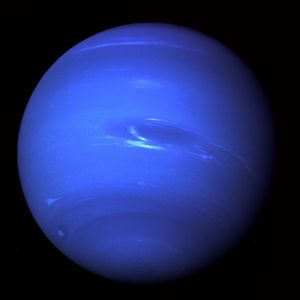
The image of Neptune shows the Great Dark Spot and its companion bright smudge; on the west limb the fast…
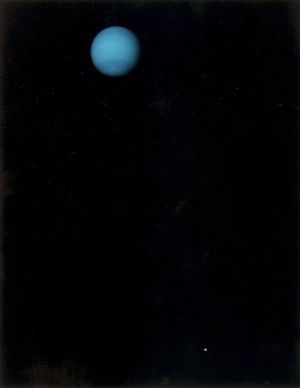
This image was returned by NASA's Voyager 2 spacecraft on July 3, 1989. The planet and its largest satellite, Triton,…
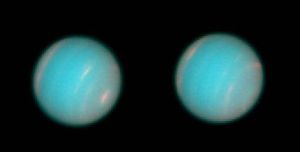
This image was returned by NASA's Voyager 2 spacecraft on July 3, 1989. The planet and its largest satellite, Triton,…
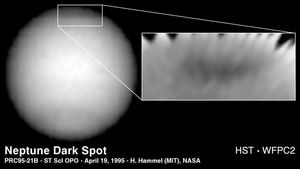
In 1995, NASA's Hubble Space Telescope discovered a new great dark spot, located in the northern hemisphere of the planet…
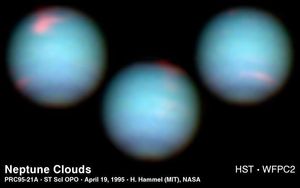
These NASA Hubble Space Telescope views of the blue-green planet Neptune provide three snapshots of changing weather conditions. The images…
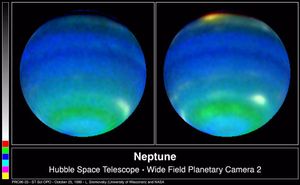
These two NASA Hubble Space Telescope images provide views of weather on opposite hemispheres of Neptune. Taken Aug. 13, 1996;…
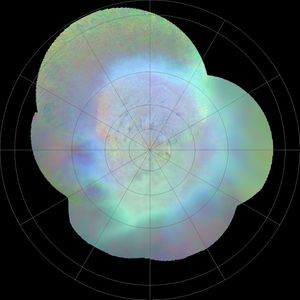
This polar projection from NASA's Voyager 2 of Triton's southern hemisphere provides a view of the southern polar cap and…
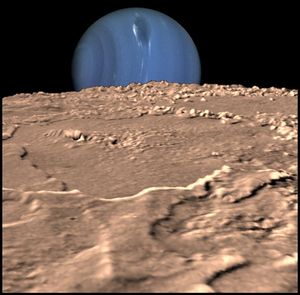
This composite view from NASA's Voyager 2 shows Neptune on Triton's horizon. The foreground in this computer generated view of…
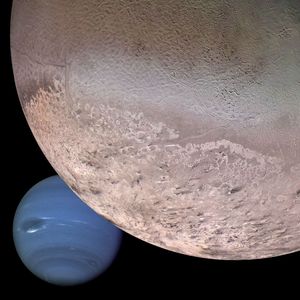
This computer generated montage created from images obtained by NASA's Voyager 2 shows Neptune as it would appear from a…
This color image from NASA's Voyager 2 was reconstructed by making a computer composite of three black and white images…

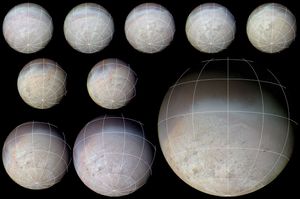
This global color mosaic of Triton, taken in 1989 by NASA's Voyager 2 shows Triton, the largest satellite of Neptune.…
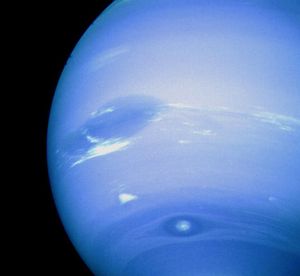
This photograph of Neptune was reconstructed from two images taken by NASA's Voyager 2. At the north (top) is the…
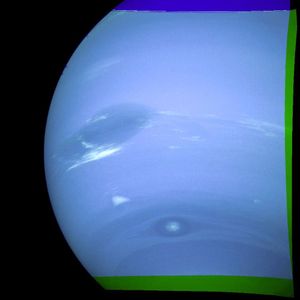
This photograph of Neptune was reconstructed from two images taken by NASA's Voyager 2. At the north (top) is the…
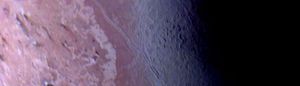
This image of the south polar terrain of Triton, taken NASA's Voyager 2 on Aug. 25, 1989 reveals about 50…
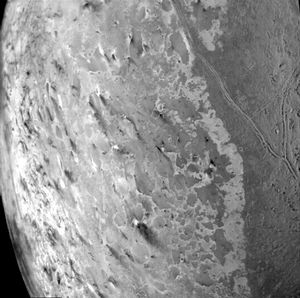
This image from NASA's Voyager 2 of the south polar terrain of Triton, was taken on Aug. 25, 1989 revealing…
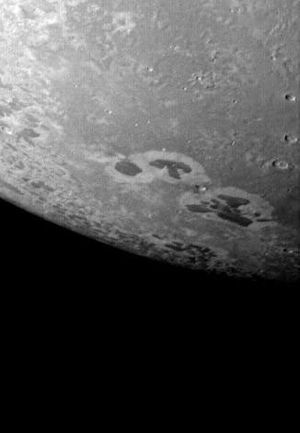
NASA's Voyager 2 acquired this black and white image of Triton, Neptune's largest satellite, during the night of Aug. 24-25,…
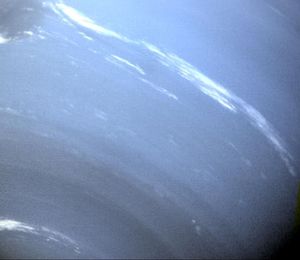
This image of the blue-hued Neptune was taken by NASA's Voyager 2; small trails of similar clouds trending east to…
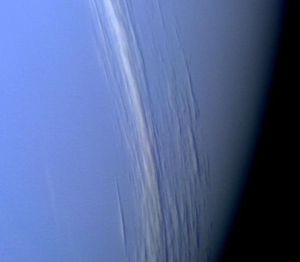
NASA's Voyager 2 captured this high resolution color image, taken 2 hours before closest approach, providing obvious evidence of vertical…
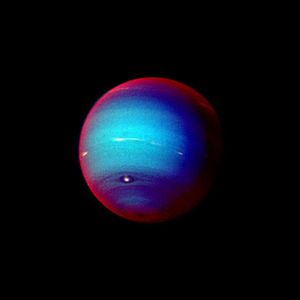
This false color photograph of Neptune was made from Voyager 2 images taken through three filters: blue, green, and a…
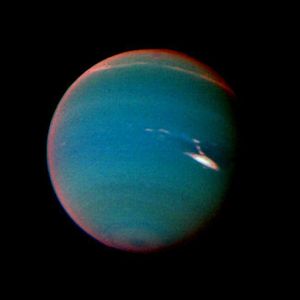
In this false color image of Neptune, objects that are deep in the atmosphere are blue, while those at higher…
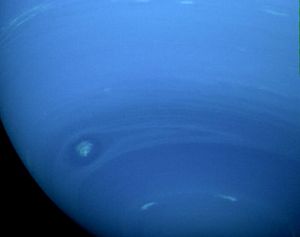
This photograph of Neptune's southern hemisphere was taken by the narrow-angle camera on NASA's Voyager 2 when the spacecraft was…
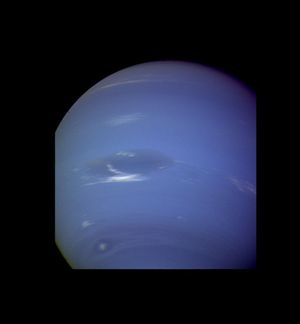
This image of clouds in Neptune's atmosphere is the first that tests the accuracy of the weather forecast that was…
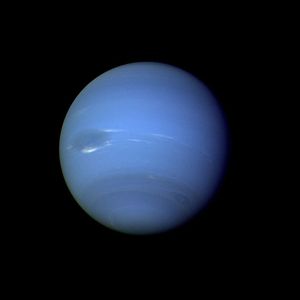
During August 16 and 17, 1989, the Voyager 2 narrow-angle camera was used to photograph Neptune almost continuously, recording approximately…
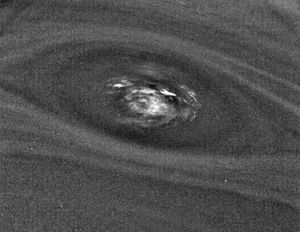
This bulls-eye view of Neptune's small dark spot (D2) was obtained by NASA' s Voyager 2's narrow-angle camera on Aug.…
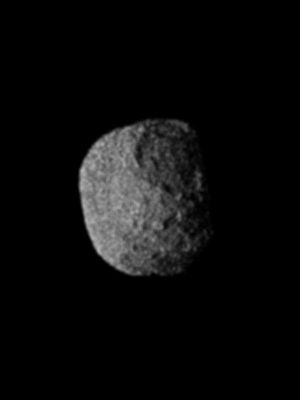
This image of Neptune's satellite 1989N1 was obtained by NASA's Voyager 2 on Aug. 25, 1989 from a range of…
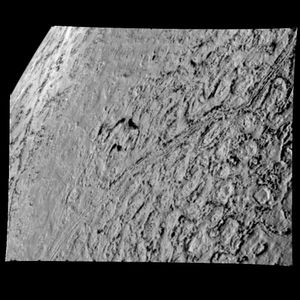
This is one of the most detailed views of the surface of Triton taken by NASA's Voyager 2 on its…
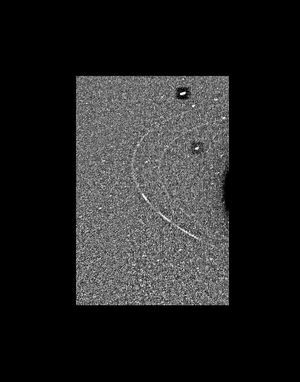
In this image from NASA's Voyager wide-angle image taken on Aug. 23 1989, the two main rings of Neptune can…
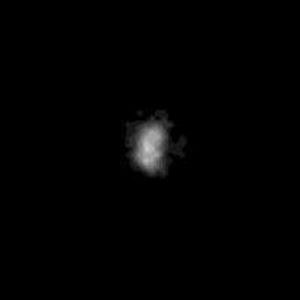
Nereid, the last satellite of Neptune to be discovered before NASA's Voyager's discoveries in 1989, was first seen by Gerard…
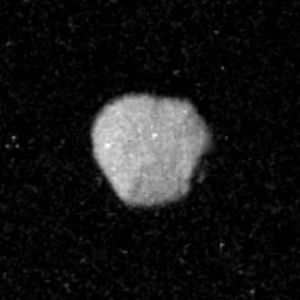
NASA's Voyager 2 took this image of Neptune's irregularly-shaped satellite 1989N1 from a range of 870,000 kilometers (540,000 miles).
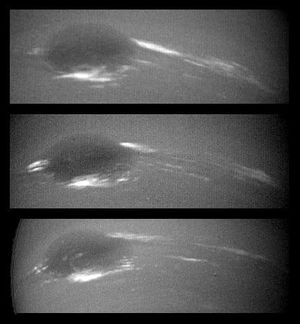
The bright cirrus-like clouds of Neptune change rapidly, often forming and dissipating over periods of several to tens of hours…
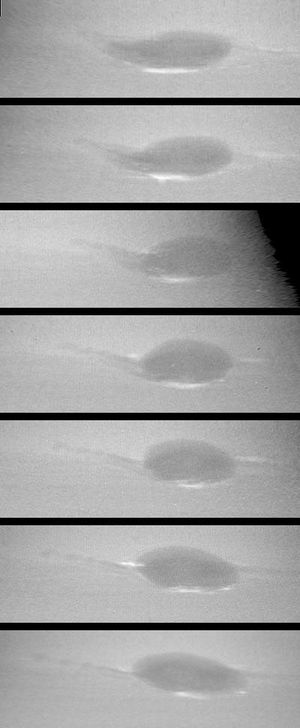
These images taken by NASA's Voyager 2 show changes in the clouds around Neptune's Great Dark Spot (GDS) over a…
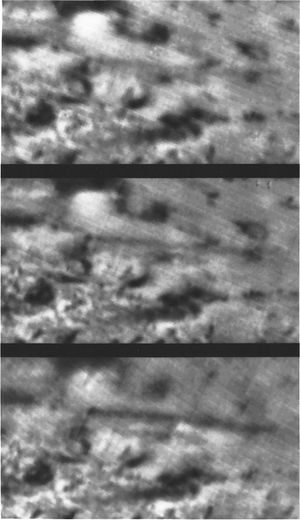
These three sequential images of an erupting volcano on Neptune's large moon Triton were taken by NASA's Voyager 2 as…
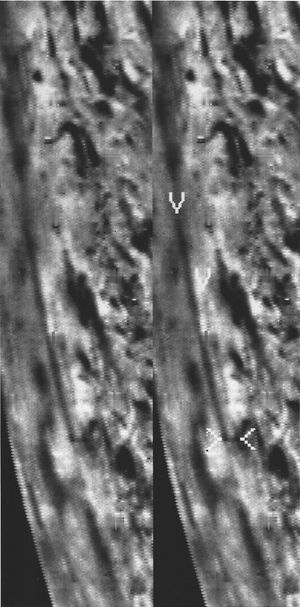
A several-kilometers-tall, geyser-like eruption of dark material is seen shooting almost straight up from the surface of Neptune's moon, Triton,…