















In their ongoing endeavor to understand our planet as a whole system, Earth scientists are increasingly using computer models to help them visualize the causes and effects of climate and environmental change. These models serve as predictive "tools" that allow scientists to ask "what if...," and have computers give them answers. An obvious question to ask nowadays is: What if humans continue to release greenhouse gases into the atmosphere at a rising rate? How will this affect global climate? How will the biosphere (life on Earth) respond to these changes?

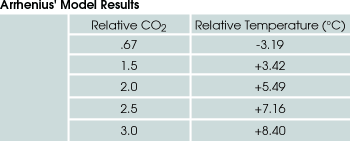
Actually, these questions were first asked more than 100 years ago by Swedish physicist Svante Arrhenius. In the latter part of the nineteenth century, Arrhenius observed humans burning coal and fossil fuels to feed our rapidly industrializing economies and wondered what effect the resulting carbon dioxide might have on regional and global temperatures. He then set out to construct by hand (there were no computers in Arrhenius' day) the first climate model of the Earth. Based on his calculations, in 1896, Arrhenius predicted that doubling the amount of carbon dioxide in the atmosphere would raise Earth's average temperature by about 5°C (Arrhenius 1896). But he estimated that it would take humans about 1,000 years to release that much carbon dioxide; and if we did, he and other scientists speculated that the effect would merely prolong the growing season at higher latitudes--a change that would benefit humans, and farmers in particular.
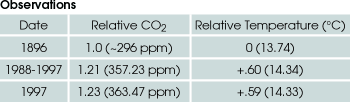
Global Surface Air Temperatures (GISTEMP) from the Goddard Institute for Space Studies
Carbon Dioxide data from the NOAA Climate Monitoring and Diagnostics Laboratory
Although his calculations were surprisingly accurate, Arrhenius greatly underestimated the rate at which humans would produce carbon dioxide. Over the last 100 years, carbon dioxide levels have already risen by 23 percent. Yet, scientists haven't seen a corresponding rise in temperature (average global temperatures have risen only about 0.5°C, smaller than Arrhenius’ expectation by a factor of 2 or 3). Why is this? Because there are many more variables that influence climate than Arrhenius' model took into consideration. (Many of these other variables are illustrated and explained throughout the Earth Observatory.)
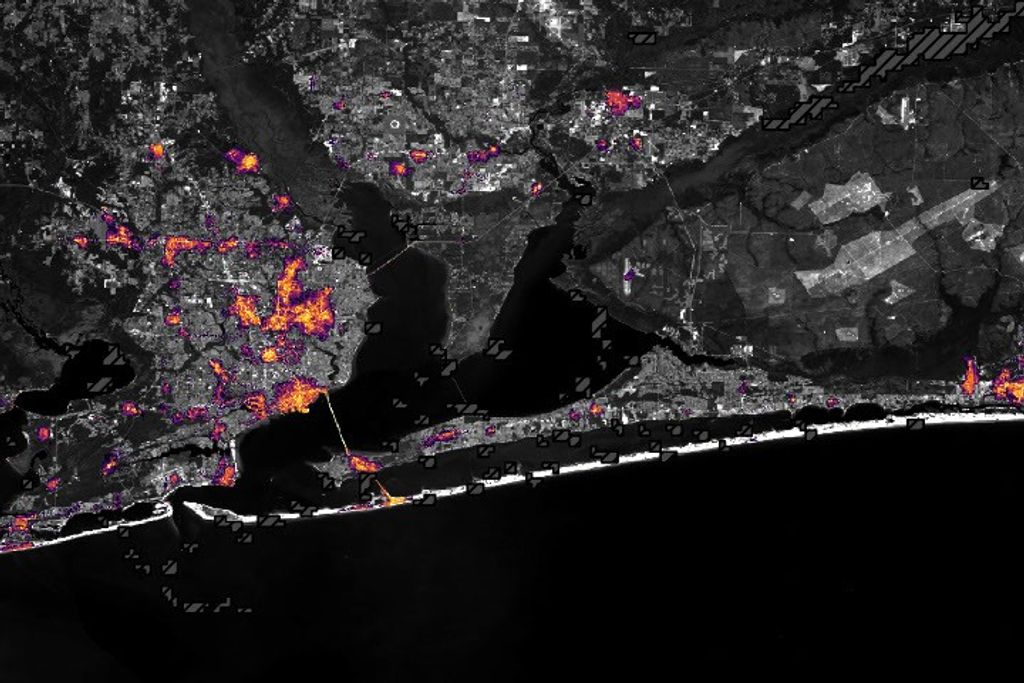
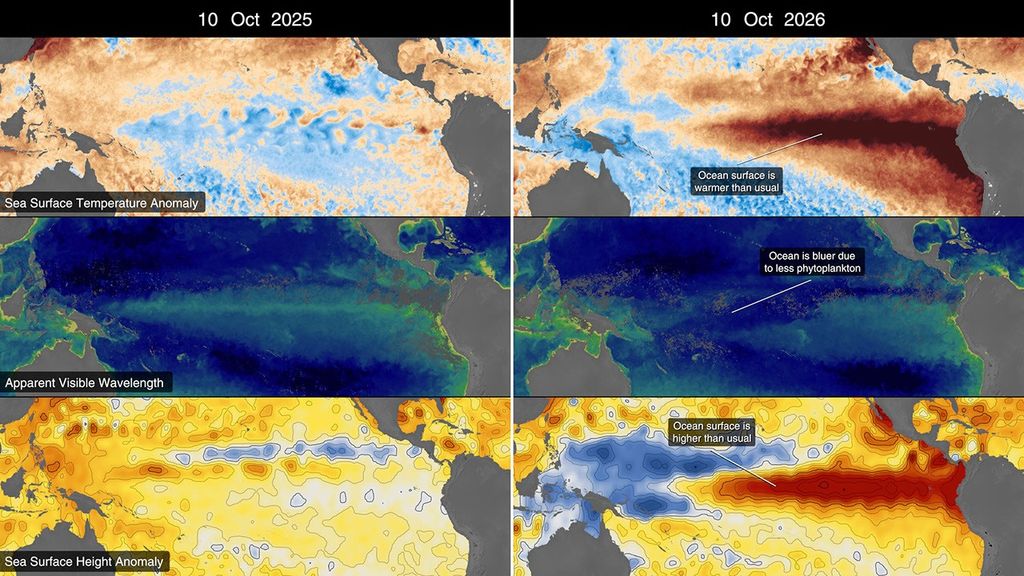
Earth scientists are continuing the modeling effort that Arrhenius began. The main differences today are: (1) scientists discovered many new things during the course of this century that give them a much deeper understanding of Earth's climate system, (2) scientists now have computers that enable them to perform more complex mathematical calculations in a fraction of the time it takes to do them by hand, and (3) over the last four decades, NASA and its partnering agencies launched increasingly sophisticated satellite sensors enabling them to collect more and better data every day on local, regional, and global scales. Data from ground-based measurements and satellite sensors are fed into the new models, enabling scientists to visualize the current condition of the Earth's climate system, as well as to predict where and how it will change in the future. The accuracy of these models continues to improve over time.