




















Backyard Worlds: Binaries
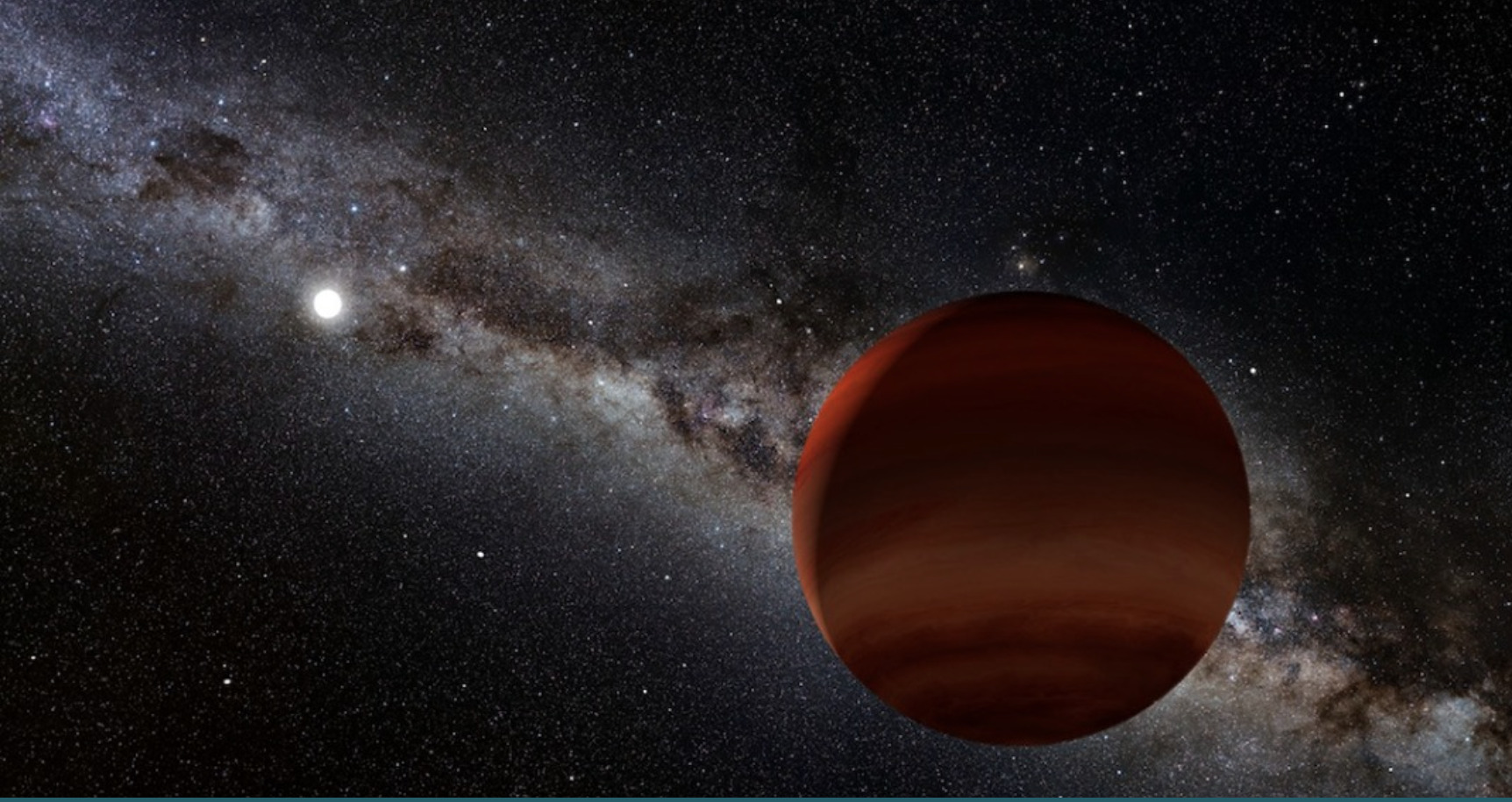
Most stars in our Milky Way galaxy exist in groups, including pairs or “binaries,” in which two stars orbit each other. Some binaries are stars paired with brown dwarfs, balls of gas more massive than planets without enough mass to sustain nuclear fusion. Finding brown dwarfs in pairs helps scientists deduce their ages and origin stories! Backyard Worlds: Binaries invites you to search images made by NASA’s Wide-field Infrared Survey Explorer (WISE) space telescope to find these vital brown dwarfs in binary systems. Your discoveries will teach us about brown dwarf formation and identify objects that resemble giant planets like Jupiter.
project task
Examining Images
division
Astrophysics
where
Online
launched
2026
What you’ll do
- Learn how to recognize binary systems and brown dwarfs in images made by NASA’s WISE space telescope.
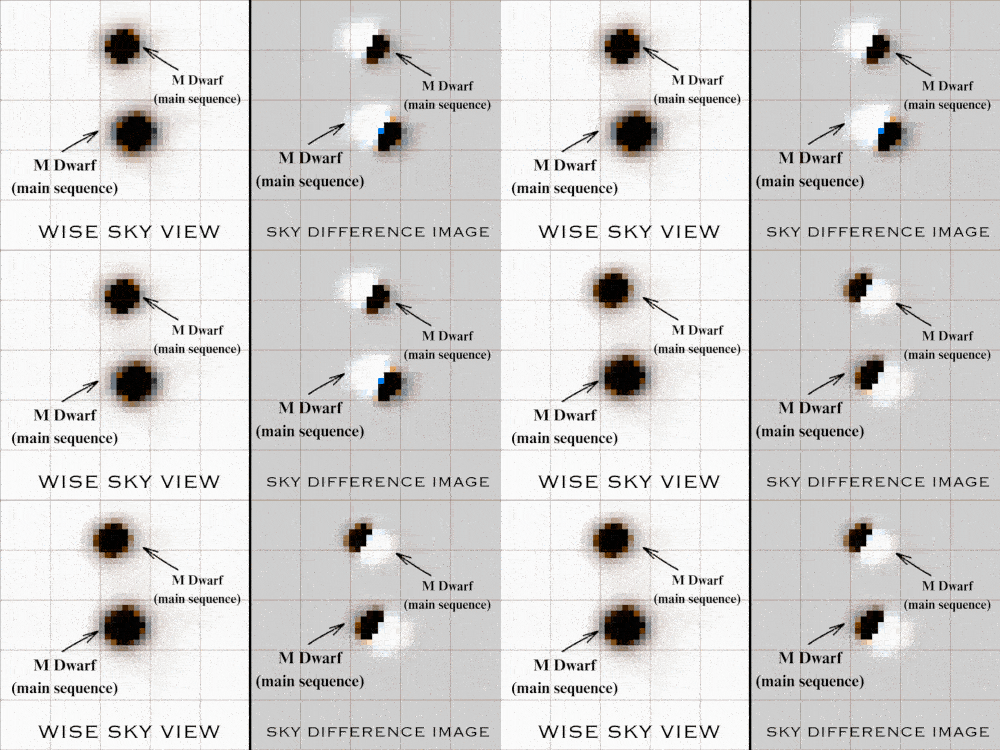
- Click buttons to indicate whether or not they contain binaries. If you see a binary, click a button to indicate whether or not it includes a brown dwarf. Review as many image sets as you like,
- If you want to, you can discuss what you have found with other volunteers and scientists in the Talk forum.
Requirements
- Time: 5-15 minutes to complete the tutorial
- Equipment: Web-connected device.
- Knowledge: None. In project tutorial provides all instruction needed.
Get started!
- Visit the project website.
- Complete the in-project tutorial to learn how to spot binary systems in short animations of WISE data.
- Start identifying candidate binary systems containing a brown dwarf, using a Field Guide reference as necessary.
Learn More
The Backyard Worlds: Binaries Research page gives an overview of the research being pursued and its value towards expanding what we know about how star and planetary systems form. Links throughout this page take the reader to additional sources of information. The Frequently Asked Questions (FAQs) page has additional information relevant to the work of the project.
You might also like to try Backyard Worlds: Cool Neighbors and Backyard Worlds: Planet 9!
Get to know the people of Backyard Worlds: Binaries!




Austin Rothermich
Graduate Student
City University of New York and American Museum of Natural History



J. Davy Kirkpatrick
Astronomer, Infrared Processing and Analysis Center (IPAC) at the California Institute of Technology

Dan Caseldon
Citizen scientist and Research Associate, American Museum of Natural History