


















APOD
Astronomy Picture of the Day
Discover the cosmos! Each day a different image or photograph of our fascinating universe is featured, along with a brief explanation written by a professional astronomer.


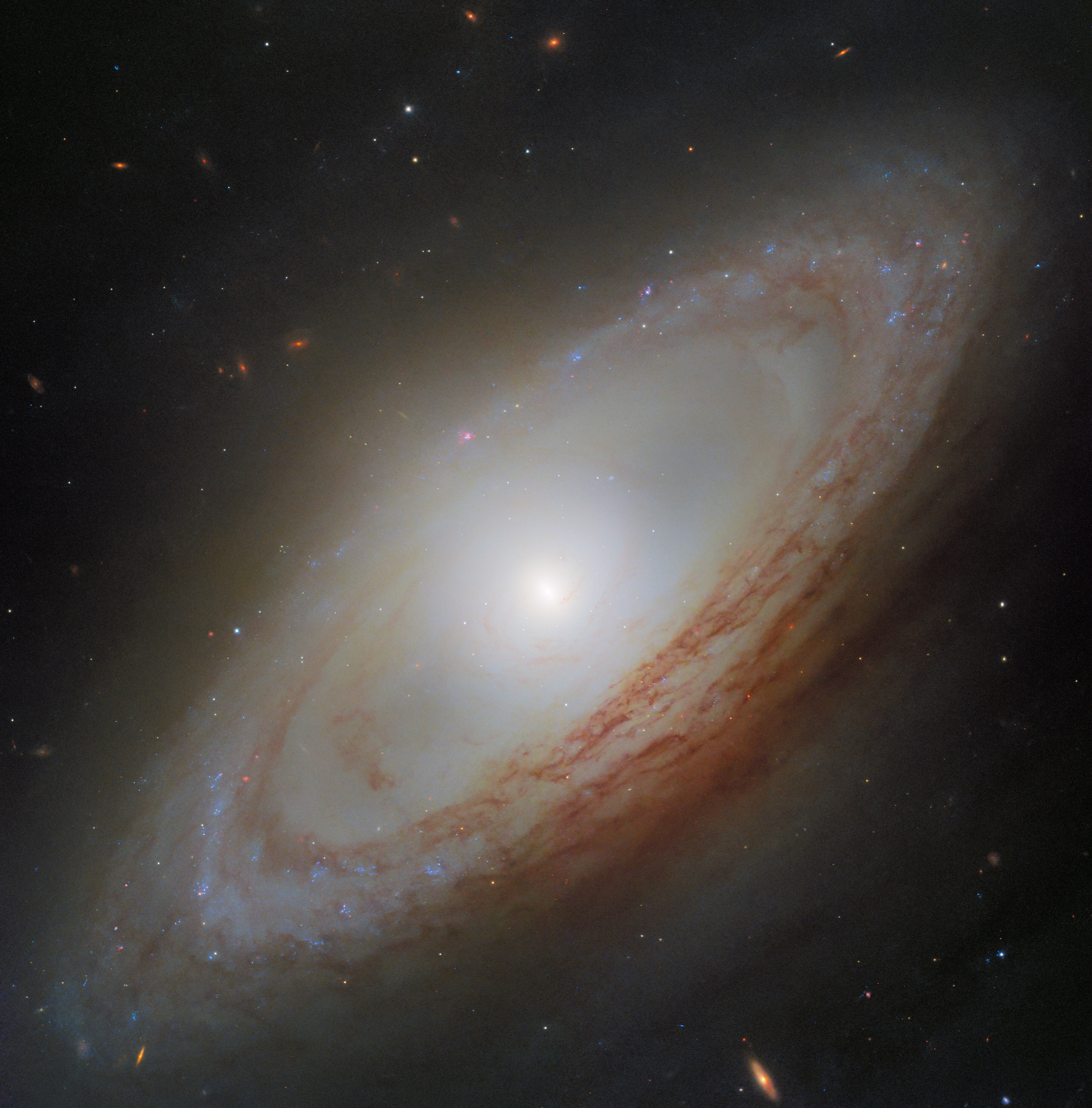
The Shells and Jets of Galaxy Centaurus A
Explanation: What's the closest active galaxy to planet Earth? That would be Centaurus A , cataloged as NGC 5128, which is only 12 million light-year s distant. Forged in a collision of two otherwise normal galaxies, Centaurus A shows several distinctive features including a dark dust lane across its center, outer shells of stars and gas, and jets of particles shooting out from a supermassive black hole at its center. The featured image captures all of these in a composite series of visible light images totaling over 310 hours captured over the past 10 years with a homebuilt telescope operating in Auckland , New Zealand . The brightness of Cen A's center from low-energy radio waves to high-energy gamma rays underlies its designation as an active galaxy .
Astrophysicists: Browse 3,500+ codes in the Astrophysics Source Code Library
| Date | December 11, 2024 |
|---|---|
| Credit | Image Credit: Rolf Olsen |
| Authors & editors: | Robert Nemiroff (MTU) & Jerry Bonnell (UMCP) |
| A service of: |
ASD at NASA / GSFC, NASA Science Activation & Michigan Tech. U. |