
























APOD
Astronomy Picture of the Day
Discover the cosmos! Each day a different image or photograph of our fascinating universe is featured, along with a brief explanation written by a professional astronomer.

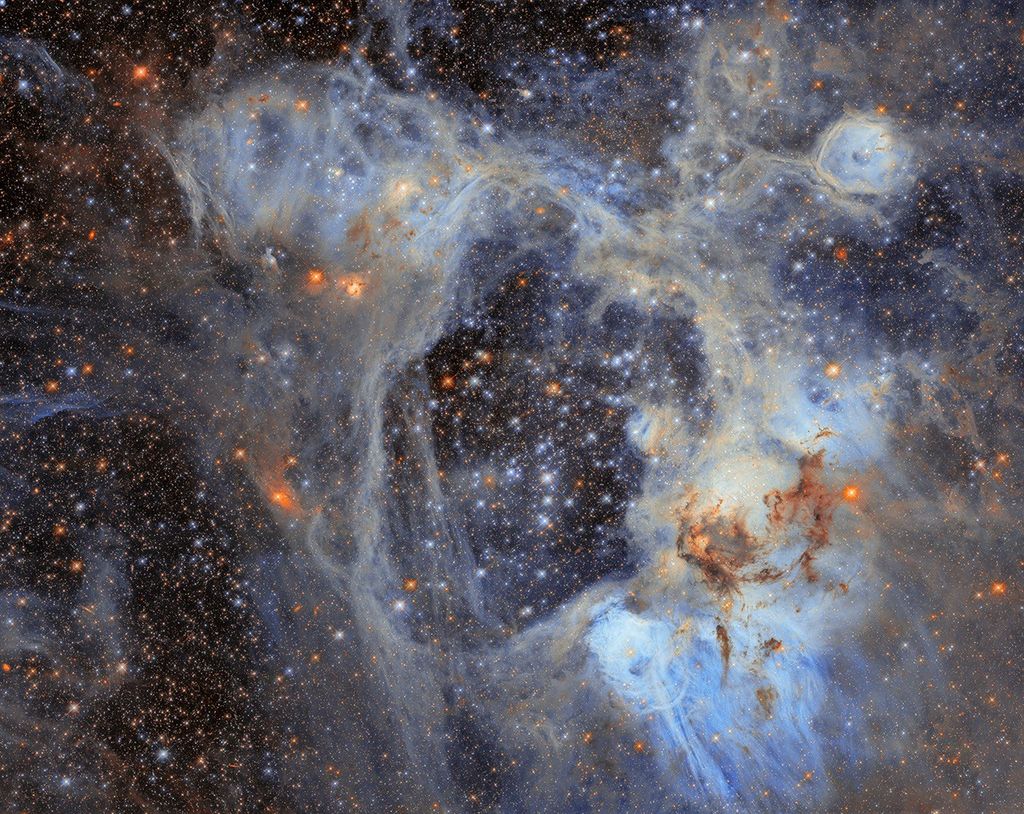
M31: The Andromeda Galaxy
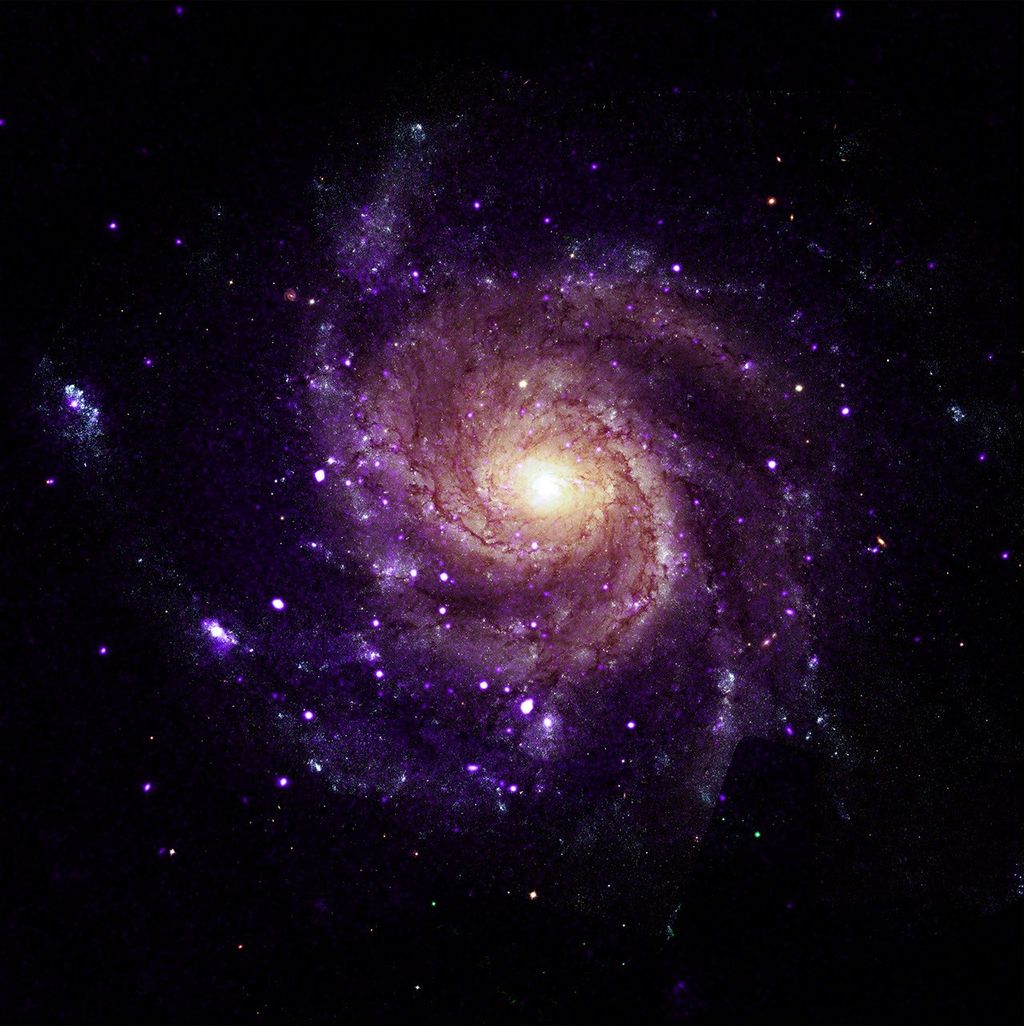
Explanation: The most distant object easily visible to the unaided eye is M31 , the great Andromeda Galaxy . Even at some two and a half million light-year s distant, this immense spiral galaxy -- spanning over 200,000 light years -- is visible, although as a faint, nebulous cloud in the constellation Andromeda . In contrast, a bright yellow nucleus, dark winding dust lanes , and expansive spiral arms dotted with blue star cluster s and red nebulae , are recorded in this stunning telescopic image which combines data from orbiting Hubble with ground-based images from Subaru and Mayall . In only about 5 billion years, the Andromeda galaxy may be even easier to see -- as it will likely span the entire night sky -- just before it merges with our Milky Way Galaxy .
| Date | January 19, 2022 |
|---|---|
| Credit |
Image Credit: Subaru ( NAOJ ), Hubble ( NASA / <a ESA ), Mayall ( NSF ); Processing & Copyright: R. Gendler & R. Croman |
| Authors & editors: | Robert Nemiroff (MTU) & Jerry Bonnell (UMCP) |
| A service of: |
ASD at NASA / GSFC, NASA Science Activation & Michigan Tech. U. |