

















NASA’s Terra Mission to End
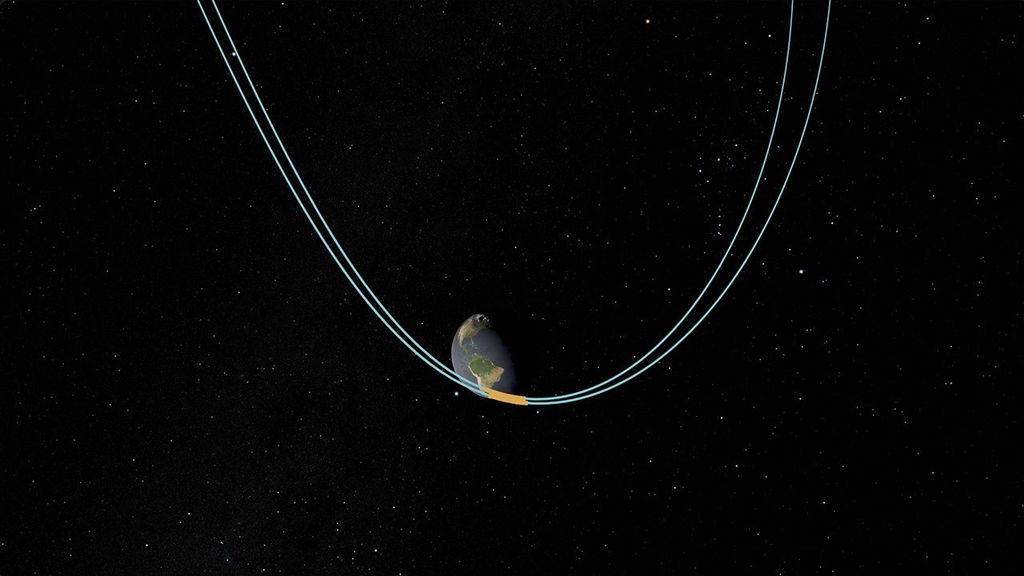
After 27 years of providing insights into Earth’s interconnected atmosphere, lands, oceans, and biology, NASA’s Terra satellite will stop collecting science data on Dec. 1. Terra, a workhorse of the Earth Observing System, was designed for a six-year mission. After operating for more than four times that, the spacecraft’s systems are aging and its orbit is drifting.
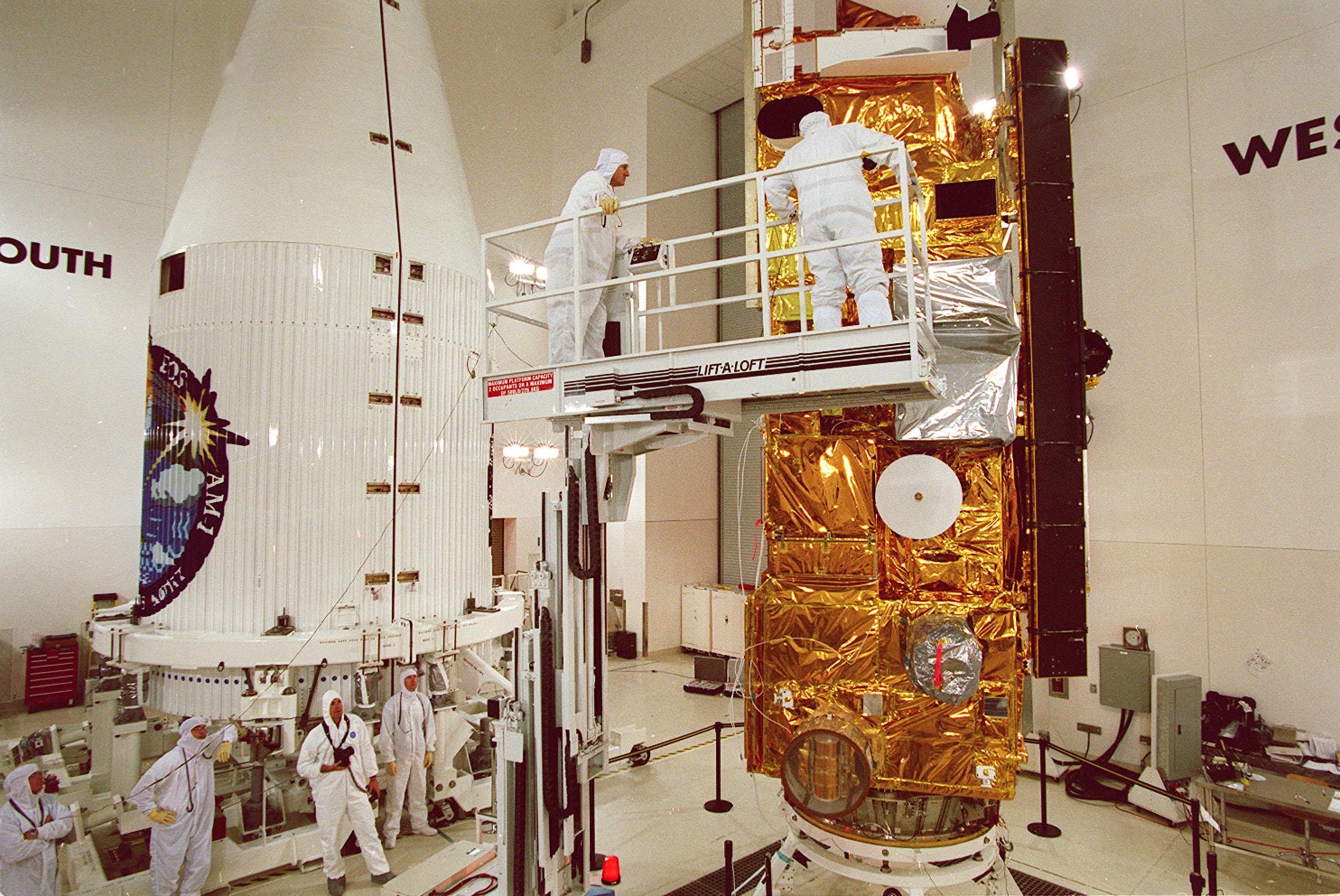
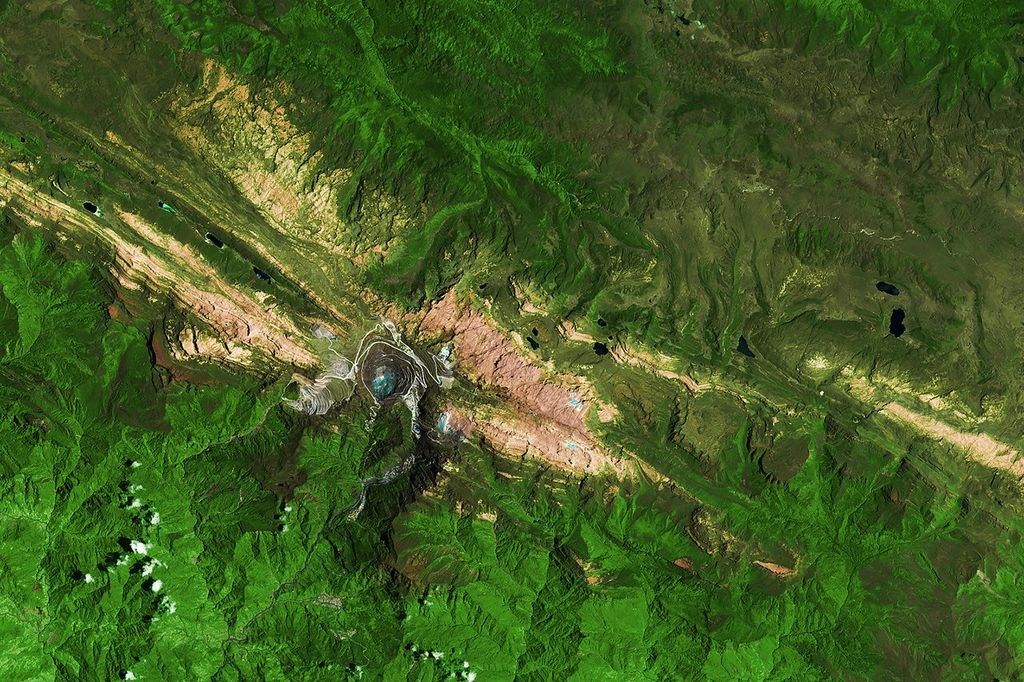
Over the last quarter century, Terra has provided a detailed record of land use changes, wildfire behavior, dust and smoke transport, atmospheric composition, and ice cover. Data from Terra has informed decisions on public safety, agriculture, and water resources, as well as a diverse set of commercial, societal and humanitarian applications.
Terra carries five instruments: the Advanced Spaceborne Thermal Emission and Reflection Radiometer (ASTER); the Clouds and the Earth’s Radiant Energy System (CERES); the Multi-angle Imaging SpectroRadiometer (MISR); the Measurement of Pollution in the Troposphere (MOPITT); and the Moderate Resolution Imaging Spectroradiometer (MODIS). The MOPITT instrument, as well as parts of CERES and ASTER, had previously been shut off to conserve power.
The Terra team will carry out the decommissioning process, which includes using the spacecraft’s remaining fuel to lower the orbit before powering off all spacecraft systems in January 2027. Data records from Terra will continue to be free and available to the public.
