





















Mars Science Objectives
Science themes, goals, and objectives of NASA's Mars Exploration Program.
Mars Exploration Science
As we develop a more robust understanding of the Martian environment, the science activities of NASA's Mars Exploration Program (MEP) are adapting to meet the challenges and ambitions of exploring a demonstrably habitable planet.
While the core science themes of the MEP remain unchanged, agency planning for future human exploration of Mars puts increased focus on issues of planetary protection and preparation for human arrival. These issues are cross-cutting across many of the science objectives derived from the following science themes:
- Life and Habitability
- Ice, Weather, and Climate
- Geology
The MEP has synthesized and reframed a wide range of Mars science input into a streamlined set of program science goals and objectives, drawing on community, agency, and other relevant documents. The result highlights areas of high value to scientific discovery at Mars, and how they meaningfully contribute to future human exploration, and/or address critical planetary protection considerations.
Below, we expand upon each of the three science themes and map high-level science goals and objectives to each. Where relevant, we offer rationale for the selection of each objective from the complementary, but occasionally overlapping, perspectives of science, planetary protection, and preparation for human exploration. While not every objective is directly relevant to the latter two, no priority is assigned to any objective.
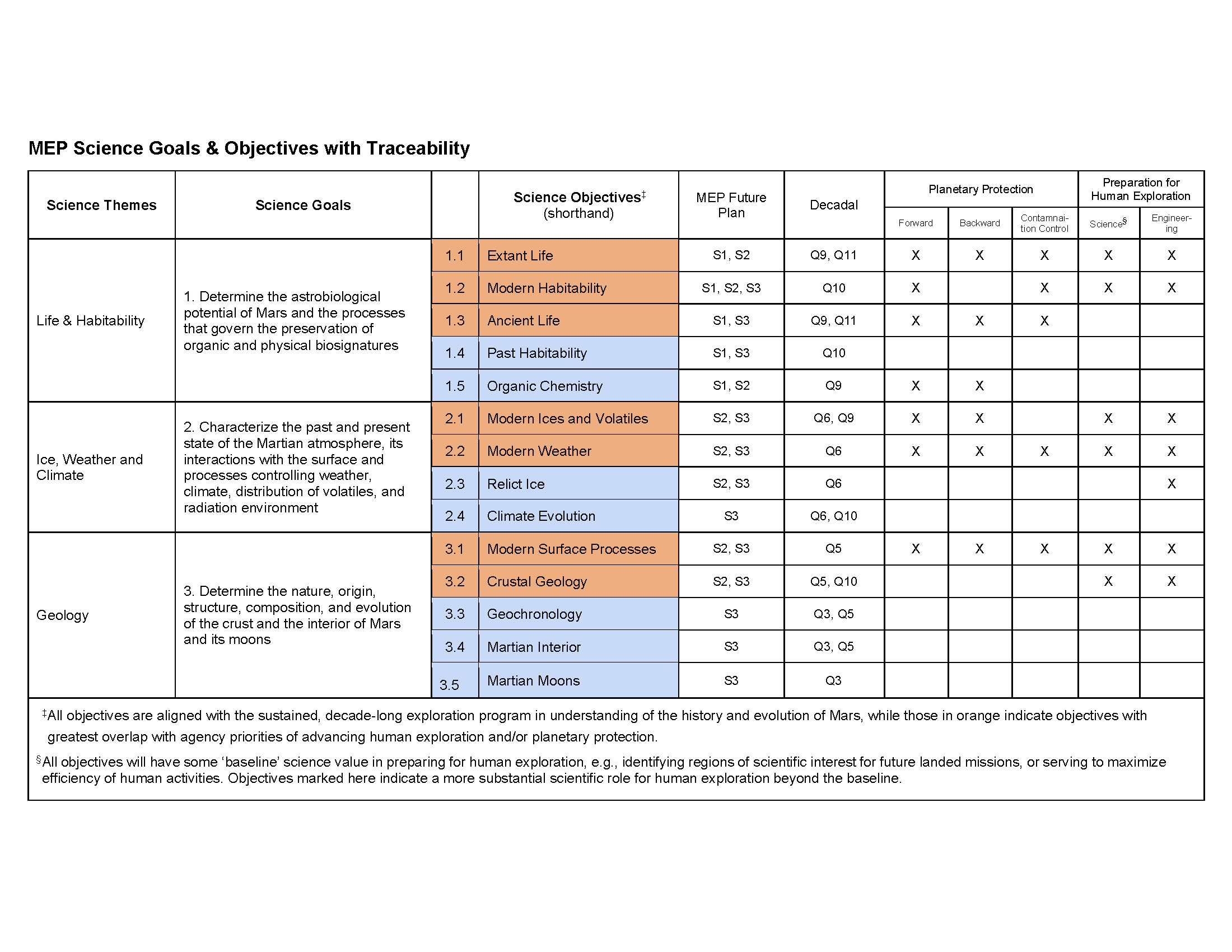
Below the list, we provide a traceability table that shows the relationship of each goal and objective to the MEP Future Plan and the Planetary Science and Astrobiology Decadal Survey.
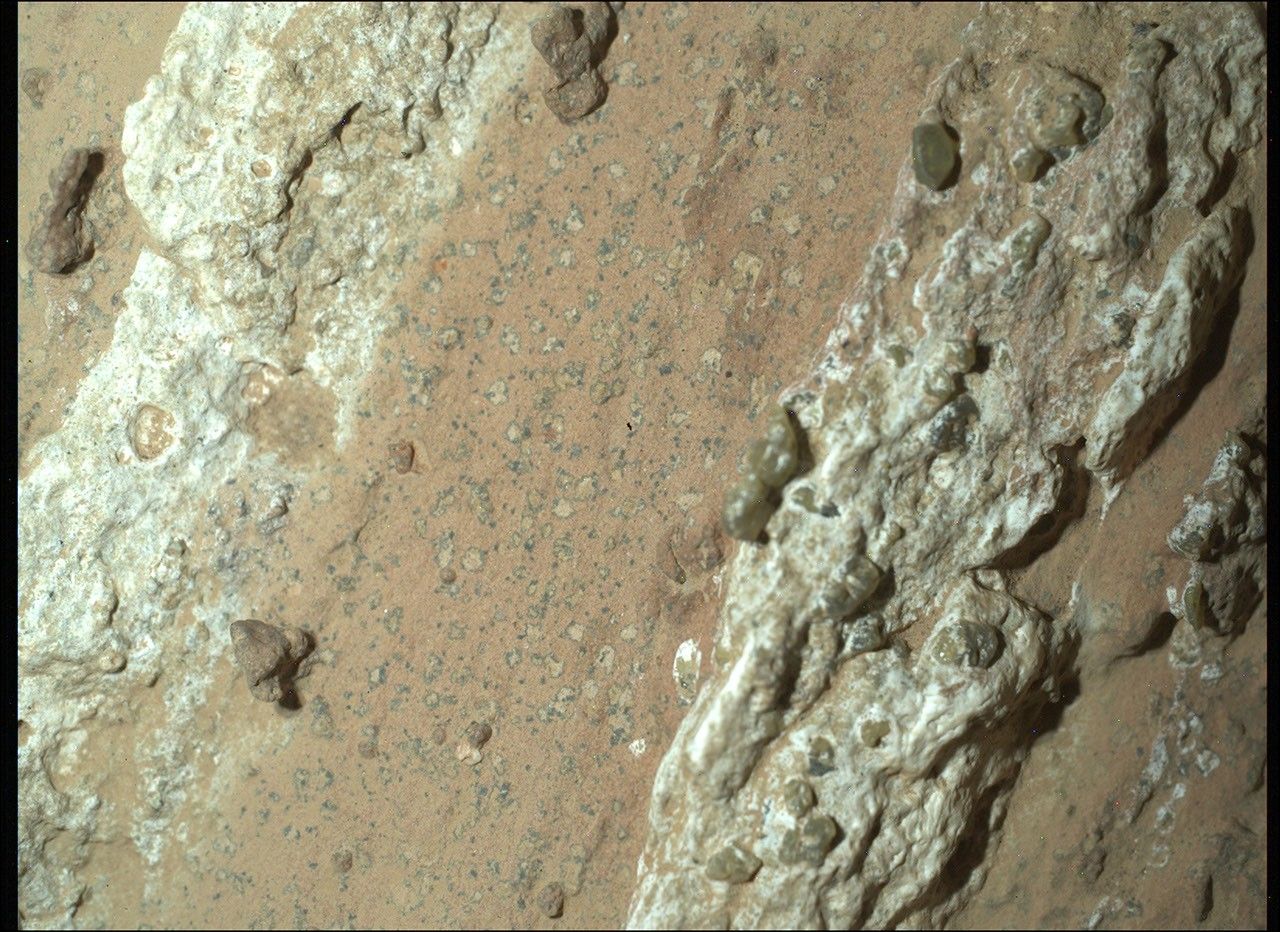
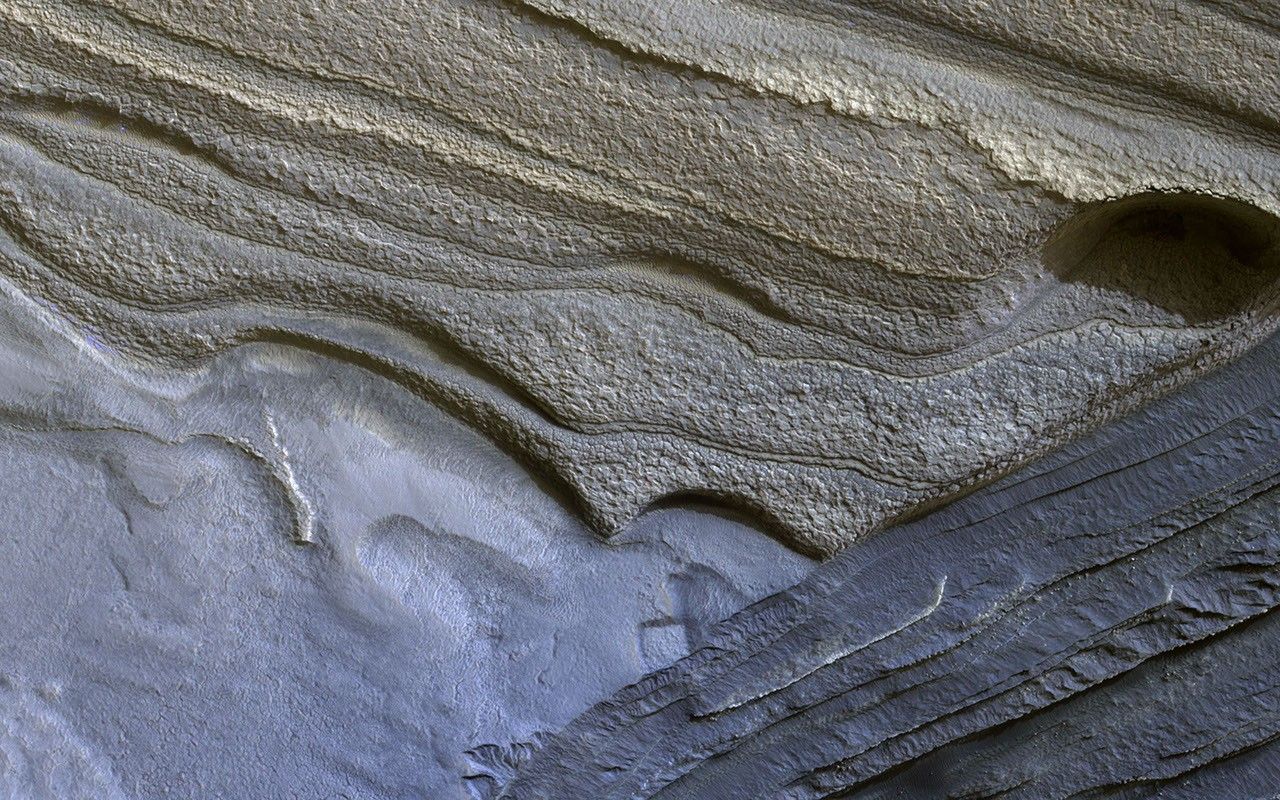
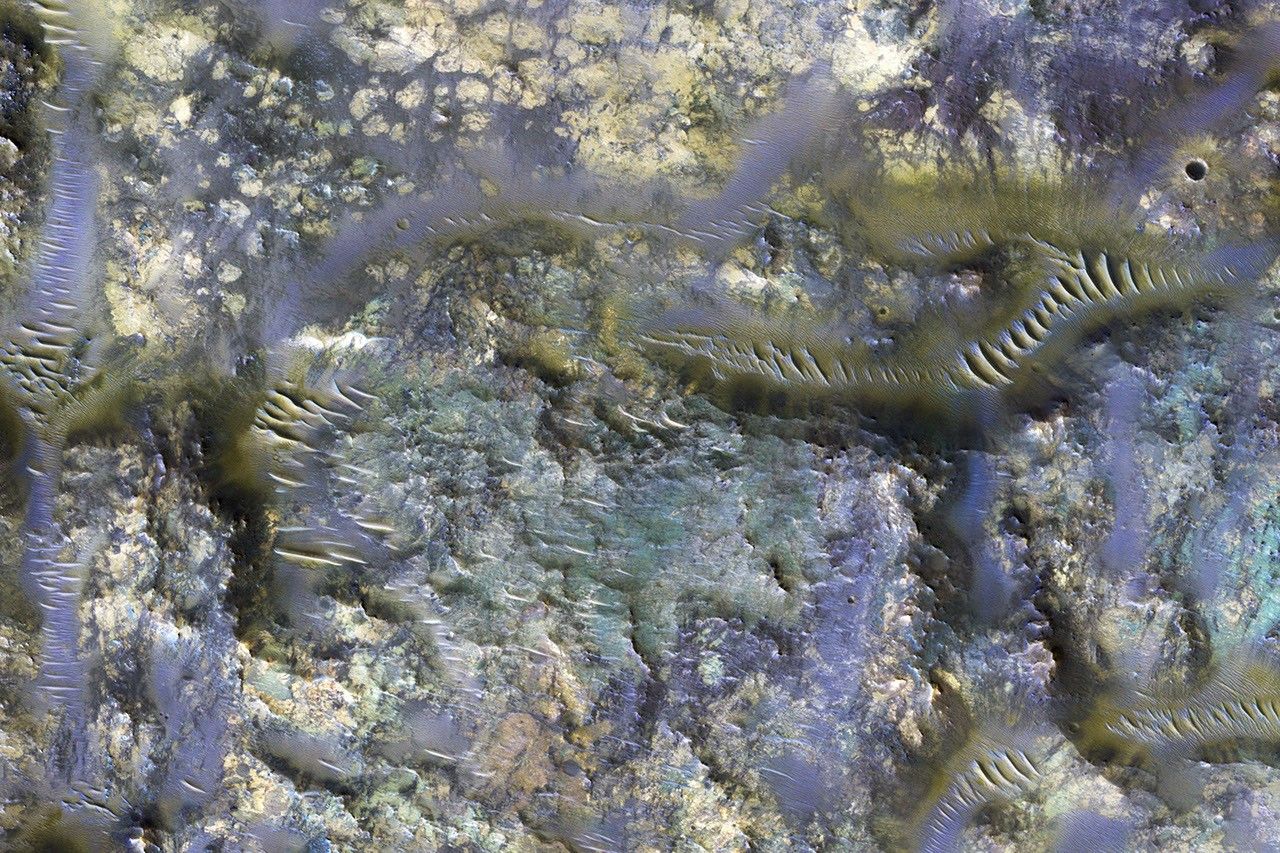
Life and Habitability
Goal: Determine the astrobiological potential of Mars and the processes that govern the preservation of organic and physical biosignatures, both extinct and extant.
Objectives:
Extant Life: Determine if Mars currently harbors extant life
Modern Habitability: Characterize the modern habitability of Martian environments
Past Habitability: Constrain the evolution of habitability over geologic timescales
Organic Chemistry: Assess the extent of biotic or abiotic organic chemical evolution
Extant Life
-
Determine if Mars currently harbors extant life
Science:
The search for life beyond Earth remains one of the fundamental goals of planetary exploration. No surface or near-surface environment on Mars is currently known to satisfy all conditions required for the replication of terrestrial organisms. However, certain locations may lie within the habitability envelope of putative Martian organisms with physiological tolerances at or beyond those of any known terrestrial life. Detection of extant life on Mars — defined here as organisms that are metabolically active or in a dormant but viable state — would represent a paradigm shift in our understanding of life in the universe and advance understanding of life’s fundamental requirements, the universality of biochemical principles, and the conditions needed for the origin of life.
Planetary Protection:
Viable organisms in the near-surface regolith or within globally circulating dust would pose a significant biological risk to the terrestrial biosphere through human missions or sample return. Conversely, the existence of extant life on Mars would raise profound ethical questions about the conduct of future exploration, and the risks of forward contamination by terrestrial organisms. The presence of life would demand novel mitigation strategies to prevent biological contamination. Human activity itself could irreversibly alter the biological baseline of sites visited given that forward contamination of terrestrial life is unavoidable with human exploration missions.
Preparation for Humans:
The discovery of extant life on Mars would carry immediate and practical consequences for human exploration. Martian life represents a direct biohazard to astronauts and would complicate the return of crew to Earth, potentially requiring complex containment and quarantine protocols. Beyond crew safety, the presence of a viable Martian biosphere would impose new constraints on in situ resource utilization (ISRU). Although human explorers will contribute to life detection investigations, baseline measurements of near-surface habitability, potential biosignatures, and microbial viability with precursor robotic missions will help interpret any future findings. There will be increased ambiguity in differentiating between Martian and terrestrial signals following a human presence on the surface.
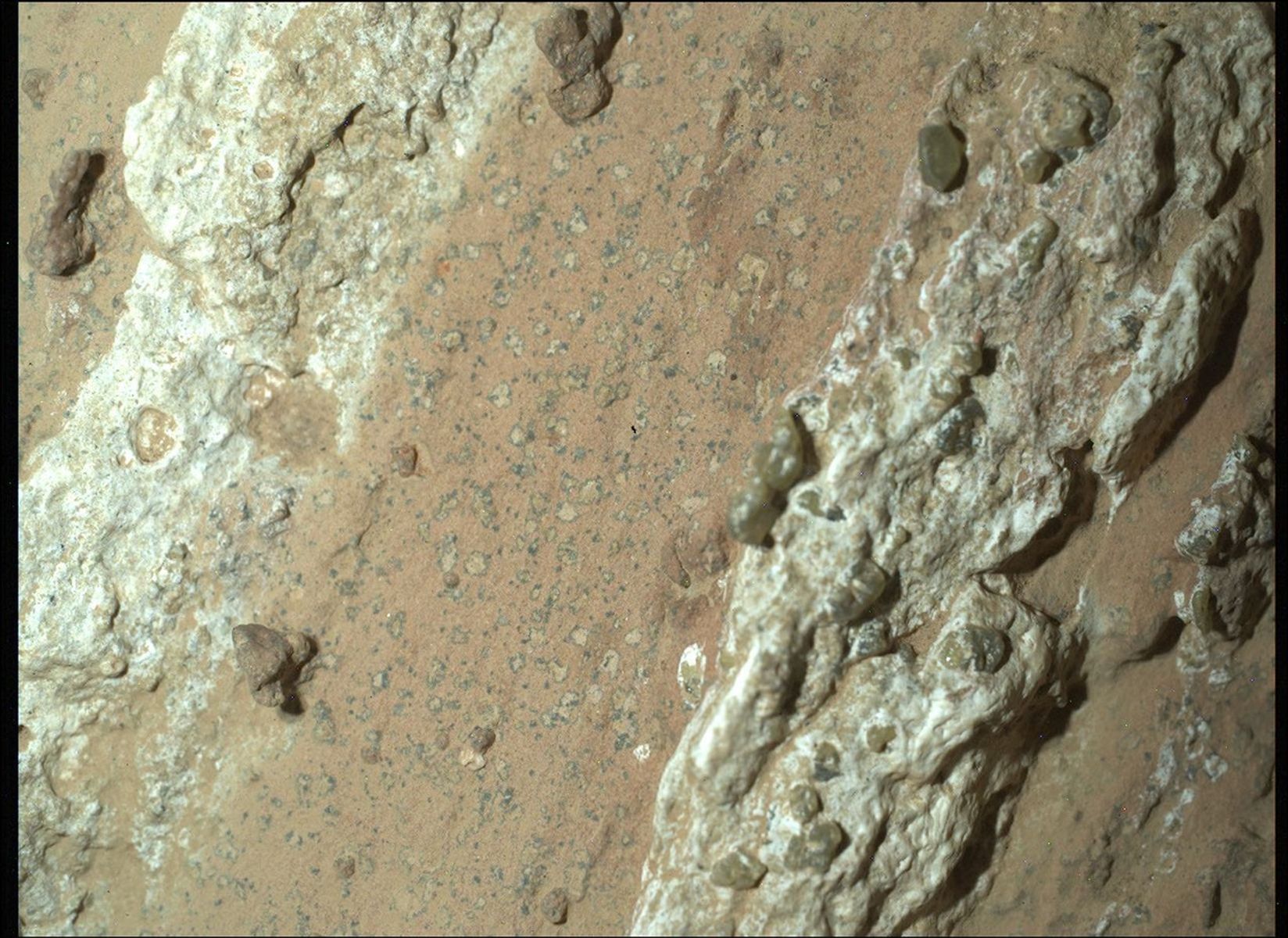
Modern Habitability
-
Characterize the modern habitability of Martian environments
Science:
Characterizing current habitability conditions on Mars informs what locations have the highest biological potential today. It provides the important physical and chemical context necessary to recognize and interpret potential biosignatures and allows prioritization of candidate habitable environments for further exploration. Modern habitability assessments also enable investigations of environments that are rare on Earth, thereby expanding our understanding of the potential boundary conditions of life. In addition, the possibility of habitable environments in the deep subsurface must be considered.
Planetary Protection:
Improved understanding of modern Martian habitability constrains the environments in which terrestrial microorganisms could survive and propagate, enabling more targeted planetary protection measures. In addition, in situ habitability assessments will provide a baseline for estimating the likelihood of extant life in other locations not yet directly sampled. An improved understanding of modern-day habitability would impact planetary protection requirements for robotic and human missions derived from conservative, worst-case assumptions or based primarily on extrapolations from imperfect terrestrial analogs.
Preparation for Humans:
Knowledge of modern Martian habitability has implications for landing site selection and would impact operational parameters for human explorers if environmental conditions are suitable for life. This knowledge also informs where astronauts would be permitted to work, what equipment and tools could be deployed, and how samples must be handled.
Ancient Life
-
Search for physical or chemical signatures of ancient life in environments that have a high potential for past habitability and preservation of biosignatures
Science:
Prior missions have obtained compelling evidence that Mars was once habitable, during time periods for which the terrestrial geological record has been largely destroyed or overprinted. Mars preserves a potentially unique window into processes in the early solar system that may or may not have been conducive to the origin of life. Evidence of ancient Martian life would constrain the timing of, and prebiotic conditions required for, the origins of life. Lack of evidence, while simply indicating life never took hold on Mars, could also be explained by biosignature degradation, sampling bias, or a fundamental decoupling between habitability and the conditions that allow life to begin.
Planetary Protection:
Evidence of ancient life would elevate concerns about forward biological contamination, given the possibility that surviving lineages exist in unexplored, cryptic, or subsurface environments. This could result in changes to forward and backward contamination policies. Lack of evidence amidst broad sample coverage would reduce the probability of extant life, providing empirical justification for relaxing forward and backward planetary protection requirements, both for humans and for robotic missions.

Past Habitability
-
Constrain the evolution of habitability over geologic timescales
Science:
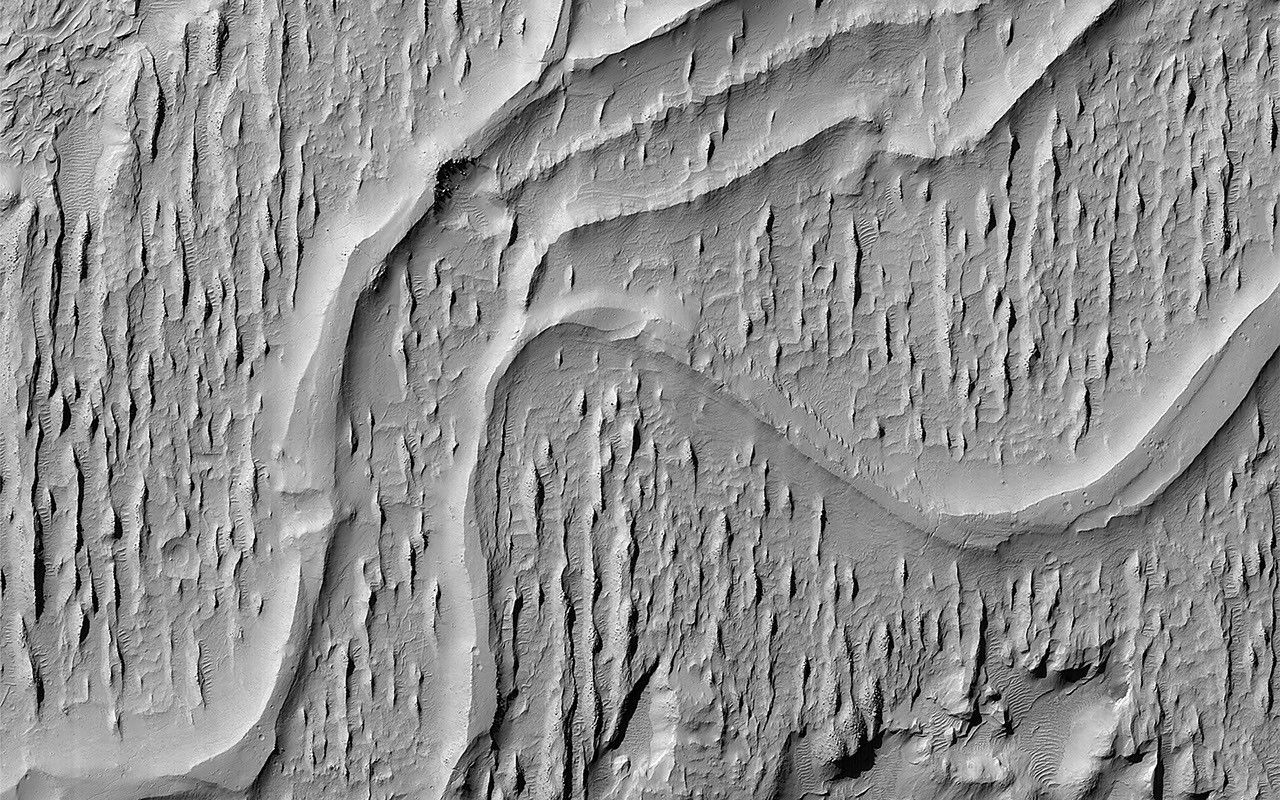
Early Mars was warmer and wetter than the present, as evidenced by the presence of robust valley network systems, crater lakes, widespread deposits of secondary minerals, and other geomorphic evidence. Studies of these environments across different ages and geologic context would provide important insights about the evolution of a once widely habitable world. Mars may have been transiently habitable in the geologically recent past under different orbital configurations. Mars represents a planetary-scale case study with implications for understanding how such transitions occur on other terrestrial planets.
Organic Chemistry
-
Assess the extent of biotic or abiotic organic chemical evolution
Science:
Characterizing the organic inventory in Martian environments that are otherwise sterile helps us understand the extent of abiotic organic chemical evolution, which is relevant for better understanding the origin of life. It also provides a more complete understanding of the abiotic "background," against which chemical biosignatures must be recognized. The chemical and structural properties of abiotic organic compounds near the surface also provide clues of possible transformation processes (e.g., radiolytic, oxidative) that may affect chemical signatures of life. Even if Mars is sterile, characterizing the organic inventory helps us understand organic chemical evolution in habitable environments, past and present.
Planetary Protection:
Understanding the organic inventory and whether it is abiotic, biotic, and/or prebiotic would help inform forward and backward contamination requirements, allowing them to evolve from largely conservative, precautionary assumptions to more evidence-based risk management.

Ice, Weather, and Climate
Goal: Characterize the past and present state of the Martian atmosphere, its interactions with the surface and processes controlling weather, climate, distribution of volatiles, and the radiation environment on and around Mars.
Objectives:
Modern Ices and Volatiles
-
Identify and characterize the emplacement, exchange, and evolution of present-day water ice and other volatiles at or near the Martian surface
Science:
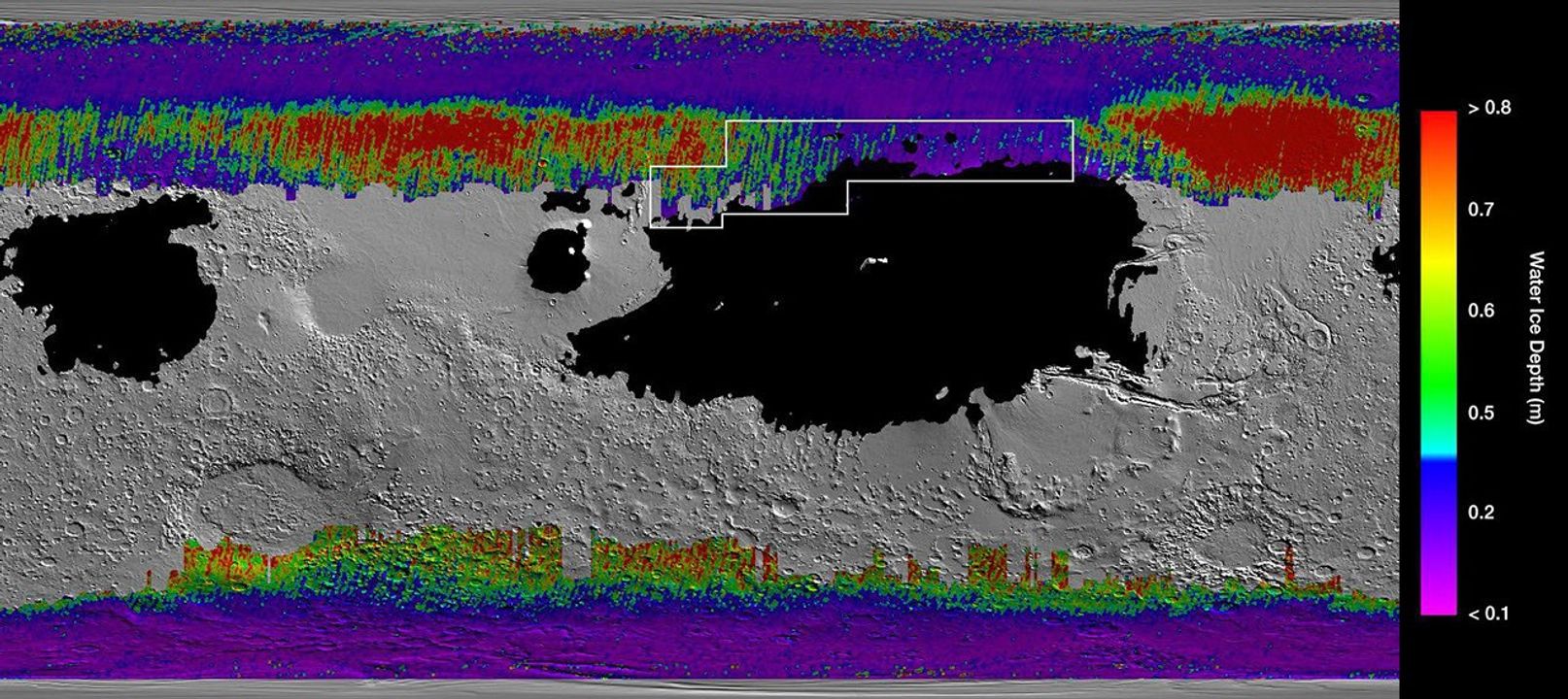
Water and other volatiles (most notably CO2) are fundamental regulators of Martian climate, geology, and habitability. Determining how modern-day reservoirs—at or near the surface—were emplaced and how they exchange between the atmosphere and surface on both short (diurnal, seasonal) and longer (multiannual) timescales is essential for reconstructing Mars’ environmental history, assessing past and present habitability, and understanding planetary evolution. Observations of atmospheric ices (water and CO2 clouds) as well as surface ice provide constraints on the energy balance of the Martian system. Studying interannual variability informs us about seasonal or annual trends in the accumulation or loss of volatiles.
Planetary Protection:
Regions that preserve and contain water ice at and near the surface at present are generally considered regions of greater habitability potential. These regions, therefore, warrant greater scrutiny to protect potential Martian life, minimize the risk to terrestrial life, and avoid irreversible contamination by the same. As such, a choice to explore in such locations would affect both forward and backward planetary protection protocols.
Preparation for Humans:
Water ice found at and near the surface is an attractive resource for future human explorers, both for survivability purposes as well as propellant generation (ISRU). Hence, the choice of where to send humans to Mars may depend on finding areas with nearby, accessible water reservoirs to leverage. Conversely, the instability and heterogeneous distribution of subsurface ice may present a challenge to safe landing and construction of basic infrastructure. Constraints on the nature of near-surface water ice and its spatial distribution will help ensure astronauts are able to precisely target locations where such deposits are readily accessible with minimal traverse necessary. Monitoring surface temperatures at candidate landing sites, especially those containing microenvironments or habitable niches, may facilitate investigation of the diurnal and seasonal surface-atmosphere exchange of water.

Modern Weather
-
Characterize the state and controlling processes of the present-day weather, climate, and radiation environment
Science:
There is significant variability in the present-day Martian atmosphere across multiple timescales, driven by seasonal and diurnal variability in atmospheric dust, which is known to interact with the Martian water cycle, impact radiative balance, and influence circulation on both small and large spatial scales. Year-over-year variability in the atmosphere, which arises from as-yet-not-understood feedback between dust lifting, transport, and solar input, is far more pronounced on Mars than elsewhere in the solar system. Mars’ global circulation transports dust, water vapor, and other trace species around the planet, but the mechanics of transport, especially at smaller scales, are poorly constrained. Ionized species in the upper atmosphere interact with the planet’s magnetic field, thus directly linking atmospheric, geologic and (potentially) biologic processes together. Many atmospheric processes are similar to those on Earth, but characterizing where they differ, and the effect of those differences on circulation and weather, helps us understand how atmospheres behave, physically and dynamically, under conditions different from Earth.
Planetary Protection:
Lower atmospheric circulation can loft and carry dust and potential microbes to distances far from their source. Forward contamination from human explorers may inadvertently spread invasive biota to regions of the planet some distance away from their physical location; thus, weather-driven transport processes must be understood to quantify the extent of such contamination, ensuring future investigations can discriminate between endemic and introduced life.
Preparation for Humans:
The process of entry, descent, and landing requires knowledge of atmospheric density and wind, especially when pinpoint landing is desired. These values require regular, global observation of atmospheric conditions, including wind, pressure, and temperature. Upper atmospheric conditions, and knowledge of space weather and the state of the magnetosphere, will provide needed insight into the radiation environment to be experienced by astronauts in Mars orbit and/or on the surface. Improved dust characterization and developing the ability to monitor and predict local and regional weather will enhance crewed surface planning and operations to ensure physiological safety, as well as protection of sensitive equipment and infrastructure.

Relict Ice
-
Understand the emplacement and evolution of past ice reservoirs at the Martian surface and within the crust over geologic time
Science:
Ice reservoirs (water and CO2), likely present across much of Mars’ geologically recent past, and of which some remain today, are important aspects of the climate system that preserve a record of past climate(s) over astronomical timescales. The location, volume and composition of relict ice is necessary to determine ice redistribution over Mars’ recent history and will help reconstruct past climate states, including potentially habitable scenarios. Older ice reservoirs are present today deep beneath the surface (and often mixed with sediment). Assessing trapped gases, refractory composition and volume, and isotopic composition in layered ice deposits can provide insight into previous orbital configurations and climatic states. These deposits may also serve as a natural laboratory to understand volatile chemistry in conditions that have no similar terrestrial analog.
Preparation for Humans:
Relict water ice represents a resource that shares overlap with near-surface ice. However, it is distinguished by factors such as its overburden or depth to ice (many meters to kilometers) and higher bulk sediment fraction due to sublimation lag or aeolian deposition. It is likely that these deeper deposits will serve a more substantial role for longer surface stays.

Climate Evolution
-
Find evidence for the state of Mars’ early climate, the factors that controlled it, and how it evolved from the past to the present
Science:
The transition of Mars from an early warm and wet environment to the present cold, dry desert is an enduring puzzle and influences our understanding of Martian habitability, climate and geology, and that of other terrestrial planets in our solar system and beyond. There is evidence of liquid water at the surface in the past, both from geomorphological and mineralogical observations, but the timeline of atmospheric loss (including water lost to space) is only weakly constrained. Whether early Mars was persistently warm and wet, or only episodically habitable, and the duration of liquid water on the Martian surface, remain open questions. The climate’s link to interior processes (solidification of the core, loss of Mars’ magnetic field, volcanic outgassing) means that studying Mars’ evolving climate over time is complementary to studying the change in the geological and geodynamical evolution of the planet.

Geology
Goal: Determine the nature, origin, structure, composition, and evolution of the crust and the interior of Mars and its moons.
Objectives:
Crustal Geology: Study the key processes that have modified the Martian crust over geologic time
Geochronology: Determine the timing of construction and modification of the crust
Martian Moons: Understand the formation and evolution of the Martian planetary system
Modern Surface Processes
-
Identify and characterize the processes that are actively shaping the present-day surface of Mars
Science:
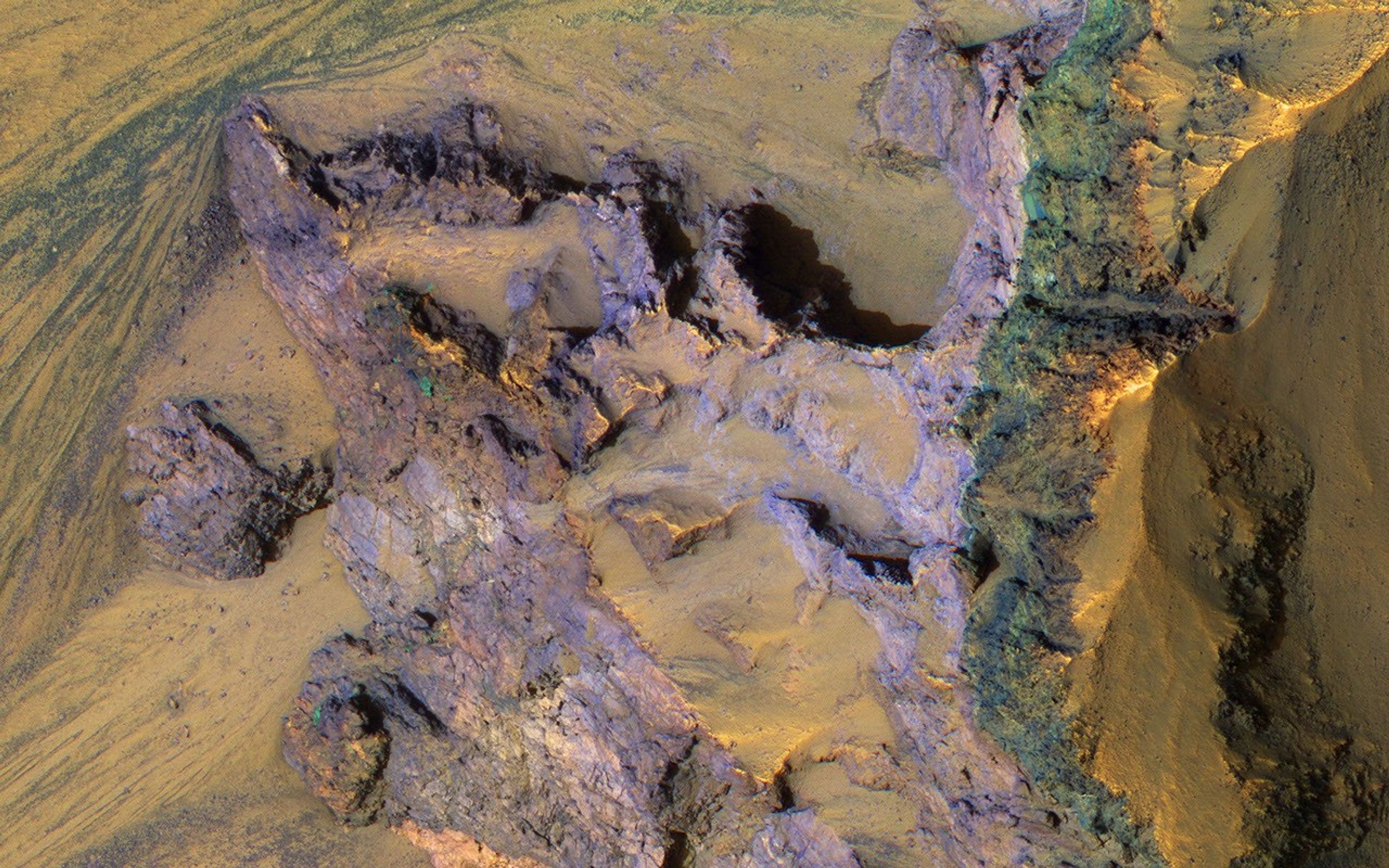
Modern surface change involves those processes that shape the present-day landscape, modify surface properties, and enable the transport of material across the surface. Among these are aeolian activity (dust lifting, saltation, sedimentation) impact events, mineral deliquescence/efflorescence, freeze-thaw cycles, and CO2 frost/water ice mass wasting. Both physical and chemical weathering affect surface materials and their properties. Key questions surround the formation, composition, and behavior of dust in the Martian environment, including how such processes drive erosion or surface burial. Terrestrial analogs cannot provide complete explanations due to fundamental physical differences (gravity, environment) and the absence of widespread biology, thus studying these processes at Mars is crucial.
Planetary Protection:
Knowledge of modern aeolian transport on Mars may affect forward planetary protection policies as they relate to contaminant dispersal from landed assets (i.e., forward contamination) as well as containment regarding returned sample/cargo or human explorers (i.e., backward contamination). Transported contaminants can also be trapped in environments that later become habitable, (e.g., spores can become reanimated).
Preparation for Humans:
Dust and other materials mobilized at the surface constitute potential hazards for astronaut health and engineering systems as well as remote sensing instrumentation. Understanding the dynamic nature of the surface and the propensity for destabilization and mass wasting is important for safe landing and operations.
Crustal Geology
-
Study the key processes that have modified the Martian crust over geologic time
Science:
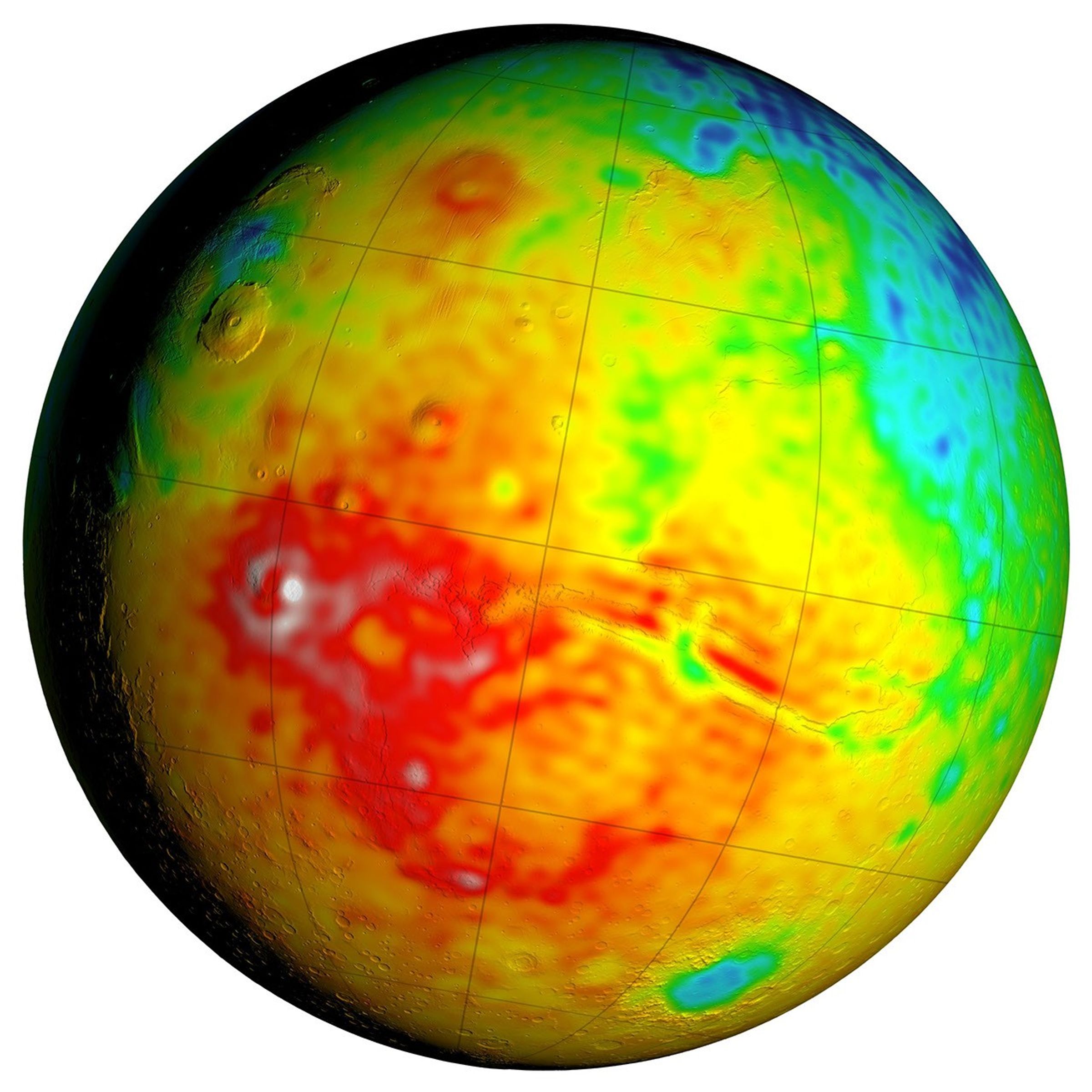
Crustal geology details Mars’ volcanic and sedimentary histories from its state today and dating back to the earliest primordial crust—a record far better preserved on Mars than on Earth. The aim is to understand the imprint and interplay of the different processes that shaped the crust, including aeolian, volcanic, tectonic, hydrological, and impact processes. This includes unraveling source-to-sink processes, and the nature, timing, and duration of past water activity. Additionally, it aims to understand past-to-present processes operating within the crust, such as tectonism and hydrothermal activity.
Preparation for Humans:
Characterization and assessment of hazardous minerals and/or potentially toxic elements at or beneath the surface is essential to ensure health and safety of human explorers. Geotechnical surveys and evaluation of potential landing sites will ensure exploration sites are safe for landing, traverse and operations. Additionally, areas of geologic interest should be identified to maximize science returned by human exploration (e.g., modern groundwater systems for the search for extant life).
Geochronology
-
Determine the timing of construction and modification of the crust
Science:
Determining the age and timing of key geologic events is important for understanding the entire history of Mars. Examples include basin-forming impacts, formation of large volcanic provinces, and the timing of large-scale fluvial episodes. Geochronology enables ground truthing of crater density ages as well as understanding crustal emplacement, modification, sedimentation history, diagenesis, lithification, and exhumation. It can also constrain modern processes such as erosion or tectonic rates tied to surface exposure dating.

Martian Interior
-
Understand how Mars’ interior structure, composition, and dynamics relate to Mars’ formation and subsequent evolution
Science:
Knowledge of how Mars’ interior evolved throughout its history and how its composition and evolution are different from other terrestrial planets will provide fundamental insights into the processes that govern planetary differentiation, habitability, and the diversity of rocky worlds both within and outside of our solar system. Additionally, studying the history of the Martian dynamo, the loss of the global magnetic field, and how this affected the loss of Mars’ atmosphere will constrain the timeline of Mars’ climate evolution. Understanding the current differentiation and thermal state of the planet’s interior, and how it evolved through time will elucidate the exchange of material and heat between the interior and surface, which governs volcanic and tectonic activity and provides a unique record of early planetary evolution.
Martian Moons
-
Understand the formation and evolution of the Martian planetary system
Science:
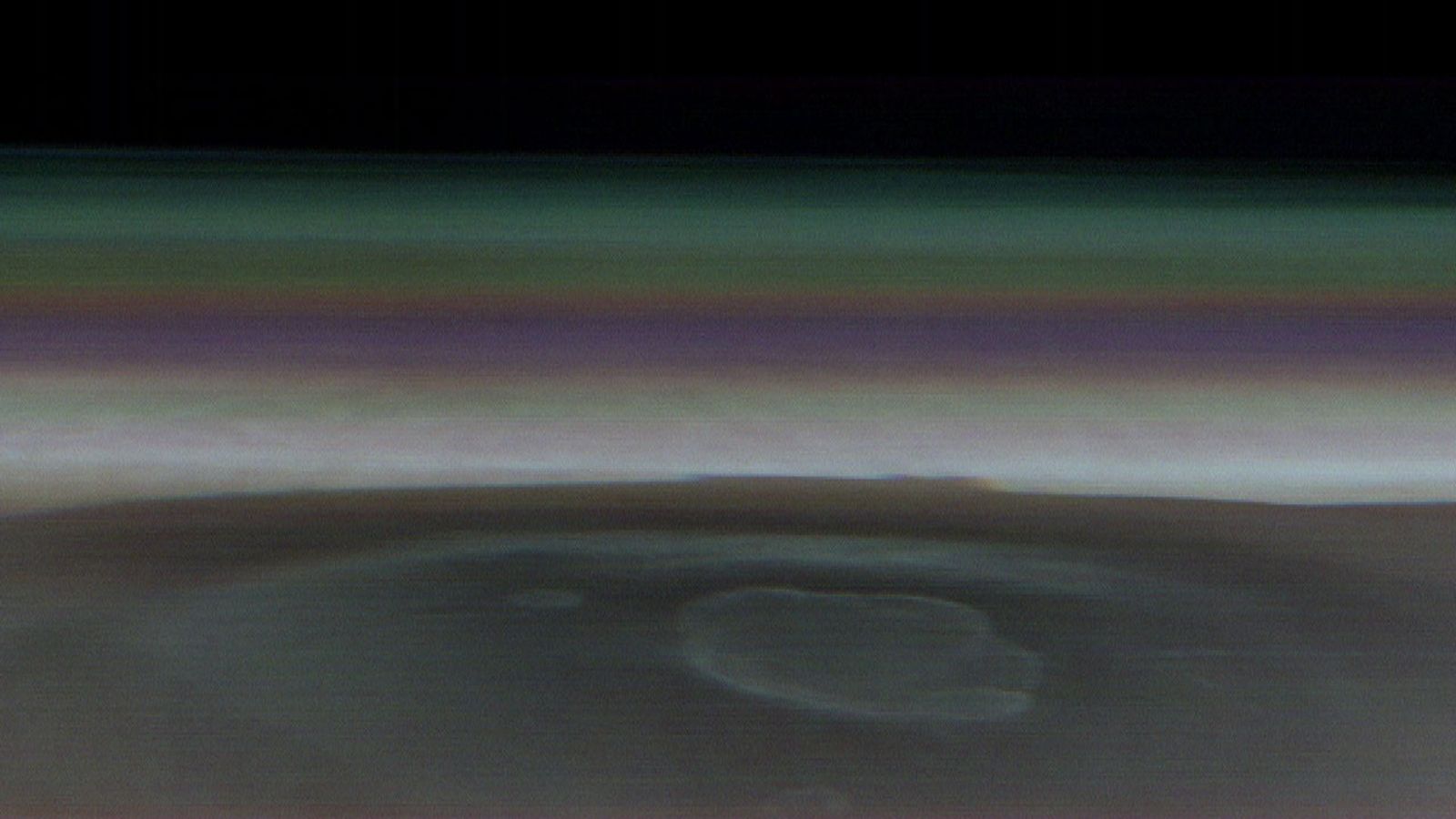
Advancing our knowledge of the Martian moons includes elucidating their origin and age, providing insight into the formation and evolution of Mars itself, including accretion and impact processes. Characterizing the structure and composition of the moons helps us understand the dynamic processes involved in evolution of the early solar system (e.g., asteroid capture). Improving our knowledge of the orbital evolution of Phobos and Deimos would provide insight into the evolving interior structure of Mars.

Mars Science Goals and Objectives Applied to the MEP Future Plan and Decadal Survey