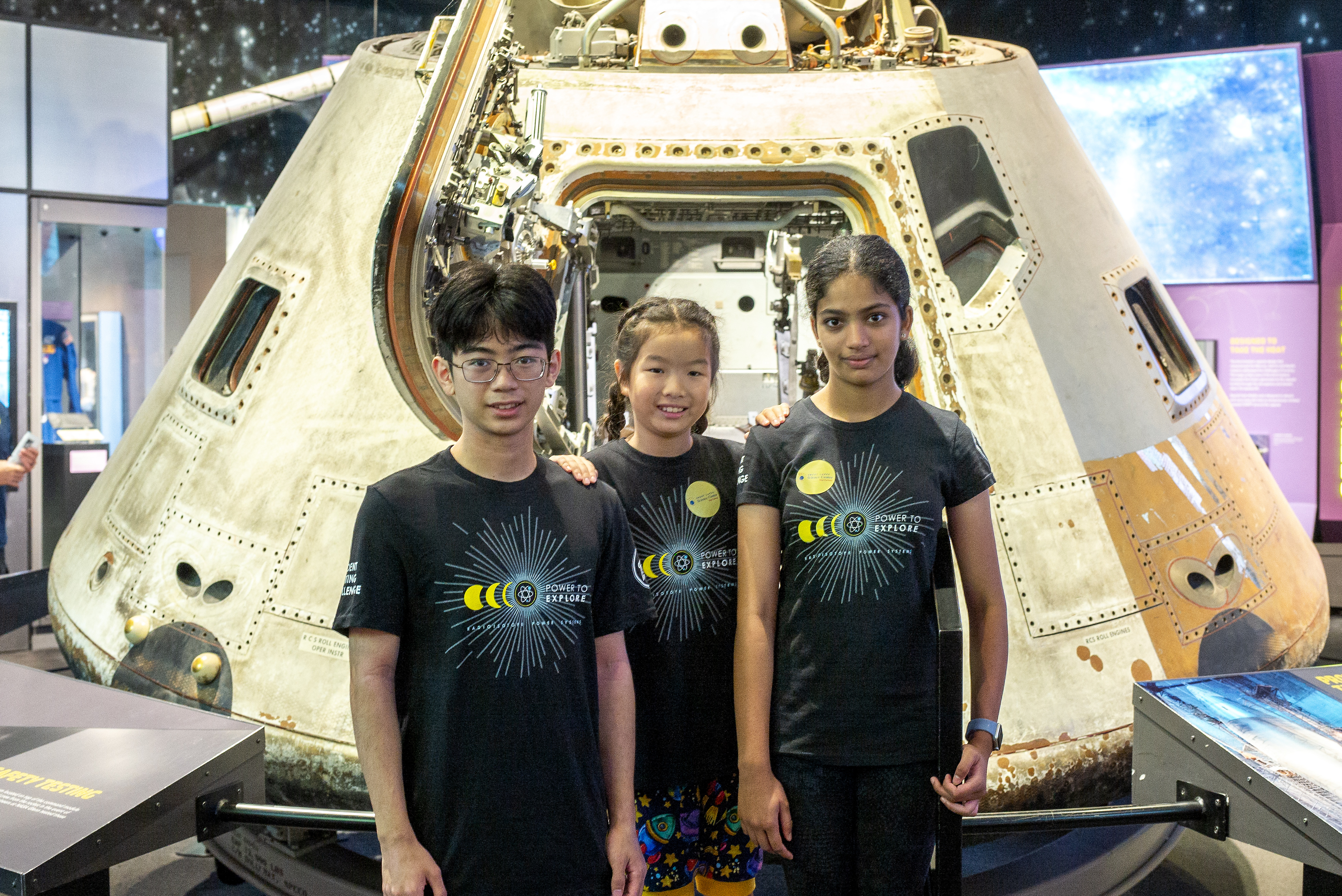












NASA’s Power to Explore Student Challenge kicked off Tuesday, Nov. 17. The science, engineering, technology, and mathematics (STEM) challenge invites kindergarten through 12th grade students in the United States to learn about space nuclear power systems and illustrate how these nuclear “batteries” could help power their lunar exploration vision.
Students are also invited to write a short essay about a “superpower” of their own. Submissions are due March 1, 2027.
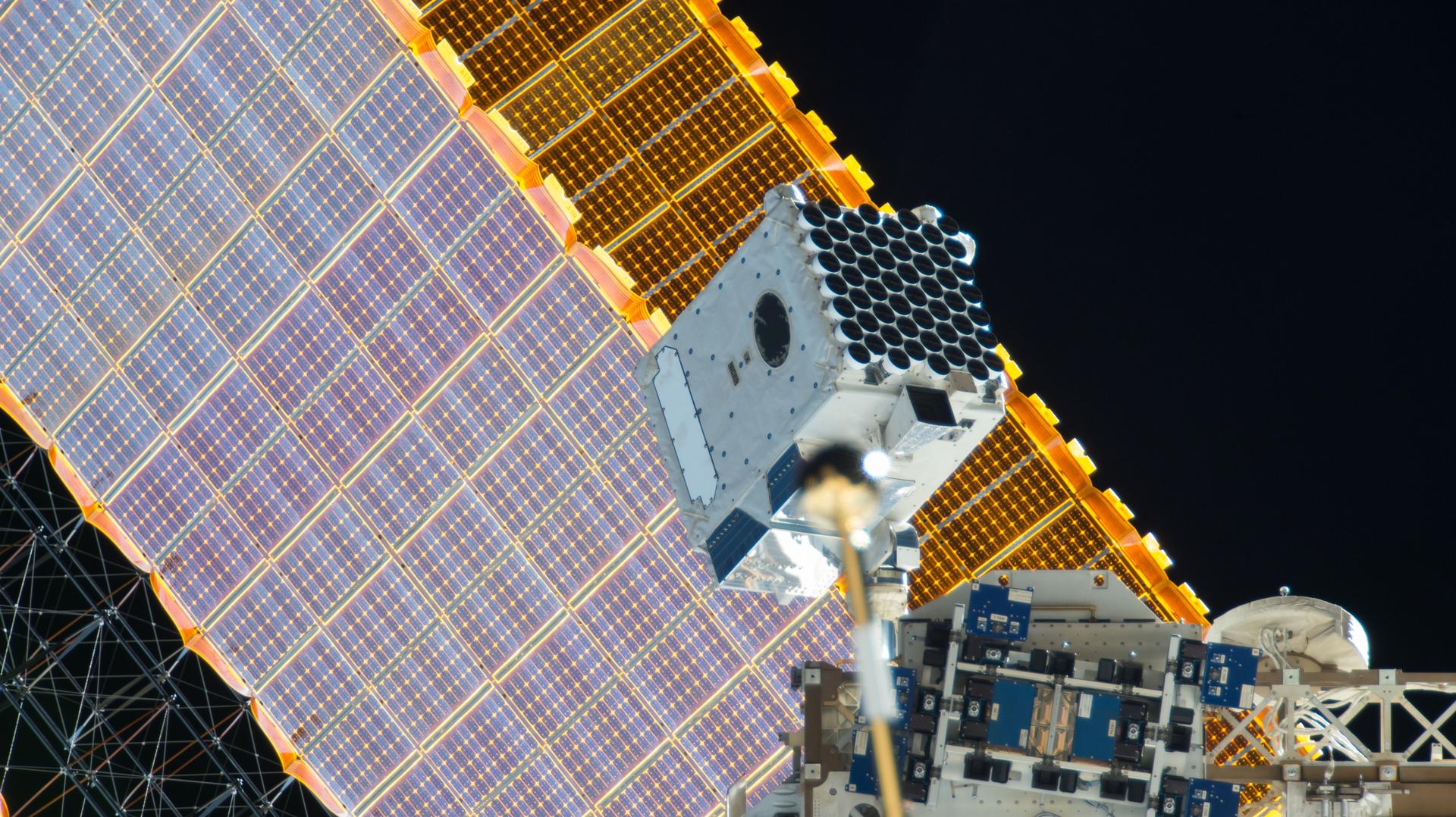
Every mission requires a power source. Some of the most interesting locations to study on our Moon face some of the harshest conditions. Nuclear power could sustain human life and allow researchers to study the resource-rich environment despite freezing temperatures, long nights, and deep craters that never see sunlight.
“As NASA returns to the Moon and establishes a lunar base where astronauts will live, work, and explore, we need to build an infrastructure to make it all possible. Nuclear power could enable exploration in the permanently shadowed regions near the Moon’s South Pole, carry robust science payloads over long distances, and keep instruments warm through the lunar night,” said Carl Sandifer, a program manager for NASA’s Space Reactors Division at the agency’s headquarters in Washington. “NASA’s Power to Explore Student Challenge prepares the next generation of explorers to use the unique power within themselves to dream up a nuclear-powered Moon base of their own design. We cannot wait to see what they come up with!”
Entries include a 200-word essay and an original illustration. Essays should describe one of the students’ unique powers that will help the mission. Illustrations should convey the students’ vision of a nuclear-powered lunar base that supports human and robotic exploration of the Moon’s surface using both radioisotope and fission-based power solutions and demonstrate the students’ understanding of the kinds of exploration nuclear energy can enable.
Judges will review entries in three grade-level categories: K-4, 5-8, and 9-12. One grand prize winner from each grade category will receive a trip for two to NASA’s Glenn Research Center in Cleveland to learn about the people and technologies that enable NASA missions. Every student who submits an entry will receive a digital certificate and an invitation to a virtual event with NASA experts where they’ll learn about what energizes the NASA workforce to advance NASA’s missions and sustain America’s leadership in space.
Judges Needed
NASA and Future Engineers are seeking volunteers to help judge the thousands of contest entries anticipated from around the country. U.S. residents older than 18 who are interested in volunteering approximately three hours should register to judge at the Future Engineers website.
The Power to Explore Student Challenge is funded by the NASA Science Mission Directorate and operates out of the Radioisotope Power Systems Program under the Research and Technology Mission Directorate. Future Engineers administers the challenge through a contract with the NASA Center of Excellence for Collaborative Innovation within the agency’s Research and Technology Mission Directorate.
To learn more about the challenge, visit:
https://www.nasa.gov/power-to-explore