
















Real World: Earth Systems
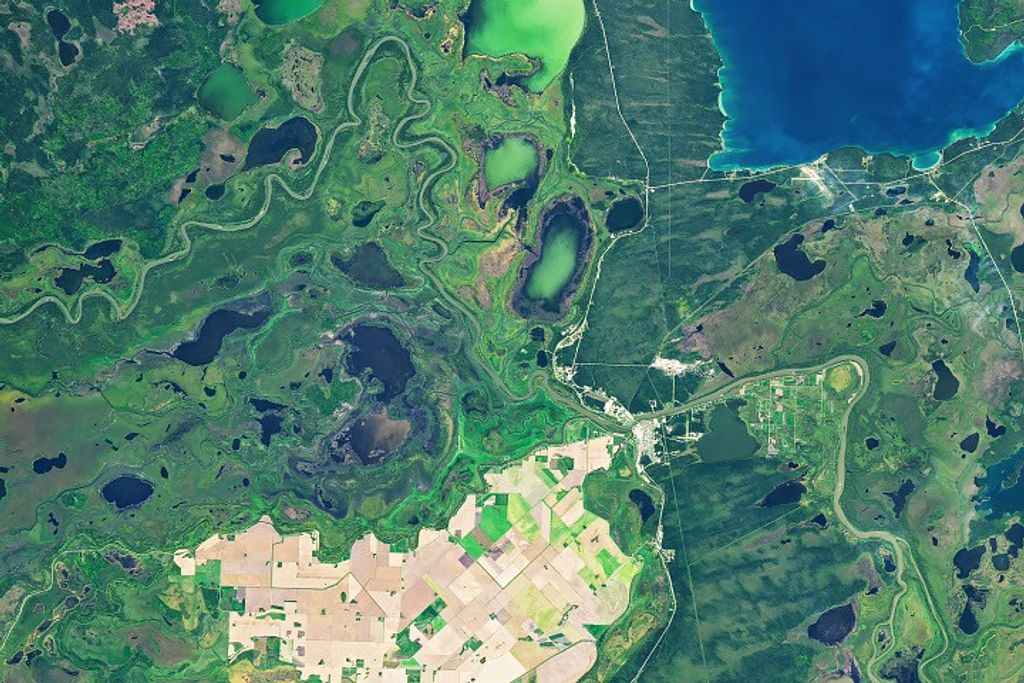
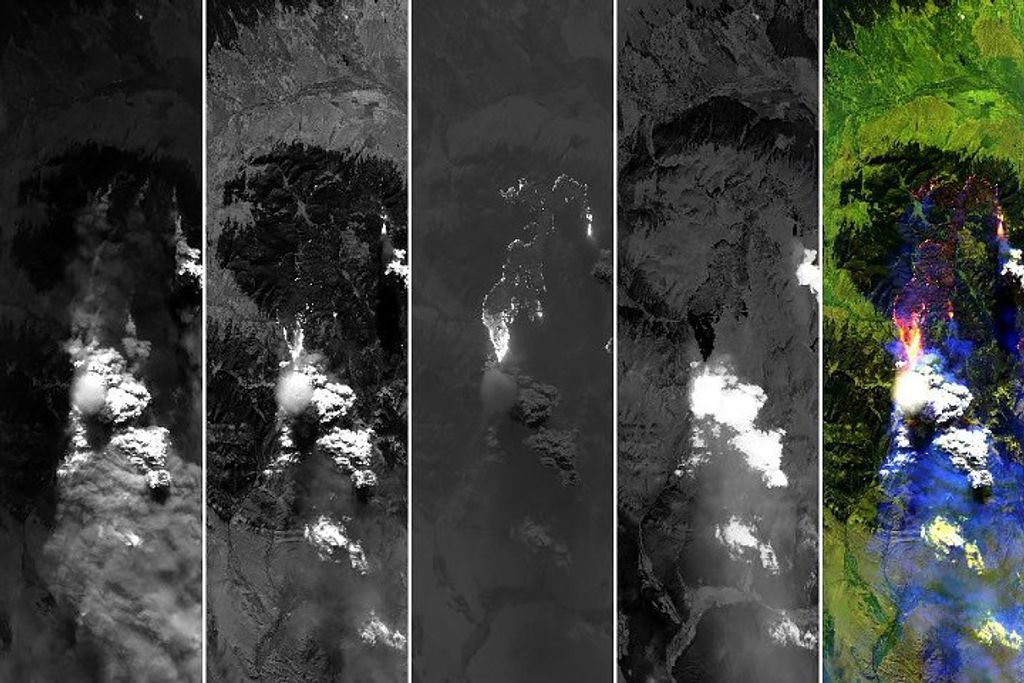
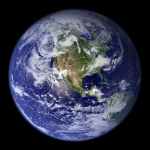
Our Earth is a dynamic system with diverse subsystems that interact in complex ways.
- What are those subsystems and how do they interact?
- How are these subsystems and the global Earth system changing?
- What causes these changes?
- How does NASA monitor these changes?
- How can Earth system science provide societal benefit?
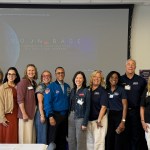
Jessica Taylor, an atmospheric scientist at NASA Langley Research Center, and Dr. Steven Pawson, an Earth scientist from NASA Goddard Space Flight Center, help answer these questions and demonstrate how mathematical modeling helps scientists in their predictions of climate, weather, and natural hazards.
Discussion and writing prompts
1. Earth's atmosphere, hydrosphere, geosphere, biosphere, and cryosphere constantly interact with one another. Why is it important for scientists to study these spheres as one interconnected system instead of investigating each one separately? Choose an event such as a hurricane, drought, volcanic eruption, wildfire, or melting glacier. Explain how at least three of Earth's spheres interact during that event and describe how a change in one sphere affects the others.
2. NASA uses satellites, computer models, and observations from around the world to monitor Earth's changing systems. Why is it important to gather information from many different sources instead of relying on observations from a single location? Imagine you are a NASA Earth scientist preparing a report for your community. Describe the types of data you would collect, the patterns you would look for, and how your findings could help people prepare for natural hazards or environmental changes.
3. Scientists use mathematical models to better understand Earth's systems and make predictions about weather, climate, and natural hazards. Why are scientific models valuable tools, even though they cannot predict the future with complete certainty? Think about a model used in everyday life, such as a weather forecast, traffic prediction, or hurricane track. Compare it to the Earth system models discussed in the video. Explain how models help people make informed decisions and why they improve as scientists collect more data.
Background Information
Grades 3 through 12
- NASA eClips Ask SME: Physical Scientist Jessica Taylor (video)
- NASA eClips Ask SME: Project Scientist Marile Colon Robles (video)
- NASA Explores Earth’s Connections (video)
Grades 5 through 12
- NASA Climate Change (webpage)
- NASA Earth System Diagram (webpage)
Grades 6 through 12
- NASA Earth System Science Research (webpage)
- NASA Earth System Observatory (webpage)
- My NASA Data Systems Thinking About the Earth (webpage)
- My NASA Data About the Earth as a System: Background Information (webpage)
- NASA CERES (webpage)
- The GLOBE Program Why Study Earth System Science? (webpage)
- UCAR The Sum of its Parts: Earth as a System (webpage)
- NASA Earth: A System of Systems (video)
Activities
Grades K through 8
- NASA GSFC Connect the Spheres: Earth Systems Interactions (webpage)
- The GLOBE Program Site Seeing: Beginning (pdf)
- GLOBE Earth As A System (webpage/e-book/pdfs)
Grades 3 through 5
- My NASA DATA What is Earth System Science? (webpage)
Grades 3 through 12
- GLOBE Earth as a System Protocol Bundles (webpage)
- The GLOBE Program Manual Land Cover Mapping Protocol (pdf)
- My NASA Data All Earth As a System Mini Lessons (webpage)
Grades 5 through 12
- NASA Astromaterials Research and Exploration Science Spheres of Earth (pdf)
Grades 6 through 8
- My NASA Data All Earth As a System Lesson Plans (webpage)
Grades 6 through 12
- My NASA Data The GLOBE Earth System Poster Learning Activities (pdf)
- NASA Clouds and the Earth's Radiant Energy System (CERES) Education Outreach (webpage)
- My NASA Data 5E Earth System StoryMap Collection: Lesson Plans (webpage)
- GLOBE Local Connections: Earth Systems in the Local Study Site (webpage)