











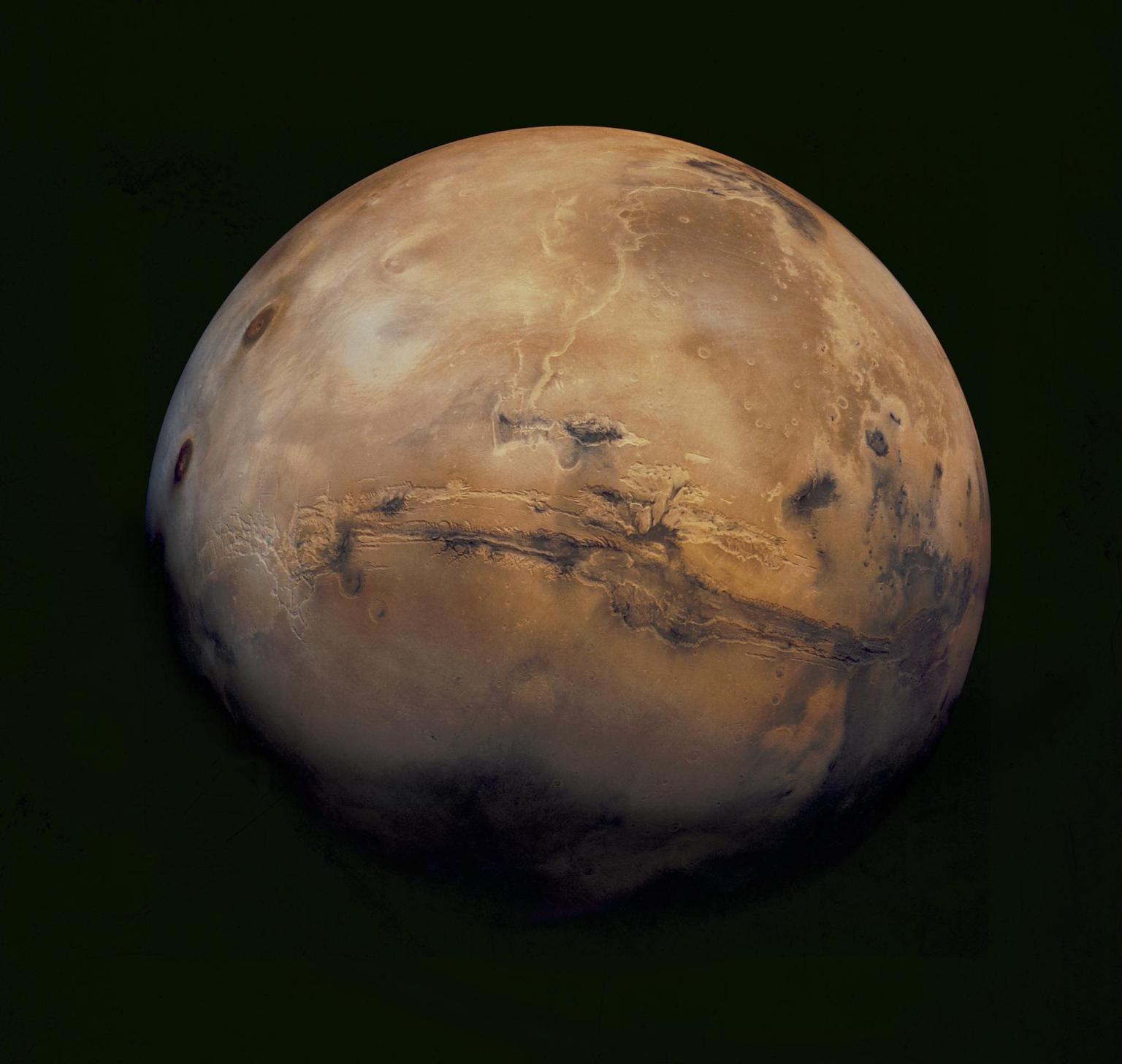
Mars
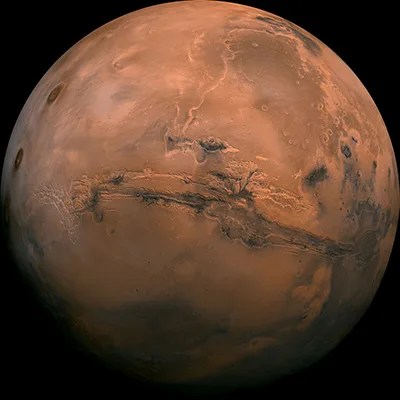
Mars is the fourth planet from the Sun, and the seventh largest. It’s the only planet we know of inhabited entirely by robots.
Mission Status
NASA Spacecraft in Orbit
NASA Rovers on the Surface
Mars Overview
Mars is no place for the faint-hearted. It’s dry, rocky, and bitter cold. The fourth planet from the Sun, Mars is one of Earth's two closest planetary neighbors (Venus is the other). Mars is one of the easiest planets to spot in the night sky — it looks like a bright red point of light.
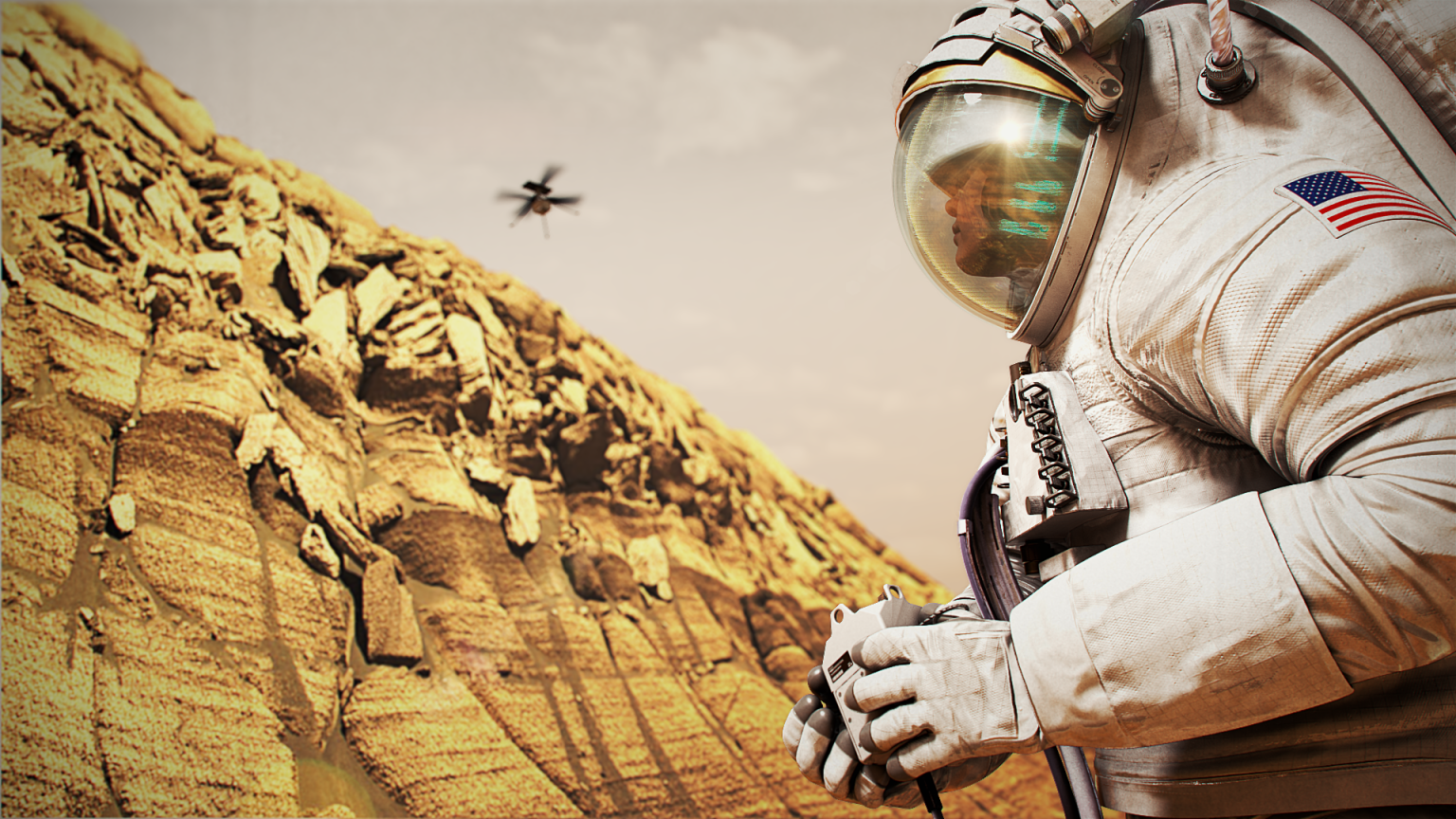
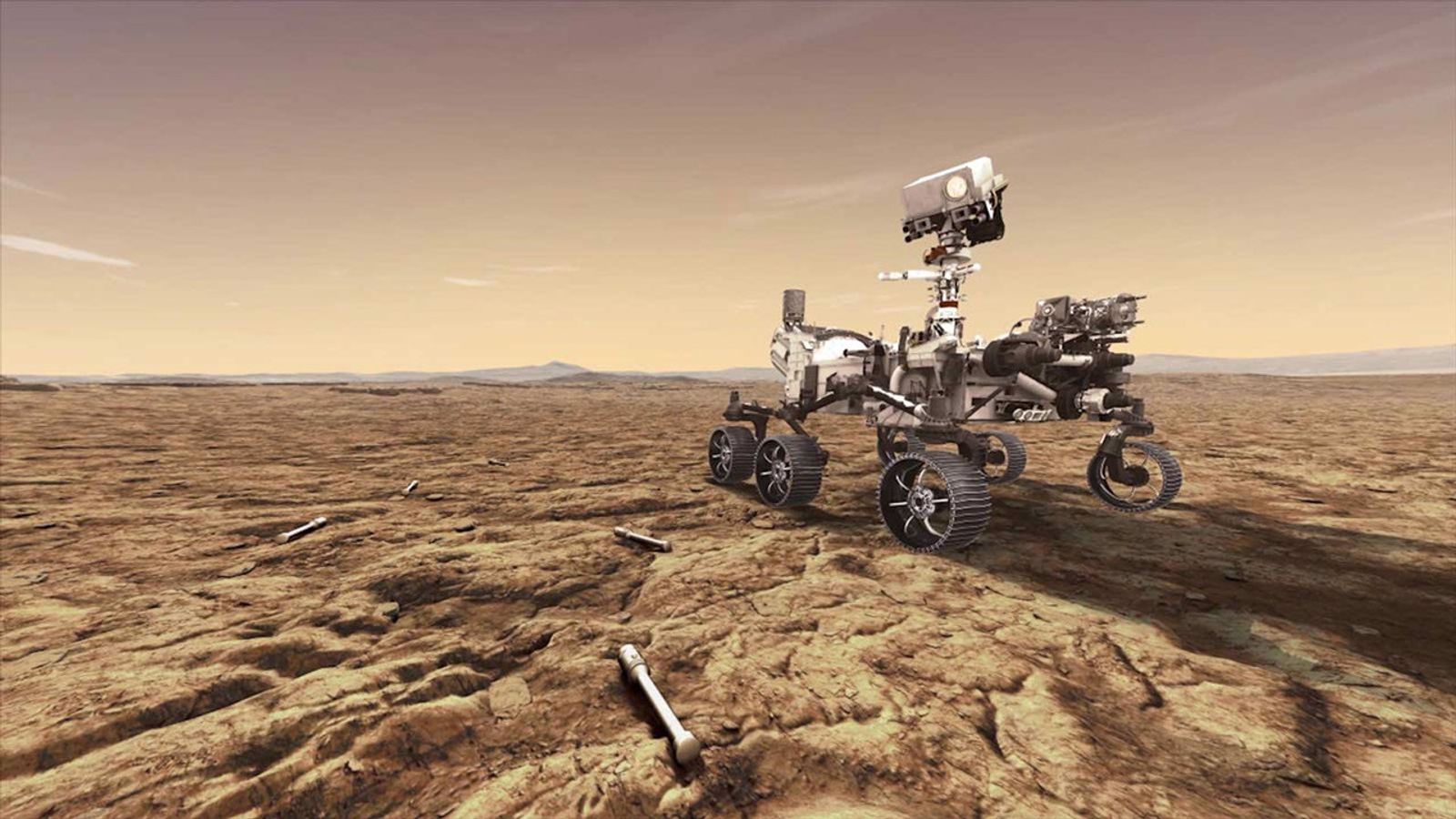
Despite being inhospitable to humans, robotic explorers — like NASA's Perseverance rover and Mars Reconnaissance Orbiter — serve as pathfinders to eventually get astronauts to the surface of the Red Planet.

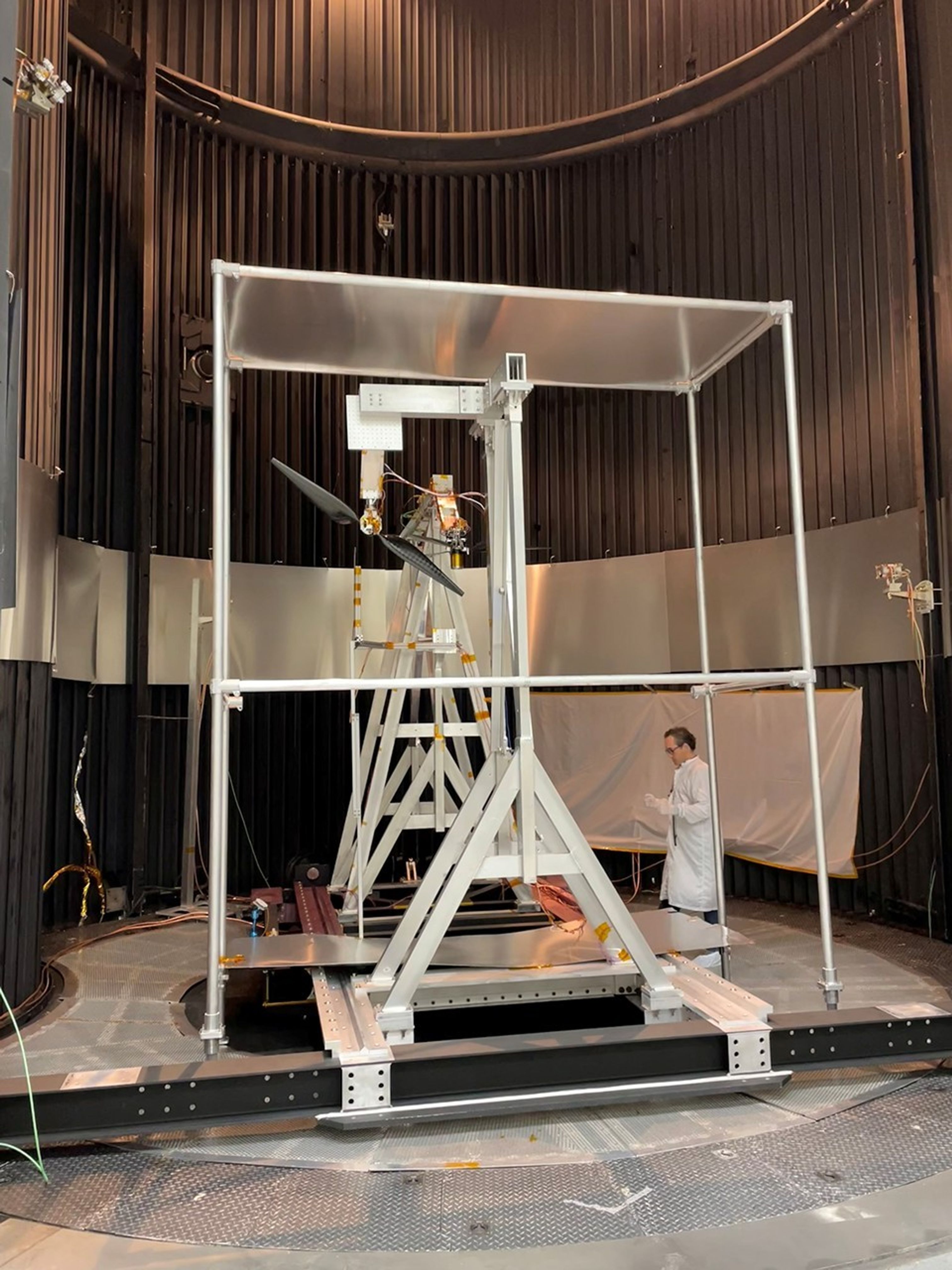
Old Glory on the Red Planet
The United States flag adorns an aluminum plate mounted at the base of the mast, or “head,” of NASA’s Perseverance…
Read the Story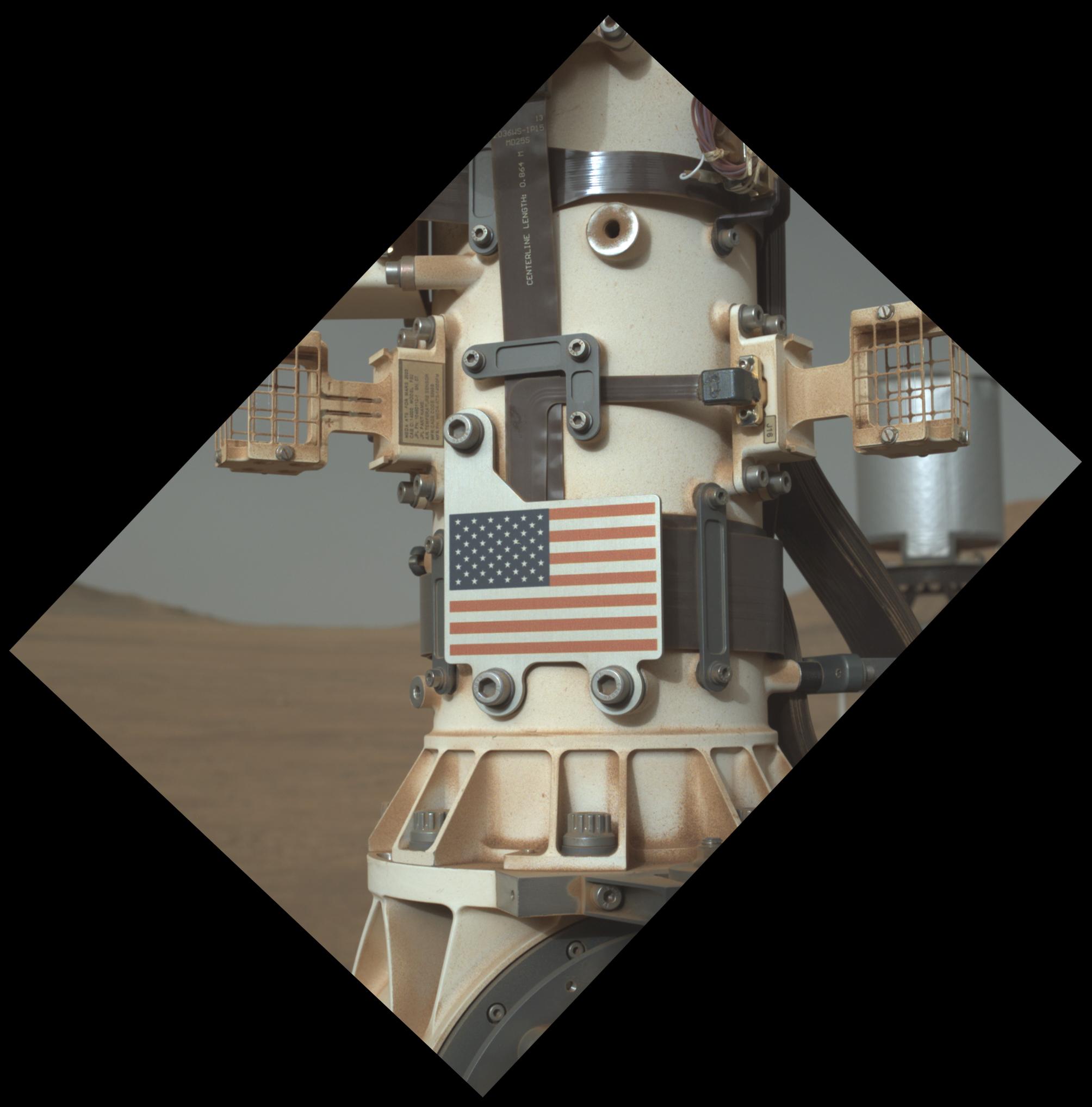
NASA Says Farewell to MAVEN, Declares End of Mission
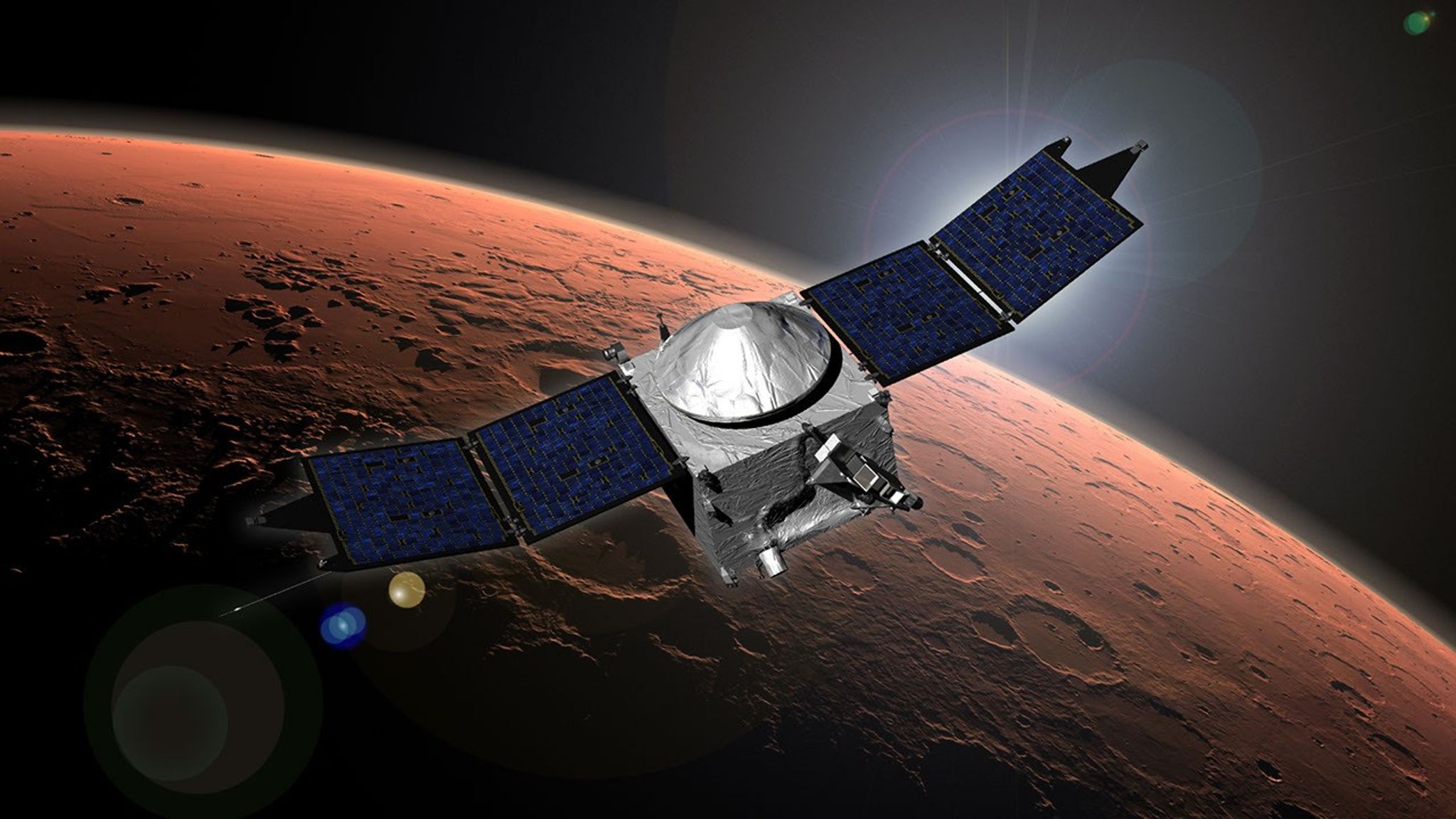
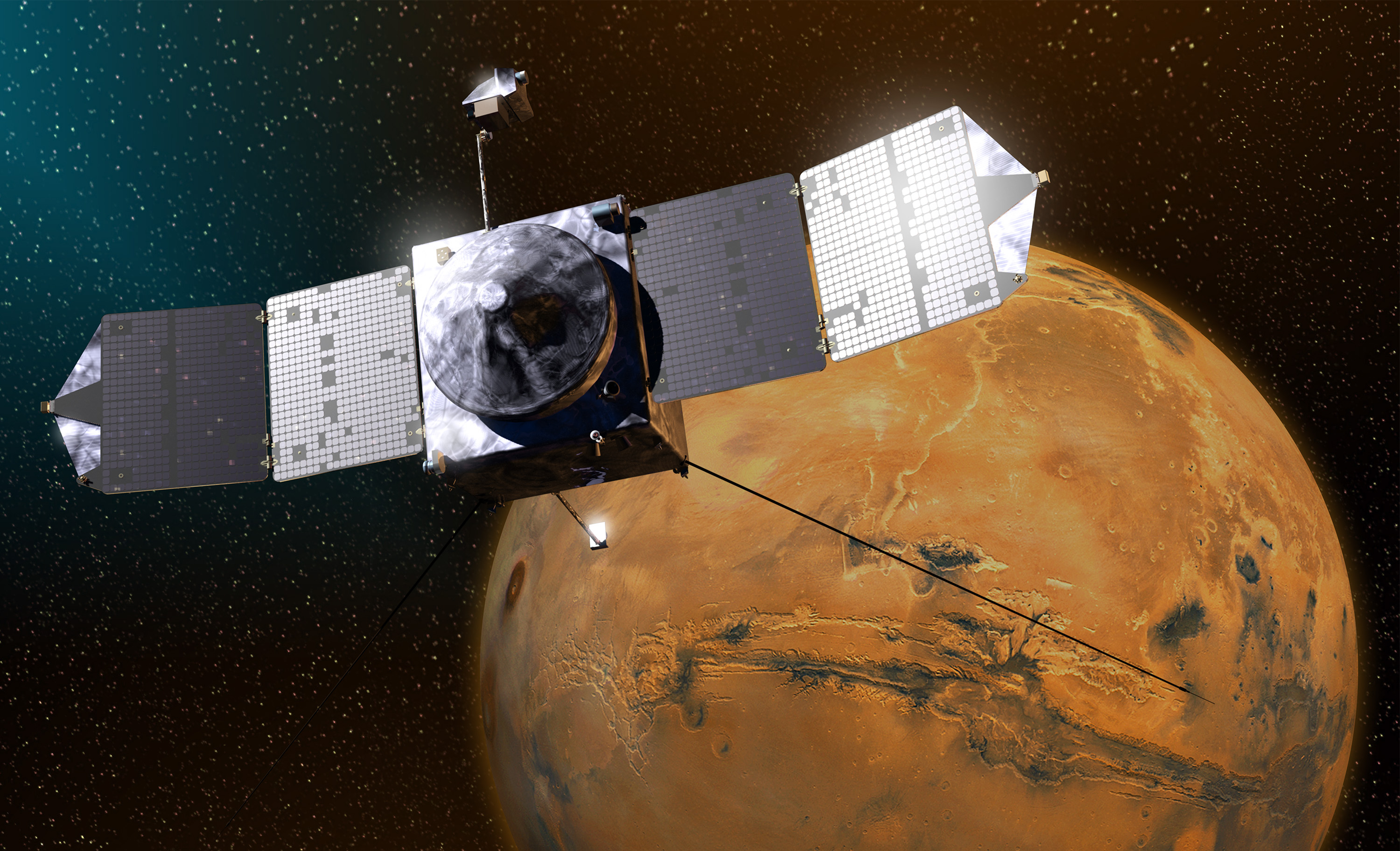
The first mission devoted to observing the Martian atmosphere and its evolution, NASA’s MAVEN (Mars Atmosphere and Volatile Evolution) has ended after more than 11 years in orbit at Mars and a decade beyond its primary, one-year mission.
The spacecraft was heard last on Dec. 6, when it experienced an unexpected loss of signal after it passed behind the Red Planet. A review board NASA convened in February to evaluate recovery efforts and assess MAVEN’s probable current state, determined that the spacecraft is not recoverable, and no longer performing its science and data relay mission.
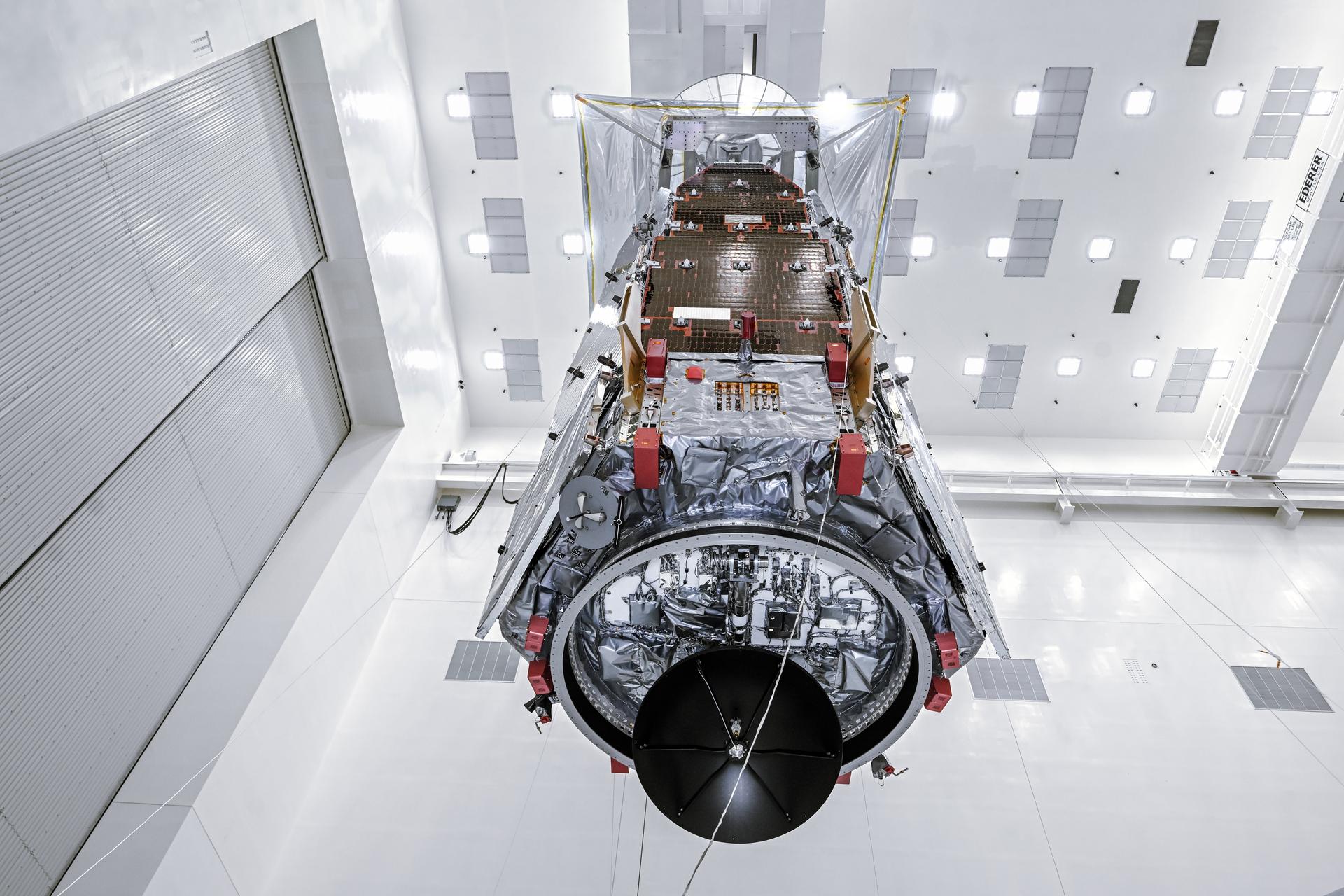
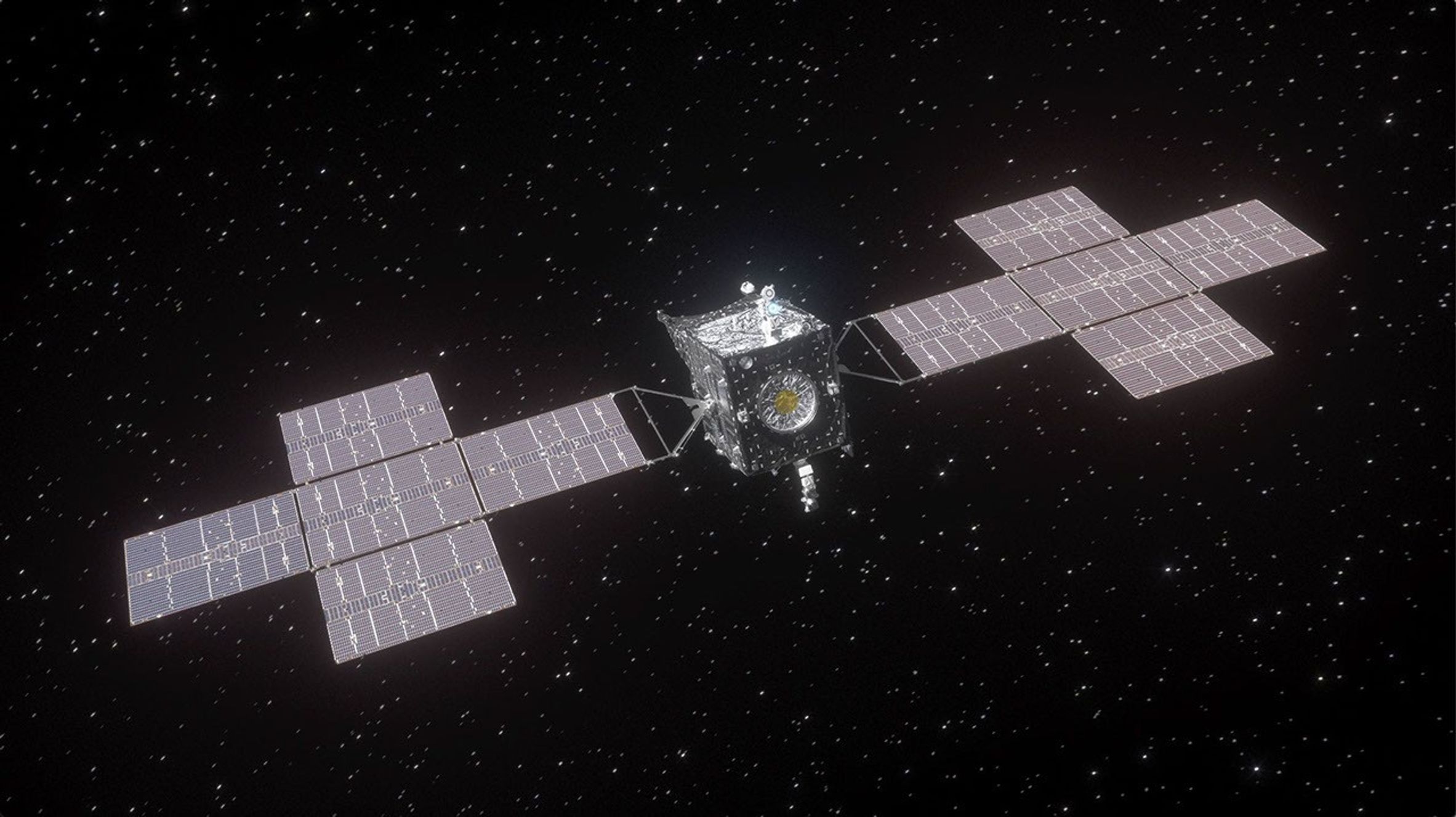
NASA’s Psyche Mission Aces Mars Flyby, Targets Metal-Rich Asteroid
The spacecraft successfully maneuvered around Mars on May 15, speeding it up and setting its course for the main asteroid belt, where it will study the asteroid Psyche in 2029. The flyby also served as a training run, during which Psyche calibrated its instruments ahead of its asteroid encounter, while capturing unique views of the Red Planet.
Read ‘Psyche Aces Mars Flyby’ about NASA’s Psyche Mission Aces Mars Flyby, Targets Metal-Rich Asteroid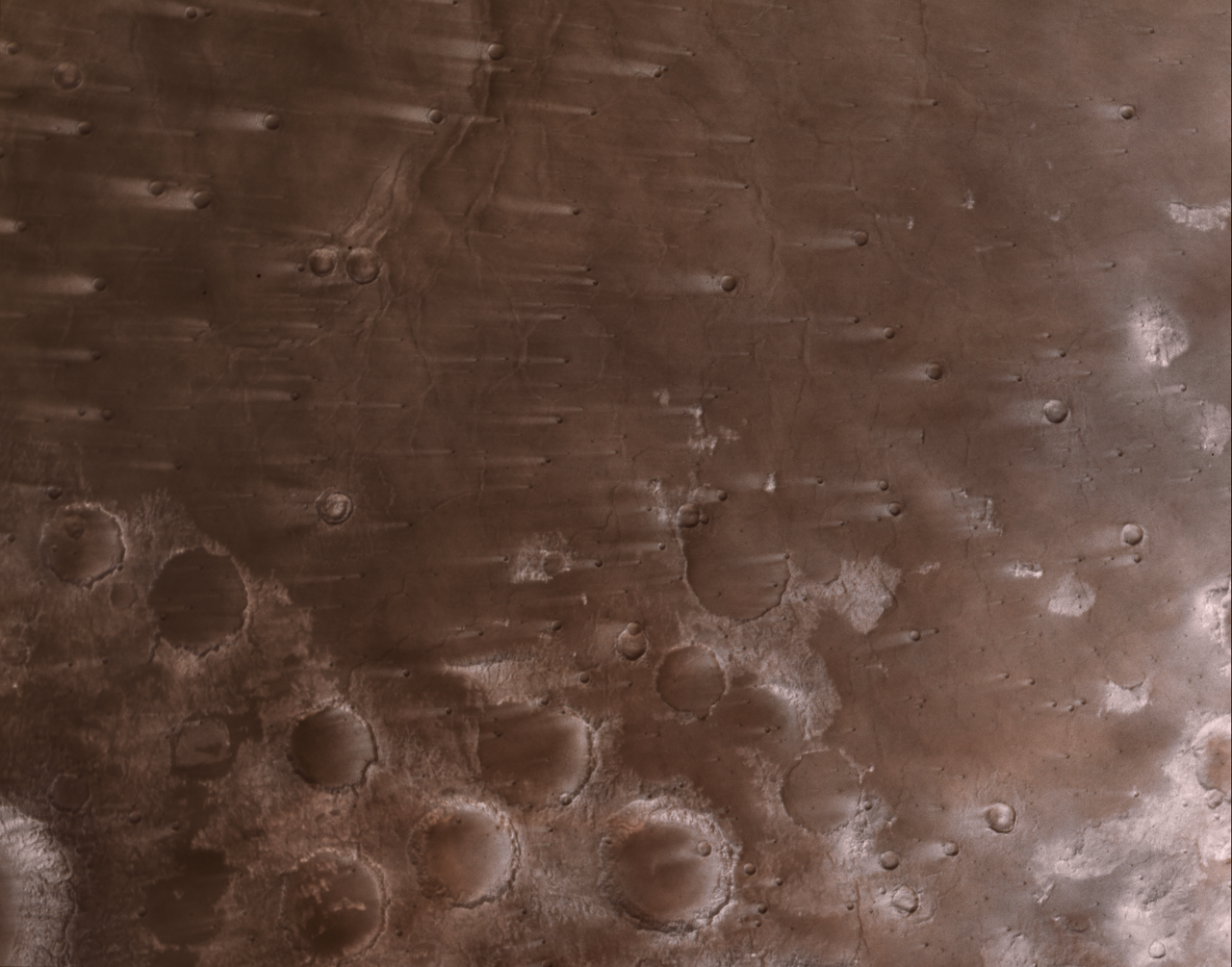
Mars Gives a Boost to the Psyche Mission
Watch the video to learn about the Psyche spacecraft, its mission, its target — a compelling metal-rich asteroid, also named Psyche — and why the Mars gravity assist was crucial to this journey.
Learn More About the Mars Encounter at the Psyche Mission BlogView the Psyche Flyby of Mars, With NASA’s ‘Eyes on the Solar System’
Use NASA's 3D interactive app to visualize the Psyche spacecraft during its journey. Relive the event, the May 15 gravity assist, when Psyche drew on Mars' gravitational pull to speed up and steer the spacecraft toward its destination in the asteroid belt. Or see where Psyche is right now, beyond Mars and en route to explore the intriguing metal-rich asteroid, also named Psyche, in 2029.
Perseverance, Curiosity Exploring Two Sides of Mars
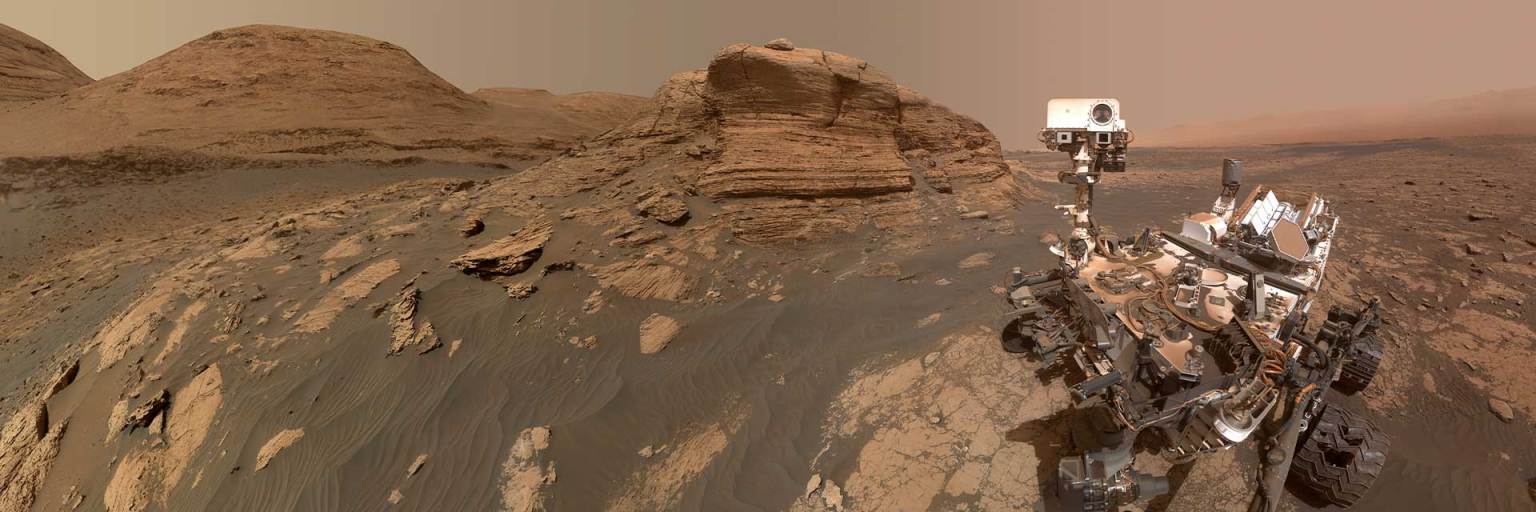
They’re exploring different areas of the Red Planet, about 2,300 miles apart (about 3,700 kilometers), but together the Perseverance and Curiosity rovers are covering billions of years of Mars’ history. They’re digging into the evidence on the ground, teaching us more and more about how Mars formed, how it changed from an environment that was once wetter and warmer, and whether it was ever home to ancient microbial life. They’ve even captured detailed panoramas, to show off the very different terrain they each are studying.
Read More: ‘NASA’s Perseverance, Curiosity Panoramas Capture Two Sides of Mars’How We Explore Mars
NASA has five active missions at the Red Planet and a future mission under study.
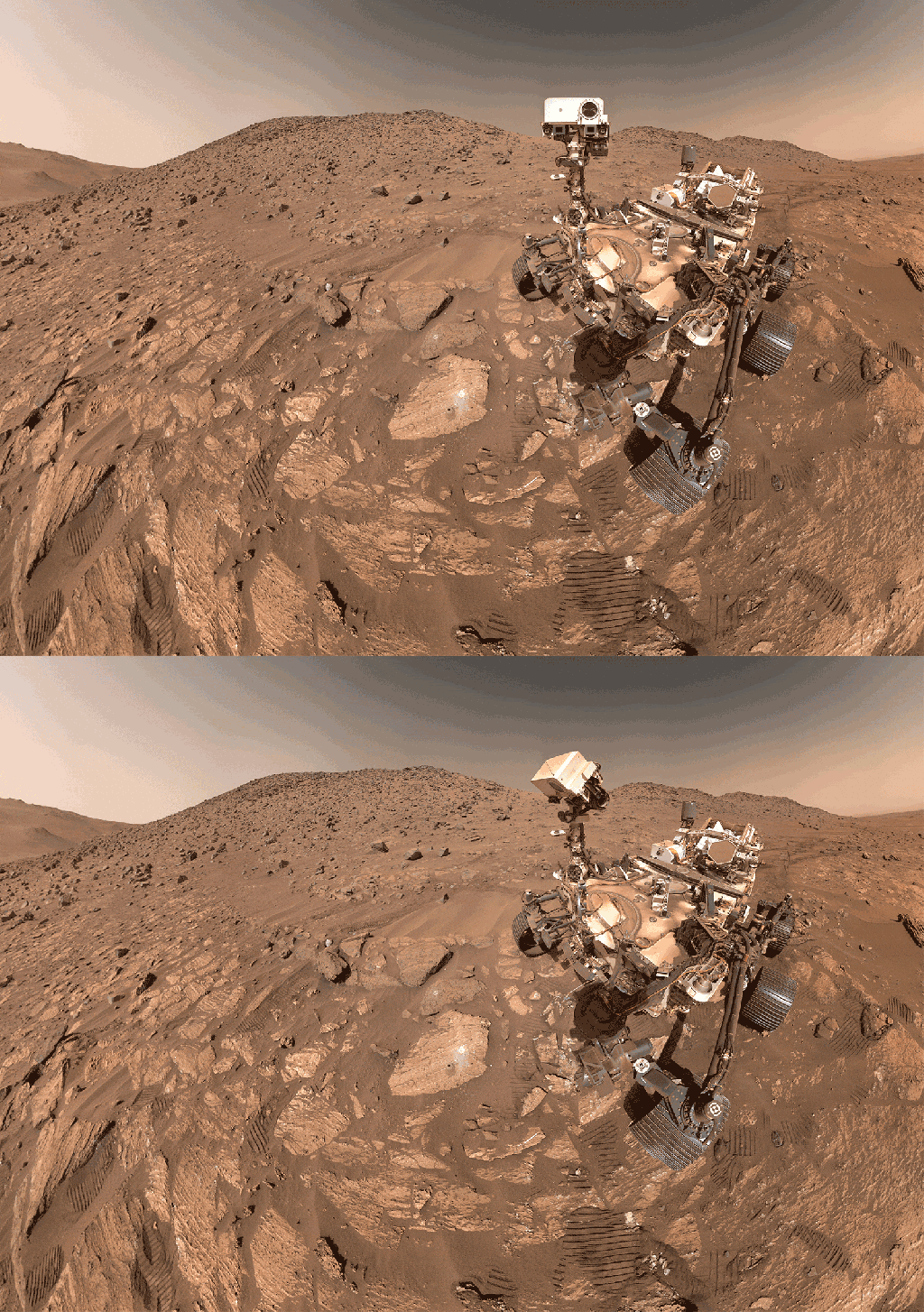
PERSEVERANCE MARS ROVER | Active Mission
The Mars 2020 mission Perseverance rover is the first step of a proposed roundtrip journey to return Mars samples to Earth.
Launch: July 30, 2020 | 11:50 UTC
Mars Landing: Feb. 18, 2021 | 20:55 UTC
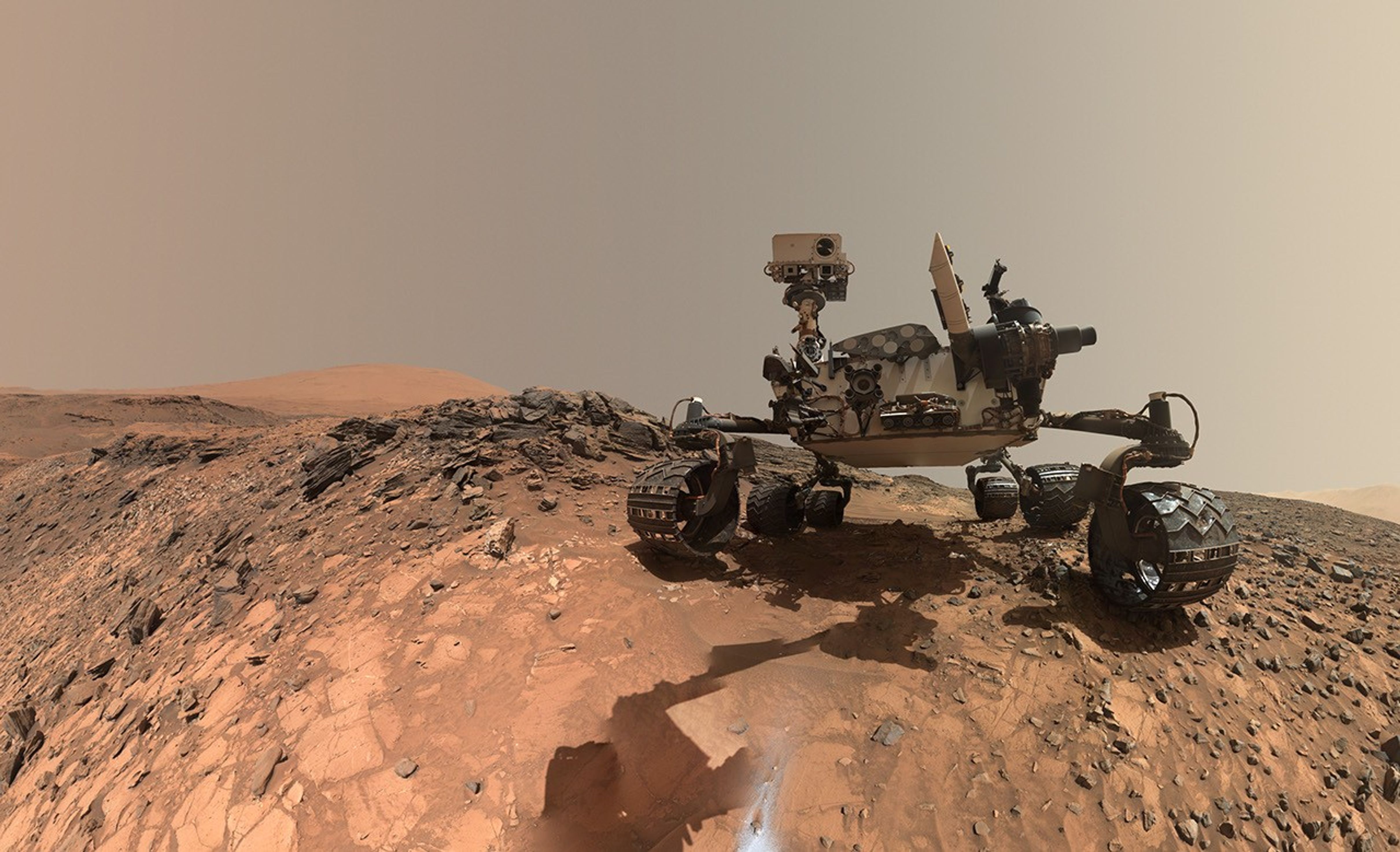
CURIOSITY MARS ROVER | Active Mission
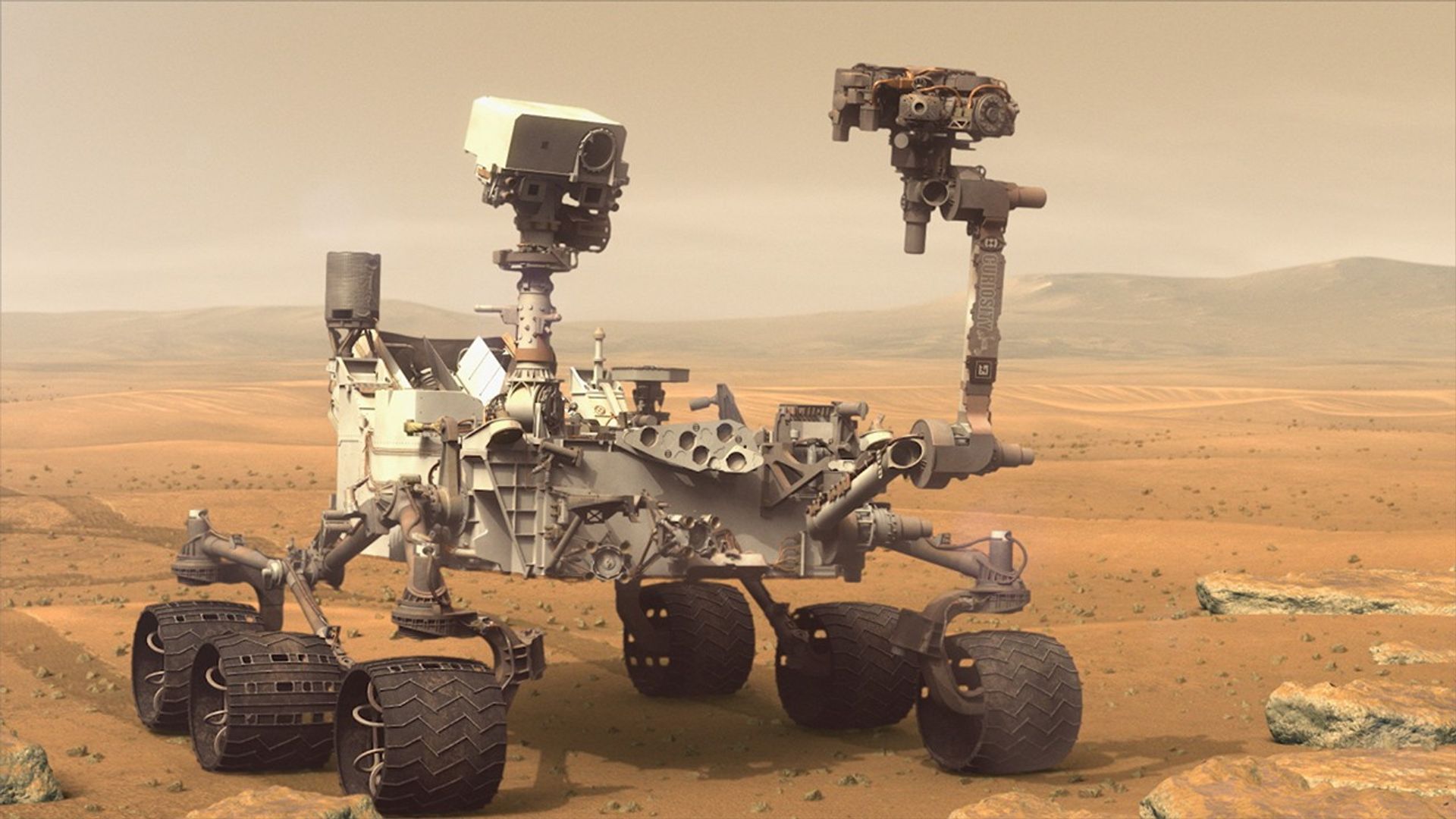
Curiosity is investigating Mars to determine whether the Red Planet was ever habitable to microbial life.
Launch: Nov. 26, 2011 | 15:02 UTC
Mars Landing: Aug. 6, 2012 | 05:32 UTC
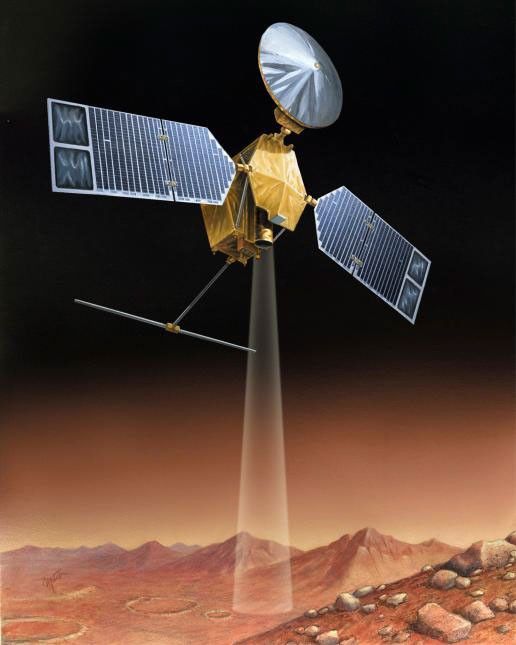
MARS RECONNAISSANCE ORBITER | Active Mission
Mars Reconnaissance Orbiter searches for evidence that water persisted on the surface of Mars for a long period of time.
Launch: Aug. 12, 2005
Mars Arrival: Mar. 10, 2006
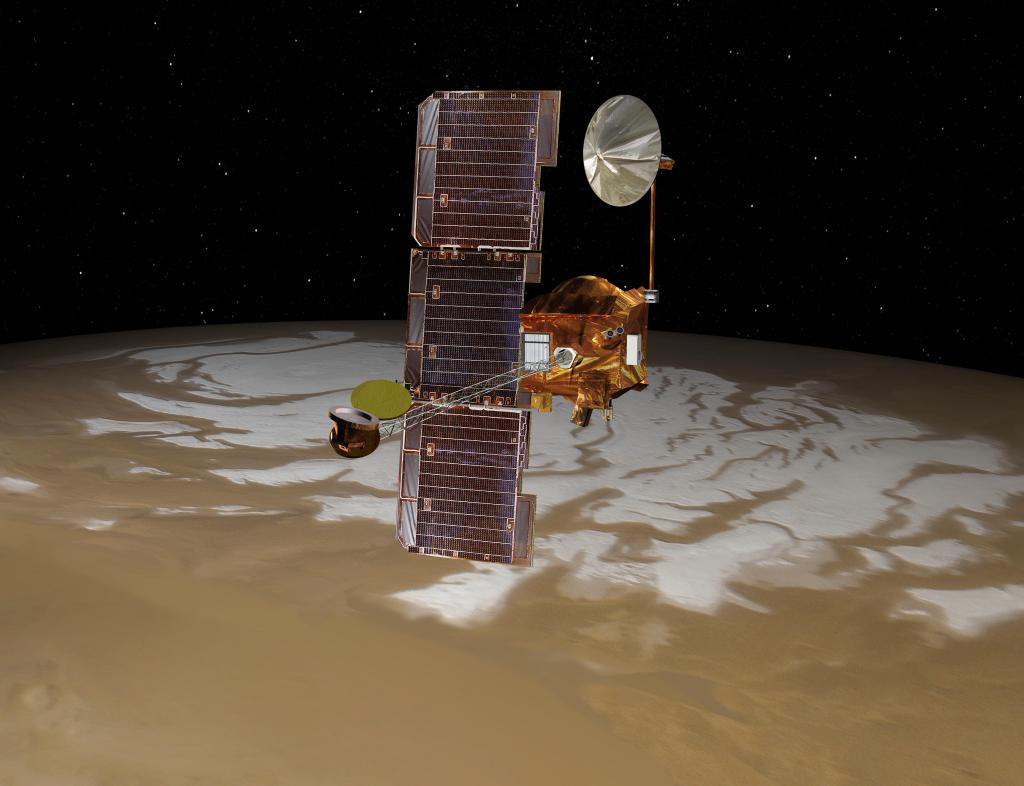
MARS ODYSSEY | Active Mission
Mars Odyssey mission created the first global map of chemical elements and minerals that make up the Martian surface.
Launch: April 7, 2001 | 15:02:22 UTC
Mars Arrival: Oct. 24, 2001
NASA’s Curiosity Finds Organic Molecules Never Seen Before on Mars
After years of lab work, the results are in: A rock that NASA’s Curiosity Mars rover drilled and analyzed in…
Read the Story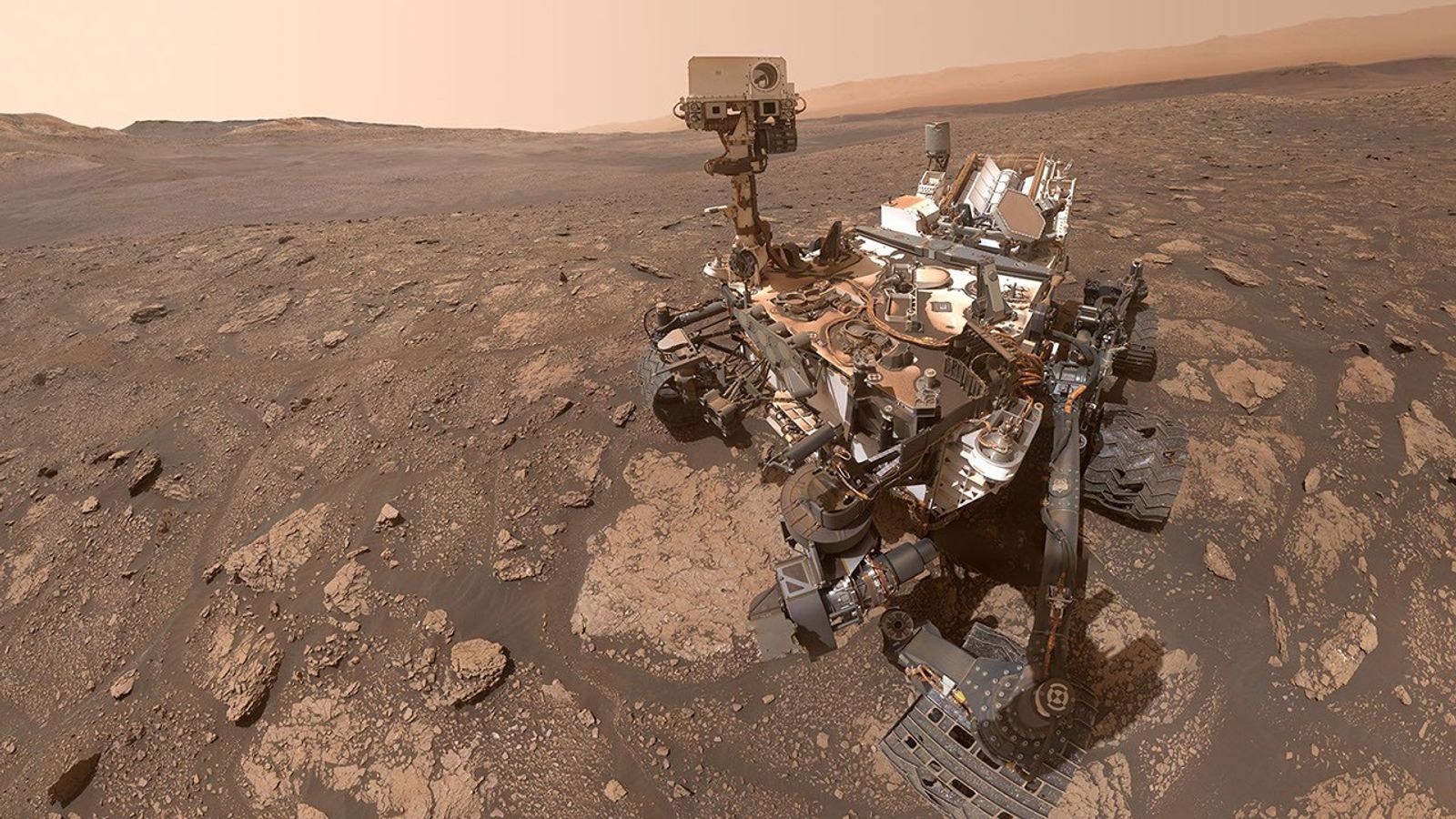
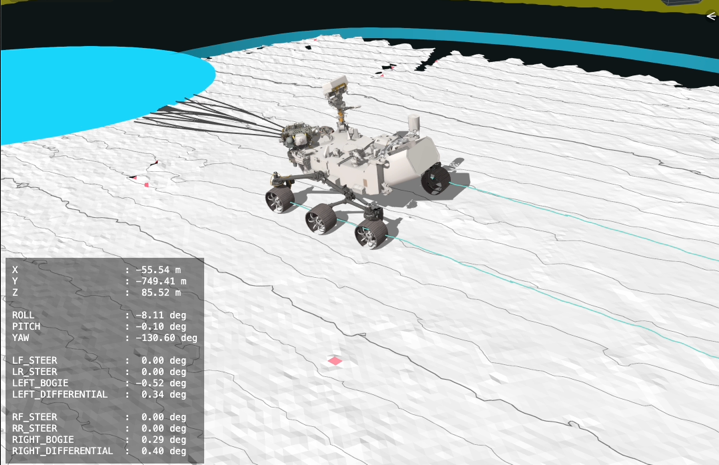
Perseverance Completes First Artificial Intelligence-Planned Drives on Another Planet
The demonstration, executed on Dec. 8 and 10, used generative AI to create waypoints for Perseverance, a complex decision-making task typically performed by human rover planners. They usually analyze terrain to sketch a route that avoids any potential hazards, then send that plan to the rover. The vast distance to Mars creates a significant communication lag, so real-time remote driving is impossible. Increased autonomous navigation holds a promise of improved mission efficiency and broadened exploration.
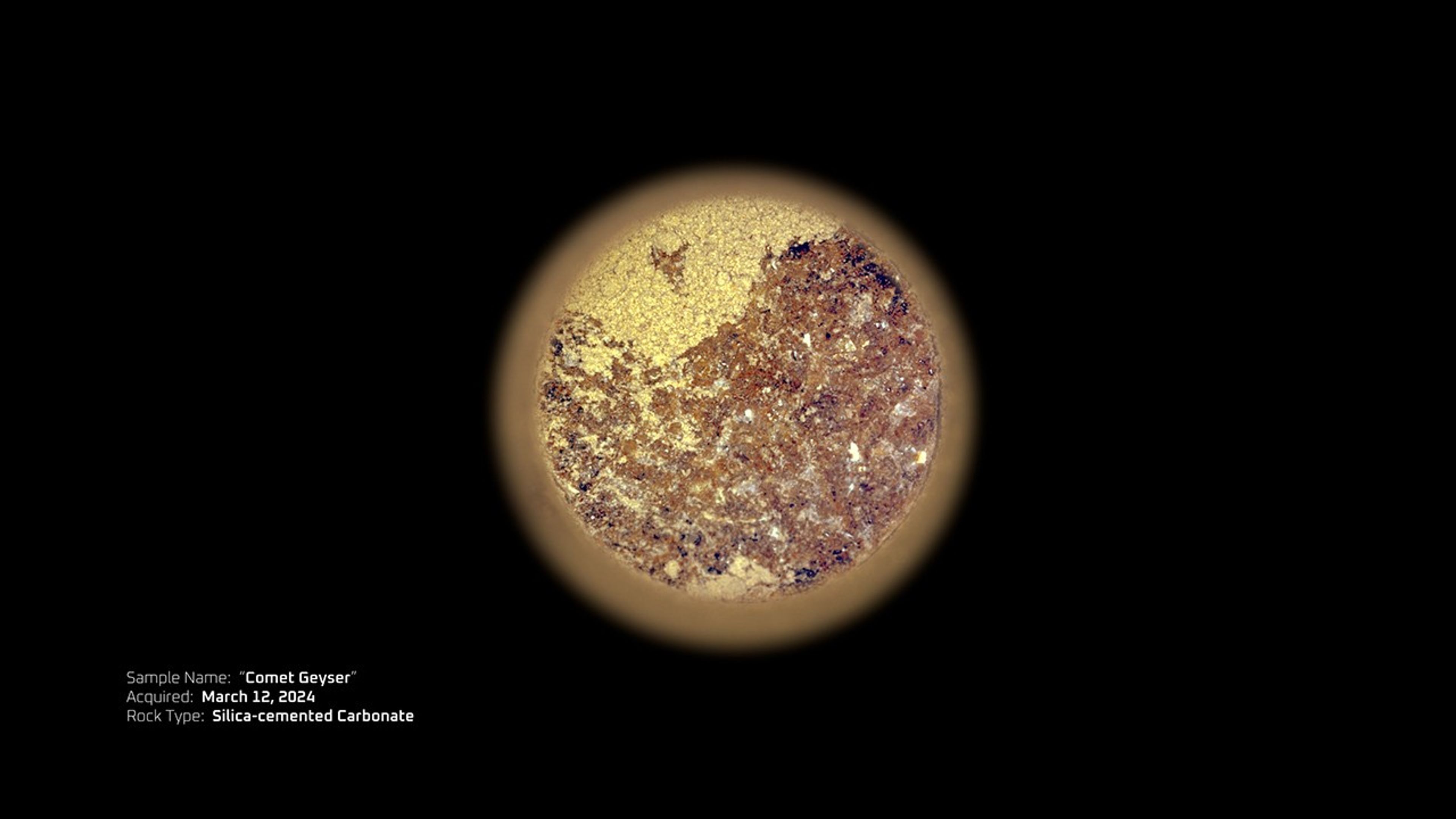
Read ‘NASA’s Perseverance Rover Completes First AI-Planned Drive on Mars’Meet the Mars Samples: Sapphire Canyon (Sample 25)
Meet the 25th Martian sample collected by NASA’s Mars Perseverance rover – “Sapphire Canyon” – a sample taken from a vein-filled rock named “Cheyava Falls.” The arrowhead-shaped rock contains compelling features that may help answer whether Mars was home to microscopic life in the distant past.
Learn More About 'Sapphire Canyon'Why Do We Go?
Mars is one of the most explored bodies in our solar system, and it's the only planet where we've sent rovers to explore the alien landscape. NASA missions have found lots of evidence that Mars was much wetter and warmer, with a thicker atmosphere, billions of years ago.
Explore Mars with Us about Why Do We Go?
Mars Relay Network: Communications Bridge Between Mars & Earth
entered mars orbit: March 10, 2006
Celebrating NASA’s Mars Reconnaissance Orbiter’s 20th Anniversary
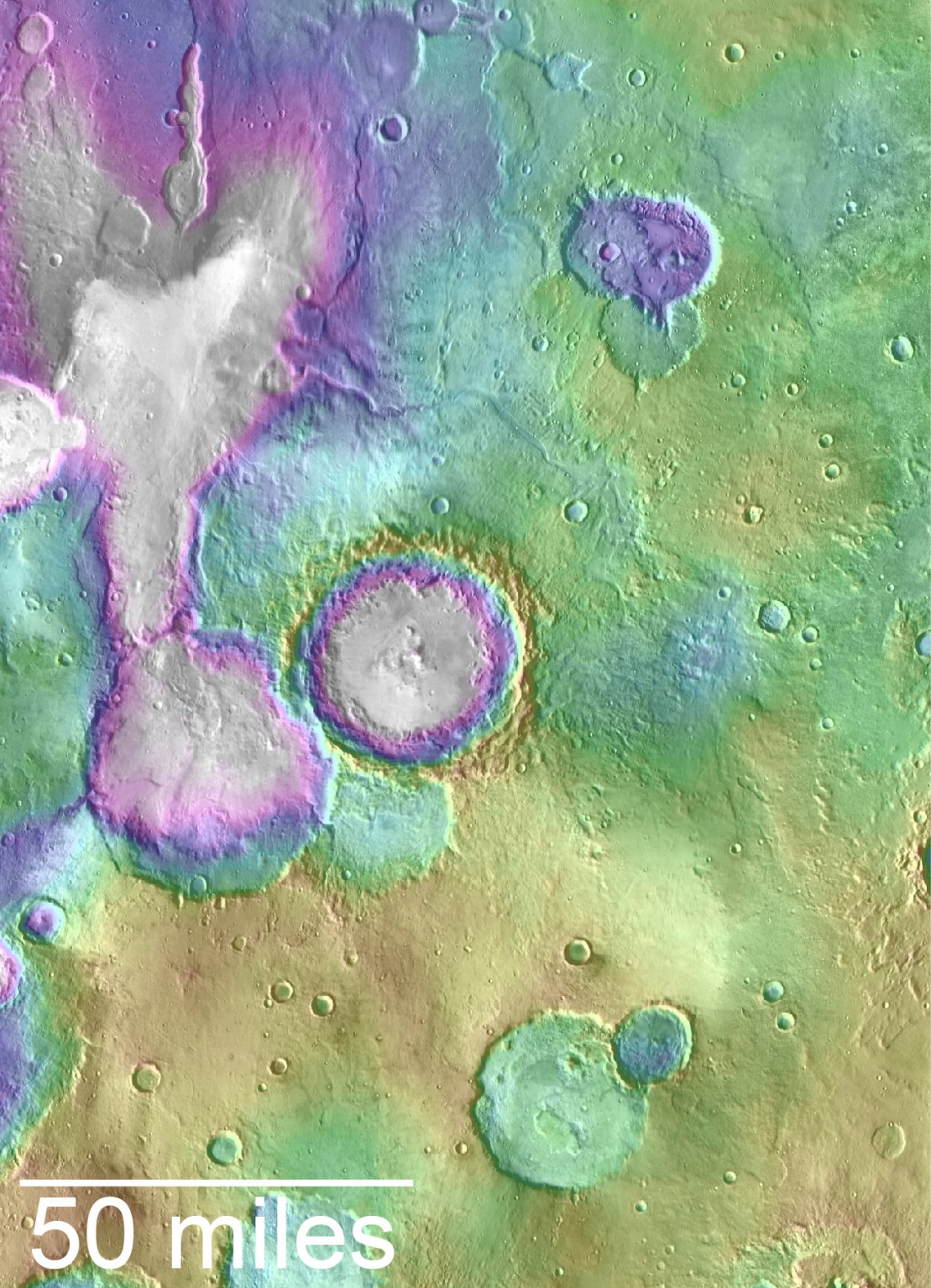
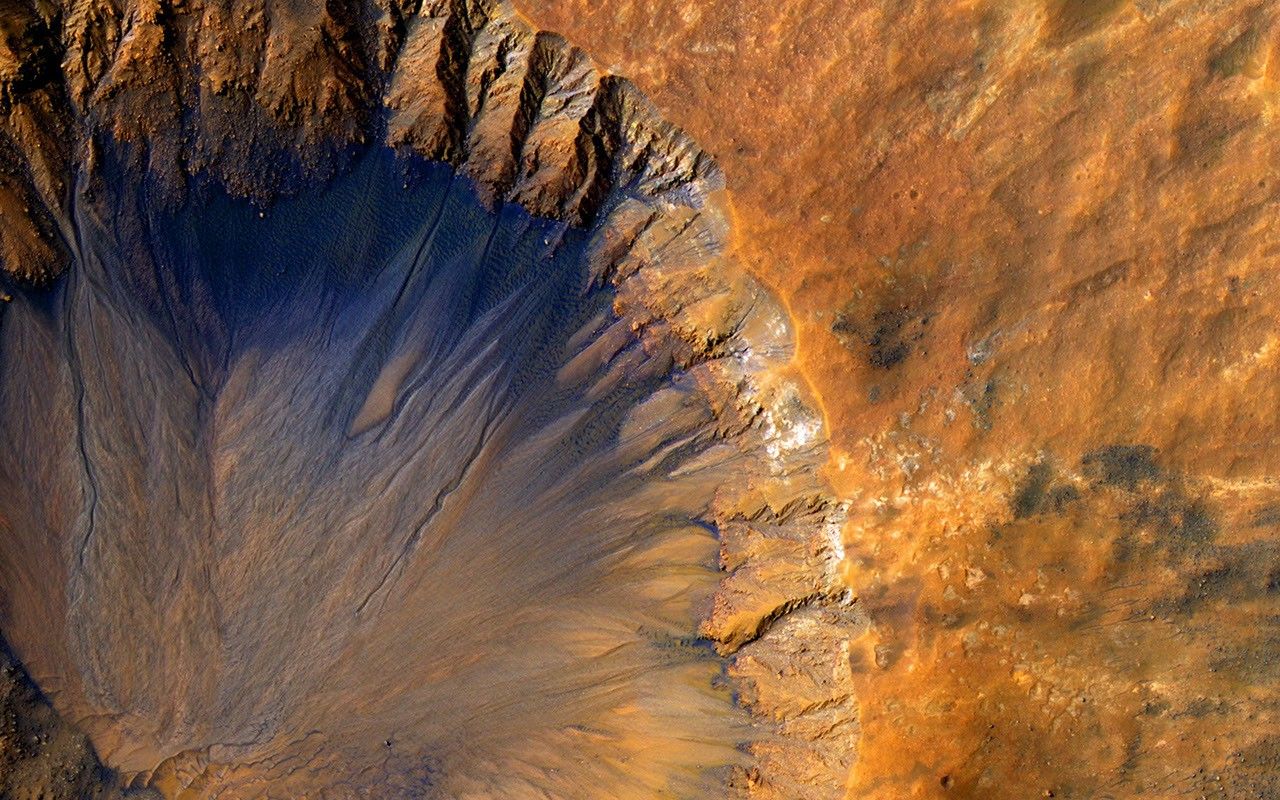
Crater Near Sirenum Fossae
This impact crater, as seen by NASA's Mars Reconnaissance Orbiter in 2015, appears relatively recent as it has a sharp rim and well-preserved ejecta.
Credits: NASA/JPL-Caltech/Univ. of Arizona

Mars Resources
View the one-stop shop for all Mars iconic images, videos, and more!
Explore All Mars Resources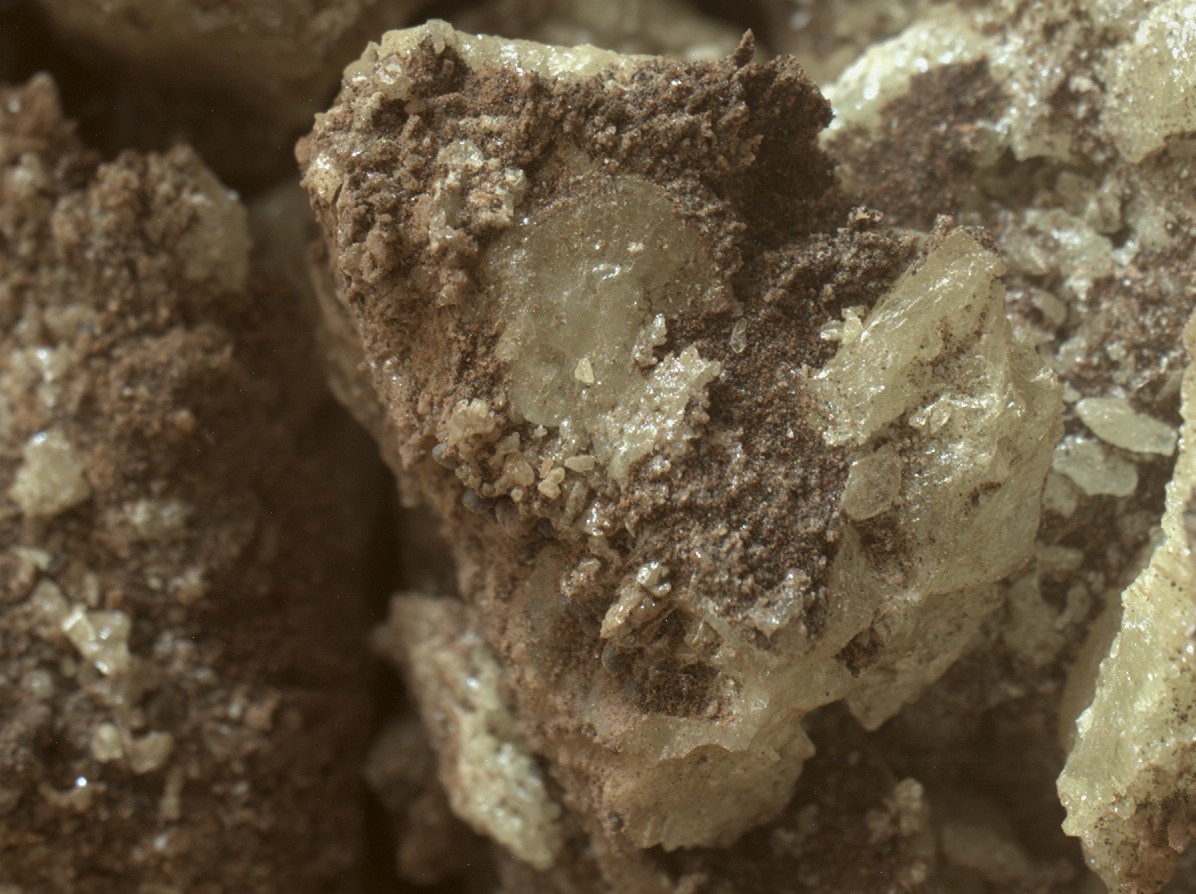

Beyond the Moon
Humans to Mars
Like the Moon, Mars is a rich destination for scientific discovery and a driver of technologies that will enable humans to travel and explore far from Earth.
Mars remains our horizon goal for human exploration because it is one of the only other places we know in the solar system where life may have existed. What we learn about the Red Planet will tell us more about our Earth’s past and future, and may help answer whether life exists beyond our home planet.
Learn More About Humans to Mars about Humans to Mars