















1 min read
How Can We Find Hidden Planets?
Planets are very small and faint compared to the stars they orbit, which makes them very difficult to observe, but newly formed planets have much more dramatic effects on the gas and dusty disks they come from.
Production Details
All images, illustrations, and videos courtesy of NASA and STScI except:
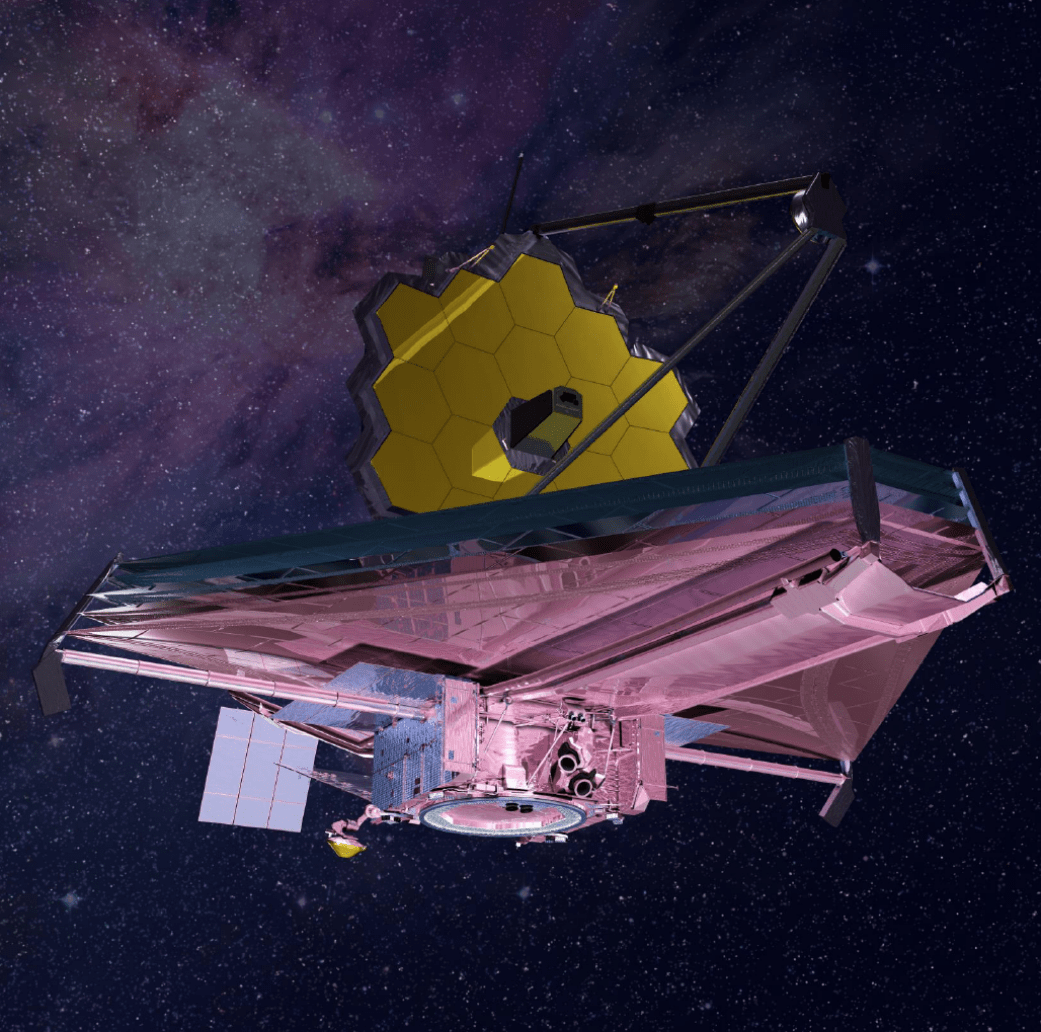
- Webb telescope animation courtesy of NASA, SkyWorks Digital, Northrop Grumman, STScI
The science operations for NASA’s James Webb Space Telescope, developed in partnership with the European Space Agency and the Canadian Space Agency, are conducted by AURA’s Space Telescope Science Institute.
Many thanks to Greg Bacon, John Godfrey, Hussein Jirdeh, Jason Kalirai, Brandon Lawton, Alexandra Lockwood, Marc Lussier, Charlie McWade, Bonnie Meinke, Joseph Olmsted, Roy Renza, Denise Smith, and Frank Summers.
- Release DateNovember 19, 2019
- CreditProducer: OPO–STScI, NASA, ESA, CSA; Narration: Nicole Fonarow; Writer: Joel Green (STScI), Vonessa Schulze (STScI); Designer: Leah Hustak (STScI); Music: APM; Sound effects: Freesound, SoundBible
Share
Details
Laura Betz
NASA’s Goddard Space Flight Center
Greenbelt, Maryland
laura.e.betz@nasa.gov
OPO?STScI, NASA, ESA, CSA
Nicole Fonarow
Joel Green (STScI), Vonessa Schulze (STScI)
Leah Hustak (STScI)
APM
Freesound, SoundBible