1 min read
What About Other Worlds?
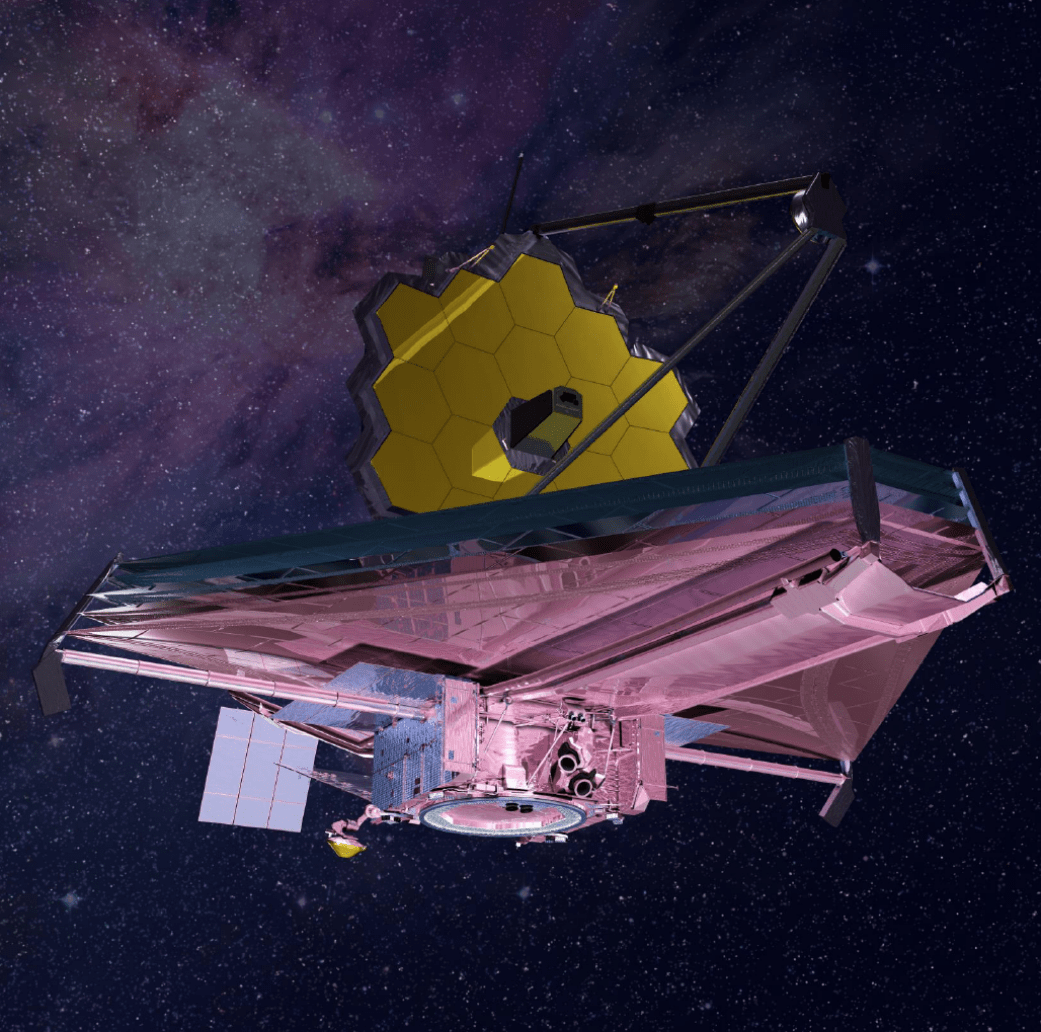
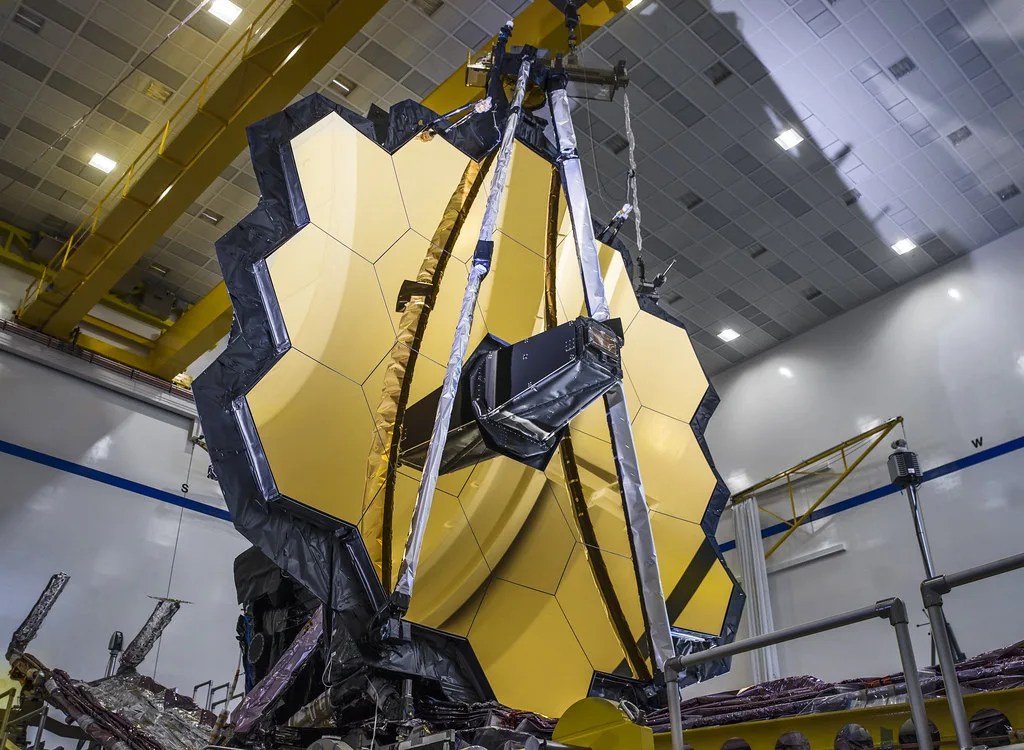
How can we detect planets around other stars? Planets are very faint and small compared to the stars they orbit. To overcome this challenge, scientists use a variety of techniques to find and characterize these planets. With thousands of newly discovered planetary systems, the next step is to find out what these planets are like. The James Webb Space Telescope will study their atmospheres to look for organic molecules, clouds, and haze to determine how similar they are to Earth.
Production Details
All images, illustrations, and videos courtesy of NASA and STScI except:
- Webb telescope animation (courtesy of NASA, SkyWorks Digital, Northrop Grumman, STScI)
- TRAPPIST-1 planet lineup and planetary orbits (courtesy of the Jet Propulsion Laboratory)
- Sound effects courtesy of FreeSound.org (users Mark DiAngelov and Hybrid_V)
- Lazer Rifle Zoom In-Out Effect by Hybrid_V, License: Attribution 4.0
The science operations for NASA’s James Webb Space Telescope, developed in partnership with the European Space Agency and the Canadian Space Agency, are conducted by AURA’s Space Telescope Science Institute.
Many thanks to Greg Bacon, John Godfrey, Leah Hustak, Hussein Jirdeh, Brandon Lawton, Nikole Lewis, Alexandra Lockwood, John Maple, Charlie McWade, Bonnie Meinke, Christine Pulliam, Roy Renza, Leah Ramsay, Denise Smith, and Frank Summers.
- Release DateNovember 18, 2019
- CreditProducer: OPO–STScI, NASA, ESA, CSA; Narration: Nicole Fonarow; Writer: Joel Green (STScI), Vonessa Schulze (STScI); Designer: Joseph Olmsted (STScI); Music: APM; Sound effects: Freesound
Downloads
Share
Details
Laura Betz
NASA’s Goddard Space Flight Center
Greenbelt, Maryland
laura.e.betz@nasa.gov
OPO?STScI, NASA, ESA, CSA
Nicole Fonarow
Joel Green (STScI), Vonessa Schulze (STScI)
Joseph Olmsted (STScI)
APM
Freesound