













ROSES-24 Amendment 54: D.9 NuSTAR Due Date Moved up to January 29, 2025
4 October 2024
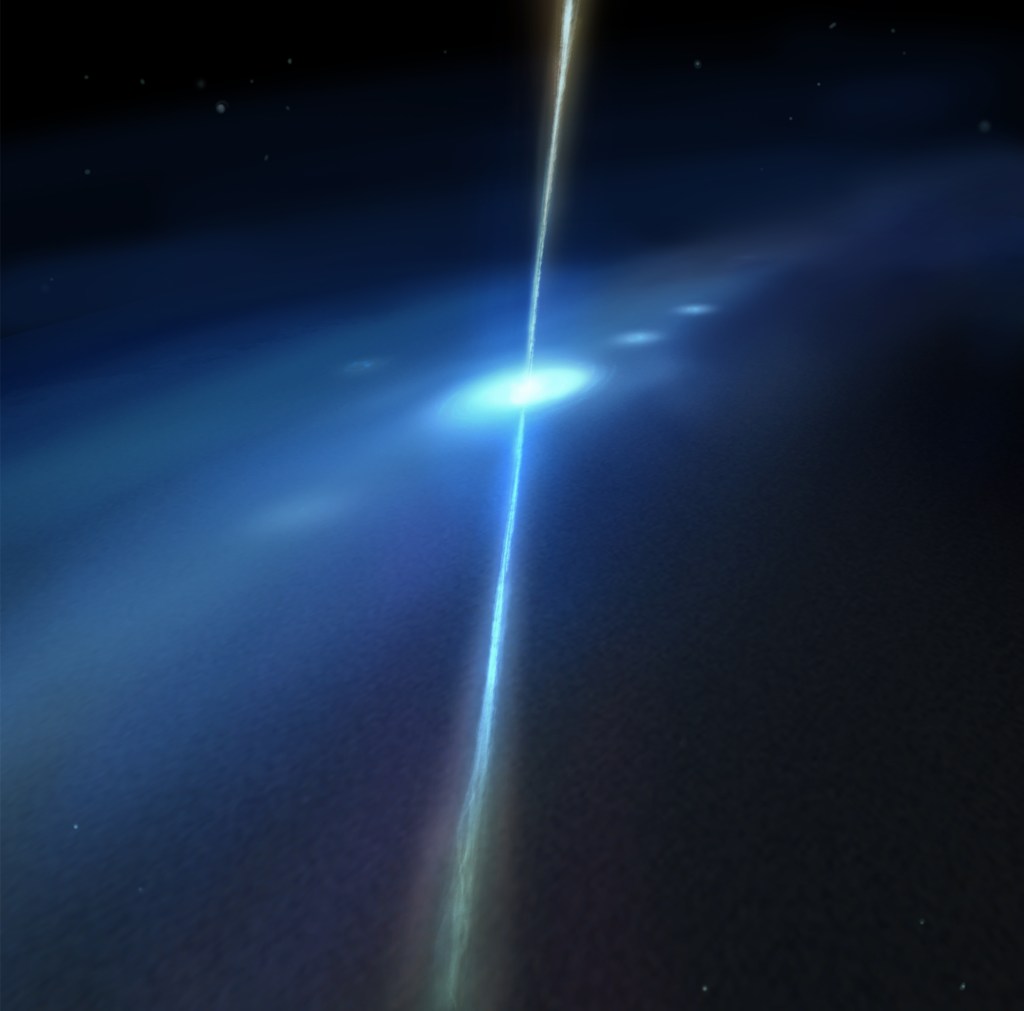
NuSTAR General Observer — Cycle 11 (D.9 NuSTAR) solicits proposals for basic research relevant to the NuSTAR mission. NuSTAR Cycle 11 will commence on or about June 1, 2025, and last for a nominal period of 12 months, subject to the mission being extended beyond September 2025 by Astrophysics Senior Review. Further details on the Cycle 11 program may be found at http://nustar.gsfc.nasa.gov. Funding for investigations selected under D.9 NuSTAR is available only to individuals at U.S. institutions who are identified as Principal Investigators (PIs). U.S.-based Co-Investigators on non-U.S.-led proposals are not eligible for funding.
ROSES-2024 Amendment 54 moves up the Phase-1 proposal due date for D.9 NuSTAR earlier to January 29, 2025, and makes several changes to the text: Information about NuSTAR observing time available through the IXPE GO program has been added in Sections 1.1, 1.3, and 1.3.4. NuSTAR Cycle 11 observing time available for ToO proposals has been increased to 1.5 Ms, see Section 1.3.4. A small change was also made to Section 2.1. New text is in bold and deleted text is struck through.
On or about September 27 2024, this Amendment to the NASA Research Announcement "Research Opportunities in Space and Earth Sciences (ROSES) 2024" (NNH24ZDA001N) will be posted on the NASA research opportunity homepage and will appear on SARA's ROSES blog.
Technical questions concerning D.9 NuSTAR may be directed to Tod Strohmayer at tod.e.strohmayer@nasa.gov. Programmatic information may be obtained from Hashima Hasan at hhasan@nasa.gov.
News Straight to Your Inbox
Subscribe to your community email news list
We will never share your email address.
