






















NASA’s Dragonfly Gets Wired Up While Titan Landing Area Is Named
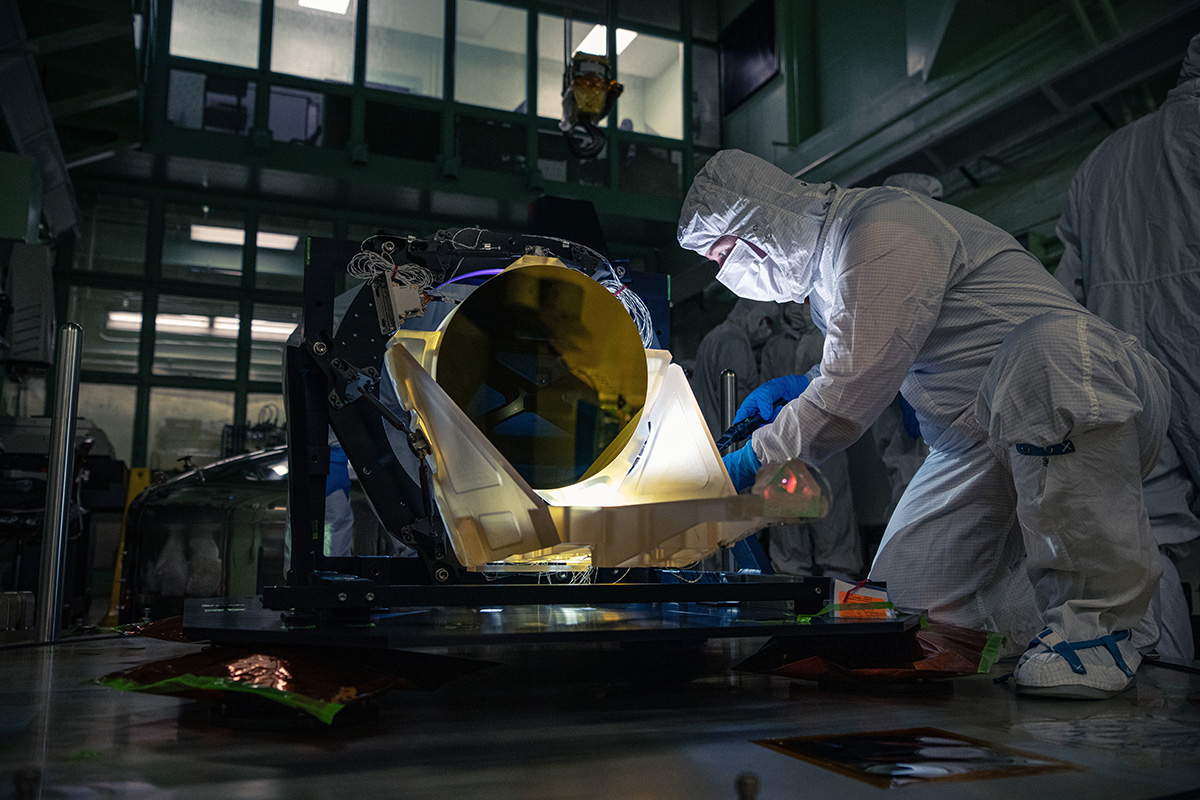
Peeking into the clean room at the Johns Hopkins Applied Physics Laboratory (APL) in Laurel, Maryland, it might be one of the first things you notice about NASA’s Dragonfly: the dozens of silver cables snaking around and through the structure of the in-progress, Titan-bound rotorcraft.
Collectively, these bundles of wires, cables, and connectors make up the spacecraft’s electrical harness. It’s Dragonfly’s nervous system, fitted to securely transmit power and data between the lander’s computers, actuators, sensors, scientific instruments, and battery.
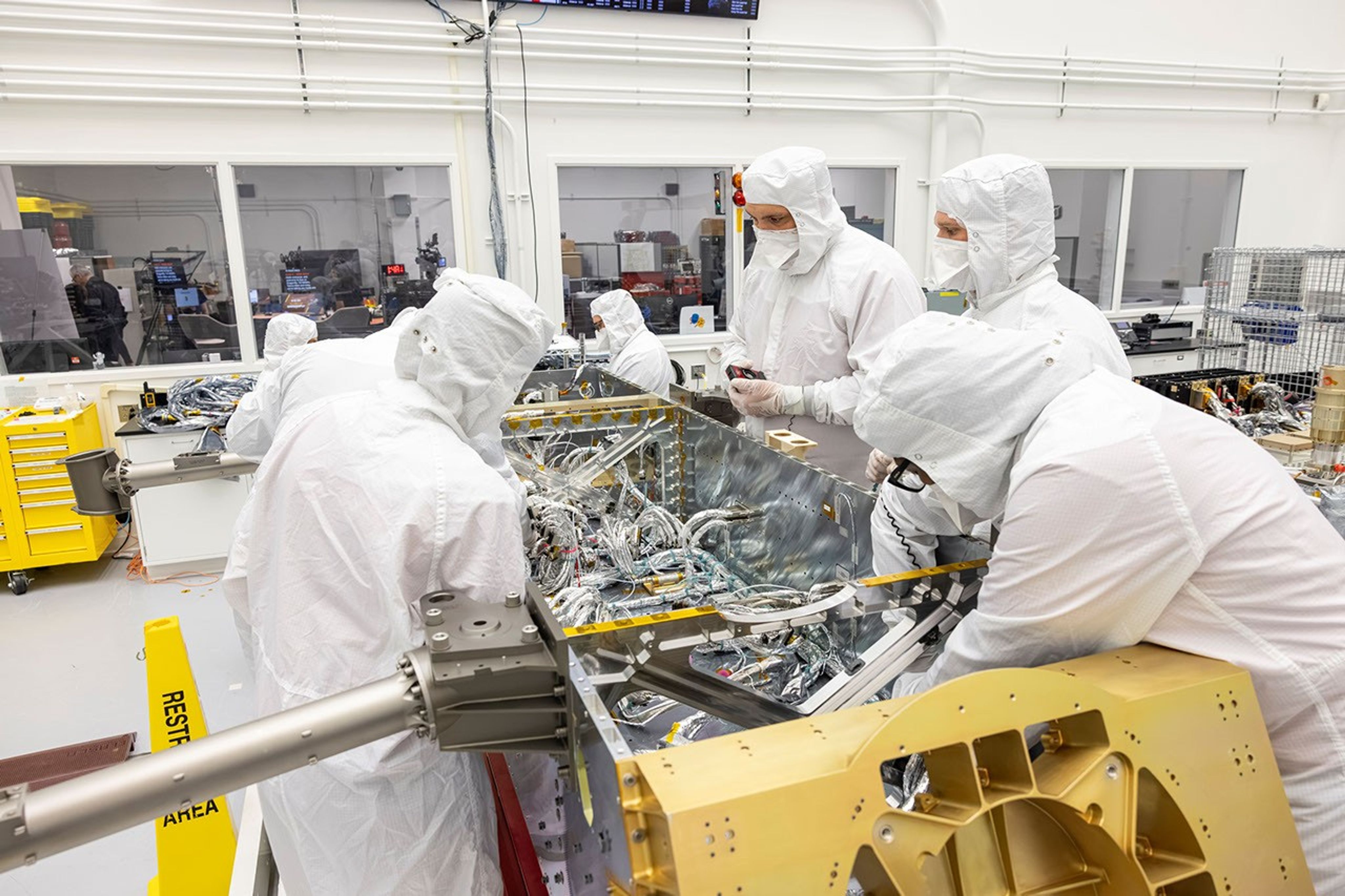
“The harness doesn’t do anything by itself, but it is necessary for everything else to function,” said Jackie Perry, Dragonfly lander harness lead at APL, which is responsible for designing, building, and operating the rotorcraft for NASA. “It’s critical hardware that exists only to serve the rest of the lander. We can’t do anything without it.”
Perry’s small team of engineers and technicians reached a major milestone in July when it installed the harness on the flight fuselage. “Once the flight structure was delivered and the remote interface units and temperature sensors were installed, we were able to start laying the harness,” Perry said.
The wiring harness is typically one of the first components delivered to a spacecraft. Dragonfly passed its critical design review in 2022; fabrication began in late 2024 and finished about a year later. The wire is silver-coated copper, insulated in a heat-resistant, durable polymer coating and wrapped with aluminum, which is then attached to plastic and metal connectors. Dragonfly is scheduled to launch in summer 2028 and reach Saturn’s moon Titan in late 2034
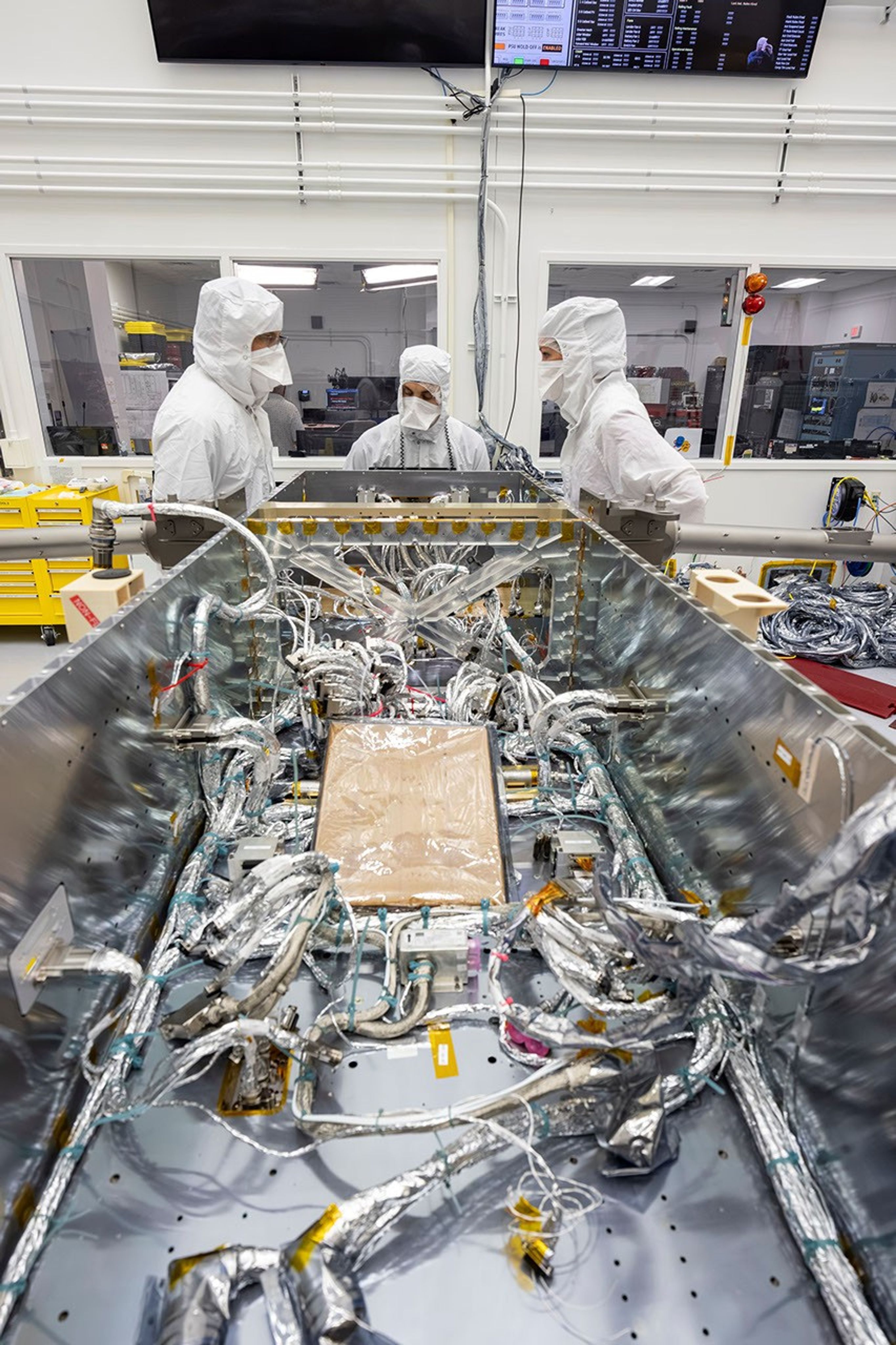
Dragonfly’s operating environment on Titan poses some unique challenges. Because of the rotorcraft’s thermos bottle design – insulated to retain heat from its nuclear power source and stay warm in Titan’s extremely cold conditions – the harness had to be designed to route under a layer of thick foam insulation on the outside of the lander and accommodate the circulation of that warm air through the inside. The rotorcraft’s high power demands require both 4- and 8-gauge wire, Perry said, yet the harness has to be flexible enough to weave through a packed interior that includes the flight system and instrument boxes, as well as a nearly 300-pound battery.
The team will continue connecting the harness to science instruments and other flight components as they’re delivered to APL for integration and additional testing.
Titan target area lands name
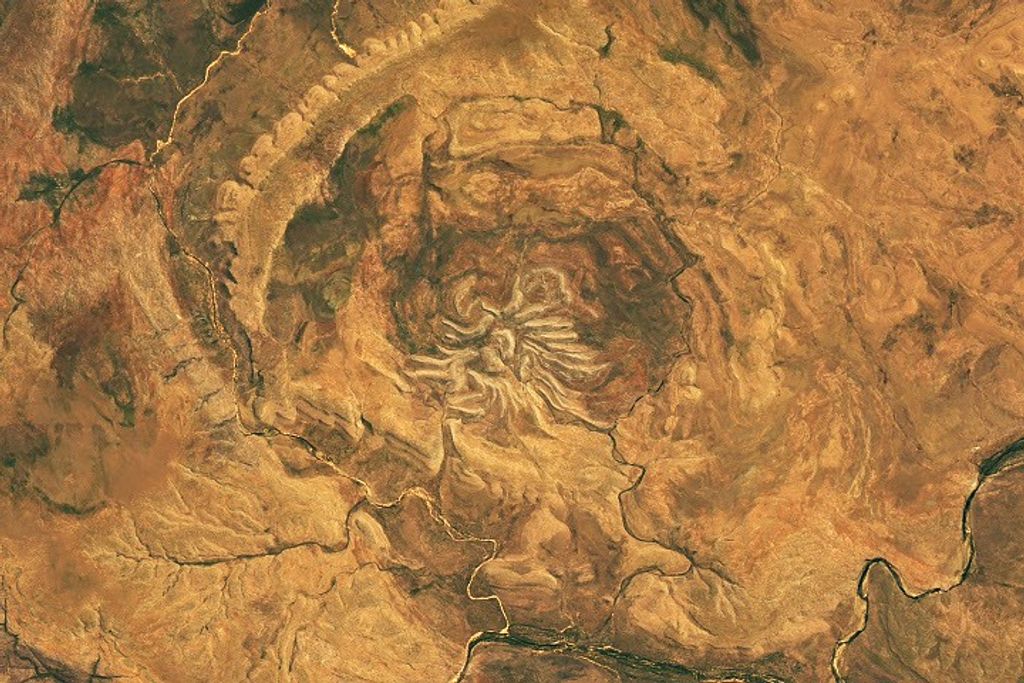
The International Astronomical Union (IAU), the global body responsible for officially designating objects in space, has approved a name for the large dune field where Dragonfly will land on Titan: Ahmakiq Undae. The region consists of dunes and interdune areas to the south of Selk Crater, extending to the edge of a range of hills or mountains.
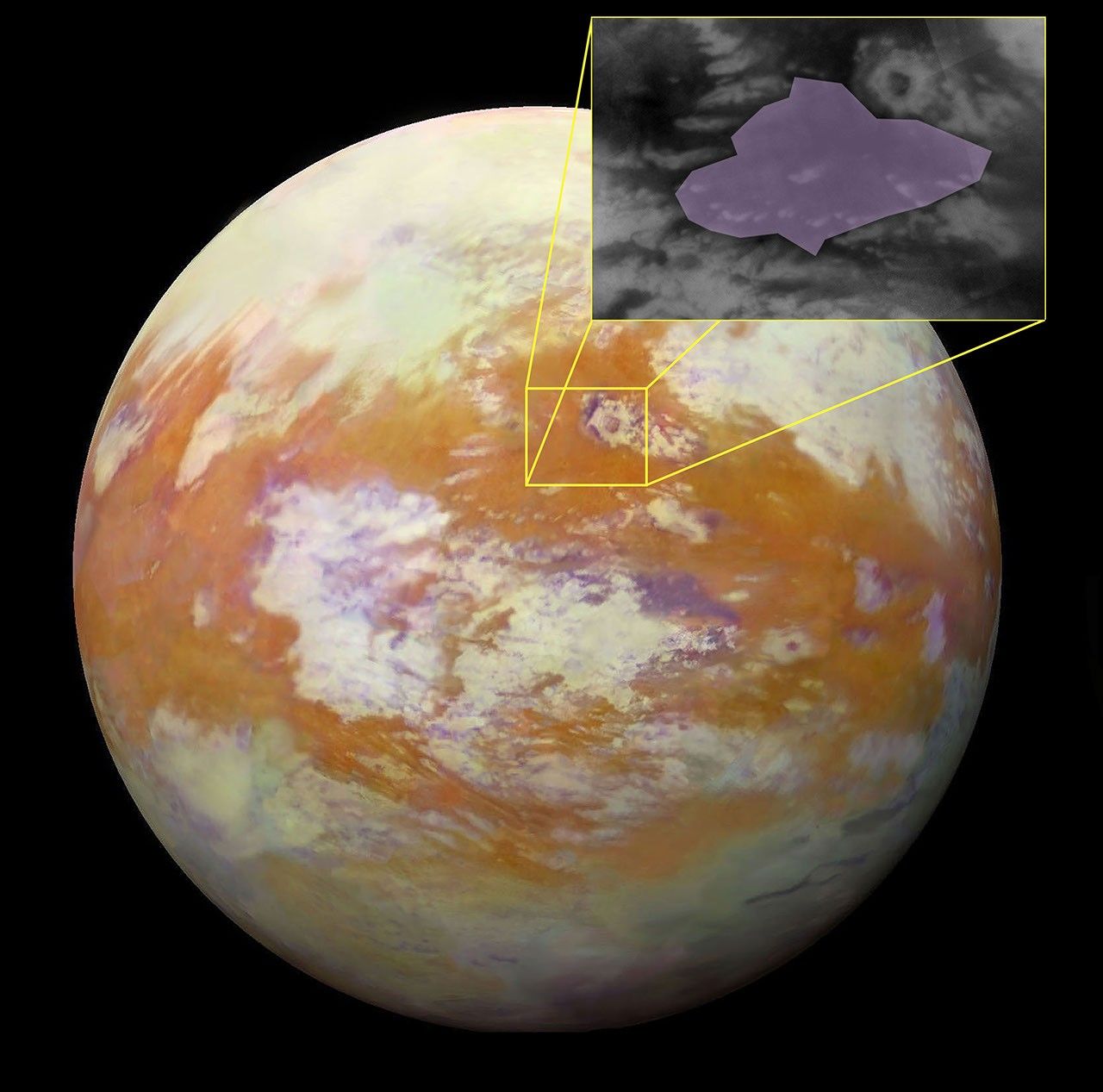
In the Mayan tradition, people appealed to the spirit Ahmakiq (pronounced “ah-mahk-eek”) to stop strong winds from damaging their crops. The name literally translates to the “one who locks up the wind,” and aligns with the IAU convention of naming dune fields – or undae, in Latin after gods and goddesses of wind. The Dragonfly team chose Ahmakiq from a list of IAU suggestions.
Once Dragonfly reaches Titan, the rotorcraft will conduct a 3.3 year primary mission, exploring diverse environments from organic dunes to deposits associated with an impact crater – Selk Crater – where liquid water and complex organic materials key to life once existed together. Scientific analysis indicates that the impact that formed Selk melted the icy bedrock, potentially creating a large temporary pool that could have remained liquid for hundreds to thousands of years under an insulating ice layer, like winter ponds on Earth.